Chemical Peels: Types, Benefits, and What to Expect
Comprehensive guide to chemical peels: treatments for wrinkles, acne, scars, and skin imperfections.
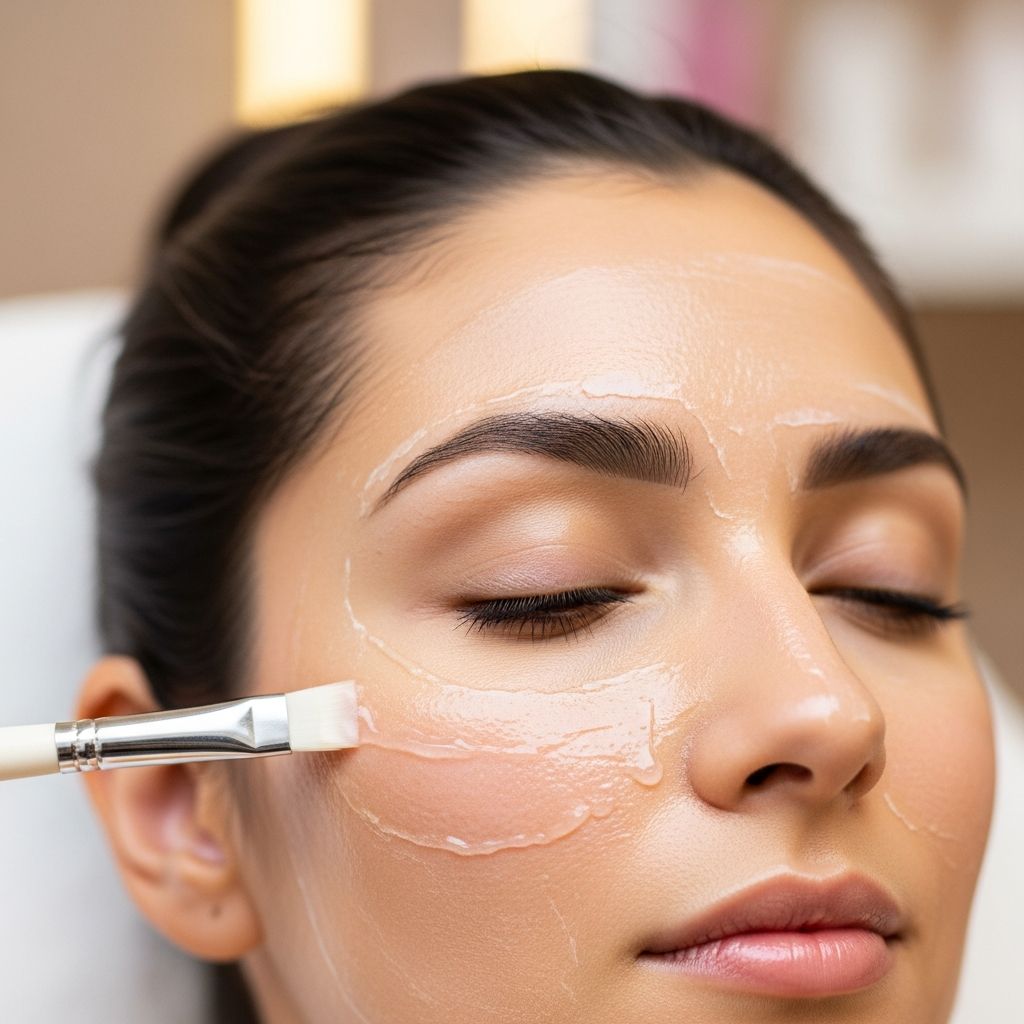
Understanding Chemical Peels
Chemical peels are cosmetic procedures that use specially formulated chemical solutions to improve and enhance your skin’s appearance by removing damaged outer layers. These treatments have become increasingly popular for individuals seeking to address a variety of facial concerns, from fine lines and wrinkles to acne scars and uneven skin tone. By stimulating skin cell renewal and collagen production, chemical peels can reveal fresher, healthier-looking skin beneath the surface.
The effectiveness of chemical peels lies in their ability to work at different depths, allowing dermatologists and cosmetic surgeons to customize treatments based on individual skin concerns and skin types. Whether you’re dealing with superficial blemishes or deep wrinkles, there’s likely a chemical peel option suited to your needs.
Types of Chemical Peels
Chemical peels are classified into three main categories based on their depth of penetration and the strength of the chemical solution used. Understanding these categories is essential for determining which treatment might be most appropriate for your skin concerns.
Superficial Peels
Superficial or “lunchtime” peels are the mildest form of chemical peel, affecting only the outermost layer of skin known as the epidermis. These peels use lighter chemical solutions such as alphahydroxy acids (AHAs), glycolic acid, lactic acid, and salicylic acid. They require minimal to no downtime, making them ideal for busy individuals who want to maintain their regular schedule immediately after treatment. Superficial peels are perfect for addressing minor skin concerns including light wrinkles, mild acne, uneven skin tone, and general dullness. Most people can return to their normal activities immediately after a superficial peel, though some temporary redness or mild peeling may occur over the following days.
Medium-Depth Peels
Medium-depth peels penetrate deeper into the skin, reaching the upper layers of the dermis. These treatments typically use trichloroacetic acid (TCA) at various concentrations or a combination of chemical solutions. Medium-depth peels are more effective than superficial peels for treating moderate skin imperfections, including fine to moderate wrinkles, deeper acne scars, age spots, and more significant hyperpigmentation issues. While results are more dramatic than superficial peels, they also require slightly longer recovery time, typically ranging from 7 to 10 days. During this period, you may experience redness, swelling, and peeling as your skin regenerates.
Deep Peels
Deep chemical peels represent the most intensive treatment option, using strong solutions such as phenol to penetrate multiple layers of skin. These treatments are reserved for severe skin conditions, including coarse wrinkles, significant sun damage, precancerous growths, and extensive scarring. Deep peels deliver the most dramatic and long-lasting results but require the longest recovery period, potentially spanning several weeks to months. During recovery, the skin will be notably red, and significant peeling will occur as the damaged layers are shed and new skin forms. Due to the intensity of deep peels, they typically require local anesthesia or sedation and should only be performed by experienced professionals.
Common Chemical Solutions Used in Peels
Different chemical solutions are used in peels, each offering unique benefits and working at various depths within the skin.
Alphahydroxy Acids (AHAs)
Alphahydroxy acids, derived from natural sources such as sugarcane, milk, and fruit, are gentle exfoliating agents commonly used in superficial peels. AHAs work by breaking down the bonds between dead skin cells, allowing them to be easily removed. Glycolic acid and lactic acid are the most commonly used types of AHA. These solutions are suitable for all skin types and are particularly beneficial for individuals with sensitive skin seeking gentle exfoliation and renewal without significant downtime.
Related Stories



Salicylic Acid
Salicylic acid is a beta hydroxy acid (BHA) that penetrates into pores, making it especially effective for acne-prone skin. This solution works by dissolving the sebum and dead skin cells that clog pores, helping to prevent breakouts and reduce existing acne. Salicylic acid peels are ideal for younger individuals or those struggling with active acne, as they’re gentle enough for frequent use while effectively addressing blemishes and preventing future breakouts.
Trichloroacetic Acid (TCA)
Trichloroacetic acid is a medium-strength chemical solution that can be used at various concentrations to achieve different depths of peeling. TCA peels are versatile and can be applied to different areas of the face and body, making them suitable for treating specific concerns like fine lines and age spots on the neck, chest, and hands. The strength of a TCA peel can be adjusted by modifying the concentration, allowing customization based on individual skin needs and tolerance.
Phenol
Phenol is the strongest chemical solution used in peels and produces the deepest and most dramatic results. Reserved for severe skin conditions and extensive damage, phenol peels are typically used only on the face due to the risk of scarring on other body areas. Because phenol can cause permanent skin lightening in some individuals, it may not be suitable for patients with darker skin tones. Phenol peels require careful application by experienced professionals and demand the longest recovery period.
Conditions Treated with Chemical Peels
Chemical peels can effectively address a wide range of skin concerns, making them one of the most versatile cosmetic treatments available.
Fine Lines and Wrinkles
One of the most popular uses for chemical peels is reducing the appearance of fine lines and wrinkles, particularly those found on the forehead, around the eyes, cheeks, and around the mouth. By stimulating collagen production and removing damaged skin layers, peels help smooth the skin’s texture and diminish visible signs of aging. Superficial and medium-depth peels are especially effective for fine lines, while deep peels address more severe, coarse wrinkles.
Acne and Acne Scars
Chemical peels, particularly those using salicylic acid, are highly effective for treating active acne by unclogging pores and reducing bacterial growth. Additionally, peels can significantly improve the appearance of acne scars by promoting skin remodeling and collagen regeneration. Different peel depths can be selected based on scar severity, with deeper peels often producing more noticeable improvement in heavily scarred skin.
Hyperpigmentation and Age Spots
Sun damage often results in dark spots, age spots, and uneven skin pigmentation. Chemical peels effectively lighten these areas by removing the damaged outer layers containing excess melanin. Medium and deep peels are particularly effective for significant hyperpigmentation, though multiple superficial peels may be needed for mild discoloration.
Uneven Skin Tone and Texture
Chemical peels improve overall skin quality by promoting uniform cell turnover and removing the dull, damaged surface layer. This results in more even skin tone, improved texture, and a more radiant appearance. Regular maintenance peels can help maintain these benefits over time.
Melasma and Post-Inflammatory Hyperpigmentation
These stubborn pigmentation disorders can be effectively treated with chemical peels, particularly when combined with pre-treatment regimens using hydroquinone or Retin-A to optimize results.
The Chemical Peel Procedure: What to Expect
Understanding what happens during a chemical peel procedure can help you prepare mentally and physically for your treatment.
Pre-Treatment Preparation
Before undergoing a chemical peel, your skin may require pre-treatment conditioning. For medium and deep peels, dermatologists often prescribe Retin-A or alphahydroxy acid creams to thin the skin’s outer layer, allowing the chemical solution to penetrate more evenly and effectively. This pre-treatment phase typically lasts several weeks. Hydroquinone, a bleaching agent, may be used in conjunction with Retin-A or AHA creams, particularly if you have blotchy skin or significant pigmentation issues. This preparation ensures optimal results and minimizes potential complications.
During the Procedure
On the day of your peel, your skin will be thoroughly cleansed with a degreasing agent to remove excess oils and ensure even application of the chemical solution. Your eyes will be protected with special shields or coverings. For superficial peels, no anesthesia is typically necessary. You may experience a warm sensation for 5 to 10 minutes, followed by a mild stinging sensation as the solution works on your skin. Cool compresses or a fan can alleviate this discomfort. For medium and deeper peels, local anesthesia or local anesthesia with sedation will be administered to keep you comfortable throughout the procedure. The surgeon will carefully apply the chemical solution, and you may feel a stinging sensation that subsides quickly. The procedure duration varies based on peel depth: superficial peels typically take 10 to 15 minutes, medium peels around 15 to 20 minutes, and full-face deep peels may take an hour or longer.
Post-Peel Care During Procedure
After the chemical solution has worked on your skin, it may be neutralized with a special solution or simply allowed to work for a specific time period before being removed. For some deep phenol peels, a thick layer of petroleum jelly or special occlusive dressing may be applied to the treated area to protect the skin and facilitate healing.
Recovery Timeline and Aftercare
Recovery from a chemical peel varies significantly depending on the depth of treatment.
Superficial Peel Recovery
Most superficial peels require no downtime, and you can return to your normal activities immediately. Mild redness may occur, but it typically fades within a few hours. Some light peeling may occur over the next 3 to 5 days. Sunscreen use is essential, though the recovery period is brief.
Medium-Depth Peel Recovery
Recovery from medium-depth peels typically takes 7 to 10 days. Your face will be noticeably red immediately after treatment, and within a few days, visible peeling will begin as the damaged skin sheds. You may experience swelling, particularly around the eyes. Most people can return to work after about 7 to 10 days and can wear makeup to cover any remaining redness. Sun protection is absolutely critical during this phase.
Deep Peel Recovery
Deep peels require the longest recovery period, potentially spanning several weeks to months. Your face will be very red immediately after treatment and will gradually fade to a pinkish tone over several weeks. Significant peeling will occur over a 6 to 7 day period. You may be able to return to light work after about 2 weeks once your skin is healed enough to wear makeup, but complete healing and final results may take several months. Strict sun protection is imperative during this extended recovery period to prevent irregular skin coloring or blotching.
General Aftercare Instructions
- Use prescribed skincare products and ointments as directed
- Avoid sun exposure and always wear broad-spectrum SPF 30 or higher sunscreen
- Avoid strenuous exercise and activities that cause sweating for several days
- Do not pick or peel away skin, allowing it to naturally shed
- Keep the treated area clean and moisturized
- Avoid makeup and harsh skincare products during the initial recovery phase
- Stay hydrated and follow a healthy diet to support skin healing
Results and Expectations
Results from chemical peels vary based on the type and depth of treatment. Superficial peels show modest improvements that develop gradually with repeated treatments. Medium-depth peels typically deliver noticeable improvements after a single treatment, though a series of treatments may be recommended for optimal results. Deep peels produce the most dramatic and long-lasting results, often requiring just one treatment to achieve significant improvement in skin appearance. Results continue to improve as new collagen develops over several months following treatment.
Risks and Considerations
While chemical peels are generally safe when performed by qualified professionals, some potential risks include temporary redness and swelling, temporary itching or tenderness, and in rare cases, temporary or permanent changes in skin pigmentation. Deep phenol peels carry higher risks, particularly for individuals with darker skin tones or certain medical conditions. It’s crucial to discuss your medical history, current medications, and skin concerns with your dermatologist before undergoing treatment.
Frequently Asked Questions
Q: How often can I get a chemical peel?
A: The frequency depends on the type of peel. Superficial peels can typically be done monthly for maintenance, while medium-depth peels are usually spaced 3 to 6 months apart. Deep peels typically require only one treatment, though touch-up treatments may be performed years later if desired.
Q: Are at-home chemical peels effective?
A: Over-the-counter chemical peels containing low concentrations of AHAs or BHAs can provide mild exfoliation benefits but are not nearly as effective as professional-grade peels. Professional treatments use higher concentrations and are customized to your specific skin needs under expert supervision.
Q: Can chemical peels be used on areas other than the face?
A: Yes, depending on the type of peel. AHA and TCA peels can be used on the neck, chest, hands, and back. However, deep phenol peels are primarily used on the face only due to scarring risks on other body areas.
Q: Is there an age requirement for chemical peels?
A: There’s no specific age requirement. Younger individuals can benefit from superficial peels for acne treatment, while older individuals often seek peels to address aging signs. Your dermatologist will help determine if you’re a good candidate based on your skin condition and goals.
Q: How long do chemical peel results last?
A: Results from superficial peels last a few weeks before fading, requiring repeat treatments. Medium-depth peels typically provide results lasting 6 months to a year. Deep peels can provide results lasting many years, though sun damage and aging will continue to affect your skin over time.
Q: Can I undergo a chemical peel if I have sensitive skin?
A: Yes, but you should consult with a dermatologist about the most appropriate peel type. Superficial peels using gentle AHAs or lactic acid are typically well-tolerated by sensitive skin when applied by professionals.
References
- Chemical Peels: Types of Peels, Conditions Treated, What to Expect — Cleveland Clinic. 2024. https://my.clevelandclinic.org/health/treatments/11010-chemical-peels
- Chemical Peel Overview and Applications — The Plastic Surgery Clinic of Cleveland. 2024. https://hoopsplasticsurgery.com/face/chemical-peel/
- Skin Care Services: Chemical Peel — Cleveland Clinic Cosmetic & Plastic Surgery Center. 2024. https://my.clevelandclinic.org/cosmetic-plastic-surgery/skin-care/services
- Chemical Peels – Cosmetic Procedures — Cleveland Clinic. 2024. https://my.clevelandclinic.org/cosmetic-plastic-surgery/procedures/chemical-peels
- Face Off: What To Know About At-Home Chemical Peels — Cleveland Clinic Health Essentials. 2024. https://health.clevelandclinic.org/chemical-peels-at-home
Similar Articles








Read full bio of Sneha Tete