Chemical Peels: Essential Guide For Skin Rejuvenation In 2025
Discover how chemical peels resurface skin, treat acne, pigmentation, and ageing for smoother, youthful complexion.
A
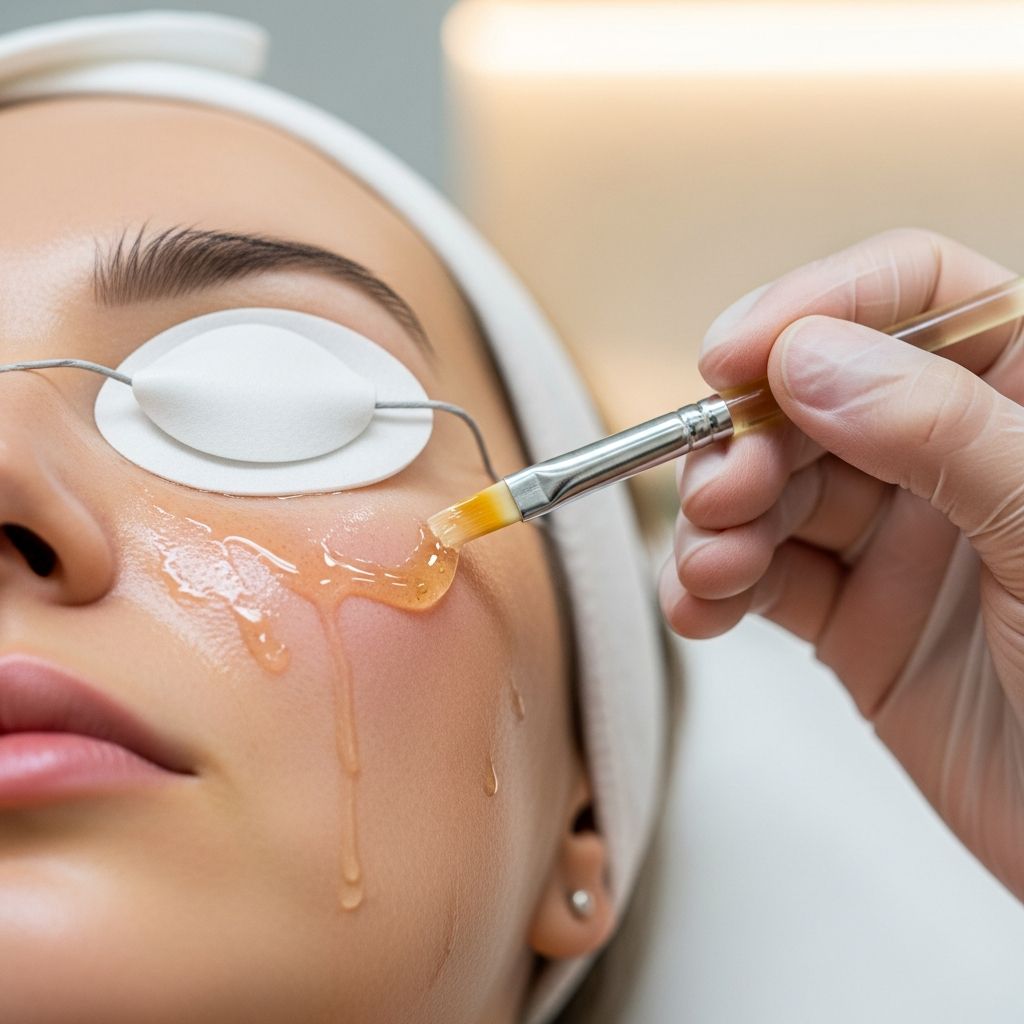
chemical peel
involves applying one or more chemical solutions to the skin to remove damaged outer layers, promoting regeneration of smoother, healthier skin beneath. This dermatological procedure effectively addresses concerns like photoageing, pigmentation irregularities, acne scars, and fine wrinkles by inducing controlled skin injury that stimulates collagen production and epidermal renewal.Introduction
Chemical peeling has evolved as a cornerstone of cosmetic dermatology, offering a versatile method for skin rejuvenation. By causing keratolysis—breakdown of the stratum corneum—and protein coagulation in the epidermis and dermis, peels resurface the skin, reducing dyschromia, rhytides, and textural irregularities. Superficial peels target the epidermis, medium peels extend to the papillary dermis, and deep peels reach the reticular dermis, each with distinct efficacy and downtime profiles.
Historically, peels date back to ancient practices using fruit acids, but modern formulations like alpha-hydroxy acids (AHAs), trichloroacetic acid (TCA), and phenol-croton oil have standardized outcomes. They improve skin by exfoliating damaged cells, homogenizing melanin distribution, and inducing neocollagenesis, leading to firmer, more even-toned skin.
How it Works
Chemical peels function through controlled chemical injury. The agent penetrates the skin, causing epidermal necrosis and dermal remodeling. Superficial peels like glycolic acid (50-70%) disrupt desmosomal junctions in the stratum corneum, promoting desquamation and stimulating glycosaminoglycans, collagen types I and IV, and elastin.
Medium peels, such as 35% TCA combined with Jessner’s solution, coagulate proteins in the papillary dermis, reducing superficial rhytids and dyspigmentation. Deep peels like phenol-croton oil penetrate to the mid-reticular dermis, ablating damaged tissue and triggering fibroblast activity for new collagen bands parallel to the skin surface.
Post-peel, reepithelialization occurs from adnexal structures within days for superficial peels, while deeper peels require weeks, resulting in normalized epidermal architecture and increased dermal thickness observed in studies up to 60 days post-treatment.
Indications
- Photoageing: Fine wrinkles, solar lentigines, actinic keratoses, and uneven texture on face, neck, chest, and hands.
- Pigmentation disorders: Melasma, post-inflammatory hyperpigmentation, freckles, and blotchy dyspigmentation, especially in Fitzpatrick skin types III-VI with combination peels.
- Acne and scars: Active acne, atrophic scars, and ice-pick scars improved via exfoliation and collagen remodeling.
- Other: Keratosis pilaris, sebaceous hyperplasia, and mild rhytides unresponsive to topicals.
Superficial peels suit maintenance therapy for mild photodamage, while medium-depth peels excel for moderate rhytides and scars, per clinical reviews.
Contraindications
- Active infections: Herpes simplex, bacterial folliculitis.
- Isotretinoin use within 6-12 months due to impaired healing.
- Pregnancy or breastfeeding.
- History of keloids or poor wound healing.
- Recent facial radiation or chemotherapy.
- Unrealistic expectations or inability to comply with post-care.
Relative contraindications include Fitzpatrick skin types V-VI for deep peels due to dyschromia risk, and active inflammation.
Types of Chemical Peels
Chemical peels are classified by depth: superficial (epidermis to papillary dermis), medium (upper reticular dermis), and deep (mid-reticular dermis).
| Type | Depth | Agents | Indications | Downtime |
|---|---|---|---|---|
| Superficial | Epidermis | Glycolic 50-70%, TCA 10-30%, Jessner’s (4-7 coats), Salicylic-mandelic, Lactic 90% | Mild photoageing, acne, dyspigmentation | 1-3 days |
| Medium | Papillary to upper reticular dermis | TCA 35-50%, Glycolic 70% + TCA, Pyruvic acid, Phenol 88% | Moderate wrinkles, scars, actinic damage | 7-14 days |
| Deep | Mid-reticular dermis | Baker-Gordon phenol-croton oil, TCA >50% | Deep rhytides, severe photodamage | Weeks, permanent redness |
Related Stories



Alpha-Hydroxy Acid (AHA) Peels
AHAs like glycolic (smallest molecule for penetration), lactic, mandelic, and citric acids cause epidermolysis. Mandelic (40%) suits sensitive skin with antibacterial properties for acne. Newer additions: ferulic, pyruvic, jasmonic, azelaic, and polyhydroxy acids (PHAs) for gentler exfoliation.
Trichloroacetic Acid (TCA) Peels
TCA is versatile; 10-30% for superficial, 35% for medium (often with Jessner’s or 70% glycolic for even penetration). It reduces freckling, keratoses, and fine lines but not deep furrows. Combination preps like VI peel (TCA, salicylic, tretinoin, phenol, citric) enhance uniformity.
Phenol-Croton Oil Peels
Deepest peels using phenol (88%) with croton oil. Highly effective for wrinkles but risky: cardiac toxicity, scarring, and mask-like pallor. Rarely used facially today; cardiac monitoring required.
Jessner’s Solution and Combinations
Jessner’s (14g resorcinol, 14g salicylic acid, 85% lactic acid in ethanol) enhances TCA penetration. Modified versions use citric acid. Others: lipohydroxy acids (LHA), retinol creams, Unna’s paste.
Before the Peel
- Consultation: Assess skin type, history, expectations; patch test for allergies.
- Pre-treatment: Tretinoin 0.025-0.1% 2-4 weeks to thin stratum corneum; hydroquinone 4% for pigmentation; antiviral prophylaxis if herpes history.
- Avoid: Sun exposure, waxing, lasers 2 weeks prior; NSAIDs/aspirin 1 week to reduce bruising.
- Skin priming enhances uniformity and reduces complications.
The Peel Procedure
- Cleansing: Degrease with acetone or alcohol.
- Application: Layer peel solution with brushes/cotton, timed per type (e.g., glycolic 3-10 min).
- Neutralization: For AHAs (water/bicarb); TCA/phenol self-neutralize.
- Frosting: Endpoint for TCA (Level 2-3 white precipitate).
- Post-application: Cool compresses, emollients.
Performed by dermatologists/plastic surgeons; office-based, topical anesthesia for medium, sedation for deep.
After the Peel
Superficial: Erythema, scaling 1-3 days. Medium: Swelling, crusting 7-10 days. Deep: Occlusion, prolonged healing 2-4 weeks with hypopigmentation.
Skin Care Post-Peel
- Days 1-2: Cool compresses, petrolatum ointment; no water.
- Weeks 1-2: Gentle cleansers, moisturizers, sunscreen SPF 50+.
- Avoid: Makeup, sun, irritants 2 weeks; hydroquinone if needed.
- Serial peels: Every 2-4 weeks for superficial.
Complications
- Common: Prolonged erythema, milia, acneiform eruptions.
- Pigment changes: Hyper (PIH in darker skins), hypo (deep peels).
- Scarring: Rare with proper technique; infection risk (HSV, bacterial).
- Systemic: Phenol toxicity (arrhythmias). Pretreat with antivirals.
General Advice
Choose qualified providers. Realistic expectations: Multiple sessions for optimal results. Maintenance with topicals/sun protection essential. Not for active disease or poor healers.
Frequently Asked Questions
What is a chemical peel?
A procedure using chemical agents to exfoliate damaged skin layers, revealing rejuvenated skin underneath.
Who can perform chemical peels?
Dermatologists, plastic surgeons, or trained physicians; deeper peels require specialists.
How long is downtime?
Superficial: 1-3 days; medium: 1 week; deep: weeks.
Are peels safe for all skin types?
Safer superficial/combination for darker skins; deep peels risk dyspigmentation.
Can peels treat acne scars?
Yes, medium TCA peels improve atrophic scars via collagen induction.
References
- Chemical Peels for Skin Resurfacing — Krishnan A, et al. StatPearls [Internet]. NCBI Bookshelf. 2023. https://www.ncbi.nlm.nih.gov/books/NBK547752/
- A perspective on what’s new in chemical peels — Cosmoderma. 2023. https://cosmoderma.org/a-perspective-on-whats-new-in-chemical-peels/
- Review of chemical peeling in photoaging skin — Journal of Cosmetic Medicine. 2023-01-31. https://www.jcosmetmed.org/journal/view.html?volume=7&number=1&spage=1
- Chemical peels (face peels) — DermNet NZ. 2023. https://dermnetnz.org/topics/chemical-peels
- A Practical Approach to Chemical Peels — Journal of Clinical and Aesthetic Dermatology. 2018-08. https://jcadonline.com/august-2018-chemical-peels/
- Clinical Role and Application of Superficial Chemical Peels — Journal of Drugs in Dermatology. 2009. https://jddonline.com/articles/clinical-role-and-application-of-superficial-chemical-peels-in-todays-practice-S1545961609P0803X
Similar Articles








Read full bio of Sneha Tete