Chemical Pregnancy: Causes, Symptoms, and Recovery
Understanding chemical pregnancy: What it means, why it happens, and moving forward.
Understanding Chemical Pregnancy
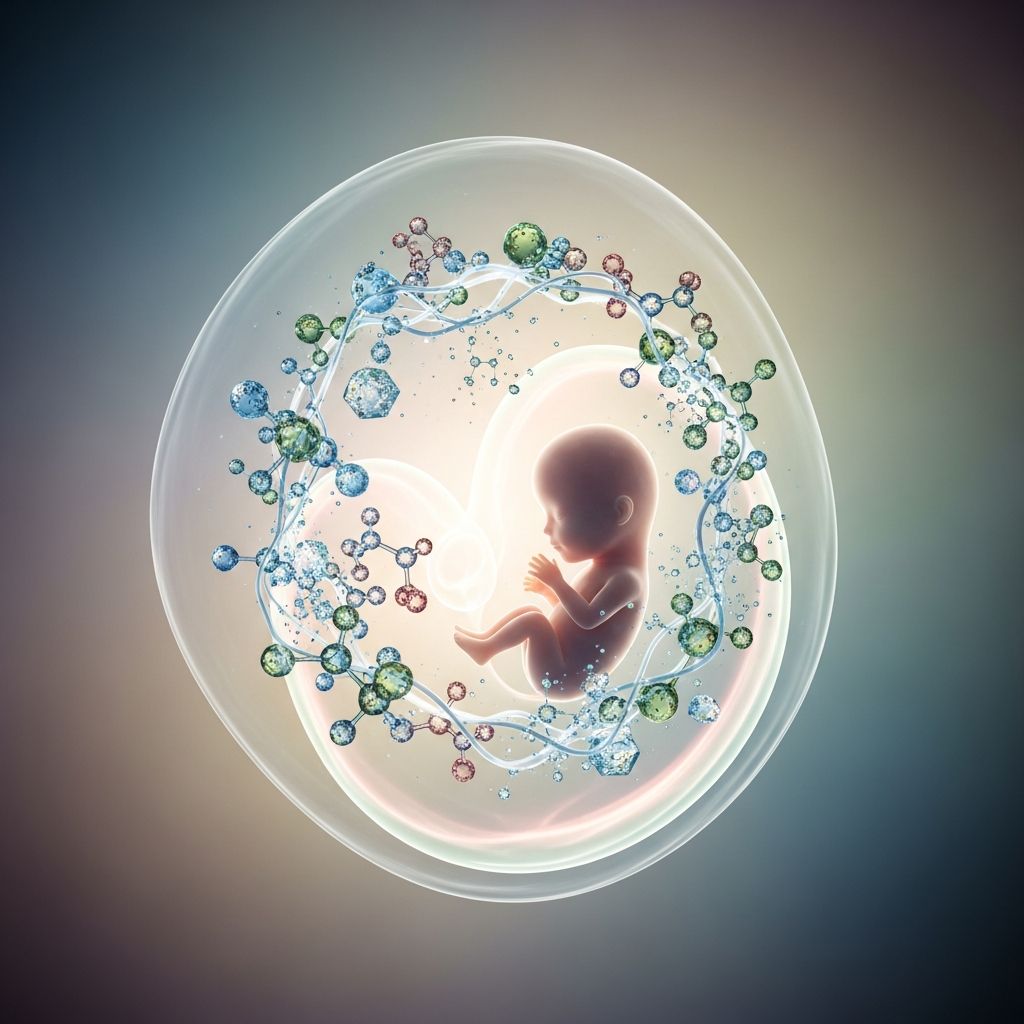
A chemical pregnancy, also known as a biochemical pregnancy, is an early pregnancy loss that occurs within the first five weeks after conception. During this type of miscarriage, the embryo does implant into the uterine wall and begins initial development, but stops growing shortly thereafter. This early loss often goes unnoticed because it happens so quickly, before most people would have detected a clinical pregnancy on ultrasound.
The term “chemical pregnancy” refers to the hormonal changes that occur in your body during this phase. It’s important to understand that this term is clinical and medical in nature—it’s not a commentary on your loss or how you should feel about it. Many people experience profound emotional responses to chemical pregnancies, and those feelings are completely valid and deserve support.
How Chemical Pregnancy Differs from Clinical Pregnancy
Understanding the distinction between chemical pregnancy and clinical pregnancy can help clarify what has happened. A clinical pregnancy is confirmed when an ultrasound can detect a gestational sac or an embryo within the uterus. In contrast, a chemical pregnancy occurs when a pregnancy test is positive but no pregnancy tissue is visible on ultrasound. The difference lies in the detection method: chemical pregnancies are identified through hormonal markers before they become visible on imaging.
In a clinical pregnancy, the developing embryo has progressed far enough to be visualized on ultrasound, typically around four to five weeks of pregnancy. A chemical pregnancy ends before reaching this stage of development, which is why it’s sometimes called an “invisible miscarriage.”
The Biological Process Behind Chemical Pregnancy
To understand how chemical pregnancies occur, it helps to know what happens during normal early pregnancy. After conception, the embryo travels through the fallopian tube and implants into the uterine wall, typically about six to twelve days after fertilization. Approximately one week after implantation, the placenta begins to develop. The developing placenta produces the hormone human chorionic gonadotropin (hCG), which is crucial for supporting the pregnancy and preventing the uterus from shedding its lining.
This hCG hormone is what at-home urine pregnancy tests and blood tests detect. During a chemical pregnancy, hCG levels rise enough to produce a positive pregnancy test, but then the embryo stops developing and hCG levels begin to decline. As hCG levels drop, the uterine lining sheds, resulting in bleeding similar to a menstrual period.
How Common Are Chemical Pregnancies?
Chemical pregnancies are far more common than many people realize. Research estimates that between 8% and 33% of all pregnancies end as a chemical pregnancy. The actual incidence may be even higher because many people never know they were pregnant when a chemical pregnancy occurs. About 25% of all pregnancies end before twenty weeks of gestation, with approximately 80% of those losses occurring within the first five weeks—the timeframe for chemical pregnancies.
Related Stories



The widespread occurrence of chemical pregnancies means that if you experience one, you are not alone. This is a normal part of human reproduction, though that knowledge doesn’t necessarily make the experience any easier emotionally.
Symptoms and Signs of Chemical Pregnancy
Chemical pregnancies present with several recognizable signs, though not everyone experiences all of them:
- A positive pregnancy test without experiencing typical early pregnancy symptoms like nausea, breast tenderness, or fatigue
- A positive pregnancy test followed by a negative test a few weeks later
- A positive pregnancy test followed by the onset of menstruation
- A menstrual period arriving about a week later than expected
- An unusually heavy period accompanied by more severe cramping than normal
- Spotting that progressively becomes heavier bleeding
Understanding Chemical Pregnancy Bleeding
The bleeding associated with chemical pregnancy often resembles a regular menstrual period because the embryo hasn’t grown significantly. However, the bleeding pattern can vary considerably between individuals. Some people experience light spotting that gradually increases in heaviness over a few days, while others have heavier bleeding from the start. Typically, chemical pregnancy bleeding lasts between a few days and up to one week.
It’s important to note that light bleeding in early pregnancy doesn’t always indicate a miscarriage. Implantation bleeding, which occurs when the embryo embeds into the uterine wall, can also cause light spotting. If you experience bleeding during pregnancy and are uncertain about what’s happening, contacting your healthcare provider is the best course of action.
One important guideline: if bleeding saturates more than one pad per hour, this is heavier than typical chemical pregnancy bleeding and warrants immediate contact with your healthcare provider.
What Causes Chemical Pregnancy?
The exact causes of chemical pregnancy are not completely understood, but researchers and healthcare providers have identified several factors that may contribute to early pregnancy loss. The most commonly cited cause is chromosomal or genetic abnormalities in the embryo. These DNA irregularities often make it impossible for the embryo to continue developing normally, and the body naturally terminates the pregnancy.
Beyond genetic factors, several other conditions and circumstances may increase the risk of chemical pregnancy:
- Hormonal imbalances, including thyroid disorders, where hormone levels are too high or too low
- Polycystic ovarian syndrome (PCOS), which affects hormone production and ovulation
- Diabetes or poor blood sugar control
- Sexually transmitted infections (STIs) that may affect reproductive function
- An unusually shaped or abnormally structured uterus that makes implantation difficult
- Maternal age of 35 or older, which is associated with increased chromosomal abnormalities
- Problems with embryo implantation into the uterine lining, preventing proper attachment and development
It’s crucial to understand that experiencing a chemical pregnancy is not your fault. Nothing you did or didn’t do caused this loss. Chemical pregnancies happen due to factors largely beyond your control, and they are a normal part of human reproduction.
Diagnosis of Chemical Pregnancy
If you suspect you may be experiencing a chemical pregnancy, your healthcare provider will conduct a series of investigations to confirm this. The diagnostic process typically involves:
- Blood tests to measure hCG levels at different times to monitor whether they are rising appropriately or declining
- Urine tests to detect the presence or absence of hCG
- A detailed medical history, including when your last menstrual period was and whether it was typical for you
- Possibly an ultrasound examination, although in a chemical pregnancy, no pregnancy tissue would be visible
The key diagnostic feature of a chemical pregnancy is a positive pregnancy test followed by declining hCG levels and no visible pregnancy tissue on ultrasound. Your healthcare provider will use these findings to confirm the diagnosis and rule out other causes of bleeding during early pregnancy.
Treatment and Management
There are no specific medical treatments for the physical aspects of chemical pregnancy. The bleeding typically resolves on its own within about a week as your body naturally expels the pregnancy tissue. Your healthcare provider will monitor your hCG levels to ensure they return to baseline, confirming that the chemical pregnancy has completed.
If you experience discomfort, you can manage it with over-the-counter pain relief medications as recommended by your healthcare provider. If bleeding is exceptionally heavy (saturating more than one pad per hour) or continues beyond one week, contact your doctor for further evaluation.
Beyond physical management, emotional support is equally important. Many people underestimate the emotional impact of a chemical pregnancy because it occurs so early. If you’re struggling with the emotional toll of this loss, speak with your healthcare provider about accessing counseling, support groups, or mental health services. Your feelings of grief, disappointment, or sadness are valid and deserve proper support.
Pregnancy After Chemical Pregnancy
One of the most hopeful aspects of having a chemical pregnancy is that it typically does not affect future fertility or pregnancy outcomes. The vast majority of people who experience a chemical pregnancy will go on to have healthy pregnancies in the future. Because chemical pregnancy happens so early in the pregnancy process, it usually doesn’t impact the timing of your next attempt to conceive.
Most healthcare providers recommend waiting until you’ve had at least one normal menstrual cycle before attempting to conceive again, though this timeframe can vary based on individual circumstances. If you experience multiple chemical pregnancies in succession, your healthcare provider may recommend evaluation by a fertility specialist to investigate underlying causes and discuss potential interventions.
Frequently Asked Questions
Q: Is a chemical pregnancy considered a “real” pregnancy?
A: Yes, absolutely. During a chemical pregnancy, conception occurs, the embryo implants, and your body produces pregnancy hormones. The fact that it ends early doesn’t make it less real. Many people have very real emotional responses to chemical pregnancies, and those feelings deserve validation and support.
Q: Can I prevent a chemical pregnancy?
A: Unfortunately, there’s no way to prevent chemical pregnancies. They occur due to factors largely beyond your control, such as chromosomal abnormalities in the embryo. This is a normal part of human reproduction, and nothing you do or don’t do can prevent them.
Q: How soon can I try to get pregnant again after a chemical pregnancy?
A: Most healthcare providers recommend waiting until you’ve had at least one normal menstrual cycle before trying again. However, many people do conceive successfully in the first cycle after a chemical pregnancy. Discuss the best timing with your healthcare provider based on your individual situation.
Q: Should I see a specialist if I have repeated chemical pregnancies?
A: If you experience multiple chemical pregnancies in a row, your healthcare provider may recommend evaluation by a reproductive endocrinologist or fertility specialist. They can investigate potential underlying causes and discuss treatment options to improve outcomes in future pregnancies.
Q: Does having a chemical pregnancy mean I’m infertile?
A: No. A single chemical pregnancy does not indicate infertility. Many women who experience chemical pregnancies have no difficulty conceiving in the future and go on to have healthy pregnancies and children. Infertility is typically diagnosed after unsuccessful attempts to conceive over an extended period.
Q: What should I do if I think I’m having a chemical pregnancy?
A: Contact your healthcare provider. They can order blood and urine tests to monitor your hCG levels and determine what is happening. Don’t try to diagnose yourself—professional evaluation ensures you receive appropriate care and support during this time.
Moving Forward
If you’ve experienced a chemical pregnancy, it’s essential to be gentle with yourself. Remember that this loss is not your fault and that you did nothing wrong. Chemical pregnancies are a common occurrence in human reproduction, and experiencing one does not reflect poorly on your health or ability to have children in the future.
Allow yourself to feel whatever emotions arise, whether that’s sadness, disappointment, anger, or relief. Reach out to your healthcare provider, trusted friends, family members, or mental health professionals for support. Many people find that connecting with others who have experienced similar losses provides comfort and validation.
For most people, having a chemical pregnancy is followed by successful pregnancies and healthy babies. Take time to grieve if needed, then look forward to future possibilities with hope and the knowledge that you’re not alone in this experience.
References
- Chemical Pregnancy: Symptoms, Causes, and Treatment — Flo Health. 2025. https://flo.health/pregnancy/pregnancy-health/pregnancy-loss/chemical-pregnancy
- What Causes A Chemical Pregnancy? — Cleveland Clinic. 2022-09-02. https://www.youtube.com/watch?v=Ve8E3u_uHJg
- What is a Chemical Pregnancy? Symptoms, Causes, and Healing — Bridge Haven Crisis Resources. 2025. https://bridgehavencr.org/chemical-pregnancy-symptoms-causes-and-healing/
- Causes of a False Positive Pregnancy Test — Health Cleveland Clinic. 2025. https://health.clevelandclinic.org/false-positive-pregnancy-test
- Reproductive health and the environment: Counseling patients about endocrine-disrupting chemicals — Cleveland Clinic Journal of Medicine, Vol. 83, No. 5. 2016. https://www.ccjm.org/content/83/5/367
Similar Articles








Read full bio of medha deb