Chemo Port: A Guide to Implantable Access Devices
Understanding chemo ports: How implantable devices improve cancer treatment delivery and patient comfort.
What Is a Chemo Port?
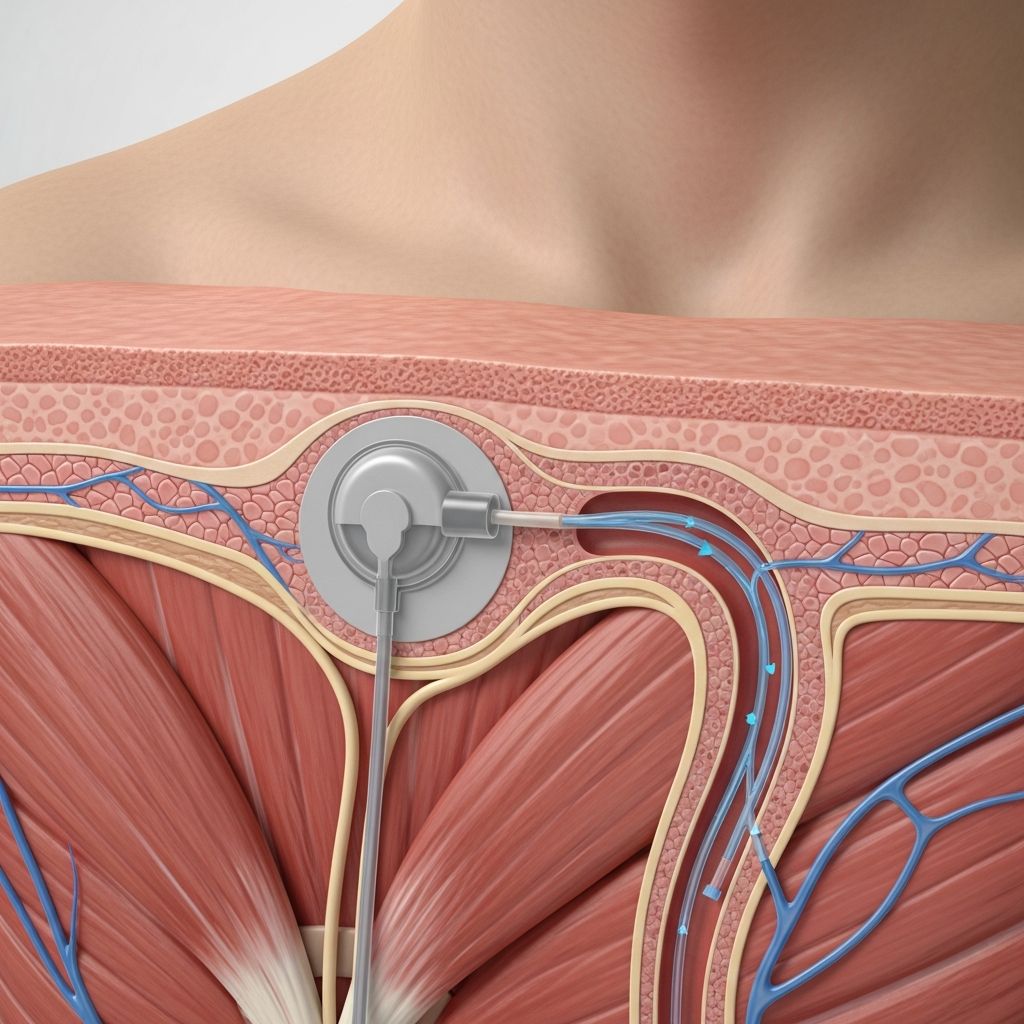
A chemo port, also known as a port-a-cath or implanted port, is a small, implantable medical device designed to provide reliable venous access for patients undergoing cancer treatment and other medical procedures requiring frequent blood draws or medication infusions. This device attaches directly to a vein, typically located in the upper chest area, allowing healthcare providers to administer chemotherapy drugs, draw blood, and deliver other treatments without the need for repeated needle sticks.
The chemo port significantly improves the treatment experience for cancer patients by reducing the discomfort and complications associated with traditional intravenous lines. The device can remain in place for weeks, months, or even years, making it an ideal solution for patients who require ongoing medical care and treatment.
How Chemo Ports Work
Once your chemo port is in place, healthcare providers can access it to draw blood or deliver fluids and medications. The process involves inserting a specialized needle through your skin and into the port’s septum, which is the rubbery center of the device. This septum is specifically designed to withstand multiple needle punctures while maintaining a seal that prevents leakage and infection.
The port is connected to a catheter, a thin, flexible tube that runs from the port into a major vein near your heart. This positioning ensures that medications and fluids are delivered directly into your bloodstream, providing efficient and effective treatment distribution throughout your body.
Components of a Chemo Port
Understanding the structure of a chemo port helps patients recognize how the device functions:
- Reservoir or Chamber: The main body of the port that sits just beneath the skin, typically made of titanium or plastic
- Septum: The rubbery center that can be punctured repeatedly with a special needle
- Catheter: A thin, flexible tube connected to the port that extends into a major vein, usually the superior vena cava near the heart
- Sutures: Used to secure the port in place during the initial implantation
Types of Chemo Ports
Chemo ports come in various shapes and designs depending on the manufacturer and the specific needs of the patient. The most common variations include:
- Circular Ports: The traditional design that accommodates most standard access techniques
- Triangular Ports: Designed for easier palpation and identification under the skin
- Oval Ports: Offer a compact profile suitable for patients with specific anatomical considerations
Additionally, there are two main types of chemo ports based on their placement location: chest ports (the most common) and arm ports, with each offering specific advantages based on individual patient circumstances.
Chemo Port Placement Procedure
Chemo port placement is a minor surgical procedure that typically takes about one hour to complete. The procedure is usually performed on an outpatient basis, meaning patients can return home on the same day. However, patients should arrange for a trusted friend or family member to provide transportation to and from the appointment, as driving immediately after the procedure is not recommended.
Related Stories



Preparation for Placement
Before your chemo port placement, your medical team will discuss the procedure with you and address any concerns. You may be asked to fast for several hours before the procedure and to wear loose, comfortable clothing that allows easy access to the chest area.
The Placement Process
During the procedure, your medical team will:
- Provide anesthesia to keep you comfortable and relaxed during the surgery
- Clean the surgical site thoroughly with antiseptic solution
- Make a small incision, typically about one inch in length, usually in the upper chest area
- Create a small pocket under the skin to hold the port device
- Thread the catheter into an appropriate vein using continuous X-ray imaging for guidance
- Secure the port in place with sutures
- Close the incision with stitches that may be absorbable or require removal
- Take a chest X-ray to confirm the port is positioned correctly
Advantages of Chemo Ports
Chemo ports offer numerous benefits for cancer patients and those requiring long-term medical treatment:
- Reduced Needle Sticks: Significantly decreases the number of needle punctures needed for blood draws and medication infusions
- Improved Comfort: Makes blood draws, infusions, and injections considerably more tolerable compared to traditional intravenous lines
- Fewer Complications: Reduces the risk of infiltration, phlebitis, and other complications associated with peripheral IV lines
- Reliable Access: Provides consistent, dependable access to the venous system for the duration of treatment
- Enhanced Safety: Allows for safer administration of irritating chemotherapy drugs that can damage peripheral veins
- Long-term Use: Can remain in place for extended periods, supporting ongoing treatment protocols
- Improved Quality of Life: Reduces treatment-related stress and allows patients to maintain better arm and hand function
Risks and Potential Complications
Like any surgical procedure, chemo port placement carries certain risks that patients should understand:
- Infection: May occur at the insertion site or around the port itself
- Blood Clot Formation: Can develop around the catheter, potentially affecting port function
- Catheter Displacement: The catheter may shift position, requiring repositioning or replacement
- Pneumothorax: Rarely, air may enter the space between the lung and chest wall during placement
- Bleeding: Minor bleeding may occur at the surgical site
- Nerve or Vessel Injury: Potential damage to nearby nerves or blood vessels during insertion
- Port Malfunction: The device may fail to function properly, requiring replacement
- Allergic Reaction: Rare reactions to the port materials or anesthesia
Your healthcare team will monitor you closely and discuss warning signs that require immediate medical attention, such as fever, severe pain, excessive swelling, or signs of infection at the surgical site.
Port Access and Care
Proper care of your chemo port is essential for preventing complications and ensuring its longevity. Only specially trained healthcare staff should access and flush your port to maintain sterility and prevent infection.
How Port Access Works
When your port needs to be accessed, healthcare providers will:
- Gather all necessary sterile supplies and equipment
- Clean the skin surface around your port with a special antiseptic solution for approximately 30 seconds
- Allow the cleaned area to air dry completely
- Insert a specialized needle through your skin and into the port’s septum
- Administer medications, draw blood, or perform necessary procedures
Port Care Instructions
After your port is accessed, proper care ensures optimal function:
- Flushing: Your port will be flushed with normal saline after treatment to keep the line patent (open and unblocked)
- Needle Removal: Once treatment is complete, the needle is removed and a small band-aid applied
- Extended Access: If necessary, the needle can remain in place for up to 7 days with a secure dressing, requiring regular flushing with saline
- Skin Monitoring: Healthcare providers will observe the port site for signs of complications
What to Watch For
Patients should notify their healthcare provider immediately if they notice any of the following:
- Redness, swelling, or drainage at the port site
- Pain at the port site or surrounding area
- Warmth around the port
- Open areas or sores on the skin
- Swelling in the arm or neck on the same side as the port
- Fever or signs of infection
- Difficulty accessing the port
Starting Chemotherapy
You can begin chemotherapy as soon as your port is in place and has healed from the insertion procedure. This typically allows treatment to start within one to two weeks of port placement. Your oncology team will provide specific instructions about when to begin your treatment protocol and what to expect during your first chemotherapy session.
Port Removal
When your chemo port is no longer needed, your doctor can order its removal. Port removal is a minor surgical procedure performed on an outpatient basis. The surgeon will make a small incision over the port, free it from any surrounding tissue, and remove the entire device. The incision is then closed with stitches.
After removal, mild discomfort, swelling, and bruising are normal and typically fade within a few days. Your healthcare team will provide specific instructions for post-removal care and activity restrictions during the healing period.
Important Reminders
To ensure the best outcomes with your chemo port, remember these key points:
- Always carry your port information card, which identifies your port type and contains important medical information
- Consider taking a photo of your port information card with your phone for easy access
- Inform all healthcare providers about your port, especially if you visit different facilities
- Only allow trained healthcare professionals to access your port
- Appointments for port flushing can be scheduled on the same day as regular checkups or doctor visits
- Report any concerning symptoms to your healthcare team promptly
Port Longevity
Your chemo port can remain in place and continue to be used as long as medically necessary. For some patients, ports function effectively for months, while others may have their ports in place for several years. The longevity of your port depends on factors such as the type of port, how frequently it’s accessed, proper maintenance, and your overall health status. Your healthcare team will determine when the port is no longer needed and can be removed.
Frequently Asked Questions
Q: Is chemo port placement considered major surgery?
A: No, chemo port placement is not considered major surgery. The necessary incision is usually about one inch long, and in most cases, it’s an outpatient procedure, meaning you can go home on the same day. However, you should arrange for someone to drive you to and from the appointment.
Q: What will I feel during port access?
A: You might feel pressure or a slight pinch when your healthcare provider places a needle in your chemo port. However, having a chemo port makes blood draws, infusions, and injections much more tolerable compared to cancer treatment through traditional intravenous lines.
Q: Can I feel my port under the skin?
A: Yes, in most cases you can feel your port under the skin. It will feel like a small, hard disc. You may be able to see a slight bump, depending on your body type and the port’s location.
Q: How long does port placement surgery take?
A: The procedure typically takes about one hour, though the exact time may vary depending on individual circumstances and any complications that might arise.
Q: Can I shower or bathe with my port?
A: After the incision has healed, you can typically shower or bathe with your port. However, you should avoid submerging the port site in water, such as taking baths or swimming, for a specific period after placement. Your healthcare team will provide detailed instructions.
Q: What happens if my port stops working?
A: If your port malfunctions or becomes non-functional, your healthcare team may attempt to restore function through special procedures or may recommend replacement. Contact your doctor immediately if you notice difficulties with port access.
Q: Can I have imaging tests like MRI with my port?
A: Most modern ports are MRI-compatible, but you must inform the imaging facility about your port before any MRI procedure. Your port information card will indicate whether your specific port is MRI-compatible.
Q: Is pain during port access normal?
A: Minimal discomfort during port access is normal. However, excessive pain should be reported to your healthcare provider immediately, as it may indicate a problem requiring attention.
References
- What Is a Chemo Port? — Cleveland Clinic. 2024. https://my.clevelandclinic.org/health/treatments/24663-chemo-port
- Implanted Port: Types, Accessing, Care, Complications — Cleveland Clinic. 2024. https://my.clevelandclinic.org/health/procedures/21701-implanted-port
- Chemotherapy: Types & How They Work — Cleveland Clinic. 2024. https://my.clevelandclinic.org/health/treatments/16859-chemotherapy
- Chemo Port Access and Care — Moffitt Cancer Center. August 5, 2025. https://www.youtube.com/watch?v=7rR2KqljnVc
- Chemotherapy for Breast Cancer: Types & Side Effects — Cleveland Clinic. 2024. https://my.clevelandclinic.org/health/treatments/8340-chemotherapy-for-breast-cancer
Similar Articles








Read full bio of Sneha Tete