Chemosis: What It Is, Causes & Treatment
Learn about conjunctival chemosis, its causes, symptoms, and effective treatment options for eye swelling.
Understanding Chemosis: What It Is and Why It Occurs
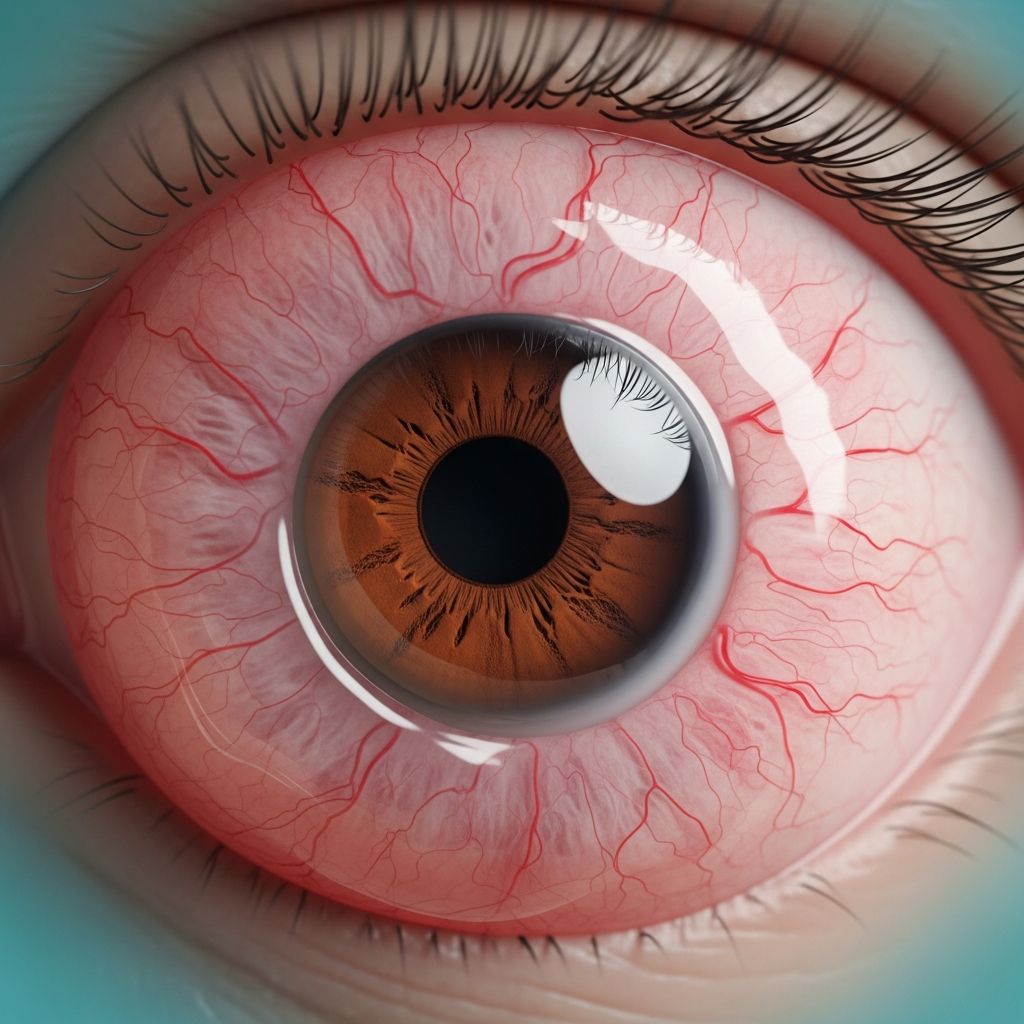
Chemosis, also known as conjunctival chemosis, is a blister-like swelling of the conjunctiva—the clear membrane that covers the white parts of your eyes and lines the inside of your eyelids. This condition occurs when your body’s natural inflammatory response causes additional fluid, blood cells, and immune cells to accumulate in the affected area, leading to noticeable swelling. While chemosis can be concerning when you first notice it, the good news is that it’s usually treatable and often not serious. However, it’s important to understand what causes it and when you need medical attention.
The conjunctiva is a delicate tissue that plays a crucial role in protecting your eye and maintaining its health. When something damages or irritates this membrane—whether through infection, allergic reaction, trauma, or other causes—your body initiates a protective response. This inflammatory process, while designed to help your eye heal, can manifest as the characteristic swelling known as chemosis.
Recognizing the Symptoms of Chemosis
Chemosis can sometimes be subtle and difficult to notice unless you examine your eye closely. The appearance and severity of symptoms can vary depending on the underlying cause and the extent of the swelling.
Visual Signs
Smaller areas of chemosis typically appear as a small, raised area or blister on the white of your eye. These areas often have a slight yellowish tinge to them. When chemosis affects the conjunctiva that lines the inside of your eyeball, it can make your eyelid appear puffy or swollen, even if the swelling isn’t directly visible on the eye’s surface. In severe cases, the swelling may be substantial enough to cause difficulty closing your eyes completely.
Associated Symptoms
Beyond the visible swelling, you may experience:
– Eye discomfort or mild pain- Foreign body sensation in the eye- Excessive tearing or discharge- Red or bloodshot appearance- Sensitivity to light- Difficulty with contact lens wear
Common Causes of Conjunctival Chemosis
Chemosis can develop for numerous reasons, and identifying the underlying cause is essential for determining the appropriate treatment. The causes range from temporary, self-limiting conditions to more serious systemic diseases.
Allergic Reactions
Allergies represent one of the most common triggers of conjunctival chemosis. Approximately 40% of the population in developed countries may experience allergic conjunctivitis, which can lead to chemosis. When your eyes react to allergens such as pollen, pet dander, dust, or mold spores, they become red and swollen. Typical allergy symptoms accompanying chemosis include runny or stuffy nose, intense itching, excessive tears, eye discharge, and the sensation of having something stuck in your eye. Allergic chemosis typically responds well to antihistamines and environmental management.
Infections
Both bacterial and viral infections can cause chemosis. Bacterial conjunctivitis, commonly known as pink eye, produces thick discharge and can be treated with antibiotics. Viral infections, though often self-limiting, can also cause significant swelling. More serious infections, including those affecting deeper eye structures, may require more aggressive treatment with topical and systemic antibiotics.
Eye Injuries and Trauma
Direct trauma to the eye or surrounding area can trigger inflammation and subsequent chemosis. Chemical exposures, scratches to the cornea, or blunt force injuries all initiate the body’s inflammatory cascade. Post-surgical chemosis is also common, occurring after eye surgery and ranging from mild to severe.
Related Stories



Thyroid Eye Disease (TED)
Graves’ disease causes the body to produce excessive thyroid hormone, leading to a condition known as thyroid eye disease. Individuals with TED must carefully control their thyroid levels, as this condition can cause multiple eye complications including bulging eyeballs, eyelids pulled away from the eyeballs, swollen eye muscles, pain with eye movement, and problems with the optic nerve. Chemosis is recognized as one of seven key signs used to evaluate TED severity. Managing TED requires careful attention to overall health, with smoking cessation being particularly important.
Conjunctival Cysts
Cysts on the conjunctiva can cause localized swelling and irritation. Treatment options range from simple aspiration, where ophthalmologists drain the fluid with a tiny needle, to more advanced techniques involving plasma therapy.
Other Causes
Additional causes of chemosis include blepharitis (eyelid inflammation), dry eye syndrome, subconjunctival hemorrhage, keratitis, contact lens complications, and systemic conditions affecting blood vessels or immune function.
Treatment Approaches for Chemosis
The treatment strategy for chemosis depends entirely on its underlying cause. Your healthcare provider will determine which approach best suits your specific situation.
Conservative Symptomatic Care
For mild chemosis, several simple measures can provide relief:
– Cold compresses applied to the affected eye reduce swelling and provide comfort- Artificial tears or lubricating drops soothe irritation- Keeping the head elevated while sleeping helps reduce periocular swelling- Reducing sodium intake in your diet may help minimize fluid accumulation- Wearing sunglasses protects sensitive eyes from light- Avoiding contact lenses temporarily allows the eye to heal
Medication-Based Treatments
Depending on the cause, various medications may be prescribed:
–
Antihistamines and allergy medications
: These target the underlying allergic response, addressing both the cause and symptoms of allergic chemosis.-Prescription steroid drops
: Topical corticosteroids reduce inflammation and are increasingly used early in treatment to prevent inflammatory cascades where one reaction triggers another.-Antibiotics
: Bacterial infections require topical antibiotics, often fluoroquinolones, or systemic antibiotics such as ceftriaxone in severe cases.-NSAIDs
: Nonsteroidal anti-inflammatory drugs can help manage inflammation and pain.-Antibiotic ointments
: Prescribed ointments protect against secondary infections.Specialized Treatments
For specific causes, specialized interventions may be necessary:
–
Cyst drainage or removal
: Simple aspiration with a needle often effectively treats conjunctival cysts, though they may recur. Plasma therapy offers an alternative approach.-Contact lens adjustments
: If artificial eye prostheses cause chemosis, refinishing or replacement may be required.-Eye patches and protective measures
: These protect the eye during healing, particularly after surgery.-Thyroid management
: For thyroid eye disease, lifestyle modifications and careful hormone level management are crucial.Timeline for Recovery
The duration of chemosis varies significantly depending on its cause and the effectiveness of treatment. There is no universal “quick fix” for chemosis other than treating the underlying condition. Your healthcare provider can provide specific timelines based on your diagnosis and help you understand what to expect during the healing process.
When to Seek Medical Attention
While mild chemosis often resolves on its own, certain situations warrant prompt medical evaluation:
– Chemosis accompanied by severe eye pain- Vision changes or blurred vision- Signs of infection (increased discharge, fever)- Chemosis following eye trauma- Inability to close your eye due to swelling- Symptoms that worsen despite home treatment- Chemosis lasting longer than a few days- Recurrent episodes of unexplained chemosis
Prevention Strategies
While many causes of chemosis occur unpredictably or for reasons beyond your control, several preventive measures can reduce your risk:
– Practice good eye hygiene, particularly if you wear contact lenses- Remove contact lenses if your eyes become irritated- Avoid touching your eyes with unwashed hands- Protect your eyes from environmental allergens when possible- Wear protective eyewear during activities with injury risk- Manage allergies effectively with prescribed medications- Maintain good general health and thyroid function if applicable- Follow post-surgical eye care instructions carefully- Use sunglasses in bright conditions- Keep your contact lenses and storage solutions clean
Understanding Specific Causes and Their Management
Allergic Chemosis
When allergies trigger chemosis, treatment targets both the cause and symptoms. Cold compresses and artificial tears provide immediate relief, while antihistamines address the underlying allergic response. Some doctors now use steroids earlier in treatment to interrupt the inflammatory cascade and prevent escalating reactions.
Post-Surgical Chemosis
Chemosis occurring after eye surgery is treated with drops, ointments, eye patches, and other protective measures. While most cases resolve, persistent chemosis may require additional surgical intervention.
Chemosis Related to Thyroid Disease
Individuals with thyroid eye disease require comprehensive management. Beyond chemosis treatment, they must control thyroid hormone levels, avoid smoking, practice excellent general health habits, and may benefit from wearing sunglasses and using dry eye treatments. Sleeping with the head elevated and reducing sodium intake also help manage swelling.
The Outlook for Conjunctival Chemosis
Conjunctival chemosis is often quite treatable, particularly when it results from mild or non-severe causes. Most common triggers—such as allergies, minor infections, and contact lens issues—respond well to standard treatments. Even when more serious underlying conditions like thyroid disease are responsible, chemosis itself can typically be managed effectively once the primary condition is addressed. The key is obtaining proper diagnosis and treatment promptly rather than waiting for the condition to resolve on its own.
Frequently Asked Questions
Q: Can chemosis cause permanent vision loss?
A: Chemosis itself typically does not cause permanent vision loss. However, if it results from a serious underlying condition like advanced keratitis or thyroid eye disease affecting the optic nerve, vision could be affected if left untreated. Prompt medical attention minimizes this risk.
Q: Is chemosis contagious?
A: Chemosis itself is not contagious, but if it’s caused by an infectious agent like bacterial conjunctivitis, that infection can spread to others. Practice good hygiene if chemosis results from infection.
Q: Can I wear contact lenses with chemosis?
A: It’s best to avoid contact lenses while experiencing chemosis, as they can irritate the swollen tissue and interfere with healing. Resume wearing lenses only after your eye care provider confirms the chemosis has resolved.
Q: Does chemosis require urgent emergency care?
A: While most chemosis cases don’t require emergency treatment, you should seek urgent care if you experience severe pain, significant vision changes, or chemosis following eye trauma.
Q: What’s the difference between chemosis and other eye swelling?
A: Chemosis specifically involves swelling of the conjunctiva (the clear membrane covering the white of the eye), creating a characteristic blister-like appearance. Other eye swelling might involve the eyelids, orbit, or other structures.
References
- Conjunctival Chemosis: What Causes It and How It Is Treated — WebMD. 2024. https://www.webmd.com/eye-health/what-is-conjunctival-chemosis
- Red Eye for the Internist: When to Treat, When to Refer — Cleveland Clinic Journal of Medicine, 75(2). 2008. https://www.ccjm.org/content/ccjom/75/2/137.full.pdf
- Chemosis: What It Is, Possible Causes & Treatment Options — Cleveland Clinic. 2024. https://my.clevelandclinic.org/health/symptoms/chemosis
- Pink Eye (Conjunctivitis): Symptoms, Treatment & Causes — Cleveland Clinic. 2024. https://my.clevelandclinic.org/health/diseases/pink-eye-conjunctivitis
- Conjunctival Cyst: Causes, Symptoms & Treatment — Cleveland Clinic. 2024. https://my.clevelandclinic.org/health/diseases/24509-conjunctival-cyst
- Keratitis: Types, Symptoms & Treatment — Cleveland Clinic. 2024. https://my.clevelandclinic.org/health/diseases/24500-keratitis
- Blepharitis (Eyelid Inflammation): Causes & Treatment — Cleveland Clinic. 2024. https://my.clevelandclinic.org/health/diseases/10032-blepharitis
Similar Articles








Read full bio of medha deb