Chemotherapy: Types, How It Works, And Side Effects
Understanding chemotherapy: How cancer drugs destroy cancer cells and prevent tumor growth.
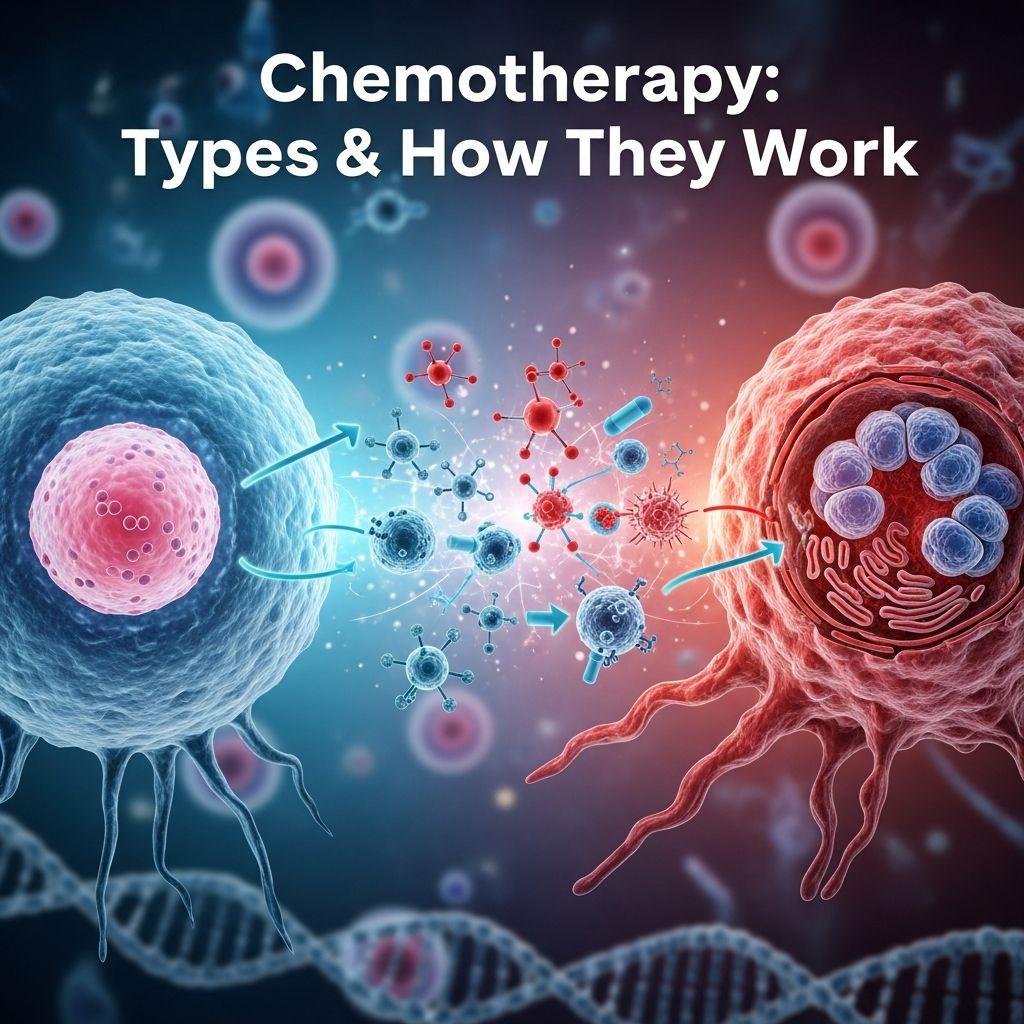
Chemotherapy: Types & How They Work
Chemotherapy is one of the most common and effective cancer treatments available today. This drug-based therapy works by destroying cancer cells and preventing tumor growth, often in combination with other cancer treatments such as radiation therapy, surgery, or immunotherapy. If you have been diagnosed with cancer, understanding how chemotherapy works and what to expect during treatment can help you feel more prepared and informed about your care journey.
What Is Chemotherapy?
Chemotherapy is a systemic cancer treatment that uses powerful drugs to kill cancer cells throughout your body. Cancer cells are unique because they grow and divide uncontrollably, multiplying much faster than normal cells in your body. Chemotherapy drugs are specifically designed to target these rapidly dividing cells and prevent them from multiplying further. A medical oncologist, a healthcare provider who specializes in chemotherapy and other cancer-fighting drugs, typically oversees your chemotherapy treatment plan.
The effectiveness of chemotherapy depends on several factors, including the type of cancer you have, the stage of your disease, whether the cancer has spread to other areas of your body, and your overall health status. While chemotherapy is an effective treatment for many cancers, not all patients and cancer types are suitable candidates. Your oncologist will carefully evaluate whether chemotherapy is the right approach for your specific situation.
How Chemotherapy Works
Chemotherapy drugs work by interfering with the cancer cell cycle, disrupting the process that allows cancer cells to divide and multiply. These medications damage cancer cells at various stages of division, either by damaging the part of the cell that controls division or by interrupting the division process itself. When multiple chemotherapy drugs are used in combination, they attack cancer cells at different stages, making the treatment more effective at destroying a larger number of cancer cells.
Because cancer cells divide much more rapidly than normal cells, chemotherapy drugs are more likely to damage cancer cells than healthy cells. However, because chemotherapy is a systemic treatment that travels throughout your entire body via the bloodstream, it can also affect other fast-growing cells in your body, which explains why certain side effects occur during treatment.
Uses of Chemotherapy in Cancer Treatment
Your oncologist may use chemotherapy in several different ways depending on your cancer diagnosis and treatment goals:
– As a primary treatment: Chemotherapy may be used alone to completely eliminate your cancer- Before surgery or radiation: Chemotherapy may be given to shrink a tumor ahead of surgery or radiotherapy- After other treatments: Chemotherapy may be administered after surgery or radiation to kill any remaining cancer cells that couldn’t be removed during the procedure- For symptom relief: Palliative chemotherapy can help ease symptoms by killing cancer cells and improving quality of life- For advanced cancer: Chemotherapy is one of the most common and effective treatments for cancer that has spread (metastasized), returned (recurred), or is likely to come back
Types of Chemotherapy Delivery
Systemic Chemotherapy
Most chemotherapy is systemic, meaning the chemotherapy drug travels throughout your entire body through the bloodstream. This approach allows the medication to reach cancer cells almost anywhere in your body. Systemic chemotherapy is particularly effective for cancers that have spread to multiple areas or for treating cancer that is likely to spread.
Regional Chemotherapy
Some cancers don’t respond well to systemic chemotherapy. In these cases, your oncologist might recommend regional chemotherapy, which delivers medication directly to a specific area of your body where cancer cells are present. This targeted approach reduces the impact on healthy cells throughout your body while concentrating the drug where it’s needed most.
Related Stories



How Chemotherapy Is Administered
The most common way to give chemotherapy is intravenously, through an IV (intravenous line). Chemotherapy can go directly into a vein through several different methods:
– Peripheral IV: A needle inserted directly into a vein in your arm- Central line or catheter: A thin tube placed in a larger vein, typically in your chest- Port: A small device placed under your skin that allows easy access to a vein for multiple treatments
Catheters and ports are particularly helpful if you need multiple rounds of chemotherapy because they avoid the need for constant needle sticks in your arm. Your oncologist may also use catheters and ports to deliver other medications, including antibiotics or antiemetics (medications to prevent nausea and vomiting).
In addition to intravenous administration, chemotherapy can be given as:
– Injections- Tablets or capsules taken by mouth- Direct injection into body cavities or arteries supplying a tumor
Chemotherapy Treatment Schedule
The length and frequency of chemotherapy treatment varies depending on the specific drugs you’re receiving, the type of cancer being treated, and how well your body tolerates the medication. Understanding your treatment schedule helps you plan your life around appointments and recovery periods.
Treatment Duration
A single chemotherapy treatment session can take anywhere from a few minutes to several hours. Some patients receive a continuous infusion, which can last several days. A continuous infusion might start at the hospital or infusion center and continue at home with portable equipment.
Treatment Cycles
Most people need multiple rounds of chemotherapy. A typical treatment cycle involves several days or weeks of treatment followed by a recovery period with no chemotherapy. This on-off pattern gives your body time to recover from the effects of the medication while allowing the drugs to work against cancer cells. After the recovery period, you may receive another chemotherapy round following the same pattern.
Your treatment frequency may involve:
– Daily treatments- Weekly treatments- Monthly treatments- Treatment schedules tailored to your specific cancer type and response
Treatment Location
Chemotherapy treatments are typically outpatient procedures, meaning you can go home the same day. You may receive treatment at:
– Your doctor’s office- A hospital infusion center- Your home (for some oral medications or continuous infusions)
Side Effects of Chemotherapy
While chemotherapy is effective at killing cancer cells, it can also damage other cells in your body, potentially causing side effects. Chemotherapy drugs target all fast-growing cells, not just cancer cells. Blood cells and the cells in your skin, hair follicles, and digestive tract are examples of cells that grow and multiply quickly, making them vulnerable to chemotherapy damage.
Common side effects of chemotherapy include:
– Fatigue and weakness- Hair loss- Nausea and vomiting- Loss of appetite- Low blood cell counts, leading to increased infection risk or anemia- Mouth sores- Skin irritation- Diarrhea or constipation
The specific side effects you experience depend on the type of chemotherapy drugs used, the dosage, your overall health, and your individual sensitivity to the medication. Some side effects appear immediately, while others may develop over time. Many side effects can be managed with medications and supportive care strategies.
Effectiveness and Outcomes
Your outlook with chemotherapy depends on various factors, including your overall health, the type of cancer you have, its stage, and the treatments you’re receiving. Your treatment goals also influence outcomes. You may receive chemotherapy as the first-line treatment to completely eliminate your cancer, to shrink a tumor before surgery, to kill cancer cells that couldn’t be removed during surgery, or to ease symptoms and improve quality of life.
Current cancer treatments are helping people live longer, fuller lives. Chemotherapy is often combined with other treatment modalities to maximize effectiveness and improve survival rates.
Frequently Asked Questions
Q: Is chemotherapy painful?
A: The chemotherapy infusion itself is not typically painful, though you may feel a slight pinch when the IV is inserted. However, chemotherapy can cause various side effects that may cause discomfort. Your healthcare team can help manage these symptoms with medications and supportive care.
Q: Can I work during chemotherapy?
A: Many people continue working during chemotherapy, though this depends on the type of chemotherapy, your job requirements, and how you tolerate treatment. Some patients work part-time or take leave during active treatment periods. Discuss your work situation with your oncology team to develop a plan that works for you.
Q: How long does chemotherapy take to work?
A: The timeframe for seeing results varies depending on your cancer type, the chemotherapy drugs used, and your individual response. Some patients see tumor shrinkage within weeks, while others may require several months of treatment before significant changes are observed. Your oncologist will monitor your progress with imaging and blood tests.
Q: Will I lose my hair during chemotherapy?
A: Hair loss depends on the specific chemotherapy drugs used. Some drugs cause significant hair loss, while others may cause minimal hair thinning. If hair loss occurs, it is usually temporary, and hair typically regrows after treatment ends. Your oncology team can discuss what to expect with your specific treatment plan.
Q: Can I receive chemotherapy at home?
A: Some oral chemotherapy medications and certain continuous infusions can be administered at home. However, initial treatments and some drug combinations require administration in a medical facility where your healthcare team can monitor you closely. Your oncologist will determine the appropriate setting for your chemotherapy.
Q: What should I do to prepare for chemotherapy?
A: Before starting chemotherapy, discuss the risks and benefits with your healthcare provider. Inform them about all medications and supplements you take, maintain good nutrition and hydration, arrange transportation if needed, and prepare your home for recovery periods. Your oncology团队 will provide specific preparation instructions based on your treatment plan.
References
- Chemotherapy: Types & How They Work — Cleveland Clinic. 2024. https://my.clevelandclinic.org/health/treatments/16859-chemotherapy
- Chemotherapy Drugs: Types, How They Work & Side Effects — Cleveland Clinic. 2024. https://my.clevelandclinic.org/health/treatments/24323-chemotherapy-drugs
- Cancer Treatment: Types, Options & What To Expect — Cleveland Clinic. 2024. https://my.clevelandclinic.org/health/treatments/cancer-treatment
- Treatments — Cleveland Clinic Abu Dhabi. 2024. https://www.clevelandclinicabudhabi.ae/en/cancercenter/treatments
- Chemotherapy Side Effects: Types & Management — Cleveland Clinic. 2024. https://my.clevelandclinic.org/health/articles/10257-chemotherapy-side-effects
- How Cancer Stage Impacts Treatment — Cleveland Clinic. 2024. https://my.clevelandclinic.org/watch/cancer-stage-and-treatment
Similar Articles








Read full bio of medha deb