Cherry Angioma: Causes, Symptoms, and Treatment
Understanding cherry angiomas: benign vascular lesions and treatment options.
Cherry Angioma: Overview
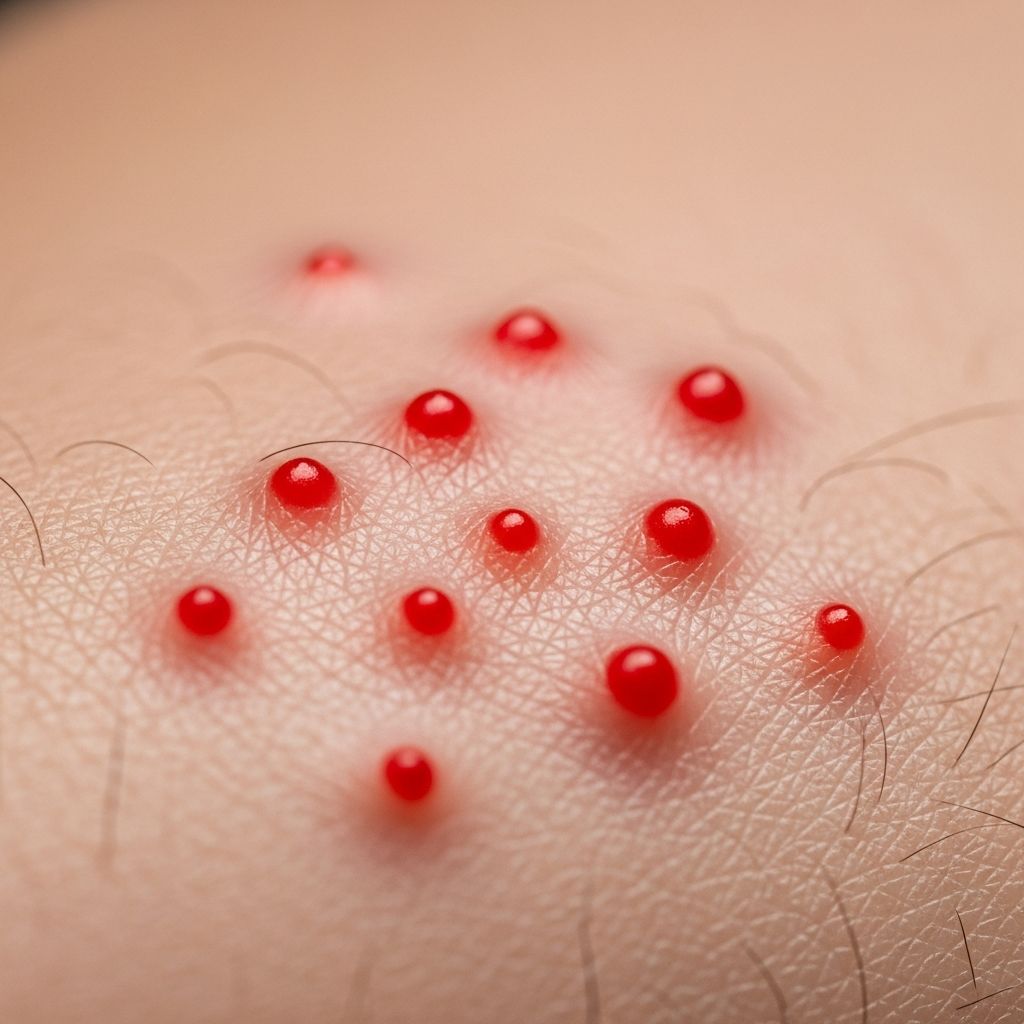
Cherry angiomas, also known as Campbell de Morgan spots or cherry hemangiomas, are among the most common acquired vascular proliferations of the skin. These benign skin lesions are characterized by small, dome-shaped papules with a distinctive bright red to dark purple coloration. Unlike many skin conditions, cherry angiomas are noncancerous and typically do not pose a health risk, though their appearance or tendency to bleed may prompt patients to seek removal for cosmetic or practical reasons. This comprehensive guide explores the definition, causes, clinical features, diagnosis, and management options for cherry angiomas.
What Are Cherry Angiomas?
Cherry angiomas are benign vascular skin lesions composed of clustered blood vessels. They are true capillary hemangiomas located in the dermal papillae, consisting of newly formed capillaries with narrow lumens lined by prominent endothelial cells arranged in a lobular pattern. The name “cherry angioma” derives from their characteristic appearance, resembling a small cherry on the skin surface. These lesions typically measure between 1 to 5 millimeters in diameter and often have a polypoid (stalk-like) structure with an epidermal collarette.
Cherry angiomas are found predominantly in older adults, with frequency increasing substantially with age. Although they can appear anywhere on the body, they most commonly develop on the torso, arms, legs, and shoulders. Notably, they can occur on both sun-exposed and unexposed skin but typically spare mucous membranes.
Clinical Presentation and Appearance
Characteristic Features
Cherry angiomas present with distinct clinical characteristics that make them recognizable to healthcare providers and patients alike.
| Characteristic | Description |
|---|---|
| Size | 1–5 mm in diameter |
| Colour | Bright red to dark purple, occasionally blue |
| Texture | Smooth, dome-shaped papule |
| Shape | Circular or oval |
| Sensation | Painless unless irritated or traumatized |
| Common Sites | Torso, arms, legs, shoulders |
Cherry angiomas typically begin as small, flat, bright red spots (macules) before evolving into slightly raised papules. The color variation—from bright ruby-red to dark purple or even blue—occurs regardless of skin tone, though they may be more noticeable on lighter skin. Physical examination reveals a well-demarcated, dome-shaped papule with a pale halo surrounding the lesion.
Development and Progression
These lesions are usually asymptomatic and cause no discomfort in their normal state. However, they can bleed if scratched, rubbed, or cut open, particularly when located in areas prone to frequent trauma. The bleeding typically responds well to direct pressure and usually resolves without intervention.
Pathophysiology and Histopathology
Cause and Development
Cherry angiomas mostly appear with advancing age. Although they have been found to have associations with some malignancies, they develop in mostly healthy individuals without underlying systemic disease. The exact etiology remains incompletely understood, but age-related changes in vascular structure and endothelial function likely contribute to their development.
Microscopic Structure
Histologic examination reveals important structural features of cherry angiomas. These lesions are located immediately under the epidermis in the papillary dermis and have a distinct structure from surrounding tissues. The overlying epidermis is typically atrophic in established lesions, characterized by loss of rete ridges. Within the superficial dermis, the tumor is composed of dilated interconnecting capillaries organized in a lobular pattern.
Related Stories



The capillaries forming cherry angiomas display perivascular hyalinized sheaths, which show marked staining for type VI collagen on immunohistochemical examination. Collagen fibers between blood vessels appear homogenous with edematous changes. Additionally, immunohistochemical staining demonstrates normal expression and distribution of alpha-smooth-muscle actin and type IV collagen on the capillaries, distinguishing them from other vascular lesions.
Diagnosis
Cherry angiomas are diagnosed clinically by appearance, making them relatively straightforward to identify in most cases. The combination of size, color, shape, and location typically provides sufficient information for clinical diagnosis without additional testing.
Physical examination demonstrates a well-demarcated, dome-shaped, bright ruby-colored papule with a pale halo, which is highly characteristic of cherry angiomas. The lesion’s appearance, particularly in older adults, is usually diagnostic.
However, if there is any concern for malignancy or if the lesion presents atypical features that raise suspicion for skin cancer, the lesion must be excised and sent for histopathologic examination. This conservative approach ensures that any potentially malignant lesions are not missed. Biopsy or excision should be considered if the lesion is atypical or melanoma cannot be excluded clinically.
Differential Diagnosis
While cherry angiomas are usually distinctive, several other skin lesions may appear similar and should be considered in the differential diagnosis. Pyogenic granulomas, though histologically different, may occasionally resemble cherry angiomas clinically. Other vascular lesions such as port-wine stains or hemangiomas require differentiation based on clinical presentation and, if necessary, histopathologic findings. Red papules from other causes, including dermatologic conditions like papules from infections or inflammatory disorders, should also be excluded based on clinical context and additional features.
Management and Treatment Options
Observation and Conservative Management
Most cherry angiomas require no treatment, and reassurance is the standard initial approach. Since these lesions are benign and typically asymptomatic, observation with safety-net advice is appropriate for the majority of patients. Patients should be educated about the benign nature of the lesions and advised to report any changes in appearance, size, or bleeding patterns.
Bleeding Control
When a cherry angioma bleeds due to trauma, direct pressure typically controls bleeding effectively. For persistent or recurrent bleeding, urgent clinic evaluation or cautery may be indicated to prevent ongoing complications in lesions located in areas prone to repeated trauma.
Removal Techniques
Patients may choose to remove cherry angiomas for cosmetic reasons or to prevent bleeding from lesions in frequently traumatized locations. Multiple effective removal methods are available, each with distinct advantages and considerations.
Electrocauterization
Electrocauterization, also called electrodesiccation, uses an electric current delivered by a tiny probe to remove smaller angiomas. A grounding pad is placed on the patient’s body to ground the rest of the body from electrical surge. Treatment for smaller lesions typically includes local anesthesia with 1% lidocaine followed by electrocauterization. This method is quick and effective for smaller angiomas.
Shave Excision
For larger angiomas, shave excision is often preferred. This procedure involves performing a shave biopsy to remove the angioma from the top portion of the skin, with electrocauterization afterward to control bleeding at the base. While effective, this method carries a potential risk of scarring and infection.
Cryotherapy
Cryotherapy involves freezing the angioma with liquid nitrogen, causing the tissue to die and fall off. This method may require multiple treatment sessions depending on lesion size and response to treatment. Cryosurgery is a well-established technique with good efficacy and minimal risk of scarring.
Laser Therapy
Laser therapy is particularly effective for cherry angiomas and targets blood vessels without damaging surrounding skin. Several laser types can be used effectively:
- Pulsed dye laser (PDL): Preferred by many patients due to decreased procedure-related pain
- Intense pulsed light (IPL) laser
- Potassium-titanyl-phosphate (KTP) laser
- Neodymium-doped yttrium aluminum garnet (Nd:YAG) laser
- CO2 laser therapy for superficial lesions
Depending on the number of angiomas present, patients may require between one and three treatment sessions. Laser therapy typically results in mild redness during recovery, with scarring rarely occurring.
Curettage
Curettage with or without cautery is another removal option available to dermatologists, particularly for accessible lesions.
Sclerotherapy
Sclerotherapy is employed in some specialized centers as an alternative removal technique for cherry angiomas.
Treatment Outcomes and Considerations
| Treatment Method | Best For | Recovery Time | Potential Side Effects |
|---|---|---|---|
| Electrocauterization | Small angiomas | 1-2 weeks | Minimal scarring |
| Shave Excision | Larger angiomas | 2-3 weeks | Potential scarring, infection risk |
| Cryotherapy | Multiple or small lesions | 1-2 weeks | Mild redness, hypopigmentation risk |
| Laser Therapy | Multiple angiomas, sensitive areas | 1-2 weeks | Mild redness, rarely scarring |
Cosmetic procedures may cause slight bruising, which typically resolves within days to weeks. Scarring is possible but uncommon with most methods. Patients with darker skin tones may experience pigmentation changes with certain methods, particularly cryotherapy, necessitating careful technique selection. Professional treatment ensures proper technique and reduces risks of scarring or infection.
Referral and Management Pathways
Routine dermatology referral is appropriate for patients seeking cosmetic removal of cherry angiomas. Urgent referral should be considered for suspicious lesions, following local 2-week cancer pathways if melanoma is suspected. This conservative approach ensures that any potentially malignant lesions receive appropriate expedited evaluation.
When to Seek Medical Evaluation
While cherry angiomas are benign, certain situations warrant medical evaluation. Patients should seek healthcare provider assessment if:
- A lesion exhibits sudden rapid growth or change in appearance
- The lesion begins to bleed frequently or persistently without minor trauma
- Multiple new lesions appear suddenly in a short timeframe
- The patient has a personal or family history of skin cancer
- The lesion exhibits features atypical for cherry angioma (irregular borders, varied coloration, asymmetry)
- The lesion is located in a site prone to repeated trauma and bleeding
Frequently Asked Questions
Q: Are cherry angiomas cancerous?
A: No, cherry angiomas are benign (noncancerous) skin lesions and are not associated with cancer risk. However, if a lesion exhibits atypical features or if melanoma cannot be excluded clinically, biopsy is recommended.
Q: Why do cherry angiomas develop?
A: Cherry angiomas are age-related vascular proliferations that increase in frequency with advancing age. The exact cause is not fully understood, but they develop in mostly healthy individuals without underlying systemic disease.
Q: Can cherry angiomas be prevented?
A: Since cherry angiomas are primarily age-related, they cannot be prevented. However, avoiding trauma to existing lesions may help prevent bleeding complications.
Q: Do cherry angiomas require treatment?
A: Most cherry angiomas do not require treatment. Treatment is pursued for cosmetic reasons or to prevent bleeding from lesions in frequently traumatized areas.
Q: Will cherry angiomas return after removal?
A: Once removed, the treated cherry angioma typically does not recur. However, new cherry angiomas may develop over time as part of the normal aging process.
Q: Is there pain associated with cherry angioma removal?
A: Local anesthesia is used during removal procedures, making them relatively pain-free. Pulsed dye laser treatment is reported to cause decreased procedure-related pain compared to other methods.
Q: Can cherry angiomas appear on any part of the body?
A: Cherry angiomas can appear on most body surfaces, though they most commonly develop on the torso, arms, legs, and shoulders. They typically spare mucous membranes.
Conclusion
Cherry angiomas are common, benign vascular skin lesions that increase in prevalence with age. Their characteristic appearance—dome-shaped, bright red to purple papules typically measuring 1 to 5 millimeters—makes them readily identifiable clinically. While these lesions are harmless and require no treatment in most cases, removal options are available for patients seeking cosmetic improvement or to prevent bleeding from lesions in traumatized areas. Multiple effective techniques including electrocauterization, cryotherapy, laser therapy, and shave excision provide dermatologists with versatile tools for treatment. Understanding the benign nature of cherry angiomas, recognizing their clinical features, and identifying appropriate management pathways ensures optimal patient outcomes and satisfaction.
References
- Cherry Angiomas — PLAB-2 blog — TuringMedSchool. 2024. https://www.turingmedschool.com/post/cherry-angiomas-plab-2-blog
- Cherry Angioma Pathology — DermNet. 2024. https://dermnetnz.org/topics/cherry-angioma-pathology
- Sudden Appearance of Cherry Angioma: Causes & When to See a Doctor — Aventus Clinic. 2024. https://aventusclinic.com/sudden-appearance-many-cherry-angiomas/
- What is a Cherry Angioma: Causes, Treatment, and Removal — Healthline. 2024. https://www.healthline.com/health/cherry-angioma
- Cherry Hemangioma — StatPearls, National Center for Biotechnology Information (NCBI). 2025. https://www.ncbi.nlm.nih.gov/books/NBK563207/
- What Are Cherry Angiomas? A Comprehensive Guide to Red Skin Spots — Rupa Health. 2024. https://www.rupahealth.com/post/what-are-cherry-angiomas-a-comprehensive-guide-to-red-skin-spots
Similar Articles








Read full bio of medha deb