Chest Infections: Essential Guide To Symptoms And Care
Understand symptoms, treatments, and prevention strategies for chest infections to recover faster and avoid complications.
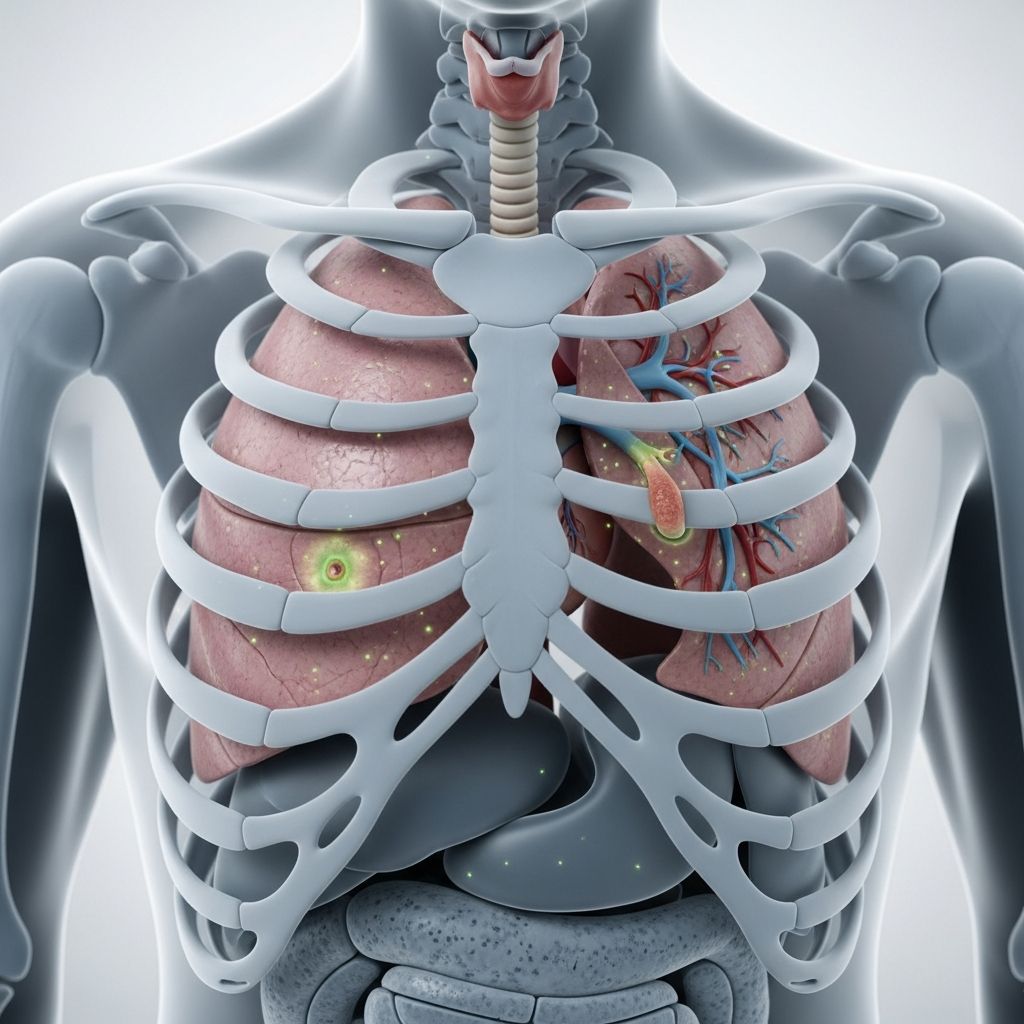
Chest infections affect the lungs and airways, causing discomfort and breathing difficulties. Most resolve with rest and home care, but some require medical attention.
Recognizing Chest Infections
These infections target the lower respiratory system, including bronchi and lung tissue. Common forms include acute bronchitis, which inflames airways, and pneumonia, which fills lung air sacs with fluid. They often start after a viral upper respiratory illness like a cold.
Common Signs and Indicators
Symptoms typically emerge suddenly and peak early. Key indicators include:
- Persistent chesty cough producing yellow or green phlegm
- Shortness of breath or wheezing
- Chest tightness or pain, worsening with deep breaths
- Fever above 38°C (100.4°F)
- Headaches, muscle soreness, and profound fatigue
- Rapid heartbeat in severe cases
These signs usually improve in 7-10 days, though coughing may persist for three weeks. Children and elderly individuals might show subtler symptoms like irritability or confusion.
Root Causes of Chest Infections
Over 90% stem from viruses such as rhinovirus or influenza, which self-limit without antibiotics. Bacterial causes, like Streptococcus pneumoniae, affect about 10% of cases, particularly in pneumonia.
Inhalation of infected droplets from coughs or sneezes spreads viruses and bacteria. Contaminated surfaces touched then followed by face contact also transmits them. Risk escalates with smoking, weakened immunity, chronic lung conditions, or recent flu.
| Type | Primary Cause | Duration | Treatment Needs |
|---|---|---|---|
| Viral Bronchitis | Viruses (e.g., flu) | 1-3 weeks | Symptom relief |
| Bacterial Pneumonia | Bacteria (e.g., pneumococcus) | 1-2 weeks with meds | Antibiotics |
Self-Care Strategies for Recovery
Home management suffices for mild cases. Focus on supporting the body’s defenses.
- Rest extensively: Conserve energy for immune response.
- Hydrate abundantly: Fluids thin mucus for easier expulsion.
- Elevate sleep position: Extra pillows aid drainage and breathing.
- Manage fever and pain: Paracetamol or ibuprofen reduces temperature and aches.
- Soothe throat: Warm honey-lemon drinks ease irritation.
- Humidify air: Steam from showers or humidifiers loosens phlegm.
- Expectoration aids: Choose expectorants over suppressants to clear airways.
Avoid smoking and irritants; they prolong recovery.
Professional Medical Interventions
Consult a doctor if symptoms persist beyond 7-10 days or intensify. Diagnosis involves listening to lungs with a stethoscope, possibly chest X-rays, blood tests, or sputum analysis.
Treatment hinges on etiology:
- Viral: Supportive care; antivirals rare, only for flu or COVID-19.
- Bacterial: Antibiotics like amoxicillin; complete the course to prevent resistance.
Hospitalization occurs for severe pneumonia with oxygen needs or dehydration.
When to Seek Urgent Care
Act immediately for danger signs:
- Breathing distress or blue lips
- Fever over 38°C lasting over 48 hours in vulnerable groups
- Bloody phlegm or worsening cough
- Confusion, especially in over-65s
- Chest pain mimicking heart issues
Related Stories



High-risk groups—infants, elderly, those with COPD or diabetes—warrant prompt evaluation.
Preventive Measures and Protection
Halve risk through simple habits.
- Vaccinate against flu, pneumococcus, and COVID-19.
- Wash hands frequently; use sanitizer.
- Avoid close contact with sick people.
- Quit smoking; evade secondhand smoke.
- Maintain fitness and balanced diet for immunity.
Chest Infections in Special Populations
Children experience frequent bronchitis post-viral colds; watch for rapid breathing. Elderly face higher pneumonia hospitalization risks; early intervention key. Pregnant individuals or immunocompromised need swift care to avert complications.
Potential Complications and Long-Term Effects
Untreated bacterial infections can lead to abscesses or sepsis. Recurrent episodes signal underlying issues like asthma. Post-viral fatigue lingers weeks in some.
FAQs on Chest Infections
Do antibiotics cure all chest infections?
No, they target bacteria only; viral cases resolve naturally.
How long does recovery take?
Most improve in 1-2 weeks; cough up to 3 weeks.
Can I exercise with a chest infection?
Rest until fever subsides; light activity then.
Is a chest infection contagious?
Yes, especially first few days; isolate if possible.
What home remedy works best for cough?
Hydration and honey-lemon outperform many OTC options.
References
- Chest infection – NHS — NHS. 2023. https://www.nhs.uk/conditions/chest-infection/
- Private Chest Infection Treatment — Respiratory London. 2024. https://respiratorylondon.co.uk/private-chest-infection-treatment/
- Do I have a Chest Infection? Doctor explains symptoms — YouTube (Doctor). 2023-10-15. https://www.youtube.com/watch?v=gM9LVBUZzvg
- Chest infections: Symptoms, treatments, and home remedies — Medical News Today. 2023-11-20. https://www.medicalnewstoday.com/articles/326060
- Chest Cold (Acute Bronchitis) Basics — CDC. 2024. https://www.cdc.gov/acute-bronchitis/about/index.html
- Chest infection — symptoms and treatment — Healthdirect (Australian Government). 2024. https://www.healthdirect.gov.au/chest-infection
- Pneumonia: Causes, Symptoms, Diagnosis & Treatment — Cleveland Clinic. 2024-01-10. https://my.clevelandclinic.org/health/diseases/4471-pneumonia
Similar Articles








Read full bio of medha deb