Chest Pain: Causes, Symptoms, and When to Seek Help
Understand chest pain: from heart attacks to GERD, learn causes, symptoms, and urgent action steps for timely care.
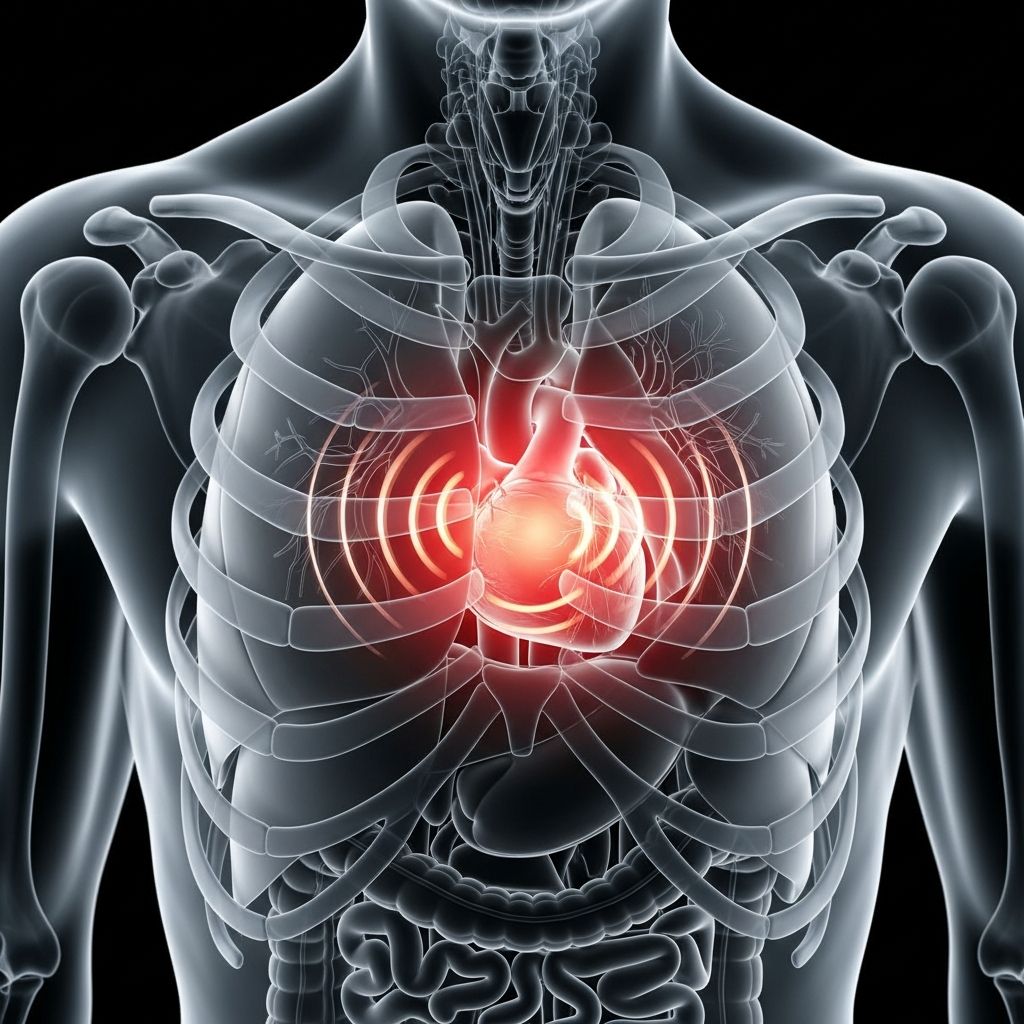
Chest pain is a common symptom that sends millions to emergency rooms annually, often sparking fear of a heart attack. While it can indicate serious cardiac issues like acute coronary syndrome (ACS), most cases stem from non-heart-related causes such as acid reflux or muscle strain. Understanding the distinction is crucial for prompt, appropriate action.
What Does Chest Pain Feel Like?
Chest pain varies widely in sensation, location, and triggers. Cardiac chest pain, often linked to ACS or heart attacks, typically feels like pressure, tightness, squeezing, or heaviness in the center or left side of the chest. It may radiate to the arm, jaw, back, or neck and lasts minutes to hours.
Noncardiac pain might mimic these sensations but often ties to specific triggers. For instance, GERD causes burning pain rising from the stomach, worsened by meals or lying down. Musculoskeletal pain feels sharp and localized, aggravated by movement or touch. Anxiety-related discomfort involves tightness with rapid heartbeat or hyperventilation.
- Common descriptors: Pressure, burning, sharpness, aching, or stabbing.
- Duration: Cardiac pain persists or recurs; brief pain (seconds) is less concerning.
- Radiation: To arms, jaw, or back suggests cardiac origin.
Cardiac Causes of Chest Pain
Heart-related chest pain demands immediate attention. Acute coronary syndrome (ACS), encompassing heart attacks and unstable angina, arises from blocked coronary arteries reducing blood flow to the heart.
Symptoms include left or middle chest pain, radiation to the back, exertion-triggered pain relieved by rest, and onset as a first-time experience. A study of chest pain patients found 50% had ACS, with key predictors: pain in left/middle chest, back radiation, exertional nature, and persistence.
Other cardiac causes:
- Angina: Temporary reduced blood flow, often exercise-induced.
- Pericarditis: Inflammation of heart lining, worsened by breathing or lying down.
- Aortic dissection: Rare tear in aorta wall, causing tearing pain.
| Feature | ACS Chest Pain | Typical Duration |
|---|---|---|
| Location | Left/middle chest | Minutes to hours |
| Radiation | Back, arms, jaw | Persistent |
| Triggers | Activity, relieved by rest | Not food/position |
This table summarizes ACS predictors from research, aiding early detection.
Non-Cardiac Causes of Chest Pain
Over half of chest pain ER visits are noncardiac. Gastrointestinal issues top the list, with GERD causing “heartburn” referred to the chest due to esophageal irritation.
Musculoskeletal strain from workouts, coughing, or poor posture leads to sharp, reproducible pain. Pulmonary issues like pneumonia, pleurisy, or embolism cause breathing-aggravated pain. Panic attacks mimic cardiac symptoms with tightness and palpitations.
- GERD/Heartburn: Burning, post-meal, antacid-responsive.
- Muscle strain: Localized, movement-worsened.
- Anxiety/Panic: Tightness with stress, deep breathing relieves.
- Lung problems: Pleurisy (sharp with breath), embolism (sudden dyspnea).
- Costochondritis: Rib cartilage inflammation, tender to touch.
Related Stories



Chest Pain in Women vs. Men
ACS symptoms differ by gender. Men often report classic central pressure; women may experience subtler signs like nausea, fatigue, back/jaw pain, or shortness of breath. Studies show women have longer pre-hospital delays due to misinterpreting atypical symptoms.
Research identifies similar predictors across genders: left/middle pain, back radiation, exertional relief. However, women report more non-exertional pain, heightening misdiagnosis risk. Awareness campaigns emphasize these nuances.
When to Go to the ER for Chest Pain
Err on caution: seek emergency care for new/severe central/left chest pain, especially with risk factors (age >60, hypertension, diabetes, smoking).
Red flags:
- Pressure lasting >5 minutes, unrelieved by rest/antacids.
- Radiating pain, shortness of breath, nausea, sweating, dizziness.
- Sudden worsening or first-time severe pain.
Non-urgent if brief, positional, or responsive to OTC remedies—but consult a doctor. EKGs and blood tests confirm cardiac involvement.
Diagnosis of Chest Pain
Evaluation starts with history: pain characteristics, triggers, risk factors. ECG detects ischemia; troponin tests for heart damage. For noncardiac, endoscopy (GERD), imaging (lungs), or stress tests follow.
Focused questions rule out ACS effectively: location (left/middle), radiation (back), provocation (exertion/rest), triggers (food/breathing).
Treatment for Chest Pain
Treatment targets the cause.
Cardiac: Aspirin, nitroglycerin, angioplasty for ACS. Lifestyle changes, statins, beta-blockers prevent recurrence.
Noncardiac:
- GERD: PPIs (omeprazole), diet changes, elevate head of bed.
- Musculoskeletal: NSAIDs, rest, physical therapy.
- Anxiety: Therapy, breathing exercises, SSRIs.
- Pulmonary: Antibiotics (pneumonia), anticoagulants (embolism).
Prevention of Chest Pain
Reduce cardiac risk: exercise, healthy diet, no smoking, manage BP/cholesterol/diabetes. For GERD, avoid triggers (spicy foods, alcohol). Stress management prevents anxiety flares.
Public education on ACS symptoms cuts delays. Digital tools like symptom checkers promote awareness.
Frequently Asked Questions (FAQs)
What if chest pain goes away quickly?
Brief pain ( Yes, panic attacks cause tightness and palpitations, but lack radiation/sweating. ER rules out cardiac if unsure. No, >50% of cases are noncardiac like GERD or strain. If suspecting heart attack and no allergies, chew 325mg aspirin while calling 911. GERD: burning, meal-related, antacid-helped. Heart: pressure, exertional, with dyspnea.Can anxiety cause chest pain like a heart attack?
Does chest pain always mean heart problems?
Should I take aspirin for chest pain?
How to tell GERD from heart pain?
References
Similar Articles


Read full bio of medha deb