Chest Pain: What It Feels Like, Causes & Treatment
Learn what chest pain feels like, its causes, and when to seek medical help immediately.
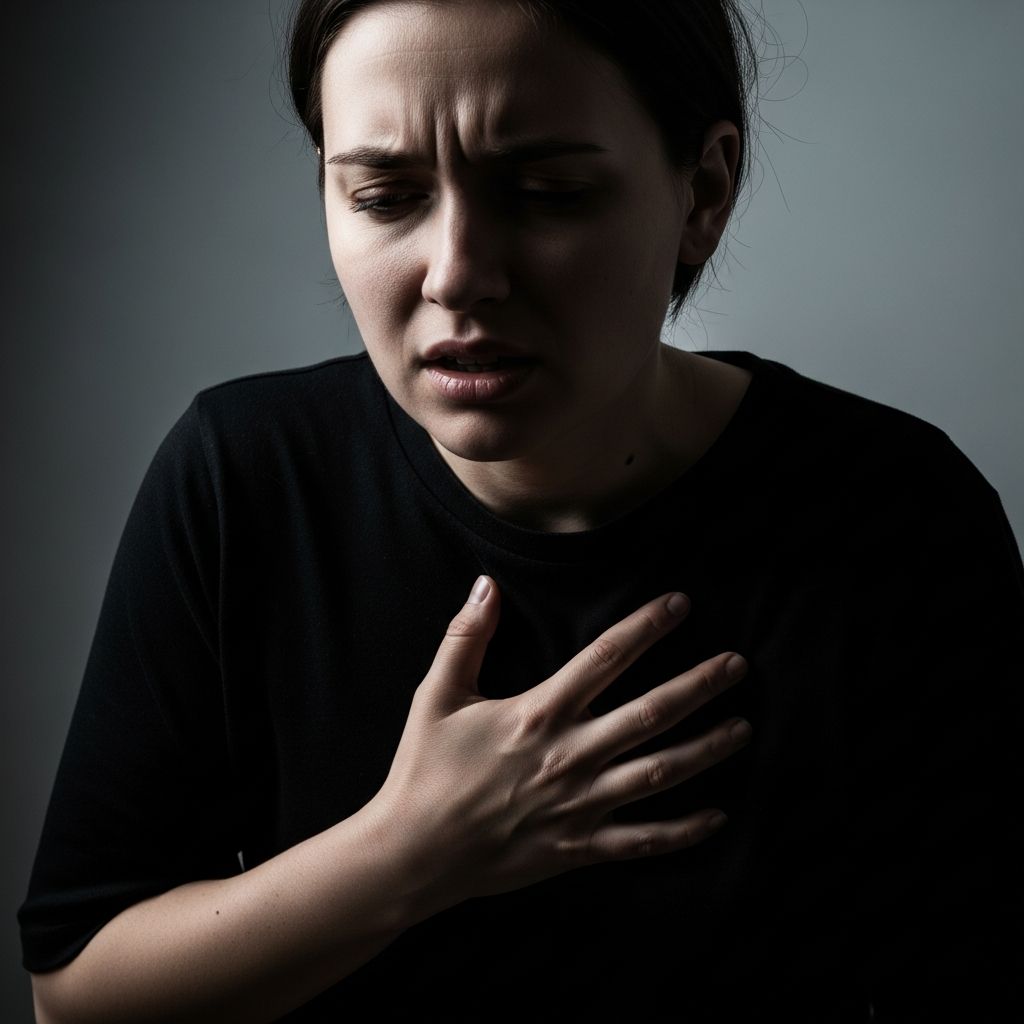
Chest pain is a pain or discomfort in any area of your chest that may spread to other areas of your upper body, including down your arms or into your neck or jaw. It’s one of the most common symptoms that brings people to emergency departments and primary healthcare providers. However, not all chest pain is related to your heart. Healthcare providers see many people with chest pain, and determining the underlying cause is critical for proper diagnosis and treatment. Chest pains can be sharp or dull, presenting as tightness, achiness, or a sensation that something is crushing or squeezing your chest.
What Does Heart-Related Chest Pain Feel Like?
Chest pain symptoms related to your heart have distinctive characteristics that help healthcare providers identify cardiac causes. Understanding these sensations can be important for recognizing when you need emergency care.
Heart-related chest pain typically feels like:
- Pressure in your chest
- Squeezing sensations
- Crushing feelings
- Tearing sensations
- Fullness or heaviness
According to cardiologists, heart attack-related chest pain often brings an unrelenting sensation of pressure, heaviness, or tightness to your chest. Many patients describe it as feeling like “an elephant” is sitting on top of them. This sensation is often described as coming from inside your chest, as if “a balloon inside your chest is expanding — not something coming from the outside in.” The pain can come and go slightly, but it will be persistent and have a crescendo pattern to it, often presenting as an unrelenting intense pressure or heaviness rather than a distinct pain.
You may also experience accompanying symptoms such as:
- Shortness of breath
- Sweating
- Nausea or vomiting
- Palpitations or irregular heartbeat
- Dizziness or weakness
- Pain radiating to your arms, neck, jaw, or throat
A key characteristic of heart attack-related chest pain is that it typically lasts five minutes or more and doesn’t improve with common remedies. People experiencing a heart attack typically cannot find a position that relieves the pain, nor do they find relief by taking a drink of water, popping antacids, or taking deep breaths.
Understanding the Causes of Chest Pain
Chest pain can originate from various sources within your body. Healthcare providers typically start by looking for life-threatening causes first, as chest pains are difficult to diagnose due to their many potential origins. The causes can be categorized into cardiac and non-cardiac sources.
Cardiac Causes of Chest Pain
Angina and Coronary Artery Disease: Ischemic chest discomfort, or angina, typically results from impaired blood flow to an area of heart muscle due to a blockage in a coronary artery, a condition known as coronary artery disease (CAD). When a blockage occurs, the area of heart muscle downstream from the obstruction doesn’t receive adequate oxygen and nutrients to function normally, causing nerve endings to signal the problem to the brain. This sensation is often described as tightness, squeezing, burning, aching, or pressure. Angina is typically located in the chest but can radiate to the arms, back, neck, or throat. This type of chest discomfort typically worsens with exertion or emotional stress and improves with rest or prescribed nitroglycerin.
Related Stories



Other Cardiac Conditions: Non-ischemic cardiac chest discomfort can originate from several other heart-related conditions, including:
- Pericarditis (inflammation of the thin sac surrounding the heart)
- Aortic aneurysm (weakness in the aortic wall)
- Mitral valve prolapse (irregular valve function)
- Arrhythmias (irregular heartbeats)
Pericarditis, most commonly caused by a viral inflammatory process, presents with a very severe, sharp, localized chest discomfort that worsens when lying back, taking deep breaths, or coughing. Interestingly, sitting up and leaning forward often provide relief.
Non-Cardiac Causes of Chest Pain
Gastroesophageal Reflux Disease (GERD): GERD, or chronic heartburn, is the most common cause of chest pain overall. Your esophagus and heart are located close together, making it difficult to distinguish between heartburn and heart-related chest pain. With heartburn, the chest pain typically feels like a burning sensation and may be accompanied by a sour feeling in the throat. An estimated 15 million Americans experience heartburn daily. This type of chest pain often improves when you take antacids or move around a bit.
Lung-Related Issues: Piercing pain in your chest that worsens when you move around or take deep breaths is unlikely to be a heart attack but could indicate lung-related issues such as pneumonia, pulmonary embolism, or pleurisy. While these conditions aren’t heart attacks, they’re concerning enough to warrant a call to a healthcare provider or emergency room visit if symptoms persist or worsen.
Musculoskeletal Issues: Chest pain can also originate from injury or soreness of your muscles and bones, particularly in the chest wall area. These types of pain are often localized and may worsen with specific movements or pressure on the affected area.
Distinguishing Between Heartburn and Heart Attack
Because heartburn and heart attacks can both cause chest pain, it’s crucial to understand the differences between these conditions. If you aren’t sure whether the pain in your chest is coming from your esophagus or your heart, focusing on any other physical sensations you’re experiencing should help you better distinguish between the two.
Symptoms suggesting a heart attack include:
- Chest pain that is sudden and persistent
- Pain not pinpointed to one location
- Accompanied by shortness of breath, sweating, or nausea
- Pain that doesn’t respond to antacids or rest
- Radiating pain to arms, neck, jaw, or back
Common signs pointing to heartburn include:
- Burning sensation in the chest
- Pain that improves with antacids
- Pain that improves as you move around
- Associated sour taste in the throat
- Pain that resolves relatively quickly
One critical difference is that a heart attack won’t stop when you take medicine, including aspirin. When you have a heart attack, one of the coronary arteries providing blood to your heart is fully or partially blocked, obstructing blood and oxygen flow. There’s nothing in your medicine cabinet that will resolve this blockage. Your symptoms will continue until that blockage is cleared by medical professionals.
Atypical Chest Pain
Atypical chest pain is chest discomfort that doesn’t meet the criteria for typical or classic chest pain. Atypical chest pain has many causes and is the top symptom of people who visit emergency departments or their primary healthcare providers. For approximately 66% of patients with atypical chest pain, their heart isn’t the cause of their pain.
Atypical chest pain may include characteristics such as:
- Chest pain that only has some features of typical chest pain
- Pain lasting longer than typical episodes
- Pain with unusual characteristics or locations
- Discomfort associated with anxiety or stress
Risk factors for atypical chest pain include anxiety disorders, depression, esophageal disorders, musculoskeletal conditions, and various other non-cardiac medical conditions.
When to Seek Medical Attention
You should seek medical attention for chest pain in case it’s a heart attack or another life-threatening problem. If you think you’re having a heart attack, call your local emergency number immediately.
Seek immediate emergency care if:
- You experience sudden, persistent chest pressure or tightness
- Pain lasts longer than a few minutes and doesn’t improve with rest
- You have chest pain accompanied by shortness of breath, sweating, nausea, or weakness
- Pain radiates to your arms, neck, jaw, back, or throat
- You have risk factors for heart disease (smoking, diabetes, high blood pressure, high cholesterol, family history of heart disease)
- The chest pain feels like pressure, squeezing, crushing, or heaviness
If you have sudden, sharp, momentary chest discomfort lasting fewer than a couple of minutes, it could result from various non-serious causes. However, if any chest pressure lingers and can’t be explained, don’t ignore it.
Chest Pain and Risk Factors
Certain risk factors increase the likelihood that new, significant chest discomfort is related to your heart. If you have been smoking long-term, have diabetes, high blood pressure, high cholesterol, or a prominent family history of heart disease, these all increase the odds that chest discomfort is cardiac-related. The early symptoms of heart attack can differ from person to person. Some people experience no symptoms, others experience crushing chest pain, and still others may feel only arm, throat, or jaw discomfort. However, the discomfort is usually unrelenting and typically lasts five minutes or more.
Treatment Options for Chest Pain
Treatment for chest pain depends entirely on the underlying cause. If your healthcare provider has ruled out a serious cause, you can treat chest pain at home with antacids, inhalers, or anti-inflammatory medications. However, treatment must be tailored to the specific condition causing your chest pain.
For cardiac chest pain, treatment typically involves medications and procedures to restore blood flow to the affected area of the heart. For GERD-related chest pain, antacids and lifestyle modifications provide relief. For musculoskeletal chest pain, rest and anti-inflammatory medications are often effective.
Frequently Asked Questions About Chest Pain
What’s the difference between cardiac and non-cardiac chest pain?
Cardiac chest pain typically presents as pressure, squeezing, crushing, or heaviness that may radiate to the arms, neck, or jaw, lasts longer than a few minutes, and doesn’t respond to antacids or rest. Non-cardiac chest pain may be sharp, localized, improve with movement or antacids, and may have specific triggers like eating or deep breathing.
Can anxiety cause chest pain?
Yes, anxiety can cause chest pain, which is often classified as atypical chest pain. Anxiety-related chest pain may present differently from cardiac chest pain and is often associated with other anxiety symptoms.
Is all chest pain an emergency?
Not all chest pain is an emergency, but you should always seek medical evaluation. Only a healthcare provider can determine whether your chest pain is serious. When in doubt, it’s better to err on the side of caution and seek medical attention.
How is chest pain diagnosed?
Healthcare providers typically start by taking a detailed history, performing a physical examination, and ordering tests such as electrocardiograms (EKGs), blood tests, chest X-rays, or stress tests to determine the cause of chest pain.
Can chest pain on the left side indicate a heart problem?
Left-side chest pain can be a symptom of an issue with your lungs, heart, muscles and bones, or digestive system. However, chest pain on the left side of your chest can come from issues with your heart, blood vessels, lungs, digestive system, or other areas. Heart-related issues often involve problems with getting blood where it needs to go, with blockages in blood vessels or weaknesses in their walls being common reasons for chest pain on your left side.
Key Takeaways
Chest pain is a common symptom with many potential causes, ranging from life-threatening cardiac conditions to benign digestive or musculoskeletal issues. While not all chest pain indicates a serious problem, it deserves your attention and medical evaluation. Understanding what your chest pain feels like, its characteristics, and accompanying symptoms can help you and your healthcare provider identify the underlying cause. If you experience sudden, persistent chest pressure or pain that doesn’t improve with rest or common remedies, seek immediate medical attention. Remember that early recognition and treatment of serious chest pain conditions can be lifesaving.
References
- Chest Discomfort: When is Stress Testing Necessary? — Cleveland Clinic Abu Dhabi. 2024. https://www.clevelandclinicabudhabi.ae/en/health-hub/health-resource/diseases-and-conditions/chest-discomfort
- Is That Pain in Your Chest Heartburn or a Heart Attack? — Cleveland Clinic. 2024. https://health.clevelandclinic.org/is-that-pain-in-your-chest-heartburn-or-a-heart-attack
- 3 Signs Your Chest Pain Isn’t a Heart Attack — Cleveland Clinic. 2024. https://health.clevelandclinic.org/3-types-of-chest-pain-that-wont-kill-you
- What Can Cause Chest Pain on the Left Side? — Cleveland Clinic. 2024. https://my.clevelandclinic.org/health/symptoms/25119-left-side-chest-pain
- Atypical Chest Pain: Symptoms & Causes — Cleveland Clinic. 2024. https://my.clevelandclinic.org/health/symptoms/24935-atypical-chest-pain
- Chest Pain: What It Feels Like, Causes & Treatment — Cleveland Clinic. 2024. https://my.clevelandclinic.org/health/symptoms/21209-chest-pain
- When To Worry About Chest Pain — Cleveland Clinic. 2024. https://health.clevelandclinic.org/how-to-tell-if-your-chest-pain-might-be-serious
Similar Articles








Read full bio of medha deb