Chest Pain: Heart Attack or Something Else?
Learn to distinguish between heart attack symptoms and other causes of chest pain.
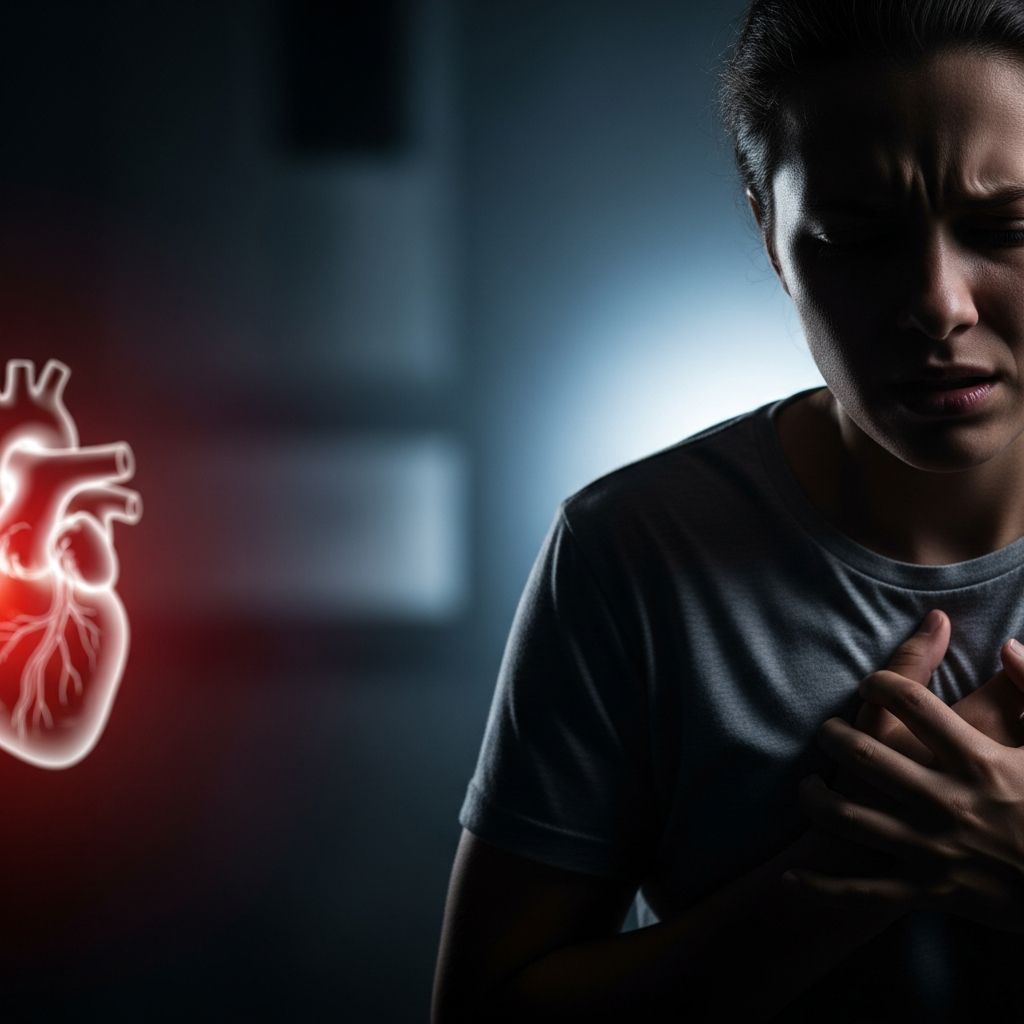
Chest Pain: A Heart Attack or Something Else?
Chest pain is one of the most common reasons adults visit the emergency department in the United States, accounting for millions of visits annually. However, despite the significant prevalence of cardiovascular disease, more than half of these chest pain cases have noncardiac causes—meaning they are not related to a heart condition. Understanding the difference between cardiac and noncardiac chest pain can help you determine when to seek emergency care and when to address the underlying cause through other means.
While chest pain should never be ignored, knowing what to look for can help you make informed decisions about your health. This guide will help you understand the various causes of chest pain, how to differentiate between heart-related and other types of chest discomfort, and what steps you should take when experiencing chest pain.
Understanding Heart Attack Symptoms
A heart attack occurs when blood flow to the heart muscle is blocked, typically by a blood clot in a coronary artery. Recognizing the warning signs of a heart attack is critical for getting prompt medical attention, which can be life-saving.
Classic Heart Attack Symptoms
The most common symptom of a heart attack is discomfort in the center of the chest that lasts more than a few minutes, or that goes away and comes back. This discomfort can feel like uncomfortable pressure, squeezing, fullness, or pain. Many people describe it as feeling like an elephant sitting on their chest.
However, not all heart attack symptoms are limited to the chest. Discomfort can spread to other areas of the upper body, including:
- One or both arms
- The back
- The neck
- The jaw
- The stomach
Additional warning signs of a heart attack may include shortness of breath, with or without chest discomfort, breaking out in a cold sweat, nausea, and lightheadedness. Some people may feel unusually fatigued or experience general feelings of unwellness without identifying a specific symptom.
Atypical Heart Attack Presentations
It is important to note that not every person experiences the classic “elephant-on-your-chest” feeling during a heart attack. Women, elderly individuals, and people with diabetes are more likely to experience atypical symptoms. Sometimes, nausea, shortness of breath, or feelings of indigestion are the most prominent symptoms. Many patients report feeling cold and clammy or simply knowing that something is wrong without being able to articulate why.
Common Noncardiac Causes of Chest Pain
While chest pain can be alarming, many cases are caused by conditions unrelated to the heart. Understanding these common causes can help you better assess your symptoms.
Gastroesophageal Reflux Disease (GERD)
One of the most common causes of noncardiac chest pain is gastroesophageal reflux disease, commonly known as GERD or acid reflux. When stomach acid backs up into the esophagus, it causes heartburn, a sensation of burning discomfort in the chest. Because the body sometimes refers pain from the stomach or esophagus to the center of the chest, this condition can mimic cardiac chest pain.
GERD-related chest pain is often triggered by specific foods, especially those that are spicy, fatty, or acidic. Consuming large meals, alcohol, or excessive caffeine can also cause heartburn. A distinguishing feature of GERD-related chest pain is that it often worsens when you lie down and may improve with antacids.
Musculoskeletal Chest Pain
Pain can originate from the muscles and joints in the chest wall, often resulting from physical strain or injury. A particularly strenuous workout or heavy lifting can lead to muscle strain in the chest area. Similarly, prolonged coughing from a respiratory illness can strain the chest muscles and cause discomfort.
Some individuals with abnormal curvature of the spine may also experience chest discomfort. This type of pain typically improves with muscle relaxants, warm compresses, or rest and may be reproducible when pressing on specific areas of the chest wall.
Anxiety and Panic Disorders
Emotional stress and anxiety are very common causes of chest tightness and discomfort. During a panic attack, individuals may experience a racing or pounding heart, often accompanied by chest tightness or pressure and difficulty breathing. The physical symptoms of anxiety can be so convincing that people may genuinely believe they are experiencing a heart attack.
Anxiety-related chest pain typically improves with relaxation techniques, deep breathing exercises, or stress management strategies. However, it is important to rule out cardiac causes before attributing chest pain solely to anxiety.
Other Potential Causes
Additional conditions that can cause chest pain include:
- Pericarditis: Inflammation of the lining around the heart, which causes chest pain that worsens with deep breaths or lying down
- Pulmonary embolism: A blood clot in the lung that causes shortness of breath, elevated heart rate, and chest pain that worsens with deep breathing
- Pneumonia or pleurisy: Infections or inflammation of the lungs that cause chest pain, especially when breathing or coughing
- Costochondritis: Inflammation of the cartilage connecting ribs to the breastbone
Differentiating Between Cardiac and Noncardiac Chest Pain
Determining whether chest pain is cardiac or noncardiac can be challenging, and medical professionals cannot always be certain without conducting diagnostic tests such as an electrocardiogram (EKG) or blood tests. However, several factors can help guide your assessment.
Risk Factors for Heart Disease
Physicians are more concerned about chest pain in patients who have risk factors for heart disease, including:
- High blood pressure
- Diabetes
- Kidney disease
- Age over 60
- Family history of heart disease
- High cholesterol
- Smoking
- Obesity
If you have any of these risk factors and experience chest pain, it is especially important to seek medical evaluation.
Characteristics of Cardiac Chest Pain
Classically, heart-related pain is located in the center or left side of the chest and may radiate down the left arm or into the jaw or back. Heart attack pain typically lasts more than a few minutes and is often accompanied by associated symptoms such as shortness of breath, nausea, sweating, or a cold and clammy feeling.
People experiencing a heart attack often describe a sense of profound unwellness or foreboding, even if they cannot pinpoint a specific symptom. The pain may feel crushing, heavy, or like intense pressure rather than a sharp, stabbing sensation.
Characteristics of Noncardiac Chest Pain
Noncardiac chest pain often has distinguishing features that differentiate it from cardiac causes. Pain that is very brief, lasting only seconds or minutes and resolving completely without associated symptoms like shortness of breath or nausea, is less likely to be heart-related. Similarly, chest discomfort that improves with antacids, muscle relaxants, warm compresses, or relaxation and deep breathing is typically noncardiac in origin.
Noncardiac chest pain may be reproducible—meaning you can trigger it by pressing on certain chest wall areas or moving your arm in specific ways. The pain location may be sharp or localized to a small area rather than widespread across the chest.
When Should You Seek Emergency Care?
When experiencing chest pain, erring on the side of caution is always the safest approach. You should go to the emergency department if you experience any of the following:
- New or severe chest pain that feels crushing or like intense pressure
- Chest pain accompanied by shortness of breath, nausea, or sweating
- Pain radiating to the left arm, jaw, neck, or back
- A cold and clammy feeling along with chest discomfort
- Chest pain so severe that you feel you cannot function
- Chest pain that feels different from any pain you have experienced before
- Chest pain with difficulty speaking or facial drooping (signs of stroke)
- Any chest pain with sudden loss of consciousness or severe dizziness
If you are uncertain whether your chest pain warrants emergency care, it is always better to seek medical evaluation. Emergency room physicians can perform diagnostic tests to determine the cause of your symptoms and provide appropriate treatment.
Diagnosis of Chest Pain
When you present to the emergency department with chest pain, medical professionals will use several diagnostic tools to determine the cause:
Electrocardiogram (EKG)
An EKG records the electrical activity of your heart and can reveal signs of a heart attack or other cardiac abnormalities. This test is typically performed within minutes of arrival at the emergency department.
Blood Tests
Cardiac biomarkers, such as troponin, are proteins released when heart muscle is damaged. Blood tests can detect these markers and help confirm whether a heart attack has occurred.
Imaging Studies
Chest X-rays, CT scans, or ultrasound may be used to evaluate the lungs, heart, and other chest structures to identify noncardiac causes of pain, such as pneumonia or pulmonary embolism.
Risk Stratification
Medical professionals will assess your individual risk factors for heart disease to help determine the likelihood that your chest pain is cardiac in origin and to guide further testing and treatment decisions.
Treatment Approaches for Noncardiac Chest Pain
Treatment for noncardiac chest pain depends on the underlying cause. Common treatment approaches include:
GERD-Related Chest Pain
If your chest pain is caused by acid reflux, treatment may include over-the-counter or prescription antacids, avoiding trigger foods, eating smaller meals, and elevating the head of your bed when sleeping.
Musculoskeletal Chest Pain
Muscle-related chest pain typically improves with rest, over-the-counter pain relievers, muscle relaxants, heat therapy, and physical therapy or gentle stretching exercises.
Anxiety-Related Chest Pain
Treatment for anxiety-related chest pain may include cognitive behavioral therapy, relaxation techniques, meditation, regular exercise, and in some cases, anti-anxiety medications prescribed by a healthcare provider.
Other Conditions
Treatment varies depending on the specific condition. Pericarditis may be treated with anti-inflammatory medications, while pulmonary embolism requires anticoagulation therapy. Infections like pneumonia may require antibiotics.
Frequently Asked Questions
Q: Can anxiety cause chest pain that feels like a heart attack?
A: Yes, anxiety and panic attacks can cause chest pain, chest tightness, and a racing heart that closely mimics heart attack symptoms. However, if you are experiencing chest pain for the first time or if the pain is severe, you should still seek medical evaluation to rule out cardiac causes.
Q: Is chest pain on the right side less likely to be a heart attack?
A: While classic heart attack pain is typically on the left side or center of the chest, some individuals do experience right-sided chest pain during a heart attack. Any new or severe chest pain should be evaluated by a medical professional.
Q: Can GERD cause chest pain that lasts for hours?
A: Yes, GERD-related chest pain can last for extended periods, particularly after large meals or when lying down. If antacids provide relief, this suggests an acid reflux cause, but persistent chest pain should still be evaluated medically.
Q: What should I do if I think I’m having a heart attack?
A: Call emergency services (911 in the United States) immediately. Do not drive yourself to the hospital. Chew aspirin if it is not contraindicated for you, and try to stay calm while waiting for emergency services to arrive.
Q: How can I reduce my risk of heart disease and heart attacks?
A: Reduce your risk by maintaining a healthy weight, exercising regularly, eating a heart-healthy diet, managing stress, not smoking, limiting alcohol consumption, and managing chronic conditions like high blood pressure and diabetes. Regular check-ups with your healthcare provider are also important.
Conclusion
While chest pain can be frightening, understanding the various causes and knowing when to seek emergency care can help you respond appropriately to your symptoms. Although more than half of emergency department visits for chest pain are noncardiac in origin, you should never ignore chest pain or assume it is not serious without medical evaluation. If you experience new, severe, or persistent chest pain—especially if accompanied by other symptoms like shortness of breath, nausea, or sweating—seek immediate emergency medical care. When in doubt, it is always better to err on the side of caution and have your symptoms professionally evaluated.
References
- Heart Attack, Stroke and Cardiac Arrest Symptoms — American Heart Association. 2024. https://www.heart.org/en/about-us/heart-attack-and-stroke-symptoms
- When Chest Pain Isn’t a Heart Attack — Michigan Medicine, University of Michigan Health. 2024. https://www.michiganmedicine.org/health-lab/when-chest-pain-isnt-heart-attack
- Chest Pain Overview — National Heart, Lung, and Blood Institute (NHLBI). 2023. https://www.nhlbi.nih.gov
Similar Articles







Read full bio of Sneha Tete