Chest Pressure: Symptoms, Causes & When to Seek Help
Understanding chest pressure: Recognize symptoms, causes, and when to seek urgent medical care.
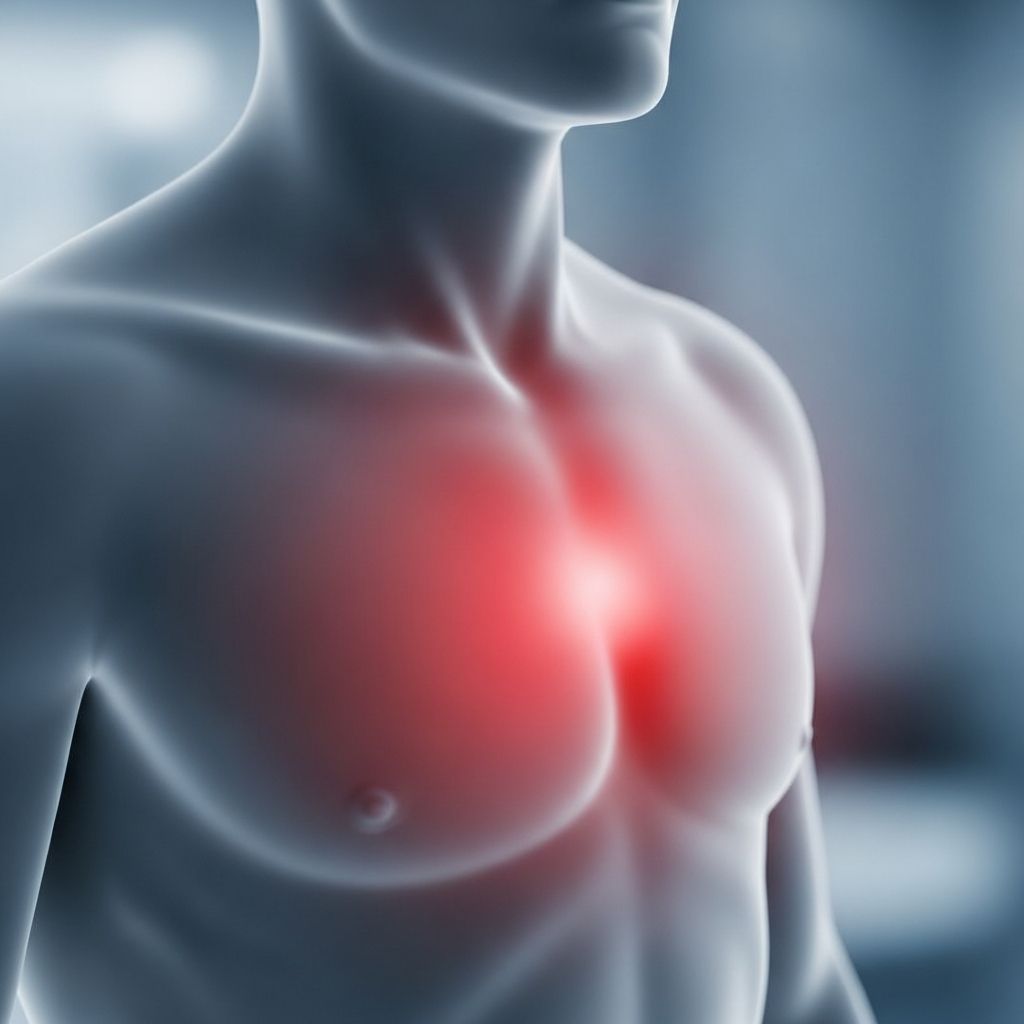
What Is Chest Pressure?
Chest pressure is a non-specific symptom that can signal anything from a life-threatening heart attack to a harmless condition. It is often described as a feeling of tightness, squeezing, heaviness, or fullness in the chest. Because chest pressure can be a warning sign of serious medical problems, it should never be ignored or self-diagnosed.
How Does Chest Pressure Feel?
People experience chest pressure in different ways. Common descriptions include:
- A sensation of tightness or squeezing in the chest
- Feeling as if something heavy is sitting on the chest
- A burning or aching feeling
- Fullness or pressure that spreads to other areas
Some individuals may also describe it as a crushing or stabbing sensation. The exact feeling can help healthcare providers narrow down the possible causes.
Common Causes of Chest Pressure
Chest pressure can arise from a variety of causes, both cardiac and non-cardiac. Understanding these causes is essential for proper diagnosis and treatment.
Cardiac Causes
Chest pressure is often associated with heart-related problems. The most common cardiac causes include:
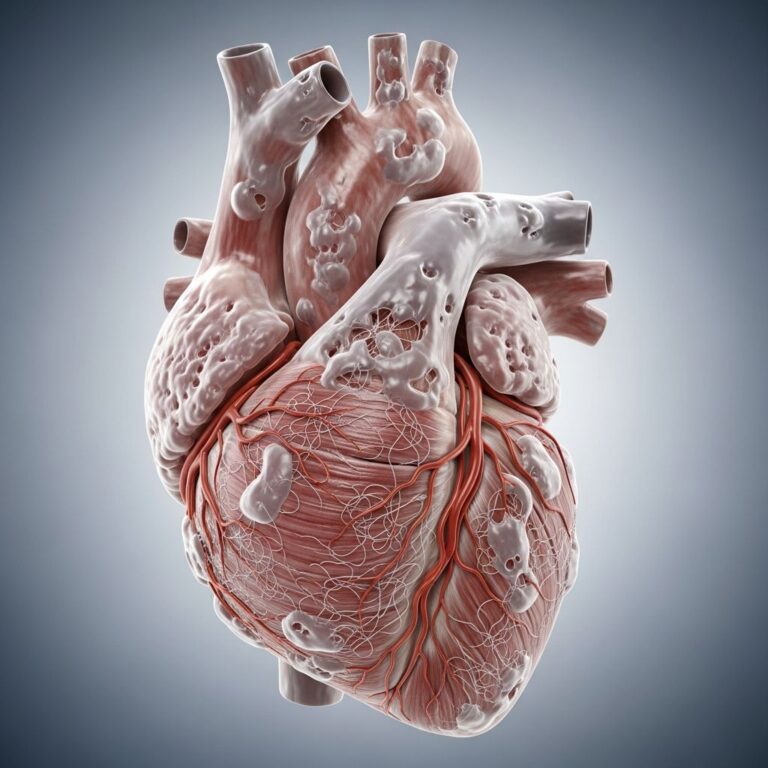
- Heart Attack (Myocardial Infarction): A heart attack occurs when blood flow to part of the heart muscle is blocked. Chest pressure is a classic symptom, often accompanied by pain that radiates to the neck, jaw, arms, or back.
- Angina: Angina is chest pain or pressure caused by reduced blood flow to the heart muscle. It is usually triggered by physical exertion or emotional stress and improves with rest or nitroglycerin.
- Pericarditis: Inflammation of the sac surrounding the heart can cause sharp, localized chest pressure that worsens with deep breathing or lying down.
- Aortic Aneurysm: A bulge in the aorta can cause sudden, severe chest pressure, especially if it ruptures.
- Mitral Valve Prolapse: This condition can cause chest pressure that is not typical of heart attacks and may persist for long periods.
- Arrhythmias: Abnormal heart rhythms can cause chest pressure, often described as a pounding or heaviness.
Non-Cardiac Causes
Many non-cardiac conditions can also cause chest pressure. These include:
- Gastroesophageal Reflux Disease (GERD): Acid reflux can cause a burning sensation in the chest, often mistaken for heart-related pain.
- Muscle Strain: Overuse or injury to chest muscles can cause localized pressure or pain.
- Pleurisy: Inflammation of the lining around the lungs can cause sharp chest pressure, especially with deep breathing.
- Anxiety and Panic Attacks: These can cause chest pressure that mimics heart attack symptoms.
- Lung Issues: Conditions like pneumonia or pulmonary embolism can cause chest pressure.
- Gallbladder Problems: Gallstones or inflammation can sometimes be felt as chest pressure.
When Is Chest Pressure a Medical Emergency?
Chest pressure can be a sign of a life-threatening condition. Seek immediate medical attention if:
- The pressure is severe, persistent, or worsening
- The pain radiates to the neck, jaw, arms, or back
- You experience shortness of breath, sweating, nausea, or dizziness
- The pressure lasts more than a few minutes
- You have risk factors for heart disease (e.g., smoking, diabetes, high blood pressure)
Even if you are unsure, it is better to err on the side of caution and seek medical help.
Diagnosis and Evaluation
A thorough medical history and physical examination are the first steps in evaluating chest pressure. Your doctor may ask about:
Related Stories



- The nature and location of the pressure
- Triggers or relieving factors
- Associated symptoms
- Medical history and risk factors
Diagnostic tests may include:
- Electrocardiogram (EKG): To check for heart rhythm abnormalities or signs of a heart attack.
- Chest X-ray: To look for lung or heart problems.
- Blood Tests: To check for markers of heart damage.
- Stress Test: To evaluate heart function during physical activity.
- Cardiac Catheterization: To visualize the coronary arteries if heart disease is suspected.
Treatment Options
Treatment depends on the underlying cause of chest pressure. Options may include:
- Medications: For heart conditions, acid reflux, or anxiety.
- Lifestyle Changes: Such as quitting smoking, improving diet, and increasing physical activity.
- Procedures: For severe heart disease or other conditions.
- Psychological Support: For anxiety or panic attacks.
Prevention
Reducing the risk of chest pressure involves managing underlying health conditions and adopting a healthy lifestyle. Key steps include:
- Regular exercise
- Healthy diet
- Quitting smoking
- Managing stress
- Regular medical check-ups
Frequently Asked Questions (FAQs)
Can chest pressure be harmless?
Yes, chest pressure can be caused by non-serious conditions like muscle strain or acid reflux. However, it should always be evaluated by a healthcare provider to rule out serious causes.
When should I go to the emergency room for chest pressure?
Go to the emergency room if the pressure is severe, persistent, or accompanied by symptoms like shortness of breath, sweating, nausea, or dizziness.
Can anxiety cause chest pressure?
Yes, anxiety and panic attacks can cause chest pressure that feels similar to heart-related pain.
What tests are used to diagnose chest pressure?
Common tests include EKG, chest X-ray, blood tests, stress tests, and cardiac catheterization.
Can chest pressure be a sign of a heart attack?
Yes, chest pressure is a common symptom of a heart attack, especially if it is severe, persistent, or radiates to other areas.
References
References
- Chest Pressure: Symptoms, Causes and Treatment — Cleveland Clinic. 2023. https://my.clevelandclinic.org/health/symptoms/22935-chest-pressure
- When To Worry About Chest Pain — Health Cleveland Clinic. 2023. https://health.clevelandclinic.org/how-to-tell-if-your-chest-pain-might-be-serious
- Chest Pain: What It Feels Like, Causes & Treatment — Cleveland Clinic. 2023. https://my.clevelandclinic.org/health/symptoms/21209-chest-pain
Similar Articles








Read full bio of medha deb