Chest Ultrasound: Purpose, Procedure, and Benefits
Comprehensive guide to chest ultrasound imaging: procedure, preparation, and diagnostic benefits.
What is a Chest Ultrasound?
A chest ultrasound is a safe, painless imaging test that uses high-frequency sound waves to create detailed images of the structures and organs within your chest cavity. Unlike X-rays and CT scans that use radiation, ultrasound relies entirely on sound waves, making it an excellent choice for patients who need imaging without radiation exposure. The test evaluates the heart, blood vessels, lungs, and pleural space—the area surrounding your lungs—providing valuable diagnostic information for various medical conditions.
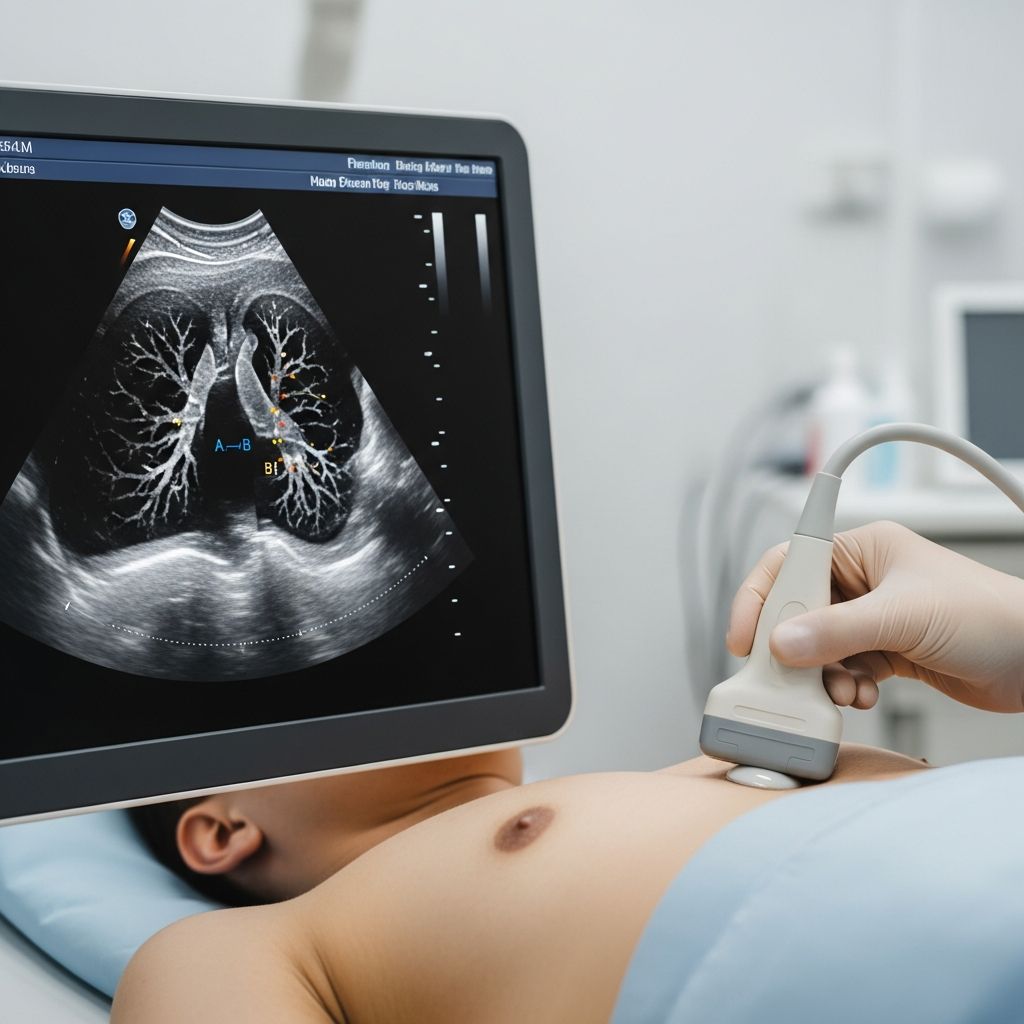
The technology behind chest ultrasound is both simple and effective. A handheld device called a transducer sends sound waves into the body, which bounce off internal structures and return to create real-time images displayed on a monitor. This technology allows healthcare providers to visualize and assess cardiac abnormalities, detect fluid accumulation, identify lung pathology, and diagnose conditions that might otherwise require more invasive procedures.
Understanding How Chest Ultrasound Works
The chest ultrasound procedure operates on the principle of sound wave reflection. During the examination, a technologist applies a water-based gel to your skin, which helps transmit the sound waves effectively. The transducer is then moved across your chest with gentle pressure to capture images from different angles and positions.
The transducer both transmits sound waves and records the echoing waves that return from internal structures. When sound waves encounter organs, tissues, and fluids, they bounce back at different rates depending on the density of the structures. A computer instantly processes these reflected sound signatures and converts them into real-time moving pictures displayed on a monitor, allowing the technologist to visualize your chest anatomy in detail.
Throughout the procedure, you may be asked to hold your breath briefly or change positions to capture images from various angles. These positional changes ensure comprehensive visualization of all chest structures, including the anterior chest, lateral chest, and posterior chest regions, each revealing different anatomical details.
Purpose and Diagnostic Applications
Chest ultrasound serves multiple diagnostic purposes and is commonly used to evaluate several medical conditions and anatomical structures.
Cardiac Evaluation
When performed specifically on the heart, a chest ultrasound is commonly called an echocardiogram or “echo.” It can diagnose various heart conditions, including valve problems and congestive heart failure, and assess damage following a heart attack. The ultrasound allows cardiologists to visualize the heart chambers, valves, and blood vessels, evaluating how well the heart pumps and identifying structural abnormalities.
Lung and Pleural Assessment
Chest ultrasound effectively assesses the lungs and pleural space, detecting various pathological conditions. Lung ultrasound can diagnose almost any lung pathology and in many cases outperforms chest X-rays for certain applications. Healthcare providers use it to identify pneumothorax (collapsed lung), pleural effusions (fluid around the lungs), pulmonary consolidations, and interstitial edema.
Common Diagnostic Uses
Chest ultrasound is commonly used to diagnose:
- Pleural effusion (fluid accumulation around the lungs)
- Cardiac abnormalities and heart valve disorders
- Pulmonary embolism and deep vein thrombosis
- Pneumothorax (collapsed lung)
- Cardiogenic pulmonary edema
- Rib fractures and chest wall injuries
- Tumors or masses in the chest
- Hemothorax (blood in the pleural space)
Related Stories



Preparation for Your Chest Ultrasound
Chest ultrasound requires minimal preparation, making it a convenient diagnostic tool for most patients. Unlike some imaging procedures, chest ultrasound typically does not require fasting, and there are no special dietary restrictions.
What to Wear
Wear comfortable, loose-fitting clothing that allows easy access to your chest area. You will need to remove your clothing and jewelry from the upper body during the procedure, so consider wearing two-piece clothing for easier removal. Avoid wearing necklaces or chest jewelry that might interfere with imaging.
Arrival and Timing
It is important to arrive at your appointment on time to allow for necessary paperwork and preparation. Plan to arrive 10-15 minutes early, particularly if you are a new patient or have extensive medical paperwork to complete. This ensures your appointment can proceed smoothly without delays.
Medical History
Inform your healthcare provider of any recent chest injuries, surgeries, or medical conditions. If you have had previous imaging studies, bringing those records can provide valuable comparison information for your technologist and physician.
The Chest Ultrasound Procedure
Step-by-Step Process
The chest ultrasound procedure is straightforward and patient-friendly. Here’s what you can expect:
Positioning and Preparation
You will be positioned on an examination table, typically lying on your back or in a position that allows optimal access to your chest. The technologist will guide you into the appropriate position and explain the procedure. You may be asked to remove your upper body clothing, and a blanket or drape will be provided for privacy and warmth.
Gel Application
The technologist will apply a water-based gel to your chest area. This gel may feel slightly cool, but it is harmless and serves an essential purpose—it helps transmit the ultrasound waves effectively into your body and eliminates air pockets between the transducer and your skin.
Transducer Movement
Using a handheld device called a transducer, the technologist will apply slight pressure and move it across different areas of your chest. The transducer will be guided over various anatomical regions to capture comprehensive images. You may be asked to hold your breath briefly during certain image captures to reduce chest movement and improve image quality.
Different Scanning Positions
To visualize all chest structures comprehensively, the technologist will scan multiple regions including the anterior chest (front), lateral chest (sides), and posterior chest (back). Each position provides different anatomical views and helps identify pathology in various lung lobes and pleural spaces.
Procedure Duration
The typical chest ultrasound procedure takes 15-30 minutes to complete. More complex cases or patients with multiple conditions may require extended time for thorough evaluation. Your technologist will inform you of the expected duration at the beginning of your appointment.
Patient Comfort During the Procedure
Throughout the procedure, the technologist will provide clear instructions and ensure your comfort. The procedure is painless, though you may experience mild pressure from the transducer. If you experience any discomfort or need a break, inform your technologist immediately.
Advanced Ultrasound Techniques
Doppler Ultrasound
Doppler ultrasound helps doctors visualize and evaluate blood flow through vessels and the heart. This specialized technique uses the Doppler effect to measure blood velocity and direction, providing additional diagnostic information about cardiovascular function.
Lung Ultrasound Findings
Lung ultrasound creates characteristic patterns that help identify specific conditions. Normal lung ultrasound shows “lung sliding,” a shimmering motion visible at the pleural line that confirms normal lung movement. Healthcare providers look for specific ultrasound signs including B-lines, which appear as vertical artifacts that can indicate pulmonary edema or other interstitial pathology.
Cardiogenic Pulmonary Edema Assessment
Ultrasound is particularly useful for assessing cardiogenic pulmonary edema severity—fluid in the lungs caused by heart failure. When the left ventricle cannot pump blood effectively, backup pressure increases capillary hydrostatic pressure, causing bilateral and symmetric B-lines on ultrasound. This finding helps confirm heart failure as the underlying cause of respiratory symptoms.
Safety and Advantages of Chest Ultrasound
No Radiation Exposure
Unlike X-rays and CT scans, chest ultrasound uses no ionizing radiation, making it an excellent choice for pregnant patients, children, and anyone requiring repeated imaging.
Real-Time Imaging
Ultrasound provides real-time moving images, allowing physicians to visualize structures and organs in motion. This dynamic imaging capability provides functional information beyond static images.
Cost-Effectiveness
Chest ultrasound is generally more affordable than CT scans or advanced imaging modalities, making quality diagnostic imaging accessible to more patients.
Non-Invasive
The procedure is entirely non-invasive, requiring no needles, injections, or internal instrumentation, minimizing patient risk and discomfort.
After Your Chest Ultrasound
After the procedure concludes, the technologist will wipe off the ultrasound gel with tissues or a cloth. The gel wipes away easily and does not stain clothing. You can resume normal activities immediately—there are no restrictions or recovery time required following chest ultrasound.
Your physician will review the ultrasound images and findings, typically providing results within 24-48 hours. If urgent findings are discovered, your healthcare provider may contact you sooner with results and recommendations for follow-up care.
Frequently Asked Questions
Q: Is chest ultrasound painful?
A: No, chest ultrasound is completely painless. You may feel mild pressure from the transducer, but the procedure causes no discomfort or pain.
Q: Do I need to fast before a chest ultrasound?
A: No, fasting is not required for chest ultrasound. You can eat and drink normally before your appointment.
Q: How long does a chest ultrasound take?
A: Most chest ultrasound procedures take 15-30 minutes, though complex cases may require additional time.
Q: Are there any side effects from chest ultrasound?
A: No, chest ultrasound has no known side effects. It is safe for all patients, including pregnant women and children.
Q: Can chest ultrasound detect cancer?
A: Chest ultrasound can detect tumors or masses in the chest, though it may require additional imaging for definitive diagnosis.
Q: What should I wear to my appointment?
A: Wear comfortable, loose-fitting clothing that allows easy access to your upper body. Two-piece clothing is ideal for easier removal.
Q: Can I resume normal activities after the procedure?
A: Yes, there is no recovery time. You can resume normal activities immediately following your chest ultrasound.
Q: How soon will I receive my results?
A: Results are typically available within 24-48 hours, though urgent findings may be communicated sooner by your healthcare provider.
Conclusion
Chest ultrasound is a safe, painless, and highly effective diagnostic imaging procedure that can identify a wide variety of medical conditions affecting the heart, lungs, and chest structures. Its non-invasive nature, lack of radiation exposure, and real-time imaging capabilities make it an invaluable tool in modern medicine. Whether evaluating cardiac function, assessing lung pathology, or detecting fluid accumulation, chest ultrasound provides essential diagnostic information that helps guide treatment decisions and improve patient outcomes. If your healthcare provider has recommended a chest ultrasound, you can feel confident knowing you are undergoing a well-established, safe procedure that requires minimal preparation and carries no risks or side effects.
References
- Chest Ultrasound: Procedure & Preparation — HB Radiology. 2024. https://hbradiology.com/chest-ultrasound-procedure-and-preparation/
- Lung Ultrasound Made Easy: Step-By-Step Guide — POCUS 101. 2024. https://www.pocus101.com/lung-ultrasound-made-easy-step-by-step-guide/
- General Ultrasound — Radiology Info, American College of Radiology. 2024. https://www.radiologyinfo.org/en/info/genus
- Thoracic and Lung Ultrasound — StatPearls, National Center for Biotechnology Information (NCBI). 2024. https://www.ncbi.nlm.nih.gov/books/NBK500013/
- Chest Ultrasound — Cedars-Sinai Health Library. 2024. https://www.cedars-sinai.org/health-library/tests-and-procedures/c/chest-ultrasound.html
Similar Articles








Read full bio of Sneha Tete