Chest Workout Exercises: 12 Top Moves For Strength & Definition
Build a stronger, more defined chest with these expert-approved exercises, from beginner push-ups to advanced bench presses.
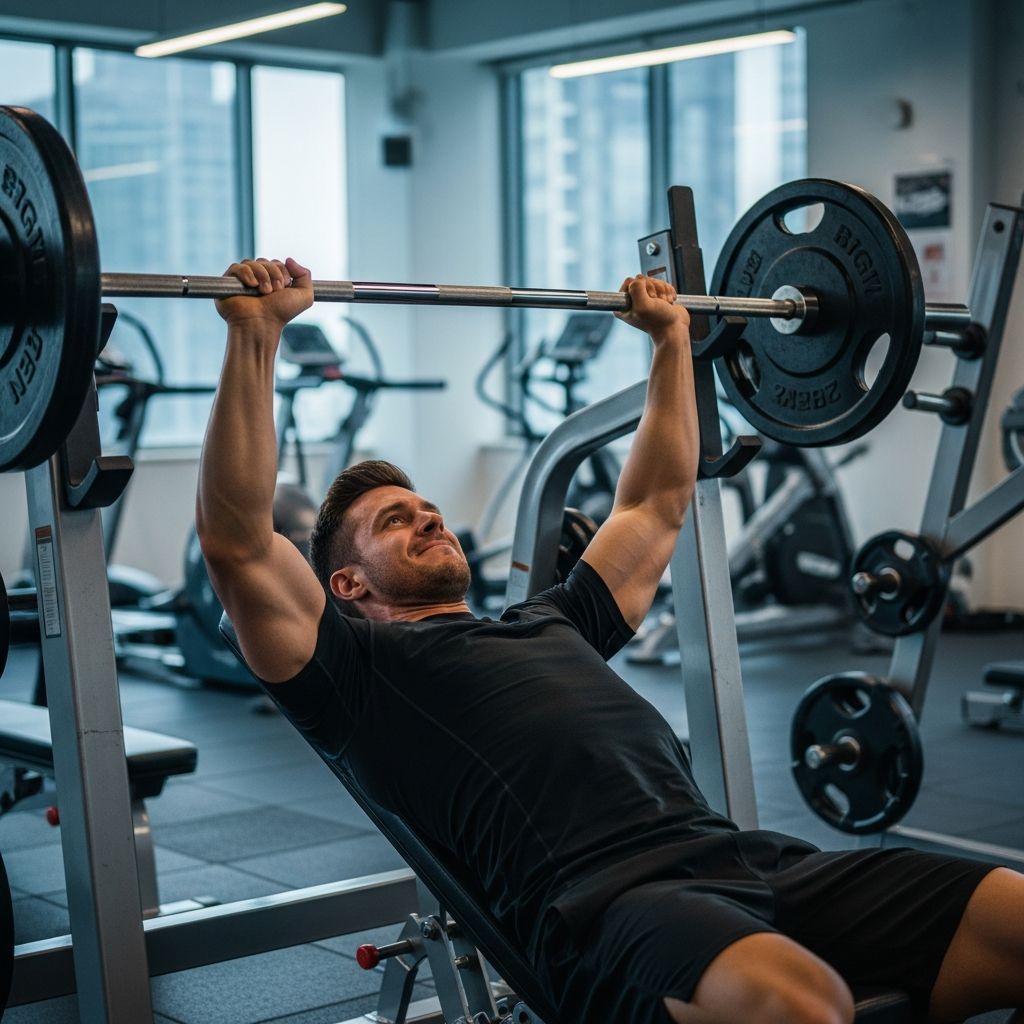
Developing a strong chest is key to upper-body power, better posture, and functional fitness for daily activities like pushing objects or sports performance. The chest muscles, primarily the pectoralis major and minor, enable pushing movements and contribute to shoulder stability. This guide covers evidence-based chest exercises, workout structures, and tips to maximize gains while minimizing injury risk.
Why Train Your Chest?
Strong chest muscles support everyday tasks such as pushing a lawnmower, shopping cart, or throwing a ball, while also protecting the shoulder joint through improved stability and coordination. Research shows that targeted chest training enhances upper-body strength and may reduce injury risk. A landmark ACE-sponsored study using electromyography (EMG) measured muscle activation across nine common exercises, identifying the most effective ones for pectoral engagement.
Key benefits include increased muscle mass (hypertrophy), strength for compound lifts, and aesthetic improvements like a fuller, defined chest. Incorporate chest work 1-2 times weekly, allowing 48 hours recovery between sessions.
Anatomy of the Chest Muscles
The chest comprises the pectoralis major (upper, middle, and lower portions) and pectoralis minor. The pec major handles horizontal adduction and flexion, while the minor stabilizes the scapula. Upper pecs are emphasized in incline presses, middle in flat presses, and lower in dips or decline movements. Balanced training across angles prevents imbalances and promotes symmetry.
- Pectoralis Major: Fan-shaped muscle responsible for most pushing power.
- Pectoralis Minor: Smaller muscle aiding scapular movement and posture.
- Serratus Anterior: Supports protraction, often trained alongside chest.
The Most Effective Chest Exercises, According to Research
An ACE study ranked exercises by pectoralis major activation relative to the barbell bench press (100%). Top performers: barbell bench press (100%), pec deck machine (98%), and bent-forward cable crossover (93%). These are interchangeable for efficient workouts, ideal for time-crunched trainees. Other exercises scored below 80%, but variety prevents boredom and targets stabilizers.
| Exercise | EMG Activation (% of Bench Press) | Best For |
|---|---|---|
| Barbell Bench Press | 100% | Overall mass and strength |
| Pec Deck Machine | 98% | Isolation and constant tension |
| Bent-Forward Cable Crossover | 93% | Lower pecs and contraction |
Best Chest Exercises
Here are 12 top chest exercises drawn from expert sources, suitable for gym or home. Focus on progressive overload—increasing weight or reps over time—while maintaining form. Perform 3-4 sets of 8-12 reps for hypertrophy, 4-6 for strength.
1. Barbell Bench Press
The gold standard for chest development. Lie on a flat bench, grip bar slightly wider than shoulders. Lower to mid-chest, elbows at 45 degrees, then explode up squeezing pecs. Sets/reps: 3-4 x 8-10. Tip: Use a spotter for heavy lifts.
2. Dumbbell Bench Press
Allows greater range of motion and corrects imbalances. Lie flat, press dumbbells up without clanging, lower to sides of chest. Sets/reps: 3 x 10-12.
Related Stories



3. Incline Dumbbell Bench Press
Targets upper pecs for that ‘shelf’ look. Set bench to 30-45 degrees, press upward. Sets/reps: 3 x 8-10.
4. Push-Up (and Variations)
Bodyweight staple. High plank, lower chest to floor, elbows tucked. Progress to decline or plyo versions. Sets/reps: 3-4 x 12-15.
- Plyo Push-Up: Explode up to clap hands. 3 x 4-6.
- Push-Up with Knee Drive: Add core twist. 3 x 8-10/side.
5. Incline Push-Up
Beginner-friendly on a bench or wall. Builds strength without floor work, great for posture. Sets/reps: 3 x 10-15. Modify: Higher surface for ease.
6. Pec Deck Machine / Chest Fly
Isolates pecs with peak contraction. Sit, bring pads together in hugging motion. Sets/reps: 3 x 10-12.
7. Bent-Forward Cable Crossover
Excellent for lower chest squeeze. Cross cables at chest height, lean forward, pull hands together. Sets/reps: 3-4 x 12-15.
8. Standing Chest Press with Bands
Home-friendly. Anchor band at chest height, press forward in staggered stance. Sets/reps: 3 x 12-15.
9. Deficit Push-Up
Hands on elevated surface for deeper range. Squeeze shoulder blades. Sets/reps: 3 x 6-8.
10. Single-Arm Cable Press
Unilateral for stability. Kneel, press cable across body. Sets/reps: 2 x 10-12/side.
11. Banded Chest Fly
Lean into bands, fly arms together. Sets/reps: 3 x 8-10/side.
12. Landmine Press
Corner-loaded barbell for unilateral press. Sets/reps: 3 x 8-10/side.
How to Do a Chest Workout
Structure sessions with 5-10 min warm-up (light cardio + dynamic stretches). Do 3-5 exercises per workout: 1-2 compounds (presses), 1-2 isolations (flies). Rest 60-90s between sets. Sample beginner routine:
- Push-Ups: 3×12
- Dumbbell Bench Press: 3×10
- Cable Crossover: 3×12
Advanced: Add volume or supersets (e.g., bench press + flies). Train chest with triceps/shoulders or push-pull-legs split.
Chest Workout Tips From Personal Trainers
Experts emphasize form: Keep elbows at 45 degrees to spare shoulders. Squeeze pecs at the top, control eccentric (lowering) phase. Progress slowly; beginners start bodyweight. For imbalances, use dumbbells/single-arm moves. Modify for limitations: Floor presses for shoulder issues, bands for home.
- Cindy Sullivan (ACE CPT): Incline push-ups for beginners/seniors; bands for mobility.
- Greg Coleman (ACE CPT): Dumbbells for functional push patterns and symmetry.
Common Chest Workout Mistakes
- Flaring Elbows: Causes shoulder strain; tuck to 45 degrees.
- Bouncing Bar: Control the descent for max activation.
- Neglecting Upper/Lower Pec: Vary angles weekly.
- Overtraining: Limit to 10-20 weekly sets.
Frequently Asked Questions (FAQs)
What’s the single best chest exercise?
The barbell bench press tops EMG studies at 100% activation, but combine with flies for complete development.
How often should I train chest?
1-2 times per week, with 48+ hours recovery for optimal growth.
Can I build a chest without weights?
Yes, push-up variations like decline or plyo effectively target pecs at home.
Why won’t my upper chest grow?
Incorporate incline presses (30-45 degrees) and prioritize them early in workouts.
How long until I see chest gains?
Visible changes in 4-8 weeks with consistent training, nutrition (protein surplus), and recovery.
References
- The 20 Best Chest Exercises to Build Stronger Pecs — Men’s Health. 2023 (approx., based on content recency). https://www.menshealth.com/fitness/a19547186/best-chest-exercises/
- Chest Day Champion: An Evidence-based Approach to Training the Chest — American Council on Exercise (ACE Fitness). 2024-10-15. https://www.acefitness.org/resources/pros/expert-articles/8972/be-a-chest-day-champion-an-evidence-based-approach-to-training-the-chest/
Similar Articles








Read full bio of Sneha Tete