Chest X-Ray: What It Is, What to Expect & Results
Complete guide to chest X-rays: understanding the procedure, preparation, and interpreting results.
Understanding Chest X-Ray: A Comprehensive Guide
A chest X-ray is a fundamental diagnostic imaging test that uses focused radiation to create detailed images of your heart, lungs, and bones. Also known as a chest radiograph or CXR, this quick and noninvasive procedure has been a cornerstone of medical diagnosis for decades. Healthcare providers rely on chest X-rays to identify and diagnose various health conditions affecting the respiratory and cardiovascular systems. Whether you’re experiencing symptoms like chest pain, persistent cough, or shortness of breath, or you’re undergoing routine screening, understanding what a chest X-ray entails can help you feel more prepared and informed.
What Is a Chest X-Ray?
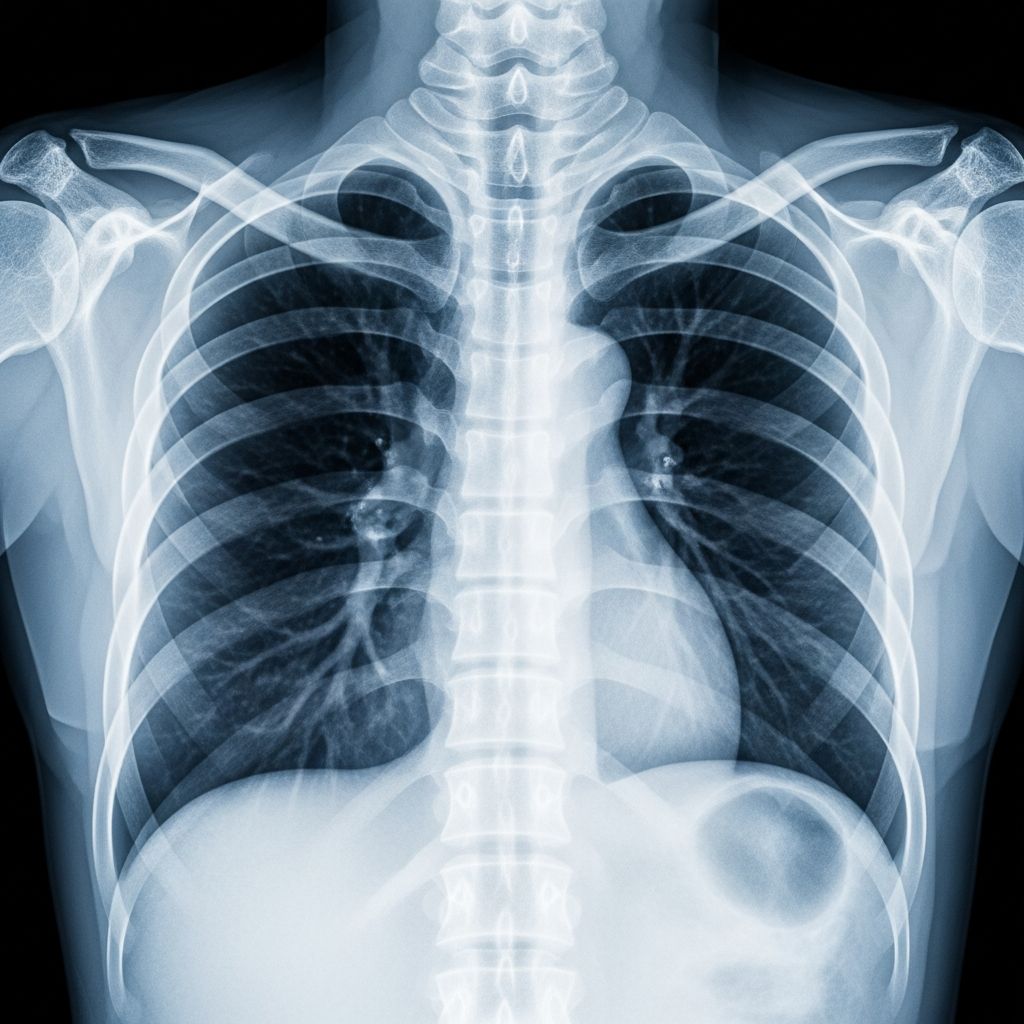
A chest X-ray is an imaging test that creates a visual representation of your chest cavity, including your heart, lungs, ribs, and other thoracic structures. The procedure works by passing a focused beam of radiation through your chest, which is then captured on a detector or film to produce an image. Different tissues in your body absorb varying amounts of radiation, which is why bones appear white on the image while lungs appear gray. This variation in appearance allows radiologists to identify abnormalities and changes in your chest structures.
The technology behind chest X-rays is well-established and widely available in hospitals, clinics, and imaging centers. Unlike some advanced imaging techniques that require specialized equipment or lengthy preparation, chest X-rays are straightforward, accessible, and cost-effective. They serve as an initial diagnostic tool that healthcare providers often order before recommending more specialized imaging studies.
Why Your Healthcare Provider Might Order a Chest X-Ray
Healthcare providers recommend chest X-rays for various clinical reasons, particularly when patients present with symptoms affecting the chest, lungs, or heart. Common reasons for ordering this test include:
- Evaluating chest pain or discomfort
- Investigating persistent cough or respiratory symptoms
- Assessing shortness of breath or difficulty breathing
- Diagnosing suspected pneumonia or other respiratory infections
- Monitoring chronic lung conditions like COPD or emphysema
- Detecting abnormal heart size or heart-related conditions
- Identifying broken ribs or other bone injuries
- Screening for lung cancer in high-risk individuals
- Evaluating fever of unknown origin
- Assessing the lungs after a surgical procedure
Additionally, chest X-rays may be recommended as part of routine preventive health screening, particularly for individuals with significant smoking histories or occupational exposures.
How Radiation Works in Chest X-Rays
The principle behind chest X-ray imaging relies on the differential absorption of radiation by various body tissues. Your body’s tissues vary considerably in thickness and density, which directly affects how much radiation passes through them. Bones are very dense and thick structures that allow very little radiation to penetrate, which is why bones appear white or bright on X-ray images. Conversely, your lungs contain primarily air and are less dense, allowing more radiation to pass through, so lungs appear gray on the image. Soft tissues fall somewhere between these extremes in terms of radiation absorption and appear in varying shades of gray.
This differential absorption creates the contrast necessary for radiologists to distinguish between normal and abnormal structures. It also allows them to identify areas where there might be abnormal densities, such as pneumonia infiltrates, tumors, or fluid accumulation.
What to Expect During Your Chest X-Ray Procedure
Understanding the procedural steps can help reduce anxiety and ensure you cooperate effectively with the imaging technologist. Here’s what typically happens during a chest X-ray:
Before the Procedure
When you arrive for your chest X-ray, you may be asked to change into a medical gown, particularly if your clothing contains metal fasteners or if a full gown is required by your facility. You’ll need to remove any jewelry, necklaces, or other metal objects from your chest area, as metal can interfere with the X-ray image and create artifacts that obscure important diagnostic information. Let your healthcare provider know if you have any metal implants, such as pacemakers, metal plates, or surgical hardware, as these require special consideration during imaging.
Related Stories



During the Procedure
A radiology technologist with specific training in X-ray procedures will position you appropriately and take your chest X-ray. A standard chest X-ray consists of two images: one taken from the front (posteroanterior or PA view) and one taken from the side (lateral view). In some cases, technologists may take additional images, such as one with you lying on your back (supine view) or lying on your side (lateral decubitus view), depending on your clinical situation.
During image capture, you must remain very still and hold your breath. Even minor movement, including the normal motion of breathing, can blur the X-ray image and reduce its diagnostic quality. The technologist will give you clear instructions about when to hold your breath and when you can resume normal breathing. This part of the procedure is essential for obtaining clear, interpretable images.
Chest X-rays typically take only a few minutes to complete. The actual radiation exposure occurs only for a fraction of a second during each image capture.
After the Procedure
After your X-ray is complete, the technologist may ask you to wait a few minutes while they review the images on their workstation. If any images appear blurry or if additional views are needed for better diagnostic clarity, the technologist will ask you to return for retakes. Once the technologist confirms that they have obtained satisfactory images, you’re free to leave and resume your normal activities.
Understanding Chest X-Ray Results
After your chest X-ray is completed, the images are sent to a radiologist, a physician specially trained in interpreting medical images. The radiologist carefully reviews all the images, comparing them to normal anatomy and looking for any abnormal findings. The radiologist then prepares a detailed report describing their findings and any areas of concern.
Your healthcare provider receives the radiologist’s report and reviews it in detail. During your follow-up appointment, your provider will explain what the results mean in the context of your specific situation and symptoms.
Normal Results
If your chest X-ray is normal, it means the radiologist found no significant abnormalities in your heart, lungs, ribs, or other chest structures. Your healthcare provider will discuss these reassuring results with you and may provide recommendations for continued monitoring or lifestyle modifications based on your overall health status.
Abnormal Results
If your chest X-ray reveals abnormalities, your provider will explain what was found and what it might mean for your health. Common abnormal findings include pneumonia, nodules or densities in the lung tissue, pleural thickening, fluid accumulation, or changes in heart size. Depending on the findings, your provider may recommend additional diagnostic tests such as CT scans, PET scans, or other specialized imaging to gain more detailed information about the abnormality. Some findings may require follow-up X-rays to monitor changes over time.
Types of Chest X-Ray Images
Different clinical situations may require variations in how chest X-rays are obtained, each providing different perspectives and diagnostic information:
Posteroanterior (PA) View
This is the standard frontal view taken with the X-ray beam passing from back to front through the patient’s body. This view is ideal for evaluating lung fields, heart size, and mediastinal structures.
Lateral View
This side view provides a different perspective on the chest structures and helps identify abnormalities that might not be clearly visible on the PA view alone.
Supine View
When patients cannot stand, radiologists obtain this image with the patient lying on their back. This view is often used in critically ill or hospitalized patients.
Lateral Decubitus View
In this view, the patient lies on their side. This position is particularly useful for detecting small amounts of fluid in the pleural space around the lungs.
Radiation Safety and Exposure Concerns
One common concern patients have about X-rays involves radiation exposure. Chest X-rays use a very small amount of radiation, and healthcare providers use only the necessary amount to capture high-quality diagnostic images. The radiation dose from a single chest X-ray is minimal and comparable to the natural background radiation you’re exposed to in your environment over several days or weeks. For most people, the diagnostic benefit of a chest X-ray far outweighs the minimal radiation risk.
However, special precautions should be taken for pregnant women. If you’re pregnant or think you might be, inform your healthcare provider and the imaging technologist before your procedure, as they may need to adjust their imaging approach or postpone the test if not medically urgent.
How Quickly Will You Get Your Results?
The timing of your chest X-ray results depends on the clinical urgency of your situation. In emergency situations where immediate diagnosis is critical, you’ll typically receive your results within a few minutes to a couple of hours. In nonemergency cases, you can expect to receive your chest X-ray results within one to two days. Your healthcare provider will contact you with the results and schedule a follow-up appointment to discuss the findings in detail.
Advantages of Chest X-Rays in Modern Medicine
Chest X-rays remain one of the most valuable diagnostic tools in medicine for several compelling reasons. They provide a quick, noninvasive way to check the overall health of your lungs, heart, and ribcage. They’re often one of the first tests healthcare providers use to diagnose broken bones, infections in the lungs, and various cardiac and pulmonary conditions. The procedure is rapid, requires minimal preparation, is widely available, and is cost-effective compared to other imaging modalities. Additionally, chest X-rays help providers determine what type of treatment you might need and can serve as a baseline for monitoring disease progression or treatment response.
Frequently Asked Questions About Chest X-Rays
Q: Is a chest X-ray painful?
A: No, a chest X-ray is completely painless. You might feel mild discomfort from positioning or from having to hold your breath, but the procedure itself causes no pain.
Q: Can I wear my jewelry during a chest X-ray?
A: No, you should remove all jewelry, particularly necklaces and chest-level jewelry, as metal can interfere with image quality. You’ll be asked to remove these items before the procedure.
Q: How often can I safely have chest X-rays?
A: Chest X-rays are very safe, and there’s no established limit on how frequently you can have them. Your healthcare provider will determine the appropriate frequency based on your specific medical needs.
Q: Can I have a chest X-ray if I’m pregnant?
A: Inform your healthcare provider if you’re pregnant before undergoing a chest X-ray. In urgent medical situations, the benefits typically outweigh the minimal risks. Your provider may use a lead apron to shield your abdomen for additional protection.
Q: What does a normal chest X-ray look like?
A: A normal chest X-ray shows clear lung fields without abnormal densities, a heart of normal size, normal rib cage configuration, and clear visualization of the mediastinal structures.
Q: Do I need to fast before a chest X-ray?
A: No, fasting is not required before a chest X-ray. You can eat and drink normally unless your healthcare provider has given you specific instructions.
Conclusion
Chest X-rays are fundamental diagnostic tools that provide valuable information about your heart, lungs, and chest structures. Understanding what to expect during the procedure, how results are interpreted, and when this test is appropriate can help you approach it with confidence and peace of mind. If your healthcare provider has recommended a chest X-ray, know that you’re receiving a safe, quick, and effective diagnostic test that can help guide your treatment and improve your overall health management.
References
- Chest X-Ray (CXR): What It Is, What To Expect & Results — Cleveland Clinic. 2023-11-20. https://my.clevelandclinic.org/health/diagnostics/10228-chest-x-ray
- X-Ray: What It Is, What It Shows, Preparation & Types — Cleveland Clinic. https://my.clevelandclinic.org/health/diagnostics/21818-x-ray
- Thoracic Imaging in COVID-19 — Cleveland Clinic Journal of Medicine. https://www.ccjm.org/content/87/8/469
- Cardiac Imaging: Types, Uses and Procedure Details — Cleveland Clinic. https://my.clevelandclinic.org/health/diagnostics/16836-cardiac-imaging
- Thoracic Imaging: Chest X-Ray — Cleveland Clinic Department of Imaging. https://my.clevelandclinic.org/departments/imaging/depts/thoracic-imaging
Similar Articles








Read full bio of Sneha Tete