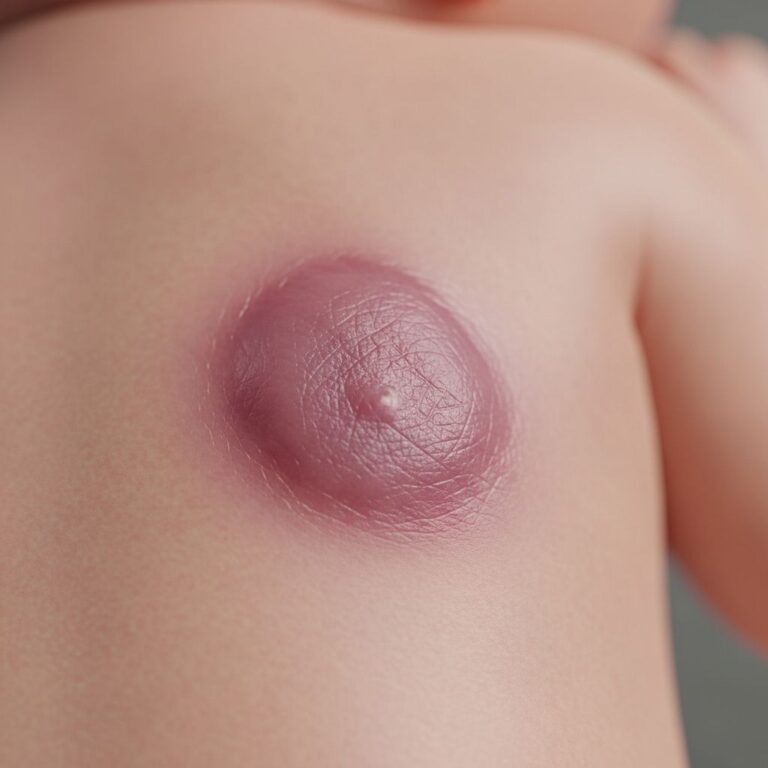
CHG Bathing to Prevent Healthcare-Associated Infections
Reduce hospital infections with CHG bathing: An evidence-based prevention strategy for patient safety.

Understanding Healthcare-Associated Infections and CHG Bathing
Healthcare-associated infections (HAIs), also known as hospital-acquired infections, represent a significant public health concern affecting millions of patients worldwide annually. These infections develop during or after a patient’s stay in a healthcare facility and can lead to serious complications, extended hospital stays, and increased healthcare costs. One of the most effective and evidence-based strategies to prevent HAIs is the use of chlorhexidine gluconate (CHG) bathing, a simple yet powerful intervention that has demonstrated substantial efficacy in reducing infection rates across various healthcare settings.
CHG bathing involves washing the patient’s body with a specialized antimicrobial soap containing chlorhexidine gluconate before surgery or during hospitalization. This proactive approach to infection prevention has become a cornerstone of many hospitals’ infection control protocols, particularly in acute care settings where patients face elevated infection risks.
What is Chlorhexidine Gluconate (CHG)?
Chlorhexidine gluconate is a broad-spectrum antimicrobial agent that has been used in healthcare settings for decades. As an antimicrobial solution, CHG is effective against a wide range of microorganisms, including bacteria and fungi that commonly cause hospital-acquired infections. The compound works by disrupting the cell membranes of microorganisms, effectively killing or inhibiting their growth.
CHG is available in various formulations for different applications, including mouthwash, skin cleansers, and bathing solutions. The bathing solution typically contains a specific concentration of CHG that is safe for full-body application while maintaining antimicrobial effectiveness. Unlike some antimicrobial agents, CHG has a residual effect, meaning it continues to provide antimicrobial protection even after application, as it binds to the skin and mucous membranes.
How CHG Bathing Works
The mechanism of CHG bathing in preventing infections operates through several pathways. When patients bathe with CHG-containing soap, the solution reduces the bacterial colonization on the skin surface. Since many HAIs originate from a patient’s own skin flora, reducing the number of microorganisms present before surgery or during vulnerable periods significantly decreases infection risk.
The skin serves as a natural barrier against infection, but when surgical incisions are made or medical devices are inserted, this barrier is compromised. By pre-treating the skin with CHG bathing, healthcare providers create an antimicrobial environment that suppresses bacterial growth. This reduced microbial load on the skin means fewer organisms have the opportunity to enter the body and cause infection.
Additionally, CHG bathing helps reduce the transmission of pathogens in the hospital environment. When patients undergo CHG bathing, they shed fewer microorganisms into the hospital environment, reducing cross-contamination risks and protecting both other patients and healthcare workers from potential infection exposure.
Benefits of CHG Bathing for Infection Prevention
Extensive clinical research has demonstrated numerous benefits of incorporating CHG bathing into infection prevention protocols:
- Reduced Surgical Site Infections: CHG bathing before surgery significantly decreases the incidence of surgical site infections (SSIs), which are among the most common types of HAIs.
- Lower Bloodstream Infection Rates: Studies show that CHG bathing reduces central line-associated bloodstream infections (CLABSIs) and other bloodstream infections in hospitalized patients.
- Decreased Antibiotic Resistance: By reducing infection rates overall, CHG bathing helps minimize unnecessary antibiotic use, contributing to the broader effort to combat antimicrobial resistance.
- Cost-Effectiveness: The relatively low cost of CHG bathing combined with its substantial infection reduction benefits makes it an economically sound infection prevention strategy.
- Improved Patient Outcomes: Fewer infections mean shorter hospital stays, reduced complications, and better overall patient recovery and satisfaction.
- Enhanced Safety Profile: CHG has been used safely in healthcare for many years with minimal adverse effects when used as directed.
Related Stories



Clinical Applications of CHG Bathing
CHG bathing is recommended in several clinical scenarios where infection prevention is paramount:
Pre-Operative Bathing
One of the most well-established applications of CHG bathing is in the pre-operative period. Patients scheduled for surgical procedures are typically instructed to bathe with CHG soap the night before surgery or the morning of the procedure. This pre-operative preparation reduces skin flora colonization, significantly decreasing the risk of surgical site infections. The pre-operative CHG bath is now considered standard practice in many surgical centers and hospitals.
Intensive Care Unit (ICU) Patients
Critically ill patients in intensive care units face particularly high infection risks due to their compromised immune systems, severity of illness, and exposure to multiple invasive devices. Daily CHG bathing of ICU patients has been shown to reduce various types of HAIs, including central line-associated bloodstream infections and ventilator-associated pneumonia.
High-Risk Patient Populations
Patients at elevated risk for infections, such as those with immunosuppression, diabetes, obesity, or advanced age, may benefit from regular CHG bathing during hospitalization. Additionally, patients undergoing cardiac surgery, orthopedic procedures, or other high-risk operations represent prime candidates for CHG bathing protocols.
Implementation of CHG Bathing in Healthcare Settings
Successful implementation of CHG bathing requires coordination among multiple stakeholders in the healthcare facility:
Patient Education
Patients must understand the purpose of CHG bathing and receive clear instructions on proper use. Healthcare providers should explain that CHG bathing is a preventive measure that reduces infection risk and improves safety. Educational materials should address common questions and concerns about the process.
Standardized Protocols
Healthcare facilities should establish standardized protocols for CHG bathing that specify the timing, frequency, concentration of CHG solution, and proper application techniques. Clear protocols ensure consistency across all patients and healthcare workers.
Staff Training
Nursing staff and other healthcare workers who administer or supervise CHG bathing require proper training to ensure correct application and to address any patient concerns or complications.
Supply Chain Management
Healthcare facilities must ensure adequate supplies of CHG bathing products are available and properly stored according to manufacturer specifications to maintain product efficacy.
Integration with Comprehensive Infection Control Programs
While CHG bathing is a powerful tool for infection prevention, it works most effectively as part of a comprehensive, multi-faceted infection control program. This integrated approach should include hand hygiene, environmental cleaning, antibiotic stewardship, screening and cohorting of patients, and surveillance systems to monitor infection rates.
Research demonstrates that multimodal intervention strategies combining several infection prevention measures, including CHG bathing, produce superior outcomes compared to single interventions alone. Healthcare facilities implementing bundled approaches that incorporate CHG bathing alongside other evidence-based practices achieve the highest rates of infection reduction.
Safety and Tolerability
CHG has an excellent safety profile when used appropriately for bathing and skin cleansing. The vast majority of patients tolerate CHG bathing without adverse effects. Some patients may experience mild skin irritation or drying, which typically resolves quickly after bathing. Healthcare providers should screen patients for known allergies or sensitivities to chlorhexidine before CHG bathing.
It is important to note that CHG is formulated differently for different applications—bathing solutions use appropriately diluted concentrations safe for full-body application. Healthcare workers must never use concentrated CHG solutions for bathing, as this could cause skin irritation or other complications. Always follow manufacturer instructions regarding appropriate concentrations and applications.
Evidence and Effectiveness
Extensive peer-reviewed research supports the effectiveness of CHG bathing in preventing healthcare-associated infections. Multiple randomized controlled trials and large-scale observational studies have demonstrated statistically significant reductions in infection rates when CHG bathing is implemented. These findings have led major healthcare organizations, including the Centers for Disease Control and Prevention (CDC) and the Society for Healthcare Epidemiology of America (SHEA), to recommend CHG bathing as part of standard infection prevention practices.
The body of evidence supporting CHG bathing continues to grow, with ongoing research exploring optimal protocols, patient populations most likely to benefit, and potential new applications in various healthcare settings.
Frequently Asked Questions
Q: How often should CHG bathing be performed?
A: The frequency of CHG bathing depends on the clinical context. For pre-operative patients, typically one bath the night before or morning of surgery is recommended. For ICU patients, daily CHG bathing is often implemented. Healthcare providers should follow institutional protocols and clinical guidelines.
Q: Can CHG bathing be used for all patients?
A: CHG bathing is appropriate for most patients. However, patients with known allergies to chlorhexidine should not use CHG products. Additionally, CHG should not be used on neonates or very young infants without careful consideration and appropriate dilution. Healthcare providers should assess individual patient circumstances.
Q: What concentration of CHG should be used for bathing?
A: Bathing solutions typically contain 2-4% chlorhexidine gluconate. Healthcare facilities should use products specifically formulated for bathing and follow manufacturer recommendations for appropriate concentrations. Never use higher concentrations without medical guidance.
Q: Is CHG bathing effective for all types of infections?
A: CHG bathing is most effective for preventing infections originating from skin flora, including surgical site infections and central line-associated bloodstream infections. Its effectiveness for other infection types may vary, and it should be combined with other infection prevention measures for comprehensive protection.
Q: How does CHG bathing compare to other infection prevention strategies?
A: CHG bathing is most effective when combined with other strategies such as hand hygiene, environmental cleaning, and antibiotic stewardship. No single intervention prevents all infections; comprehensive, bundled approaches yield the best results.
Q: Does CHG bathing have any side effects?
A: CHG bathing is generally very well tolerated. Some patients may experience mild skin dryness or irritation that typically resolves quickly. Severe adverse reactions are rare but should be reported to healthcare providers immediately.
References
- Preventing healthcare associated infection (HAI) — Better Health Channel, State Government of Victoria, Australia. 2024. https://www.betterhealth.vic.gov.au/health/conditionsandtreatments/infections-in-hospital-reduce-the-risk
- Strategies to Prevent Healthcare-Associated Infections: A Narrative Review — National Center for Biotechnology Information (NCBI/PMC). 2020. https://www.ncbi.nlm.nih.gov/pmc/articles/PMC7532064/
- 7 Strategies to Prevent Healthcare-Associated Infections — Infections in Surgery. 2024. https://infectionsinsurgery.org/7-strategies-to-prevent-healthcare-associated-infections/
- Health Care–Associated Infections: Best Practices for Prevention — American Academy of Family Physicians (AAFP). March 2022. https://www.aafp.org/pubs/afp/issues/2022/0300/p262.html
- Standard Precautions for All Patient Care | Infection Control — Centers for Disease Control and Prevention (CDC). 2024. https://www.cdc.gov/infection-control/hcp/basics/standard-precautions.html
- Compendium of Strategies to Prevent Healthcare-Associated Infections in Acute Care Hospitals — Society for Healthcare Epidemiology of America (SHEA). 2024. https://shea-online.org/compendium-of-strategies-to-prevent-healthcare-associated-infections-in-acute-care-hospitals/
- HAI National Action Plan — U.S. Department of Health and Human Services (HHS). 2024. https://www.hhs.gov/oidp/topics/health-care-associated-infections/hai-action-plan/index.html
Similar Articles








Read full bio of Sneha Tete