Chia Pudding vs. Overnight Oats: Protein & Fiber Winner
Discover which breakfast superstar—chia pudding or overnight oats—delivers more protein and fiber for your morning meal.
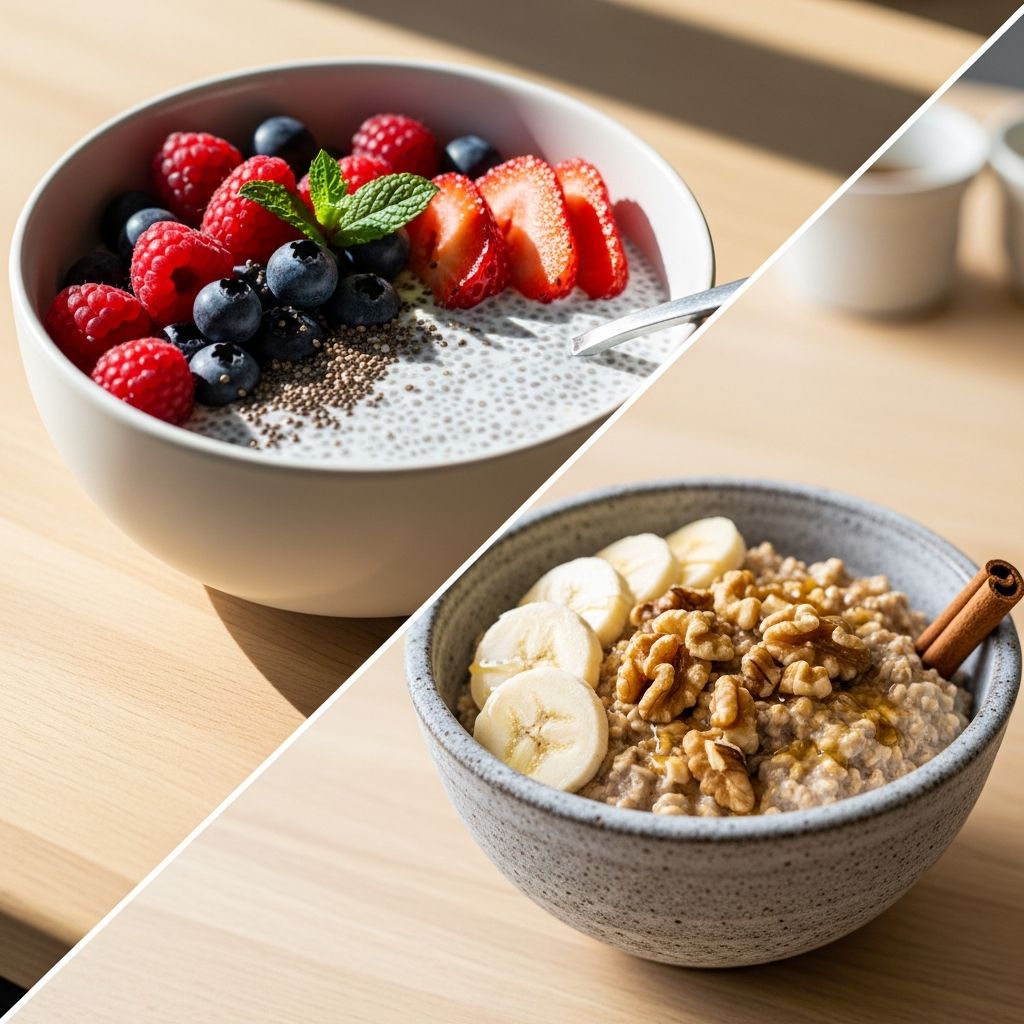
Both chia pudding and overnight oats have surged in popularity as convenient, nutrient-dense breakfast options that require minimal prep—just mix ingredients and refrigerate overnight. These make-ahead meals appeal to busy individuals seeking sustained energy without sacrificing flavor or nutrition. But when pitted head-to-head, which one truly excels in delivering
protein
andfiber
? This comparison dives deep into their nutritional profiles, preparation methods, customization potential, health benefits, and more to help you decide.What Is Chia Pudding?
Chia pudding starts with
chia seeds
, tiny powerhouses from the Salvia hispanica plant native to Central America. When soaked in liquid, chia seeds expand and form a gel-like texture due to their soluble fiber content, creating a creamy, pudding consistency without cooking. A basic recipe calls for mixing 3-4 tablespoons of chia seeds with 1 cup of milk (dairy or plant-based), a touch of sweetener like honey or maple syrup, and vanilla extract for flavor. Refrigerate for at least 4 hours or overnight, stirring occasionally to prevent clumping. The result is a smooth, spoonable dessert-like breakfast that’s naturally gluten-free and vegan-friendly.Chia seeds shine in nutrition: per 100 grams, they offer about 16.5g of protein, 34.4g of dietary fiber (mostly soluble), and high levels of omega-3 fatty acids (17.83g ALA). This makes chia pudding exceptionally satiating and supportive of digestive health. Toppings like fresh berries, nuts, or coconut elevate its appeal while adding extra crunch and antioxidants.
What Are Overnight Oats?
Overnight oats rely on
rolled or steel-cut oats
(Avena sativa), whole grains soaked in milk or yogurt to soften into a porridge-like texture. No cooking required—combine ½ cup oats with ½-¾ cup liquid, sweetener, and flavors like cinnamon or cocoa. Let it sit in the fridge overnight for the oats to absorb the moisture, yielding a chewy, hearty base. This method preserves the oats’ natural nutrients better than boiling, as heat can degrade some vitamins.Nutritionally, oats per 100 grams provide 16.9g protein, 10.6g fiber, and a balanced macronutrient ratio (17% protein, 67% carbs, 16% fat). They’re rich in beta-glucan, a soluble fiber that supports heart health by lowering cholesterol. Overnight oats feel more substantial due to their denser texture, making them ideal for those needing longer-lasting fullness.
Nutritional Comparison: Protein Showdown
A standard serving—about ½ cup dry chia seeds or ½ cup dry oats prepared with 1 cup almond milk—reveals close protein competition. Chia pudding edges out slightly with complete plant protein (all essential amino acids) from its 8-10g per serving, thanks to 16.5g per 100g. Overnight oats match closely at 8-11g per serving (16.9g per 100g), bolstered by oats’ higher overall yield in a typical portion.
| Nutrient (per 100g dry) | Chia Seeds | Oats |
|---|---|---|
| Protein | 16.5g | 16.9g |
| Fiber | 34.4g | 10.6g |
| Calories | 486 | 389 |
| Fat | 30.7g (mostly healthy fats) | 6.5g |
[Data adapted from comparative analysis]. Oats win for budget-friendly protein density in larger volumes, while chia provides superior amino acid completeness for vegans.
Fiber Face-Off: Who’s the Real Winner?
**Chia pudding dominates fiber content**, boasting 34.4g per 100g—over 3x oats’ 10.6g. This high soluble fiber (mucilage) forms the signature gel, promoting gut health, steady blood sugar, and up to 10g fiber per serving. Oats counter with beta-glucan fiber (5-6g per serving), clinically proven to reduce LDL cholesterol and enhance satiety. For ultimate fiber wins, chia pudding takes the crown, but combining both maximizes benefits.
Related Stories



Calories, Macros, and Micronutrients
Chia seeds are calorie-dense (486 kcal/100g) due to 54% fat from omega-3s, versus oats’ 389 kcal with carb-heavy 67% macros. Micronutrient-wise, chia leads in calcium (631mg vs. 54mg), iron (7.7mg vs. 4.7mg), and omega-3s (17.83g ALA). Oats excel in B-vitamins (thiamin 0.763mg, B6), potassium (429mg), and antioxidants like avenanthramides for heart protection.
- Chia strengths: Omega-3s, calcium, magnesium for bone health.
- Oats strengths: Lower glycemic index, sustained energy from complex carbs.
Health Benefits of Each
Chia Pudding Benefits
- Supports digestion with prebiotic fiber.
- Anti-inflammatory omega-3s aid heart and brain health.
- High antioxidants combat oxidative stress.
- Weight management via prolonged fullness.
Overnight Oats Benefits
- Beta-glucan lowers cholesterol (FDA-approved claim).
- Stable blood sugar for diabetes management.
- Rich in manganese and phosphorus for metabolism.
- More filling texture curbs mid-morning snacking.
Both combat constipation and support microbiome diversity, but chia’s fiber volume suits high-fiber diets best.
How to Make Chia Pudding
- Mix ¼ cup chia seeds, 1 cup milk, 1 tbsp sweetener, ½ tsp vanilla.
- Stir well; refrigerate 4+ hours, stirring halfway.
- Top with fruits, nuts, granola.
Variations: Chocolate (cocoa powder), berry (mash berries in), matcha green tea.
How to Make Overnight Oats
- Combine ½ cup oats, ¾ cup milk/yogurt, sweetener, flavors.
- Stir; jar and refrigerate overnight.
- Add toppings before eating.
Variations: Peanut butter banana, apple cinnamon, tropical mango coconut.
Recipe Ideas and Customizations
Versatility defines both: use dairy-free milks (almond, oat, coconut) for allergies. Sweeten naturally with dates or stevia. Boost protein with Greek yogurt, collagen, or nut butters (adding 5-10g extra). Hybrid recipes blend 2 tbsp chia + ⅓ cup oats for ultimate texture and nutrition—chia’s gel softens oats perfectly.
- High-Protein Chia: Add protein powder, hemp seeds.
- Fiber-Packed Oats: Stir in flaxseeds, psyllium.
Which Should You Choose?
Choose
chia pudding
for max fiber (3x oats), omega-3s, and a lighter, pudding texture—ideal for gut health or low-carb diets. Opt forovernight oats
if you prioritize heart-healthy beta-glucans, chewiness, and carb-fueled energy. Portion size matters: a 1-cup chia serving hits 10g+ fiber vs. oats’ 5g. For most, alternating or hybridizing yields balanced nutrition. Consult a dietitian for personalized needs, especially with digestive sensitivities (chia’s high fiber may cause bloating initially).Frequently Asked Questions (FAQs)
Which has more protein: chia pudding or overnight oats?
They’re nearly tied (8-11g per serving), but oats slightly edge out in larger portions due to volume.
Does chia pudding have more fiber than overnight oats?
Yes, chia pudding wins decisively with 34g vs. 10g per 100g dry weight.
Can I eat chia pudding or overnight oats every day?
Absolutely—both are wholesome, but vary toppings and monitor fiber intake to avoid GI upset.
Are they good for weight loss?
Yes, their fiber and protein promote satiety; control portions and sweeteners for best results.
Gluten-free options?
Chia is naturally GF; choose certified GF oats to avoid cross-contamination.
References
- The Big Differences Between Chia Seed Pudding And Overnight Oats — Tasting Table. 2023-10-01. https://www.tastingtable.com/1483514/chia-seed-pudding-overnight-oats-difference/
- Chia Seeds Vs Oats – Nutrition Comparison — Souper Sage. 2024-01-15. https://www.soupersage.com/compare-nutrition/chia-seeds-vs-oats
- USDA FoodData Central: Chia Seeds — United States Department of Agriculture. 2023-09-28. https://fdc.nal.usda.gov/fdc-app.html#/food-details/170554/nutrients
- USDA FoodData Central: Oats — United States Department of Agriculture. 2023-09-28. https://fdc.nal.usda.gov/fdc-app.html#/food-details/173904/nutrients
- Beta-glucan: Health Benefits and How to Get More — Healthline (citing NIH studies). 2024-05-12. https://www.healthline.com/nutrition/beta-glucan-heart-healthy
Similar Articles








Read full bio of Sneha Tete