Chia Seed Benefits: What You Need to Know
Discover the powerful health benefits of chia seeds and how to incorporate them into your diet.
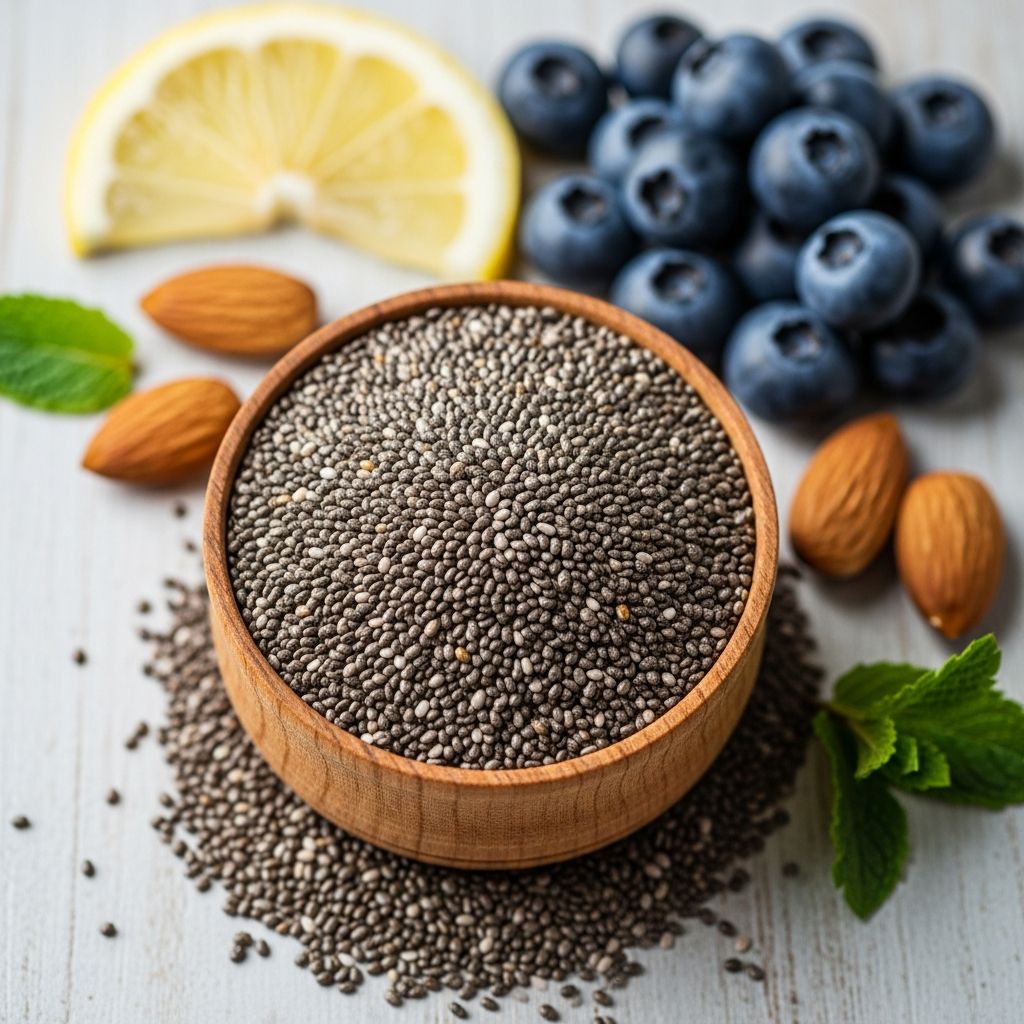
Chia seeds have gained remarkable attention in recent years as a nutritional powerhouse, earning their place in modern health-conscious diets across the globe. These tiny black and white seeds, derived from the plant Salvia hispanica, originating from Mexico and Guatemala, pack an impressive nutritional punch despite their diminutive size. Understanding what makes chia seeds so beneficial requires examining their rich nutritional composition and the scientific evidence supporting their health claims.
The surge in chia seed popularity is not merely a trendy phenomenon but rather a reflection of genuine nutritional value. From ancient civilizations where they were considered a staple food for warriors and athletes, to modern wellness circles, chia seeds have maintained their esteemed status. Whether you’re looking to improve your cardiovascular health, enhance your digestive system, or boost your daily nutrient intake, chia seeds offer multiple compelling reasons to consider adding them to your diet.
Nutritional Profile of Chia Seeds
One of the most impressive aspects of chia seeds is their exceptional nutritional density. A single serving of just two tablespoons (approximately 28 grams) of dried chia seeds delivers remarkable nutritional value with only 138 calories. This makes them an exceptionally efficient source of nutrition for those monitoring their caloric intake.
Macronutrients
Chia seeds contain a well-balanced macronutrient profile that supports various bodily functions. A two-tablespoon serving provides:
- Protein: 4.7 grams, making them an excellent plant-based protein source
- Carbohydrates: 11.9 grams, primarily from fiber
- Fat: 8.7 grams, predominantly heart-healthy unsaturated fats
- Fiber: 9.8 grams, representing a significant portion of daily fiber requirements
Remarkably, more than 80 percent of the carbohydrate content in chia seeds consists of dietary fiber, with approximately 85-93 percent being insoluble fiber and 7-15 percent being soluble fiber. This unique composition makes them particularly beneficial for digestive health and blood sugar management.
Essential Minerals and Micronutrients
Chia seeds are extraordinarily rich in essential minerals that your body requires for optimal functioning. A single ounce provides substantial percentages of your daily requirements for multiple crucial minerals:
- Calcium: 14 percent of the Daily Value (DV), with gram-for-gram comparison showing more calcium than many dairy products
- Magnesium: 23 percent of the DV, critical for hundreds of enzymatic reactions
- Phosphorus: 20 percent of the DV, essential for bone health and tissue maintenance
- Manganese: 23 percent of the DV, important for metabolism and development
- Copper: 29 percent of the DV, vital for heart health
- Selenium: 29 percent of the DV, a powerful antioxidant mineral
- Iron: 22 percent of the DV, crucial for oxygen transport
- Zinc: 12 percent of the DV, important for immune function
Additionally, chia seeds contain B vitamins including vitamin B1 (thiamine) at 15 percent of the DV and vitamin B3 (niacin) at 16 percent of the DV.
Omega-3 Fatty Acids
Perhaps the most celebrated aspect of chia seed nutrition is their exceptional omega-3 fatty acid content. A single serving contains approximately 5 grams of alpha-linoleic acid (ALA), the plant-based form of omega-3 fatty acids. This is particularly significant for vegetarians and vegans seeking plant-based omega-3 sources. The presence of ALA helps promote a healthier ratio of omega-6 to omega-3 fatty acids in your body, which is linked to reduced risks of chronic disorders including heart disease, cancer, and inflammatory conditions.
Related Stories



Major Health Benefits of Chia Seeds
Enhanced Heart Health
Cardiovascular health stands as one of the most well-documented benefits of regular chia seed consumption. Chia seeds contain quercetin, a powerful antioxidant known to reduce the risk of several heart-related health conditions. The high fiber content aids in lowering blood pressure, a primary risk factor for heart disease. Additionally, the omega-3 fatty acids present in chia seeds help maintain healthy triglyceride levels and support overall cardiovascular function. Studies suggest that the alpha-linoleic acid (ALA) found in chia seeds may reduce the risk of cardiovascular events over time, making them a valuable addition to a heart-healthy diet.
Powerful Antioxidant Protection
Chia seeds are loaded with potent antioxidants that combat free radicals in your body. Free radicals cause oxidative stress and cellular damage, contributing to aging and various diseases including cancer. The specific antioxidants found in chia seeds include:
- Caffeic acid: possesses anti-inflammatory properties
- Chlorogenic acid: may help lower blood pressure
- Kaempferol: supports protective effects
- Quercetin: provides heart and liver protection
- Myricetin: offers anticancer properties
The antioxidant profile of chia seeds is so robust that these compounds not only protect the seed’s delicate fats from damage but also provide significant protective benefits to human health.
Anti-Inflammatory Effects
Chronic inflammation is a root cause of numerous serious health conditions including heart disease, diabetes, and cancer. Caffeic acid, a prominent antioxidant in chia seeds, actively fights inflammation throughout the body. Regular consumption of chia seeds has been shown to reduce inflammatory markers, which often indicate the presence of inflammatory diseases. This anti-inflammatory capacity makes chia seeds particularly valuable for individuals with inflammatory conditions or those seeking to prevent inflammation-related diseases.
Superior Bone Health
The mineral composition of chia seeds makes them exceptionally beneficial for bone health. With 14 percent of the Daily Value of calcium in just one ounce, chia seeds provide substantial support for maintaining strong bones. Combined with phosphorus and magnesium, also abundantly present in chia seeds, these minerals work synergistically to maintain bone density and strength. A milk-based smoothie containing one ounce of chia seeds would provide approximately 500 milligrams of calcium, representing nearly half of a typical adult’s daily calcium needs.
Improved Digestive and Gut Health
The impressive fiber content of chia seeds makes them excellent for digestive health. The soluble and insoluble fiber combination helps regulate digestion and promotes feelings of fullness, which can support weight management goals. The fiber in chia seeds acts as a prebiotic, serving as food for healthy gut bacteria and promoting the formation of beneficial short-chain fatty acids (SCFAs). This prebiotic effect contributes to improved colon health and overall digestive function. The fiber also helps blunt blood sugar spikes and lower cholesterol levels.
Weight Management Support
The combination of fiber and protein in chia seeds creates a powerful mechanism for weight management. Together, these macronutrients slow the rate at which sugar enters the bloodstream, promoting more stable blood sugar levels over time. This stability helps reduce cravings and hunger pangs, naturally supporting weight loss efforts. The high fiber content makes you feel satisfied longer, reducing overall caloric intake. Additionally, the slow digestion of chia seeds helps maintain steady energy levels throughout the day.
Blood Sugar Regulation
The fiber-and-protein combination in chia seeds provides significant benefits for blood sugar management. By slowing glucose absorption, chia seeds help prevent rapid blood sugar spikes and crashes. This characteristic is particularly valuable for individuals concerned about developing type 2 diabetes or those already managing the condition. The soluble fiber specifically helps regulate blood sugar levels, contributing to better overall metabolic health.
Plant-Based Complete Protein
For those following vegetarian or vegan diets, chia seeds offer a remarkable advantage: they are a complete protein source, containing all nine essential amino acids that your body cannot produce on its own. This makes chia seeds an excellent plant-based alternative to soy for individuals with soy allergies or those seeking dietary variety. Every cell and tissue in your body depends on protein for proper functioning, making chia seeds a valuable addition to any plant-based diet.
Increased Omega-3 Blood Levels
While chia seeds provide ALA omega-3 fatty acids, these must be converted into active forms such as EPA before your body can fully utilize them. Scientific research, including a 2021 meta-analysis, confirms that chia seeds effectively raise blood levels of both ALA and EPA across multiple studies, demonstrating their efficacy in improving omega-3 status. Since human bodies cannot produce ALA independently, chia seeds represent an excellent natural source for this essential fatty acid.
Incorporating Chia Seeds Into Your Diet
One of the most appealing aspects of chia seeds is their versatility and ease of incorporation into various foods and beverages. They can be seamlessly added to smoothies, yogurt, oatmeal, salads, puddings, and baked goods. The neutral flavor profile makes them adaptable to both sweet and savory dishes. When mixed with liquid, chia seeds develop a gel-like consistency that adds interesting texture to beverages and desserts.
Storage and Shelf Life
Clean, dry chia seeds have an extended shelf life due to their robust antioxidant content, which protects the seeds’ delicate fats from degradation. This natural preservation ability makes chia seeds a convenient pantry staple that maintains nutritional value for extended periods when stored properly in cool, dry conditions.
Nutritional Considerations
While chia seeds are nutritionally superior, it’s worth noting that the absorption of certain minerals such as iron and zinc may be reduced because of the phytic acid content present in chia seeds. However, consuming chia seeds with vitamin C-rich foods can enhance mineral absorption. Additionally, chia seeds are naturally gluten-free, making them suitable for individuals with celiac disease or gluten sensitivity.
Frequently Asked Questions
Q: How much chia seed should I consume daily?
A: A typical serving size is about two tablespoons (28 grams) of chia seeds daily. This amount provides substantial nutritional benefits without excessive calorie intake. Most people can safely incorporate this amount into their diet.
Q: Can chia seeds help with weight loss?
A: Yes, chia seeds can support weight loss efforts through their high fiber and protein content, which promote satiety and stable blood sugar levels. However, they work best as part of a comprehensive healthy diet and exercise regimen, not as a standalone solution.
Q: Are chia seeds safe for everyone?
A: Chia seeds are safe for most people, including those with gluten sensitivity. However, individuals taking blood-thinning medications should consult their healthcare provider, as omega-3 fatty acids have mild blood-thinning properties.
Q: How should I store chia seeds?
A: Store chia seeds in an airtight container in a cool, dry place. Their natural antioxidants protect them from spoilage, giving them an extended shelf life of several years when stored properly.
Q: Do chia seeds need to be soaked before consumption?
A: While soaking is not necessary, it can make them easier to digest and enhance their gel-forming properties. Soaking for 15-30 minutes in liquid creates the characteristic gel texture that many people find appealing.
Q: Can chia seeds replace flax seeds?
A: While both are nutritious seeds, they have different nutritional profiles and benefits. Chia seeds are complete proteins with more calcium, while flax seeds have higher lignans. They can complement each other in a balanced diet.
Q: Are there any side effects from consuming chia seeds?
A: In rare cases, consuming large quantities without adequate water intake may cause digestive discomfort. Starting with smaller portions and gradually increasing intake allows your digestive system to adapt to the high fiber content.
References
- Health Benefits of Chia Seeds — WebMD. 2024. https://www.webmd.com/diet/health-benefits-chia-seeds
- Chia Seeds 101: Nutrition Facts and Health Benefits — Healthline. 2024. https://www.healthline.com/nutrition/chia-seeds
- The Chemical Composition and Nutritional Value of Chia Seeds — National Center for Biotechnology Information (NCBI). 2019. https://pmc.ncbi.nlm.nih.gov/articles/PMC6627181/
- Chia Seeds Pack Nutritional Punch — Mayo Clinic Health System. 2024. https://www.mayoclinichealthsystem.org/hometown-health/speaking-of-health/chia-seeds-pack-nutritional-punch
- 5 Reasons Why Nutritionists Love Chia Seeds — Good Housekeeping. 2024. https://www.goodhousekeeping.com/health/diet-nutrition/a69418031/chia-seed-health-benefits/
Similar Articles








Read full bio of Sneha Tete