Chia Seeds Benefits: 7 Proven Health Boosts
Unlock the impressive health benefits of chia seeds, from heart health to weight management and beyond.
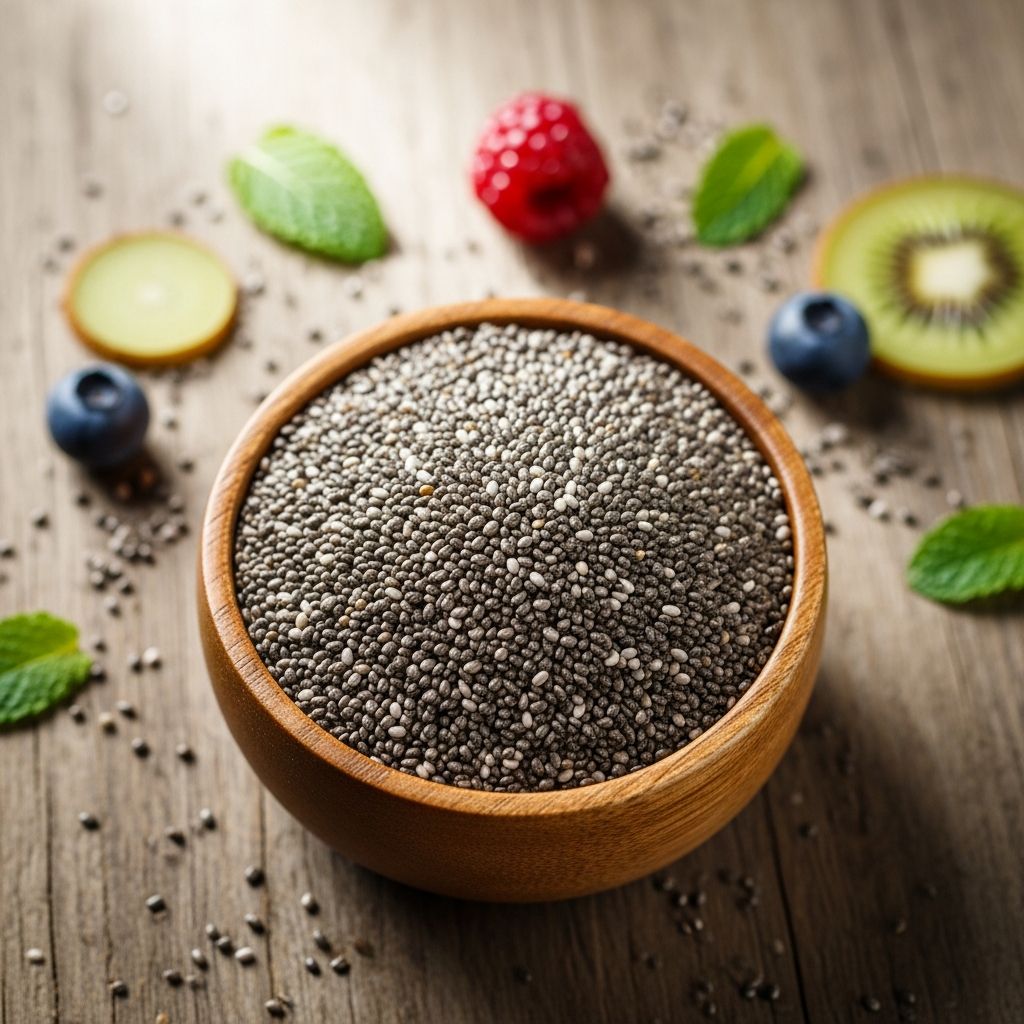
Chia seeds, tiny powerhouses from the Salvia hispanica plant, have been cherished for centuries by ancient civilizations like the Aztecs and Mayans for their nutritional density and stamina-boosting properties. Today, these gluten-free seeds are celebrated as a superfood, packed with fiber, protein, omega-3 fatty acids, antioxidants, and essential minerals. A single 1-ounce (28g) serving delivers 138 calories, 4.7g protein, 9.8g fiber, and 8.7g healthy fats, making them an easy addition to smoothies, yogurts, or baked goods.
What Are Chia Seeds?
Chia seeds originate from Central America, where they served as a staple food and even currency. The word ‘chia’ derives from the Nahuatl language, meaning ‘strength.’ These minuscule black or white seeds expand up to 12 times their size when soaked in liquid, forming a gel-like texture ideal for puddings or thickening recipes. Unlike flaxseeds, they don’t require grinding for nutrient absorption, though grinding may enhance bioavailability of certain minerals.
Available dried or pre-soaked, chia seeds have a mild, nutty flavor and long shelf life thanks to natural antioxidants protecting their fats. They’re versatile for vegan, keto, or gluten-free diets, providing complete plant protein with all nine essential amino acids—though not sufficient as a sole protein source.
Chia Seeds Nutrition Facts
Chia seeds shine nutritionally, with over 80% of their carbs as fiber and significant omega-3 content. Here’s a breakdown of a 1-ounce (28g) serving:
| Nutrient | Amount | % Daily Value* |
|---|---|---|
| Calories | 138 | 7% |
| Protein | 4.7g | 9% |
| Total Fat | 8.7g | 11% |
| Omega-3 (ALA) | 5g | – |
| Carbohydrates | 12g | 4% |
| Dietary Fiber | 9.8g | 35% |
| Sugars | 0g | 0% |
| Calcium | 179mg | 14% |
| Magnesium | 95mg | 23% |
| Phosphorus | 265mg | 21% |
| Manganese | 0.8mg | 30% |
| *Based on a 2,000-calorie diet. Data averaged from sources. | ||
Key minerals include copper (29% DV), selenium (29% DV), iron (22% DV), and zinc. Phytic acid may slightly hinder iron/zinc absorption, so pair with vitamin C-rich foods. Antioxidants like quercetin, kaempferol, caffeic acid, and chlorogenic acid combat oxidative stress.
7 Health Benefits of Chia Seeds
1. Loaded With Antioxidants
Chia seeds combat free radicals—unstable molecules causing cell damage and chronic diseases like heart disease, cancer, and cognitive decline. Their antioxidants, including quercetin (linked to lower heart disease risk) and caffeic acid (anti-inflammatory), neutralize these threats. Regular intake may reduce inflammatory markers and oxidative stress.
2. May Support Heart Health
High in soluble fiber, omega-3 ALA, and antioxidants, chia seeds help lower LDL cholesterol, blood pressure, and triglycerides. Fiber binds cholesterol in the gut, while ALA promotes a healthier omega-6:3 ratio, reducing cardiovascular risks. Studies show chia-enriched bread lowers post-meal blood sugar spikes, indirectly benefiting the heart.
3. May Help with Blood Sugar Management
The gel-forming fiber slows carb digestion, preventing blood sugar spikes. Research indicates chia reduces insulin resistance and metabolic syndrome risk, with chia bread eliciting lower glycemic responses than regular bread. Ideal for diabetes prevention.
4. Excellent Source of Fiber
One ounce provides 35% DV fiber (85-93% insoluble, 7-15% soluble), promoting gut health via short-chain fatty acid production from fermentation. This supports regularity, prevents constipation, and lowers colorectal cancer risk. Most people fall short on fiber; chia bridges the gap effortlessly.
5. Packed With Protein
At 14-17% protein by weight, chia offers high-quality, complete protein comparable to other seeds but superior to grains. Protein enhances satiety, aiding portion control. Though not a standalone source, it’s valuable for plant-based eaters.
Related Stories



6. High in Quality Fats (Omega-3 ALA)
Chia boasts 5g ALA per ounce—the richest plant source—boosting blood ALA/EPA levels per meta-analyses. These fats support brain health, reduce inflammation, and improve heart metrics, though conversion to EPA/DHA is limited (5-10%). Still, superior to many diets’ omega-3 intake.
7. May Support Weight Loss
Fiber and protein promote fullness, reducing calorie intake. The expanding gel creates satiety without extra calories. Studies link high-fiber seeds like chia to modest weight loss, especially when replacing refined carbs.
Other Potential Benefits
Beyond the top seven, chia aids bone health with calcium (more per gram than dairy), magnesium, and phosphorus—vital for density and muscle function. Anti-inflammatory effects may ease conditions like arthritis. Gut microbiome benefits from prebiotic fiber.
Chia Seeds vs. Other Seeds
| Nutrient (per 1 oz) | Chia | Flax | Hemp | Pumpkin |
|---|---|---|---|---|
| Fiber (g) | 9.8 | 7.6 | 1.2 | 1.1 |
| Protein (g) | 4.7 | 4.2 | 9.5 | 7.3 |
| Omega-3 (g) | 5.0 | 2.3 | 2.6 | 0.1 |
| Calcium (% DV) | 14 | 6 | 2 | 2 |
| Chia excels in fiber and omega-3; grind flax for better absorption. | ||||
How to Eat Chia Seeds
- Soak them: Mix 1 tbsp with 3 tbsp water/milk for 15-30 min for pudding or gel.
- Sprinkle dry: On yogurt, oatmeal, salads (1-2 tbsp/day).
- Bake: In muffins, bread (replaces egg: 1 tbsp + 3 tbsp water).
- Smoothies: Blend for thickness.
- Overnight oats: Stir in for creaminess.
Start with 1 tbsp daily to avoid digestive upset; drink plenty of water as fiber absorbs liquid.
Chia Seed Recipes
Basic Chia Pudding
Ingredients: 3 tbsp chia, 1 cup almond milk, 1/2 tsp vanilla, fruit topping. Mix, refrigerate 4+ hours. Serves 2; 200 cal/serving.
Chia Energy Balls
Blend 1/2 cup oats, 1/4 cup chia, 1/4 cup nut butter, honey, chocolate chips. Roll into balls; chill. 10 balls.
Storage and Shelf Life
Store dry chia in a cool, dark place for 2+ years. Refrigerate ground chia. Soaked lasts 5 days in fridge.
Are There Dangers to Chia Seeds?
Safe for most at 1-2 oz/day. High fiber may cause bloating; introduce gradually. Phytic acid reduces mineral absorption—diversify diet. Rare allergies. Consult doctor if on blood thinners (omega-3 effect) or pregnant.
Frequently Asked Questions (FAQs)
Can chia seeds help you lose weight?
Yes, their fiber and protein promote satiety, potentially reducing calorie intake, though part of a balanced diet.
Do you need to grind chia seeds?
No, the shell is digestible, unlike flax. Grinding may improve mineral access.
Are chia seeds good for skin?
Antioxidants and omega-3s may reduce inflammation and support hydration.
How much chia seeds per day?
1-2 tbsp (0.5-1 oz) is ideal for benefits without excess fiber.
Black or white chia seeds—which is better?
Black may have more antioxidants; nutrition similar.
References
- Health Benefits of Chia Seeds — WebMD. 2023. https://www.webmd.com/diet/health-benefits-chia-seeds
- Chia Seeds 101: Nutrition Facts and Health Benefits — Healthline. 2024-09-25. https://www.healthline.com/nutrition/chia-seeds
- Chia seeds pack nutritional punch — Mayo Clinic Health System. 2023-05-10. https://www.mayoclinichealthsystem.org/hometown-health/speaking-of-health/chia-seeds-pack-nutritional-punch
- All About Chia Seeds — Academy of Nutrition and Dietetics. 2023. https://www.eatright.org/food/food-groups/fats/all-about-chia-seeds
- Grind Your Chia Seeds — NutritionFacts.org. 2022. https://nutritionfacts.org/blog/grind-your-chia-seeds/
Similar Articles








Read full bio of Sneha Tete