Chia Vs Flaxseeds: Which Is Healthier And How To Choose
Compare chia and flax seeds: nutritional benefits, health impacts, and which seed suits your wellness goals.
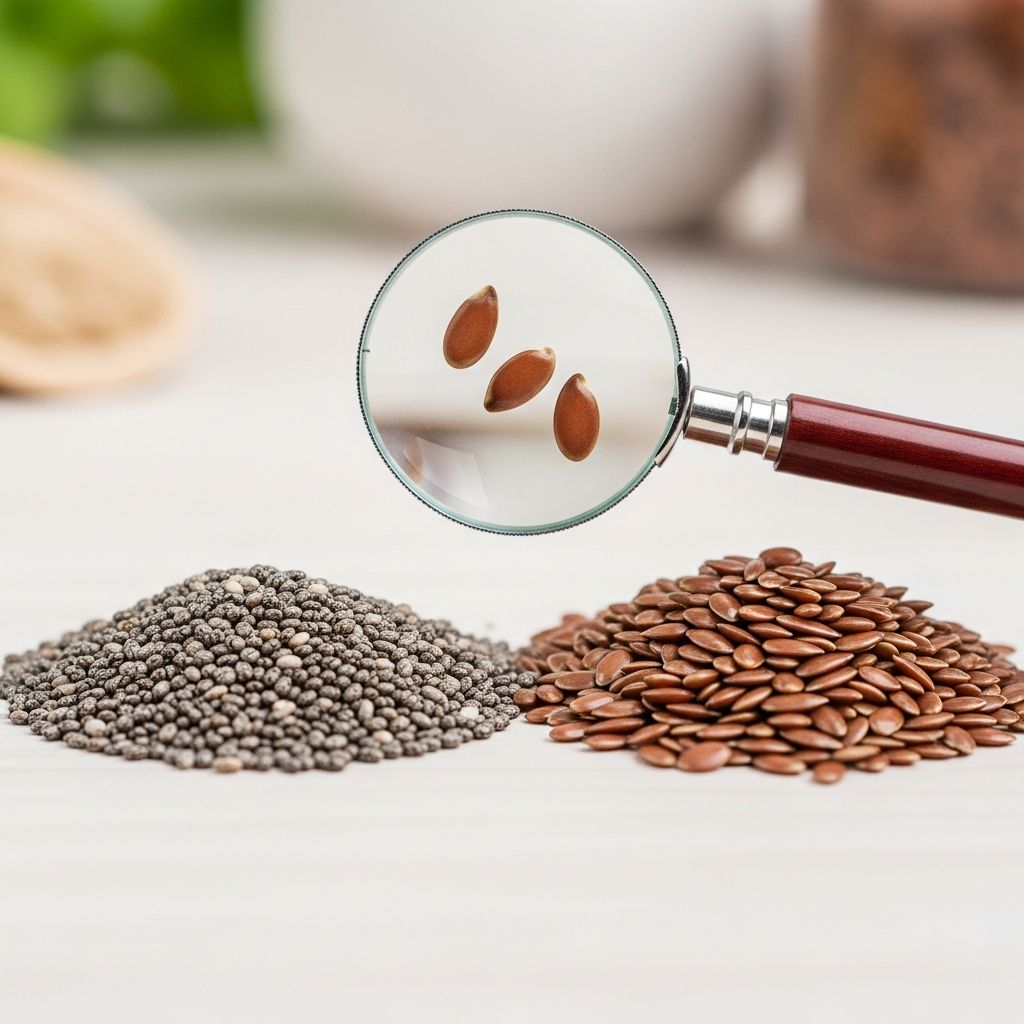
Both chia seeds and flax seeds have gained significant attention in the health and wellness world as nutritional powerhouses packed with essential nutrients. However, these tiny seeds offer different nutritional profiles and health benefits, which can affect your dietary choices. Understanding the distinctions between them can help you determine which seed—or combination of both—best suits your individual health goals and lifestyle.
Nutritional Comparison: Breaking Down the Numbers
When examining the nutritional content of chia and flax seeds on a per-ounce basis, distinct differences emerge. Chia seeds contain 138 calories, while flax seeds contain slightly more at 150 calories per ounce. This relatively minor caloric difference makes both seeds comparable in terms of energy density.
One of the most significant nutritional differences lies in their fiber content. Chia seeds provide approximately 10 grams of fiber per ounce, while flax seeds offer around 8 grams. This extra fiber in chia seeds makes them particularly effective for digestive health and satiety. Both seeds are excellent sources of plant-based protein, offering about 5 grams per ounce.
| Nutrient | Chia Seeds (per oz) | Flax Seeds (per oz) |
|---|---|---|
| Calories | 138 | 150 |
| Fiber | 10g | 8g |
| Protein | 5g | 5g |
| Fat | 9g | 12g |
| Omega-3 (ALA) | 4,915mg | 6,388mg |
| Calcium | 14% DV | 6% DV |
| Iron | 12% DV | 9% DV |
| Zinc | 12% DV | 11% DV |
Flax seeds contain more total fat at 12 grams per ounce compared to chia’s 9 grams, and they also provide significantly more omega-3 fatty acids in the form of alpha-linolenic acid (ALA), offering 6,388mg versus chia’s 4,915mg. Additionally, flax seeds contain substantially more copper and thiamine—vitamin B1—which are essential for energy metabolism and nerve function.
Chia seeds excel in mineral content, particularly calcium, providing 14% of the daily value compared to flax’s 6%. This makes chia seeds an excellent choice for those concerned about bone health. Chia seeds also provide slightly more iron and comparable amounts of zinc.
Heart Health Benefits: The Omega-3 Advantage
Both chia and flax seeds are renowned for their cardiovascular benefits, primarily due to their high content of alpha-linolenic acid (ALA), a plant-based omega-3 fatty acid. ALA is classified as essential because your body cannot produce it independently; you must obtain it through dietary sources.
Research demonstrates that regular consumption of both seeds may reduce several cardiovascular risk factors:
- Blood pressure levels
- Low-density lipoprotein (LDL) cholesterol levels
- Oxidative stress in the body
- Triglyceride levels
- Inflammation markers
The high omega-3 content in both seeds contributes to improved vascular function and reduced blood clotting risk. However, individuals taking blood thinning medications should consult with a healthcare professional before significantly increasing their intake of these seeds, as their natural anticoagulant properties may interact with prescribed treatments.
Related Stories



Blood Sugar Control and Metabolic Syndrome Prevention
Both chia and flax seeds offer notable benefits for blood sugar management and metabolic health. Their high fiber content plays a crucial role in preventing blood sugar spikes and supporting weight management. The fiber in these seeds slows carbohydrate digestion and sugar absorption into the bloodstream, resulting in more gradual and stable blood glucose levels after meals.
This controlled glucose response helps protect against the development of type 2 diabetes and metabolic syndrome. The soluble fiber component of these seeds is particularly effective at this function, as it becomes sticky when mixed with water, further slowing digestion and improving metabolic regulation.
Cancer Prevention: Lignans and Antioxidants
When evaluating antioxidant capacity, flax seeds demonstrate a notable advantage over chia seeds. Flax seeds are the richest dietary source of lignans, plant compounds with potent cancer-fighting properties. Flax seeds contain approximately 15 times more lignans than other seeds, including chia seeds.
Research suggests that regular flax seed consumption may provide protective effects against certain cancers, including breast cancer and acute myeloid leukemia (AML). This cancer-prevention potential makes flax seeds particularly valuable for individuals with family histories of cancer or those seeking proactive nutritional strategies for disease prevention.
Weight Management and Appetite Control
Both seeds contribute meaningfully to weight management through their fiber content, but they differ in how effectively they suppress hunger. The type and quantity of fiber varies between the two seeds, with significant implications for appetite control.
Soluble fiber is particularly effective at reducing hunger and controlling appetite because it triggers hormones involved in satiety signals. Approximately 25% of the fiber in flax seeds is soluble, compared to only 7–15% in chia seeds. This higher soluble fiber concentration gives flax seeds a slight edge in appetite suppression.
However, when chia seeds are soaked in liquid, they absorb water and expand substantially, creating a gel-like consistency that promotes prolonged fullness. This unique property makes soaked chia seeds particularly effective for weight loss goals, as the expanded seeds occupy more stomach space and trigger stronger satiety signals.
For optimal weight management results, consider these approaches:
- Use flax seeds if hunger reduction is your primary concern
- Soak chia seeds to maximize their fullness-promoting effects
- Combine both seeds for complementary benefits
- Consume seeds with adequate water intake to optimize hydration benefits
Digestive Health and Gut Support
Both chia and flax seeds promote digestive health through their balanced fiber profiles. While chia seeds contain more total fiber, flax seeds provide an excellent combination of soluble and insoluble fiber that supports regular bowel movements and cultivates a healthy gut microbiome.
The insoluble fiber in both seeds adds bulk to stool, promoting regular elimination and preventing constipation. Meanwhile, the soluble fiber feeds beneficial gut bacteria, promoting a diverse and healthy microbiome ecosystem. A healthy digestive system, in turn, supports immune function, nutrient absorption, and overall wellness.
Hormonal Balance and Anti-Inflammatory Effects
Flax seeds contain compounds that may support hormonal balance, making them particularly beneficial for individuals concerned with hormone-related health issues. These compounds work synergistically with the omega-3 content to reduce inflammation throughout the body.
Chia seeds also provide anti-inflammatory benefits through their omega-3 fatty acid content. The combination of omega-3s, fiber, and antioxidants in both seeds helps reduce inflammatory biomarkers and oxidative stress, contributing to overall disease prevention and longevity.
Brain Health and Cognitive Function
The omega-3 fatty acids found in both chia and flax seeds are essential for brain health and cognitive function. ALA contributes to maintaining healthy cell membranes and supporting neurotransmitter function. While ALA from plant sources is not as bioavailable as the EPA and DHA found in fatty fish, regular consumption of these seeds still provides meaningful brain-protective benefits.
Chia seeds contain a higher concentration of omega-3s relative to their overall nutrient profile, making them an excellent choice for plant-based individuals seeking cognitive support without consuming fish or fish oils.
Which Seed Should You Choose?
The decision between chia and flax seeds depends on your individual health priorities:
Choose Chia Seeds If:
- Weight loss and appetite suppression are primary goals
- You seek enhanced mineral intake, particularly calcium
- You prefer seeds with slightly lower caloric density
- You want a seed that absorbs water well and creates a satisfying texture when soaked
Choose Flax Seeds If:
- Cancer prevention is a health priority
- You want maximum lignans and antioxidants
- Hormonal balance support is important
- You prefer a more budget-friendly option
- You seek optimal omega-3 content and soluble fiber for hunger management
The Optimal Approach:
Rather than choosing one seed exclusively, consider incorporating both into your diet. They offer complementary nutritional profiles and health benefits that, when combined, provide comprehensive wellness support. Both seeds can be consumed daily and easily integrated into smoothies, yogurt, oatmeal, baked goods, and salads.
Frequently Asked Questions
Q: How much of each seed should I consume daily?
A: One to two tablespoons of either seed daily provides significant health benefits without excessive caloric intake. This amount delivers substantial fiber and omega-3 content while remaining manageable for digestion.
Q: Are chia seeds better than flax seeds for weight loss?
A: When soaked, chia seeds may be slightly superior for weight loss due to their expanded volume and enhanced fullness effects. However, flax seeds’ higher soluble fiber content also provides excellent appetite control. Both support weight management through different mechanisms.
Q: Do I need to grind flax seeds?
A: Grinding flax seeds increases nutrient absorption and bioavailability, particularly for lignans. While whole seeds provide benefits, ground flax seeds offer more potent effects and are easier to digest for most people.
Q: Can people taking blood thinners consume these seeds?
A: Those taking blood-thinning medications should consult a healthcare professional before adding large quantities of chia or flax seeds to their diet, as both seeds have natural anticoagulant properties that may interact with medications.
Q: Are these seeds suitable for all diets?
A: Yes, both chia and flax seeds are naturally gluten-free, vegan, and keto-friendly, making them suitable for most dietary preferences and restrictions. They integrate easily into various meal plans.
Q: How should I store these seeds?
A: Store both seeds in airtight containers in cool, dark locations. Flax seeds, being higher in fat, are more prone to rancidity; refrigeration or freezing extends their shelf life to several months.
Q: Which seed is better for omega-3 intake?
A: Flax seeds contain more total omega-3 content per ounce (6,388mg versus chia’s 4,915mg). However, both provide substantial amounts of ALA for plant-based omega-3 nutrition.
References
- Chia Seeds vs. Flax Seeds: Is One Healthier Than the Other? — Healthline. 2024. https://www.healthline.com/nutrition/chia-vs-flax
- Chia Seeds Vs. Flax Seeds: Which Is Healthier? Dietitians Explain — Prevention. 2024. https://www.prevention.com/food-nutrition/healthy-eating/a69929903/chia-seeds-vs-flax-seeds/
- What’s the Difference between Chia Seeds and Flax Seeds — Team RWB. 2024. https://teamrwb.org/nutrition/what-the-difference-between-chia-seeds-and-flax-seeds
- Chia Seeds vs. Flax Seeds for Weight Management — BodyBio. 2024. https://bodybio.com/blogs/blog/chia-seeds-vs-flax-seeds-weight-management
- Chia Seeds vs. Flaxseeds: What Are the Differences and Benefits? — NutritionFacts.org. 2024. https://nutritionfacts.org/blog/chia-seeds-versus-flaxseeds/
Similar Articles








Read full bio of medha deb