Chiari Malformation Type I: Causes, Symptoms & Treatment
Understanding Chiari Malformation Type I: A comprehensive guide to symptoms, diagnosis, and management options.
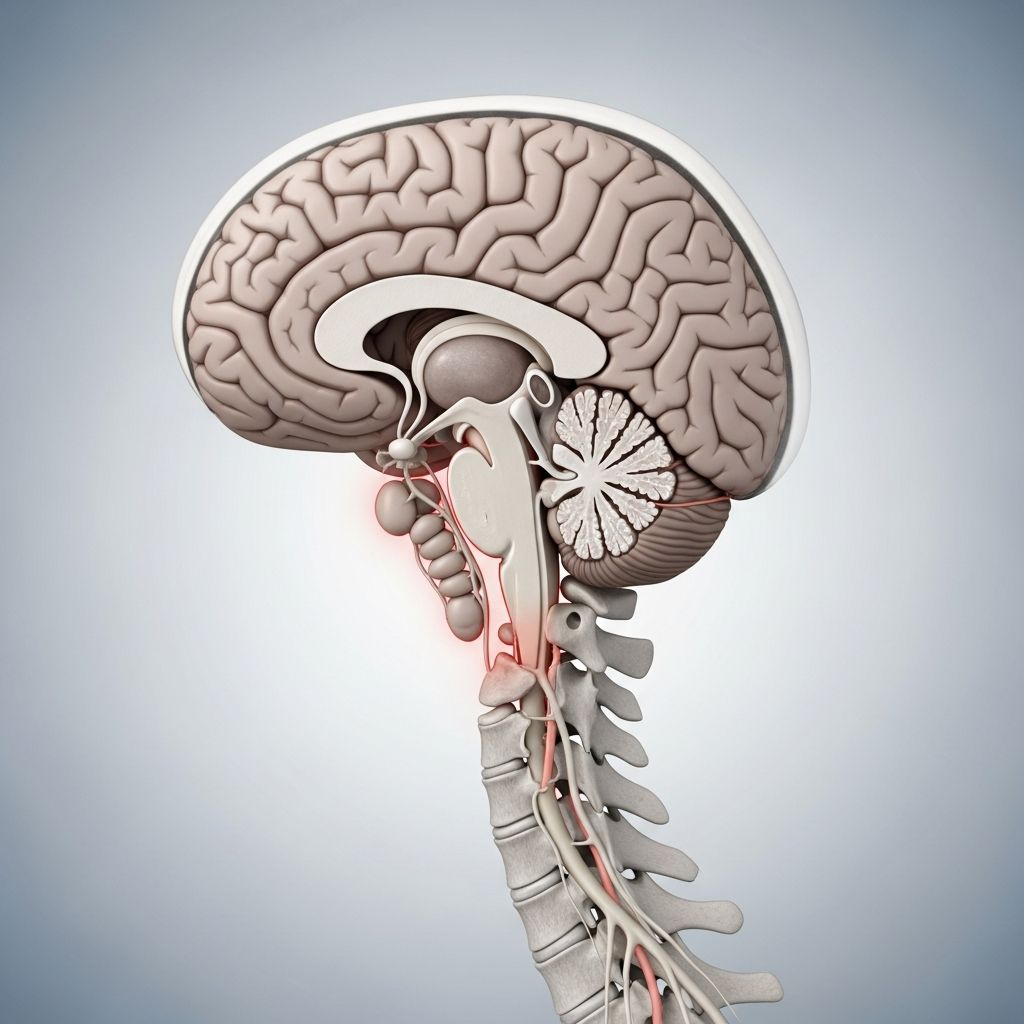
Chiari Malformation Type I: Understanding the Condition
Chiari malformation type I (CM1) is a structural disorder in which brain tissue extends into the spinal canal. In this condition, the lower portions of the cerebellum, known as cerebellar tonsils, protrude through the foramen magnum—the opening at the base of the skull—into the upper spinal canal. This anatomical abnormality can obstruct the normal flow of cerebrospinal fluid (CSF) and create pressure on the surrounding nerve structures and spinal cord. The cerebellum plays a crucial role in coordinating movement, maintaining balance, and regulating vital functions, making this malformation potentially significant for overall neurological health.
While Chiari malformation type I is present from birth, many individuals remain asymptomatic throughout their lives and may never know they have the condition. In others, symptoms may develop gradually over time or emerge suddenly following a specific triggering event. The severity of symptoms varies widely among individuals, ranging from mild and manageable to severe and debilitating, depending on factors such as the degree of tonsillar descent and the extent of CSF obstruction.
Causes and Risk Factors
The exact cause of Chiari malformation type I remains incompletely understood, though researchers have identified several potential contributing factors. In many cases, the condition appears to result from a structural problem in which the skull or vertebral column is too small to accommodate the brain tissue properly. This creates a mismatch between the size of the posterior fossa—the space at the back of the skull—and the volume of brain tissue it must contain.
Genetic and Developmental Factors
Chiari malformation type I can have a genetic basis, suggesting that inherited factors may predispose individuals to developing this condition. Some cases occur as part of genetic syndromes such as Klippel-Feil syndrome or other hereditary skeletal dysplasias. Additionally, certain developmental abnormalities affecting bone formation and skull development can contribute to the formation of this malformation.
Secondary Causes
While many cases are congenital, Chiari malformation type I can also develop secondarily in response to various conditions. These include:
- Traumatic spinal cord injury or tethered spinal cord
- Syringomyelia (fluid-filled cavities within the spinal cord)
- Hydrocephalus (excessive accumulation of cerebrospinal fluid)
- Intracranial tumors creating increased pressure
- Cerebrospinal fluid leakage around the spinal cord
- Basilar invagination or platybasia (abnormal positioning of the skull base)
In some cases, the condition may develop due to traction mechanisms, where structural abnormalities lower in the spinal canal mechanically pull down on the cerebellar tissue, causing gradual descent of the tonsils.
Signs and Symptoms
The clinical presentation of Chiari malformation type I varies significantly among affected individuals. Some people remain completely asymptomatic and never experience any symptoms, while others develop progressive neurological manifestations. When symptoms do occur, they typically emerge during late childhood, adolescence, or adulthood, though presentation timing can vary considerably.
Primary Symptoms
The most characteristic symptom of Chiari malformation type I is a severe headache located at the back of the head, often described as pressure-like or throbbing. These headaches frequently worsen with activities that increase intracranial pressure, such as coughing, sneezing, straining, laughing, or bending over. The pain may radiate into the neck and shoulders, and attacks can be sporadic or follow predictable patterns.
Related Stories



Neurological Symptoms
Beyond headaches, individuals with Chiari malformation type I may experience a range of neurological symptoms related to brainstem compression and spinal cord involvement:
- Loss of coordination and balance difficulties
- Muscle weakness, particularly in the limbs
- Numbness or tingling sensations in the hands, feet, or extremities
- Poor hand-eye coordination and fine motor difficulties
- Difficulty swallowing (dysphagia) or speaking
- Voice changes, including hoarseness
- Dizziness or vertigo
- Vision problems, including blurred vision or double vision
- Ringing in the ears (tinnitus) or hearing difficulties
Associated Complications
In some cases, Chiari malformation type I can lead to syringomyelia, a condition characterized by the formation of fluid-filled cavities or syrinxes within the spinal cord. This complication can result in progressive weakness, stiffness, and pain in the back, shoulders, arms, and legs. Scoliosis, an abnormal curvature of the spine, occurs more frequently in pediatric patients, particularly those with associated syringomyelia. Additionally, some individuals experience sleep apnea, autonomic dysfunction symptoms such as fainting, and gastrointestinal issues including vomiting and bowel disturbances.
Pediatric Presentation
In children and infants, Chiari malformation type I may present differently than in adults. Pediatric patients are more likely to exhibit brainstem dysfunction, feeding difficulties due to impaired swallowing reflexes, sleep apnea, and developmental delays. Parents may notice their child displays excessive crying, irritability, or failure to thrive. Some children develop scoliosis as a consequence of the malformation or associated syringomyelia.
Diagnosis and Imaging
Diagnosing Chiari malformation type I typically involves neuroimaging studies, with magnetic resonance imaging (MRI) being the gold standard for visualization and assessment. MRI provides detailed images of the brain, spinal cord, and cerebrospinal fluid spaces, allowing physicians to measure the degree of cerebellar tonsillar descent and evaluate for associated complications.
Diagnostic Criteria
The diagnosis of Chiari malformation type I is confirmed when cerebellar tonsils extend more than 3-5 millimeters below the foramen magnum on imaging studies. However, the presence of tonsillar descent alone does not necessarily indicate clinical significance; symptom correlation and assessment of CSF flow dynamics are important diagnostic considerations.
Additional Imaging Considerations
Beyond standard MRI, additional imaging modalities may be employed to evaluate associated conditions and complications:
- Dynamic MRI studies to assess cerebrospinal fluid flow patterns
- Cine MRI to evaluate the movement of CSF through the spinal canal
- Computed tomography (CT) imaging to evaluate skeletal abnormalities and skull base anatomy
- Spinal cord imaging to detect syringomyelia or other structural abnormalities
Treatment Options
Management of Chiari malformation type I depends on whether symptoms are present and their severity. Many asymptomatic individuals discovered incidentally on imaging require only periodic monitoring and clinical observation, as the malformation may never produce symptoms during the person’s lifetime.
Conservative Management
For symptomatic patients with mild to moderate symptoms, conservative treatment approaches may be implemented initially:
- Activity modification to avoid triggering factors and high-impact activities
- Pharmacological management of headaches with appropriate pain relievers or preventive medications
- Nonsteroidal anti-inflammatory drugs (NSAIDs) for pain management
- Physical therapy and rehabilitation to improve strength and balance
- Regular neurological monitoring to assess symptom progression
- Lifestyle modifications to reduce intracranial pressure fluctuations
Surgical Intervention
Surgery may be recommended when conservative measures fail to control symptoms or when progressive neurological deterioration occurs. The most common surgical procedure for Chiari malformation type I is posterior fossa decompression, which aims to restore normal cerebrospinal fluid flow and relieve pressure on neural structures. This procedure involves enlarging the space at the back of the skull and upper spine to accommodate the cerebellar tissue and facilitate improved CSF circulation.
Surgical approaches may include:
- Suboccipital decompression and duraplasty
- Laminectomy (removal of vertebral bone) to increase spinal canal space
- Tonsillar cauterization or reduction in selected cases
- Tethered spinal cord release if spinal cord tethering is identified
- Syringe drainage procedures for large syrinxes causing significant symptoms
Living with Chiari Malformation Type I
Symptom Management Strategies
Individuals diagnosed with Chiari malformation type I can implement various strategies to minimize symptom exacerbation and optimize quality of life. Maintaining good posture, avoiding sudden pressure changes, staying well-hydrated, managing stress effectively, and engaging in appropriate exercise can help reduce symptom frequency and severity. Identifying and avoiding personal trigger factors, such as specific activities or environmental conditions that worsen symptoms, allows for better symptom control.
Follow-up Care
Regular neurological evaluation and periodic imaging studies help track disease progression and detect potential complications early. Asymptomatic individuals should undergo periodic assessment to monitor for symptom development, while symptomatic patients require ongoing evaluation to assess treatment effectiveness and inform management decisions.
Frequently Asked Questions
Q: Is Chiari malformation type I life-threatening?
A: While Chiari malformation type I is rarely life-threatening, it can cause significant disability if left untreated. Most individuals with mild cases experience no serious complications, though progressive symptoms or associated syringomyelia may require intervention to prevent permanent neurological damage.
Q: Can Chiari malformation type I be cured?
A: There is no cure for Chiari malformation type I, but symptoms can be effectively managed through conservative or surgical treatment. Surgery aims to halt symptom progression and improve quality of life rather than completely resolve the underlying anatomical abnormality.
Q: Will my child outgrow Chiari malformation?
A: Chiari malformation type I is a permanent structural condition that will not resolve on its own. However, symptom severity may change over time, and some individuals experience periods of stability with minimal or no symptom progression.
Q: Can pregnancy affect Chiari malformation symptoms?
A: Hormonal changes and increased intracranial pressure during pregnancy may temporarily worsen symptoms in some women. Healthcare providers should be informed of the diagnosis so appropriate precautions and monitoring can be implemented during pregnancy and delivery.
Q: How often should I have imaging studies repeated?
A: The frequency of imaging depends on individual circumstances and symptom status. Asymptomatic individuals may require imaging every 1-3 years, while symptomatic patients or those undergoing treatment may need more frequent studies to assess disease progression and treatment response.
References
- Chiari Malformation Type 1 — University of Chicago Medicine and Biological Sciences. Accessed 2025. https://mhfcp.uchicago.edu/chiari-malformation/
- Chiari Malformation Type 1 – StatPearls — National Center for Biotechnology Information (NCBI). 2024. https://www.ncbi.nlm.nih.gov/books/NBK554609/
- Chiari Malformation: Symptoms and Causes — Mayo Clinic. 2024. https://www.mayoclinic.org/diseases-conditions/chiari-malformation/symptoms-causes/syc-20354010
- Chiari Malformation — National Health Service (NHS). Accessed 2025. https://www.nhs.uk/conditions/chiari-malformation/
- Chiari Malformation: What It Is, Symptoms, Types & Treatment — Cleveland Clinic. 2024. https://my.clevelandclinic.org/health/diseases/6008-chiari-malformation
Similar Articles








Read full bio of medha deb