Chick-fil-A’s Shift Away from Antibiotic-Free Chicken
Understanding Chick-fil-A's transition from No Antibiotics Ever to a modified antibiotic policy
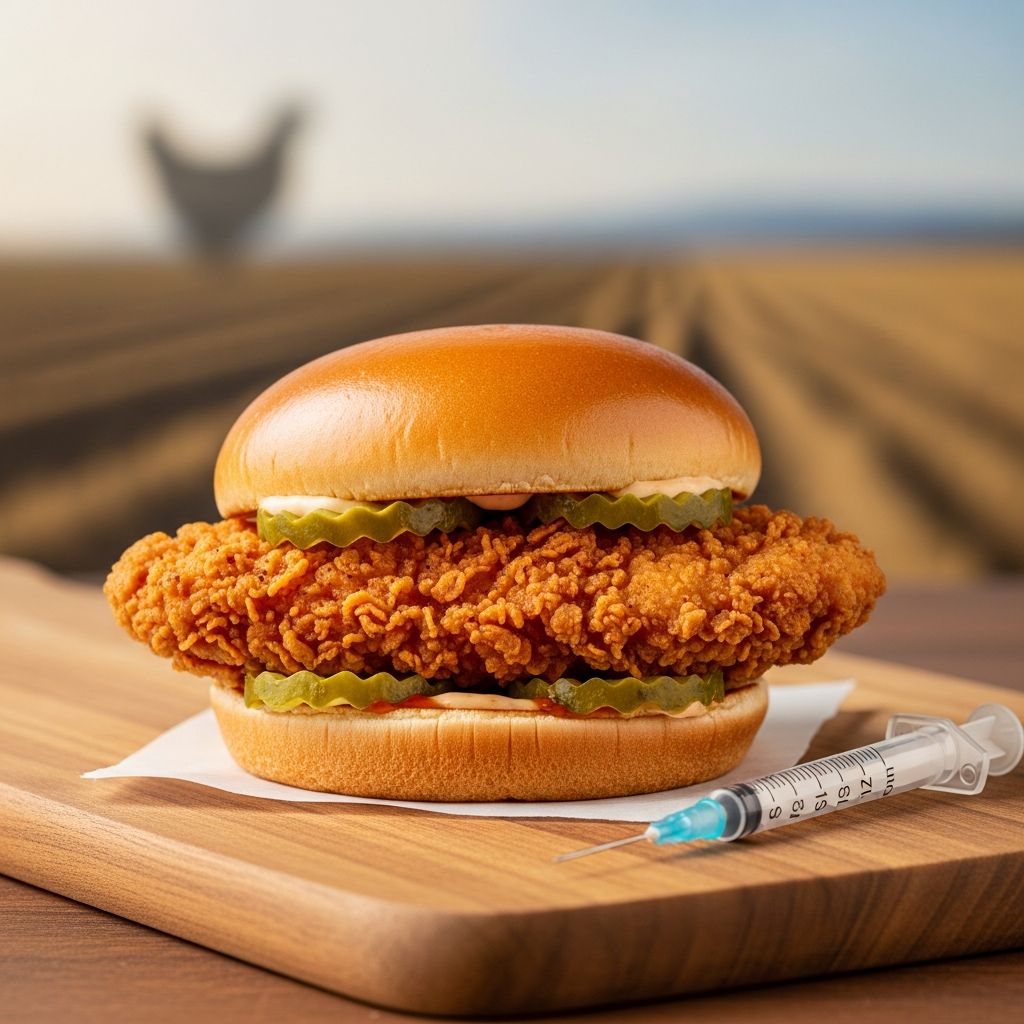
Chick-fil-A’s Antibiotic Policy Change: What You Need to Know
In spring 2024, Chick-fil-A announced a significant shift in its approach to chicken sourcing that surprised consumers and industry observers alike. After more than a decade of commitment to serving chicken raised without antibiotics, the fast-food chain reversed its stance, moving from a “No Antibiotics Ever” (NAE) standard to a “No Antibiotics Important to Human Medicine” (NAIHM) policy. This change marked a departure from a promise the company made in 2014 to exclusively source antibiotic-free chicken across all its U.S. restaurants and Puerto Rico locations.
The Original Commitment: A Decade of Promise
Chick-fil-A’s journey toward antibiotic-free chicken began in February 2014, when the company made a bold public commitment to source exclusively from suppliers raising chickens without any antibiotics. The restaurant chain pledged to complete this transition within five years, setting an ambitious goal for 2019. This announcement came during a period of heightened consumer and advocacy group pressure on the food industry to reduce antibiotic use in livestock production.
The move was significant because Chick-fil-A positioned itself as a leader in food safety and animal welfare standards. As the primary identifier in the company’s name, chicken became central to the brand’s identity and promise to consumers. The NAE commitment resonated with health-conscious consumers concerned about antibiotic resistance and the overuse of medications in food production.
Understanding the Policy Shift
The transition from NAE to NAIHM represents a meaningful but less stringent standard. Under the new NAIHM policy, Chick-fil-A will continue to refrain from using antibiotics that are important to human medicine—medications that doctors prescribe to treat bacterial infections in people. However, the company now permits the use of animal-specific antibiotics to treat sick birds and flocks when necessary.
According to Chick-fil-A’s official statement, antibiotics will only be administered “if the animal and those around it were to become sick.” This distinction attempts to balance animal welfare with supply chain realities. The company emphasized that it will maintain high-quality standards while addressing availability concerns that prompted the policy change.
Why Chick-fil-A Made the Change
Supply Chain Challenges
Chick-fil-A cited supply chain challenges as the primary reason for reversing its NAE commitment. According to company statements, procuring sufficient quantities of antibiotic-free chicken at acceptable price points became increasingly difficult. The company stated on its website that “as we looked to the future, the availability of high-quality chicken that meets our rigid standards became a concern.”
However, experts and critics have questioned this explanation. The National Chicken Council estimates that more than 50% of chicken production is conducted without antibiotics, suggesting that antibiotic-free supply exists but may come at higher costs. Food safety advocates argue that the real issue is not availability but rather the price point Chick-fil-A is willing to pay to maintain profit margins while sourcing exclusively antibiotic-free chicken.
Industry-Wide Trends
Chick-fil-A was not alone in facing these pressures. Other major fast-food chains and poultry producers have made similar moves. In July 2023, poultry giant Tyson Foods announced it would drop its NAE labeling and transition to NAIHM standards for some chicken products. Tyson reintroduced ionophores—antibiotics not classified as medically important—into its chickens’ diets as part of this shift.
Related Stories



Other fast-food chains including McDonald’s, KFC, and Papa John’s have adopted NAIHM policies rather than maintaining stricter NAE standards, citing comparable supply and availability concerns. Panera Bread, an early adopter of antibiotic-free proteins, recently made a similar policy adjustment, underscoring the industry-wide challenges in maintaining exclusive NAE commitments.
The Antibiotic Resistance Connection
The use of antibiotics in livestock production remains a significant public health concern. Antibiotic stewardship advocates argue that widespread use of medically important antibiotics in food-producing animals contributes to the emergence and spread of antimicrobial resistance. This resistance makes infections harder to treat in both animals and humans.
The Food and Drug Administration (FDA) began cracking down on certain antibiotic use in livestock in 2013 after research indicated these drugs could contribute to treatment-resistant bacterial infections in people. Despite this regulatory attention, antibiotics remain commonly used in livestock production for disease prevention and growth promotion purposes.
However, recent data suggests progress in reducing medically important antibiotic use in poultry. According to the FDA’s Center for Veterinary Medicine, poultry accounted for only 2% of medically important antibiotic sales in 2022, indicating a significant decline from historical levels due to industry commitments and consumer pressure.
Industry Standards and Alternatives
| Company/Policy | Standard | Status |
|---|---|---|
| Chick-fil-A (Original) | No Antibiotics Ever (NAE) | Discontinued Spring 2024 |
| Chick-fil-A (Current) | No Antibiotics Important to Human Medicine (NAIHM) | Active |
| Tyson Foods | No Antibiotics Important to Human Medicine (NAIHM) | Active |
| McDonald’s | No Antibiotics Important to Human Medicine (NAIHM) | Active |
| KFC | No Antibiotics Important to Human Medicine (NAIHM) | Active |
| Papa John’s | No Antibiotics Important to Human Medicine (NAIHM) | Active |
How Antibiotics Are Actually Used in Poultry Production
A critical concern raised by food safety experts involves how antibiotics are administered in commercial poultry operations. While Chick-fil-A claims antibiotics will only be given to sick animals, actual practices in industrial poultry production often differ from this ideal scenario.
Checking individual birds to determine which ones are sick and administering targeted antibiotic treatment proves impractical and expensive in large commercial operations. Instead, a common industry practice involves adding antibiotics to feed or water supplied to entire flocks, meaning all birds receive medication regardless of individual illness status. This mass medication approach directly contradicts the stated intention of treating only sick animals.
This discrepancy between stated policy and actual practice represents a key concern for antibiotic resistance advocates. Without individual assessment and targeted treatment, the risk of contributing to resistance development remains significant, even under NAIHM standards.
Consumer Reaction and Industry Impact
The announcement sparked immediate backlash from consumers and food safety advocates. Social media users expressed disappointment and threatened boycotts of the chain. Food safety experts warned that the policy reversal could set a dangerous precedent throughout the food industry, potentially encouraging other companies to relax their own antibiotic-free commitments.
Some observers noted that the policy change was particularly significant because of what Chick-fil-A represents in the fast-food landscape. As a company whose name literally centers on chicken, the shift undermines the brand’s positioning around quality and safety. Critics argue the decision prioritized profit margins over the public health benefits that broader antibiotic-free sourcing provides.
Other Chick-fil-A Commitments Under Pressure
The antibiotic policy change coincides with another challenge to Chick-fil-A’s animal welfare commitments. In 2016, the company pledged to source only 100% cage-free eggs by 2026. However, the company recently acknowledged that meeting this commitment within the stated timeframe is “uncertain” due to industry dynamics and the significant impact of avian flu on poultry production.
These developments suggest broader challenges facing the fast-food industry in maintaining ambitious sourcing commitments when faced with supply chain disruptions and market pressures.
Key Takeaways About the Policy Change
- Original Commitment: Chick-fil-A promised antibiotic-free chicken (NAE) in 2014, aiming to complete the transition by 2019
- New Policy: Starting spring 2024, the company shifted to NAIHM, allowing animal-specific antibiotics for treating sick birds
- Stated Reason: Supply chain challenges and difficulty sourcing sufficient antibiotic-free chicken at acceptable costs
- Industry Context: Multiple fast-food chains and poultry producers have made similar moves, including Tyson Foods, McDonald’s, and KFC
- Public Health Impact: NAIHM allows medically important antibiotics for human use, creating potential public health concerns regarding antibiotic resistance
- Consumer Reaction: The change sparked significant backlash and boycott threats on social media
Frequently Asked Questions
Q: What is the difference between NAE and NAIHM?
A: No Antibiotics Ever (NAE) means no antibiotics of any kind are used in raising the chicken. No Antibiotics Important to Human Medicine (NAIHM) allows animal-specific antibiotics for treating sick birds but prohibits antibiotics commonly used to treat human infections.
Q: Why did Chick-fil-A change its policy?
A: Chick-fil-A cited supply chain challenges and difficulty procuring sufficient quantities of antibiotic-free chicken at costs it deemed acceptable. However, critics argue that antibiotic-free chicken supply exists but at higher price points than the company is willing to pay.
Q: Does NAIHM mean the chicken contains antibiotics?
A: Under NAIHM, chicken may contain animal-specific antibiotics used to treat sick birds, but will not contain antibiotics important to human medicine. However, in practice, entire flocks may receive antibiotics through feed or water even if only some birds are sick.
Q: Are other fast-food chains making similar changes?
A: Yes, multiple chains including McDonald’s, KFC, Papa John’s, and Tyson Foods have either maintained or adopted NAIHM standards rather than strict antibiotic-free policies, citing comparable supply chain challenges.
Q: Does the NAIHM policy affect food safety for consumers?
A: While NAIHM excludes antibiotics used in human medicine, food safety advocates remain concerned about the potential for antibiotic resistance development and argue that NAE standards provide greater public health protection.
Q: When did the new policy take effect?
A: Chick-fil-A began the transition to NAIHM in spring 2024, so most of the chicken served at U.S. locations currently operates under this new standard.
References
- Chick-fil-A shifts its antibiotics-free commitment — Nation’s Restaurant News. 2024-03-24. https://www.nrn.com/quick-service/chick-fil-a-shifts-its-antibiotics-free-commitment
- Chick-fil-A to drop ‘no antibiotics ever’ policy on chicken — Restaurant Dive. 2024. https://www.restaurantdive.com/news/chick-fil-a-antibiotics-chicken-tyson-policy/711526/
- Chick-Fil-A to modify its policy on antibiotic use — CIDRAP, University of Minnesota. 2024. https://www.cidrap.umn.edu/antimicrobial-stewardship/chick-fil-modify-its-policy-antibiotic-use
- Should You Worry About Chick-Fil-A’s Antibiotic Policy Change? — Northeastern University News. 2024-03-27. https://news.northeastern.edu/2024/03/27/chick-fil-a-antibiotics-chicken/
- No Antibiotics Important to Human Medicine — Chick-fil-A Official Website. 2024. https://www.chick-fil-a.com/customer-support/our-food/quality-ingredients-and-sourcing/why-is-chick-fil-a-moving-to-no-antibiotics-important-to-human-medicine
- Great Food You Can Feel Good About Eating — Chick-fil-A Official Website. 2024. https://www.chick-fil-a.com/about/great-food
- Antimicrobial Stewardship Overview — Food and Drug Administration, Center for Veterinary Medicine. 2023. https://www.fda.gov/animal-veterinary/antimicrobial-stewardship
Similar Articles








Read full bio of medha deb