Chickenpox And Shingles: Essential Guide To Symptoms, Vaccines
Everything you need to know about chickenpox, shingles, symptoms, transmission, vaccines, and prevention strategies for these viral infections.
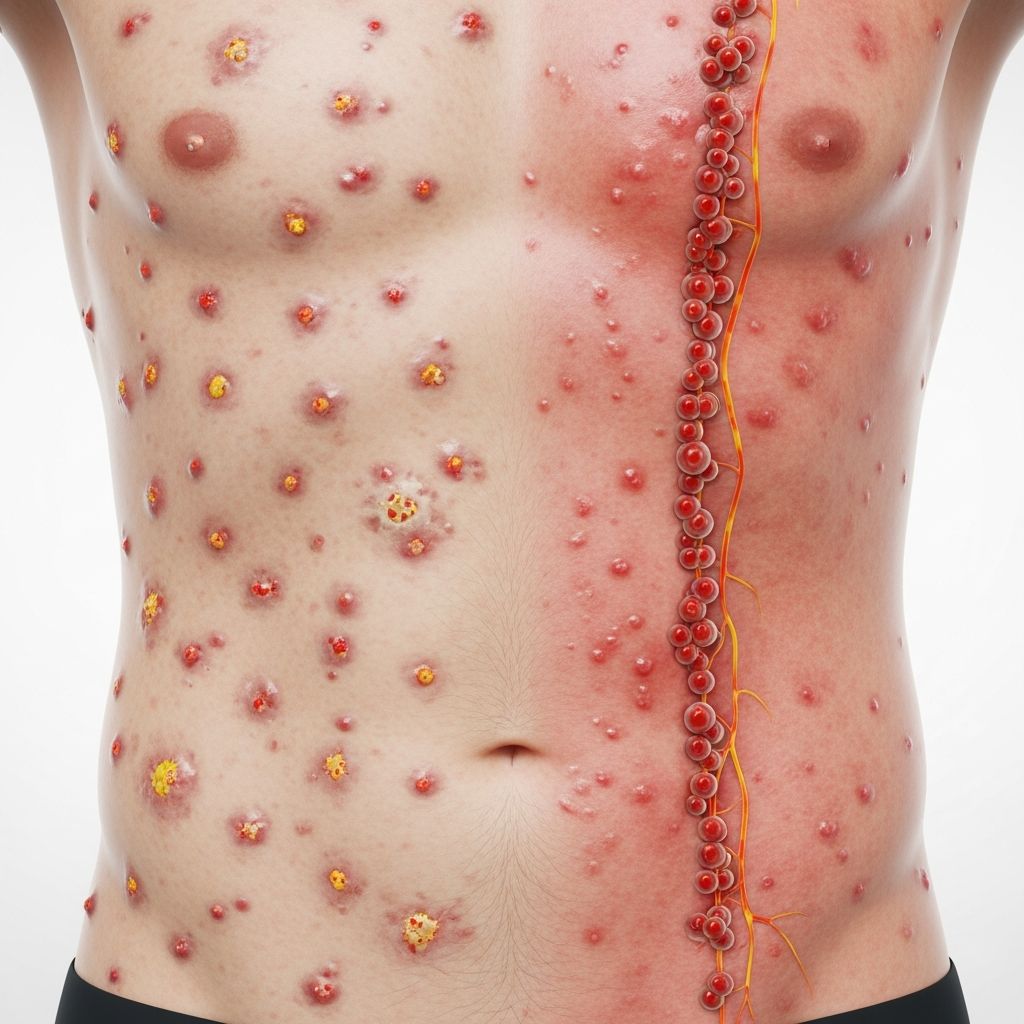
Chickenpox, also known as varicella, and shingles, or herpes zoster, are both caused by the varicella-zoster virus (VZV). Chickenpox is a highly contagious childhood illness characterized by an itchy rash, while shingles is a painful reactivation of the same virus later in life, typically in adults. Understanding these conditions is crucial for prevention, especially through vaccination, as they can lead to serious complications in vulnerable populations.
What Are Chickenpox and Shingles?
Chickenpox is a common viral infection primarily affecting children, caused by VZV. After initial infection, the virus lies dormant in nerve cells and can reactivate years later as shingles. Vaccinated individuals may experience milder symptoms, but the virus can still spread. Shingles presents as a unilateral rash with pain, often following a dermatome (nerve pathway).
These infections are linked: direct contact with a shingles rash can transmit chickenpox to those without immunity, but not shingles itself. Public health measures emphasize reporting and vaccination to control outbreaks.
Symptoms of Chickenpox
Chickenpox symptoms typically begin with prodromal signs like fever, runny nose, cough, loss of appetite, headache, and fatigue, followed by the hallmark rash. The rash evolves in stages: small red spots or bumps develop into fluid-filled blisters over 3-4 days, then crust over in 4-7 days. Lesions appear in crops over several days, showing various stages simultaneously, and can affect the mouth, ears, scalp, and genital areas.
- Rash progression: Red macules 6gt; vesicles (blisters) 6gt; pustules 6gt; scabs
- Fever up to 102DF (38.9DC)
- Itching, especially intense in blisters
- Up to 500 lesions in severe cases
In adults or immunocompromised individuals, symptoms can be severe, with higher fever and more lesions.
Symptoms of Shingles
Shingles manifests as an itchy or painful rash of red bumps or blisters confined to a narrow area on one side of the body, following a dermatome. Initial symptoms include pain, tingling, or burning before the rash appears, often on the torso, face, or limbs. The rash blisters, then crusts over in 7-10 days. Postherpetic neuralgia (persistent nerve pain) affects up to 20% of cases, especially in older adults.
- Painful, unilateral rash
- Fever, headache, chills in some cases
- Sensitivity to touch in affected area
- Blisters that scab over
How Chickenpox Spreads
Chickenpox is highly contagious, spreading via airborne droplets from coughing/sneezing or direct contact with rash blisters. Contagiousness starts 1-2 days before the rash and lasts until all blisters crust over (typically 5-7 days). Incubation period is 10-21 days, averaging 14-16 days. Household secondary attack rates exceed 90% in unvaccinated groups.
Indirect spread via contaminated objects is minimal; primary modes are respiratory and contact. Pregnant women can transmit to fetuses (congenital varicella syndrome) or newborns.
Chickenpox Incubation and Contagious Periods
| Aspect | Details |
|---|---|
| Incubation Period | 10-21 days (usually 14-16 days) |
| Contagious Start | 1-2 days before rash |
| Contagious End | All blisters crusted (5-7 days after rash onset) |
| Shingles Contagiousness | Until blisters crust; transmits chickenpox only |
Related Stories



Shingles Transmission Risks
Shingles spreads chickenpox (not shingles) via direct contact with fluid from uncrusted blisters. It does not spread through air like chickenpox. Those with shingles should cover the rash and avoid contact with non-immune pregnant women, infants, and immunocompromised individuals.
Chickenpox Vaccine
The varicella vaccine is routine for children: first dose at 12-15 months, second at 4-6 years. It prevents 90% of cases and reduces severity in breakthroughs. Post-vaccination rash (mild, few lesions) may occur 5-26 days after injection. Adults without immunity, especially healthcare workers, should vaccinate. Post-exposure vaccination within 3-5 days can prevent or mitigate illness.
- Two-dose series for lifelong protection
- Safe for most; contraindicated in pregnancy/immunosuppression
- Reduces shingles risk later in life
Shingles Vaccine (Shingrix)
Recombinant zoster vaccine (Shingrix) is recommended for adults 50+ or 19+ with risks. Two doses, 2-6 months apart, provide >90% efficacy against shingles and postherpetic neuralgia. It’s non-live, safe for immunocompromised. Prior chickenpox or Zostavax history doesn’t preclude it.
Treatment for Chickenpox and Shingles
Supportive care is primary: acetaminophen for fever/pain (avoid aspirin due to Reye’s syndrome risk). Antihistamines or calamine lotion relieve itching. Keep nails short to prevent secondary bacterial infections. For high-risk cases (immunocompromised, adults, neonates), oral antivirals like acyclovir within 24-72 hours shorten duration.
- Chickenpox: Oatmeal baths, hydration
- Shingles: Antivirals (acyclovir, valacyclovir), pain management (gabapentin for neuralgia)
- Consult doctor for severe symptoms
Reye’s syndrome, linked to aspirin, causes liver/brain damage; use alternatives.
Prevention and Control Measures
Key strategies include vaccination, exclusion of contagious cases, hand hygiene, and surface disinfection. Report chickenpox cases to public health within 4 days; outbreaks (3+ cases in 21 days) require notification. VariZIG (varicella-zoster immune globulin) for high-risk exposed contacts (up to 10 days post-exposure).
- Vaccinate unexposed contacts promptly
- Exclude until crusted (6 days typical)
- Cover shingles/post-vax rashes for attendance
- Notify pregnant/immunocompromised exposures
Chickenpox in Pregnancy and Newborns
Pregnant women without immunity risk severe pneumonia or fetal varicella syndrome (limb atrophy, scars). Newborns of infected mothers face disseminated disease. Immediate VariZIG and monitoring advised. Vaccination pre-pregnancy for non-immune women.
Exclusion Guidelines for Schools and Childcare
| Group | Exclusion Policy |
|---|---|
| Active Chickenpox | Until all lesions crusted (usually 6 days) |
| Mild Vaccinated Case | Until no new lesions for 24 hours |
| Shingles (covered rash) | May attend |
| Post-Vaccination Rash | May attend if covered |
Role of Caregivers, Teachers, and Families
Encourage vaccinations, report cases promptly, notify exposures (especially to vulnerable groups), and maintain hygiene. Sample notification letters aid outbreak management.
Frequently Asked Questions (FAQs)
Can you get chickenpox twice?
Typically no, due to lifelong immunity, but rare reinfections occur, especially in immunocompromised.
Does shingles spread to others?
Shingles spreads chickenpox via blister contact to non-immune people, not shingles.
Is the chickenpox vaccine safe?
Yes, highly effective and safe; mild rash possible post-vaccination.
What if exposed during pregnancy?
Contact doctor immediately for VariZIG assessment.
How to treat chickenpox itching?
Use calamine lotion, oatmeal baths, antihistamines; avoid scratching.
Who should get the shingles vaccine?
Adults 50+ or at-risk 19+; two doses.
This guide synthesizes critical information for managing chickenpox and shingles effectively.
References
- Chickenpox (Varicella) and Shingles (Herpes Zoster) — Colorado Department of Public Health & Environment. 2023. https://cdphe.colorado.gov/child-care-school-settings/chickenpox-shingles
- Facts about chickenpox — National Institutes of Health (PMC). 2009-07-31. https://pmc.ncbi.nlm.nih.gov/articles/PMC2722564/
Similar Articles








Read full bio of Sneha Tete