Chicken Soup Health Benefits: Science-Backed Healing Powers
Discover the science-backed health benefits of chicken soup and why it's more than just comfort food.
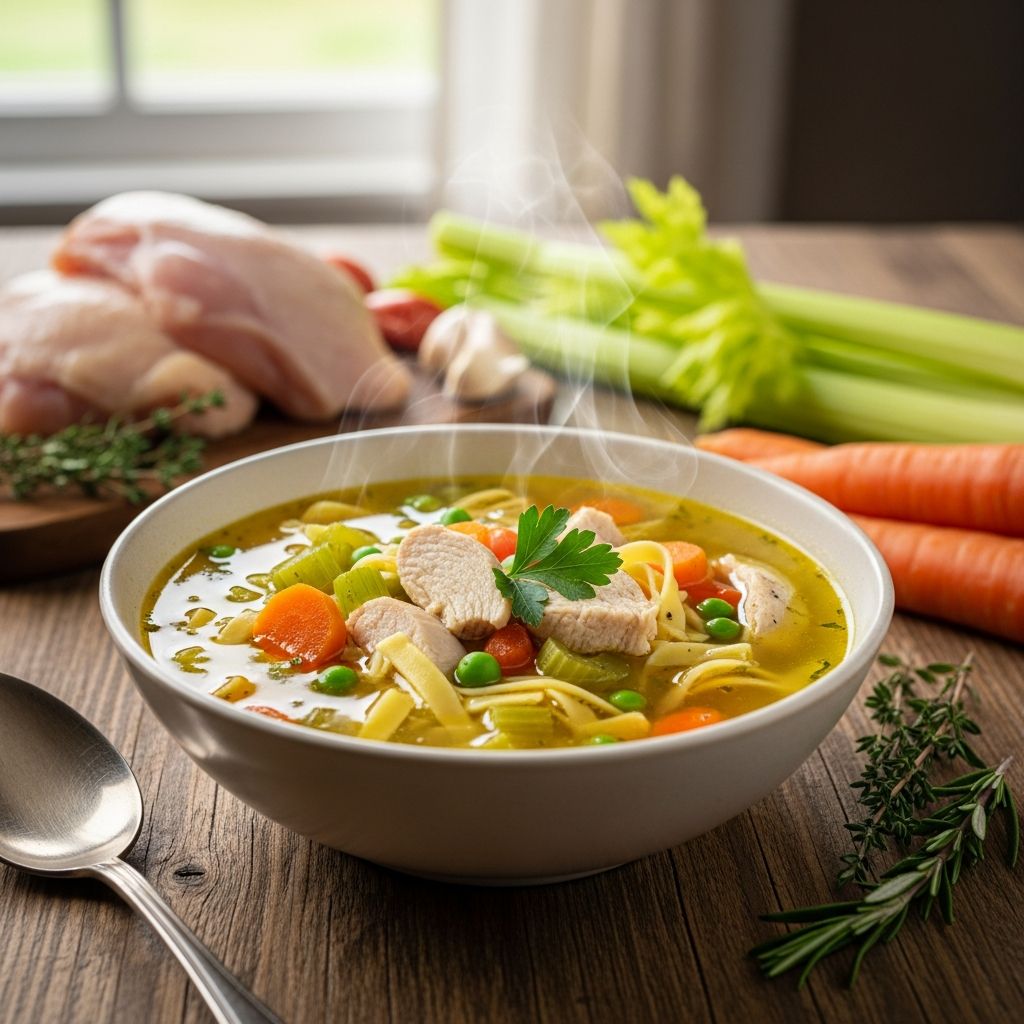
For generations, chicken soup has held a revered place in cultures worldwide, earning nicknames like “Jewish penicillin” and remaining a cornerstone of traditional medicine across Greece, China, Vietnam, and beyond. From avgolemono in Greece to ginger and scallion broths in Chinese cuisine and pho in Vietnamese cooking, chicken soup transcends cultural boundaries. Today, modern science is validating what traditional wisdom has long known: chicken soup offers genuine, measurable health benefits. This comprehensive guide explores the evidence-backed advantages of this timeless remedy and explains why nutritionists and researchers increasingly recommend it as part of a healthy diet.
Nutritional Composition of Chicken Soup
Chicken soup’s healing properties stem from its rich nutritional profile. Compared with pork and beef, chicken meat is high in proteins with rich essential amino acids while remaining low in fat and cholesterol content. During the stewing process, numerous nutrients in chicken meat—including proteins—are hydrolyzed and dissolved in water, making them bioavailable to the body.
This process results in broths that are particularly rich in:
- Collagen and peptides – Essential for joint and gut health
- Carnosine and anserine – Amino acids with antioxidant properties
- Taurine – Important for cardiovascular and neurological function
- Vitamins A, K, and C – From vegetables like carrots, celery, and onions
- Minerals and antioxidants – Supporting overall immune function
Bone broth, created by simmering bones for extended periods, concentrates these nutrients even further, delivering exceptional protein content along with the beneficial compounds above.
Immune System Support
One of the most significant health benefits of chicken soup is its ability to strengthen immune function. The protein and vitamins found in chicken soup work synergistically to boost immunity while stimulating digestive function. Research has demonstrated that different varieties of chicken soup activate distinct immune pathways, all contributing to enhanced immune response.
Scientific studies show that chicken soup promotes recovery from immune suppression by improving peripheral blood levels and increasing CD4+ T lymphocytes—critical white blood cells that coordinate immune responses. The soups studied stimulated the secretion of key immune signaling molecules including interleukins (IL-2, IL-6, IL-10), tumor necrosis factor-alpha (TNF-α), and interferon-gamma (IFN-γ).
Additionally, chicken soup increases immunoglobulin (antibody) concentrations, including IgA and IgG, which provide immediate defense against pathogens. Whether you’re combating active illness or maintaining preventive health, the immune-modulating compounds in chicken soup offer measurable protection.
Soothing Cold and Respiratory Symptoms
When illness strikes, chicken soup provides targeted relief for some of the most uncomfortable symptoms. A warm, clear chicken broth is exceptionally effective at combating sore throat and sinus congestion. The warmth itself provides comfort, while the salt and seasoning can help stimulate dulled taste buds and provide essential nourishment without taxing a compromised digestive system.
Historical research by Saketkhoo and colleagues (1978) compared chicken soup with hot water and cold water as treatments for cold symptoms. The results were striking: chicken soup relieved nasal congestion and runny nose significantly better than either water treatment. More recent investigations have confirmed these findings, suggesting that chicken soup may inhibit the migration of inflammatory cells, demonstrating anti-inflammatory activity that reduces congestion and discomfort.
Related Stories



For individuals struggling to eat when ill, chicken broth becomes a critical source of hydration and nutrition. The ease of consumption makes it particularly valuable for people with sore throats who find solid food impossible to manage.
Anti-Inflammatory Benefits
Chronic inflammation underlies many modern health conditions, making anti-inflammatory foods invaluable for disease prevention. Research has demonstrated that chicken soup exhibits anti-inflammatory activity through multiple mechanisms. By inhibiting the migration of inflammatory cells, chicken soup helps reduce the inflammatory cascade that exacerbates both acute illness and chronic conditions.
Studies using immunosuppressed animal models showed that chicken soups significantly decreased spleen index and alleviated inflammatory responses caused by immune challenges. The ginger and scallion varieties showed particularly strong anti-inflammatory effects, suggesting that the herbs and aromatics used in preparation amplify the broth’s inherent anti-inflammatory properties.
For those seeking to lower inflammation through diet, regular chicken soup consumption—particularly when prepared with nutrient-dense ingredients—represents an evidence-backed dietary intervention.
Digestive Health and Gut Support
The foundation of good health truly begins in the gut, and chicken soup supports digestive wellness in multiple ways. Bone broth, in particular, is exceptionally high in collagen, which helps line the digestive tract and soothe gut inflammation. Beyond structural support, chicken broth stimulates the flow of digestive juices, enhancing the body’s ability to break down and absorb nutrients from all foods consumed.
The gelatinous quality of well-made bone broth comes from collagen breakdown, and this collagen directly supports intestinal barrier function. For individuals with compromised digestive health or those recovering from illness, this gentle support proves invaluable. The broth’s easily digestible nutrients place minimal stress on an overtaxed system while delivering essential amino acids and minerals.
Furthermore, chicken soup is an excellent choice for special populations including individuals with dysphagia (swallowing difficulty) and those with neuromuscular diseases who require easily consumable, nutrient-dense foods.
Blood Health and Hematological Recovery
Beyond immune and digestive benefits, chicken soup supports healthy blood composition and recovery from immune challenges. Research demonstrates that the three varieties of chicken soup studied promoted recovery of bone marrow hematopoietic function—the process by which the body manufactures new blood cells.
In immunosuppressed animal models, chicken soup administration resulted in impressive recovery metrics:
- Platelet (PLT) count increases of 68-93%, approaching normal levels
- Red blood cell (RBC) count restoration
- Hemoglobin (HGB) level recovery
- Lymphocyte count improvement
These results suggest that unidentified factors in chicken meat enhance iron absorption and support hematological marker restoration. For individuals recovering from illness, anemia, or other blood-related health challenges, chicken soup offers nutritional support for blood regeneration.
How to Make Nourishing Chicken Bone Broth at Home
While commercial bone broth products are readily available, homemade versions offer superior nutritional value and flavor. Making bone broth at home is straightforward and economical, especially if you use bones from rotisserie chickens, bone-in thighs, or drumsticks.
Basic Bone Broth Recipe
Ingredients:
- 2-3 pounds chicken bones (preferably from pasture-raised chickens)
- 1 large onion, quartered
- 3-4 carrots, cut into chunks
- 3-4 celery stalks, cut into chunks
- 1 bunch fresh parsley (or rosemary, thyme, oregano)
- 1/2 tablespoon whole black peppercorns
- 4-5 quarts cold filtered water
- 1-2 tablespoons apple cider vinegar (optional but recommended)
Instructions:
- Place chicken bones in a large pot and cover with cold filtered water
- Add apple cider vinegar and let soak for 30 minutes to 2 hours (this helps draw collagen from bones)
- Bring water to a boil, then reduce to a gentle simmer
- Add vegetables, peppercorns, and fresh herbs
- Simmer for minimum 4 hours, preferably 8-12 hours
- Strain broth through a fine-mesh sieve into glass jars
- Allow to cool completely before refrigerating
- Store in refrigerator for up to 4 days or freeze for up to 3 months
The extended simmering time is crucial—it allows maximum extraction of collagen, minerals, and other beneficial compounds from the bones and vegetables.
Using Your Homemade Broth
Once you have a quality broth base, creating nourishing chicken soup becomes effortless. Consider preparing a weekly batch of chicken soup to maintain a ready supply in your refrigerator or freezer. Options for broth use include:
- Traditional chicken soup recipes with vegetables and protein
- Base for other soups and stews
- Cooking liquid for grains like rice or quinoa
- Sautéing vegetables for enhanced flavor and nutrition
- Sipping broth directly, particularly in the evening
The high glycine content in bone broth contributes to improved sleep quality, making evening broth consumption particularly beneficial.
Different Chicken Soup Varieties and Their Benefits
Research has identified distinct benefits among different chicken soup preparations. The three primary varieties studied showed immunomodulatory effects through different mechanisms:
| Soup Type | Primary Benefits | Mechanism |
|---|---|---|
| Ginger Chicken Soup (GCS) | Most effective at restoring blood indicators; promotes cytokine secretion | Enhances IL-2, IL-6, IL-10, TNF-α, and IFN-γ; increases IgA and IgG |
| Herbal Chicken Soup (HCS) | Stimulates Th1-type immune response; restores blood parameters | Promotes immunoglobulin secretion; improves hematological markers |
| Chinese Chicken Soup (CBS) | Promotes T-cell functions; improves blood cell counts | Increases CD4+ T lymphocytes; enhances lymphocyte and platelet counts |
These variations suggest that the vegetables, herbs, and preparation methods influence which immune pathways are activated, allowing individuals to select soups based on their specific health goals.
Incorporating Chicken Soup Into Your Wellness Routine
The recommendation to eat chicken soup regularly for better health is supported by both traditional practice and modern research. Whether consumed daily for preventive health or during illness for therapeutic benefit, chicken soup offers accessible nutrition that supports multiple body systems simultaneously.
For optimal results, prioritize homemade versions prepared with high-quality, pasture-raised chicken when possible. The nutritional density of pasture-raised chicken exceeds conventional varieties, and these chickens are typically raised without antibiotics or hormones, ensuring a cleaner nutritional source.
Make chicken soup preparation a regular practice. Weekly batch-cooking ensures you always have nourishing broth available, whether for quick meals or preventive health maintenance. Even on busy weeks when full soup preparation isn’t feasible, sipping premade bone broth provides immune and digestive support.
Frequently Asked Questions
Q: Is canned or packaged chicken soup as nutritious as homemade?
A: No. While convenient, packaged bone broth and canned soups cannot match the nutritional density of homemade versions. Homemade bone broth simmered for 8-12 hours extracts far more collagen, minerals, and beneficial compounds than commercially processed versions, and the taste is noticeably superior.
Q: How often should I consume chicken soup for health benefits?
A: Daily consumption is recommended for optimal benefits, though even 3-4 times weekly provides measurable health support. The key is consistency—regular consumption allows the immune-modulating and anti-inflammatory compounds to accumulate in your system.
Q: Can chicken soup replace medical treatment for colds or flu?
A: Chicken soup is an excellent supportive therapy that alleviates symptoms and supports immune function, but it should complement rather than replace medical care for serious illness. Consult healthcare providers for severe infections or persistent symptoms.
Q: What vegetables provide the most health benefits in chicken soup?
A: Carrots, celery, and onions are nutritional powerhouses, rich in vitamins A, K, and C along with antioxidants and minerals. Ginger, when included, adds anti-inflammatory compounds that enhance the soup’s therapeutic properties.
Q: How long does homemade bone broth last?
A: Properly strained and cooled bone broth stored in glass jars keeps in the refrigerator for up to 4 days. For longer storage, freeze in ice cube trays or containers for up to 3 months.
Q: Is chicken soup suitable for special diets?
A: Yes. Chicken soup is an excellent choice for people with dysphagia, neuromuscular diseases, and those requiring easily digestible nutrition. It’s also naturally paleo-friendly and can be adapted for various dietary preferences.
References
- Why You Should Eat Chicken Soup Every Day for Better Health — Pasture Bird. Accessed 2025. https://www.pasturebird.com/blogs/farmtalk/why-you-should-eat-chicken-soup-every-day-for-better-health
- Immunomodulatory effects of chicken soups prepared with the native — National Center for Biotechnology Information (NCBI). Published 2022. https://pmc.ncbi.nlm.nih.gov/articles/PMC9411684/
Similar Articles








Read full bio of medha deb