Chickenpox Essentials: Symptoms, Treatment, And Prevention
Comprehensive guide to chickenpox: symptoms, causes, treatment, complications, and prevention strategies for all ages.
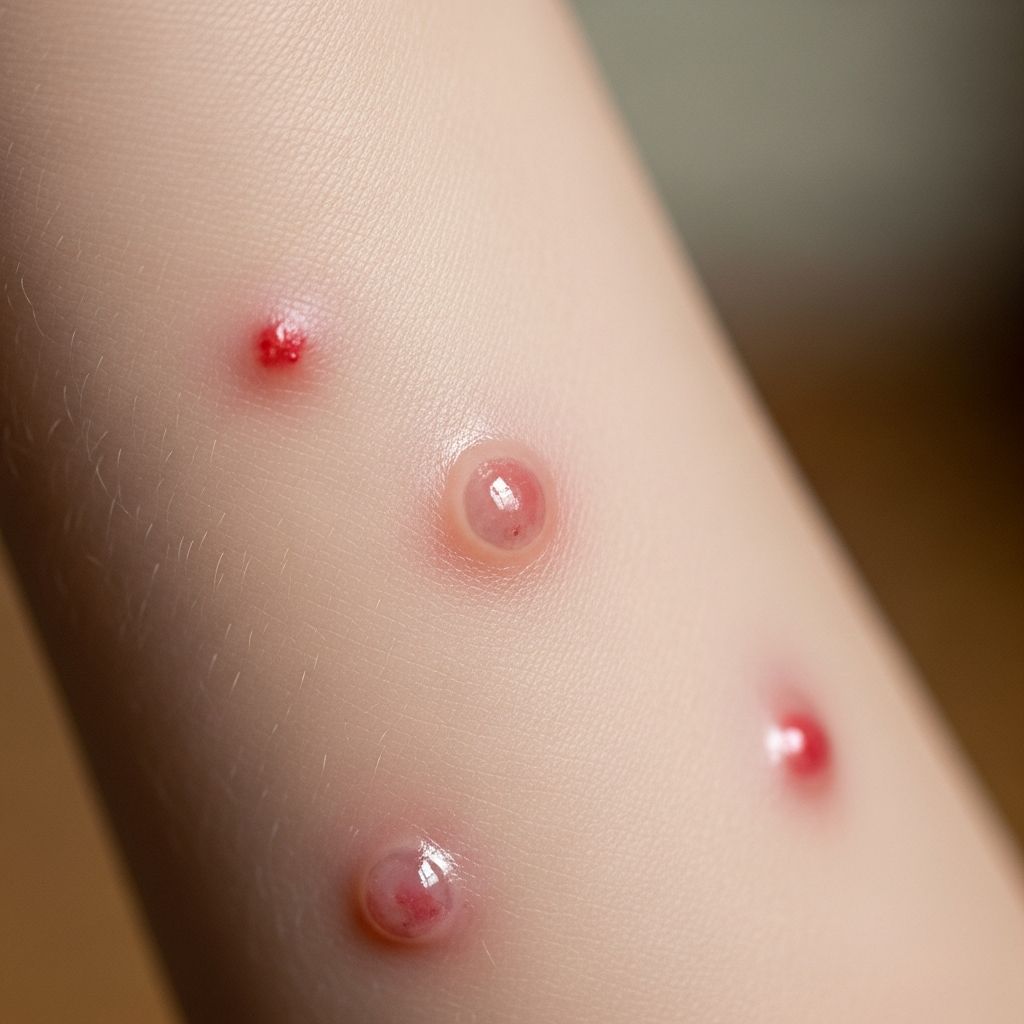
Chickenpox, also known as varicella, is a highly contagious disease caused by the varicella-zoster virus (VZV). It primarily affects children but can occur at any age, producing a characteristic itchy rash that evolves from red spots to fluid-filled blisters and scabs.
What is chickenpox?
Chickenpox manifests as an uncomfortable, itchy rash that turns into fluid-filled blisters and eventually scabs. Caused by the varicella-zoster virus, it spreads easily through airborne droplets or contact with blister fluid, with an incubation period of 10–21 days. The disease is usually mild in healthy children, lasting 5–10 days, but can lead to serious complications in adults, pregnant women, newborns, and immunocompromised individuals.
Who gets chickenpox?
Chickenpox most commonly affects unvaccinated children under 10 years old. However, adults without prior infection or vaccination remain susceptible, often experiencing more severe symptoms. High-risk groups include pregnant women, newborns, immunocompromised patients, and those with chronic lung or skin conditions. Prior infection or vaccination confers lifelong immunity in most cases.
Chickenpox incubation period
The incubation period—the time from exposure to rash onset—is typically 10–21 days, averaging 14–16 days. Patients are contagious from 1–2 days before the rash appears until all lesions crust over, usually 5–7 days later.
Chickenpox symptoms and signs
Initial symptoms include fever, headache, fatigue, and loss of appetite 1–2 days before the rash. The rash starts as itchy red macules or papules, progressing to vesicles (clear fluid-filled blisters) on an erythematous base, then pustules, and finally scabs. Lesions appear in crops over several days, affecting the trunk, face, scalp, and extremities. Oral lesions may cause discomfort. In adults, the rash may be more widespread with prolonged fever.
- Prodrome: Fever (38–39°C), malaise, anorexia (24–48 hours pre-rash).
- Rash stages: Macules → thin-walled vesicles → cloudy pustules → crusts/scabs (total evolution 1–2 mm to 1 cm in 4–7 days).
- Distribution: Centripetal (trunk > limbs), may involve mucous membranes.
- Lesion density: 250–500 per outbreak, up to 5000 in severe cases.
Chickenpox rash photos
The chickenpox rash evolves through distinct stages: pruritic erythematous macules progress to vesicles resembling ‘dew drops on a rose petal,’ then pustules and scabs. Images across skin types show similar progression, starting centrally and spreading. (Note: Visuals depict red spots turning to blisters on trunk, face, and limbs, emphasizing non-confluent nature unlike smallpox.)
Diagnosis of chickenpox
Diagnosis is clinical based on characteristic rash morphology and distribution. In atypical cases (e.g., vaccinated individuals or immunocompromised), PCR testing of lesion fluid confirms VZV DNA. Tzanck smear shows multinucleated giant cells, but lacks specificity. Differential diagnoses include herpes simplex, impetigo, or hand-foot-mouth disease.
Chickenpox treatment
Most cases are self-limiting, managed symptomatically. Focus on itch relief, fever control, and preventing secondary infection.
Symptomatic relief
- Cool oatmeal or baking soda baths.
- Calamine lotion or wet compresses.
- Trim nails; use mittens in children.
- Acetaminophen/paracetamol for fever/pain (avoid aspirin due to Reye syndrome risk; avoid ibuprofen due to necrotizing fasciitis risk).
- Oral antihistamines (e.g., diphenhydramine) for severe pruritus in children >1 year.
Related Stories



Antiviral therapy
Acyclovir, valacyclovir, or famciclovir shorten duration and reduce lesions if started within 24 hours of rash onset. Recommended for adults, immunocompromised, and complicated cases. Dosage: Acyclovir 10 mg/kg (child) or 800 mg 5x/day (adult) for 5–7 days.
What is the chickenpox vaccine?
The live attenuated varicella vaccine (e.g., Varivax) is highly effective, preventing 90% of cases after two doses. Recommended for children at 12–15 months and 4–6 years, adults without immunity, and high-risk groups. Post-exposure vaccination within 3–5 days may prevent or attenuate disease.
Differential diagnosis for chickenpox
| Condition | Key Differences from Chickenpox |
|---|---|
| Herpes simplex | Grouped vesicles on erythematous base; recurrent; fewer lesions. |
| Impetigo | Honey-crusted plaques; bacterial; no prodrome. |
| Hand-foot-mouth | Oral ulcers + acral vesicles; coxsackievirus; summer epidemic. |
| Smallpox (historical) | Confluent rash; centrifugal; hemorrhagic forms. |
| Rickettsialpox | Eschar + vesicular rash; urban rodents. |
Complications of chickenpox
Complications occur in <1% of pediatric cases but up to 30% in adults.
- Bacterial superinfection: Most common; impetigo, cellulitis, necrotizing fasciitis.
- Pneumonia: Viral or bacterial; dyspnea, cough (adults/pregnancy).
- Encephalitis/cerebellar ataxia: Ataxia, confusion (1/4000 cases).
- Reye syndrome: Aspirin-related; hepatic encephalopathy.
- Congenital varicella syndrome: Limb hypoplasia, scars (maternal infection weeks 7–20).
- Neonatal varicella: Severe if maternal rash 5 days pre- to 2 days post-delivery.
Chickenpox prevention
Vaccination is the cornerstone: two doses reduce outbreaks dramatically. Isolation of cases until crusted; VZIG for susceptible pregnant/newborn contacts within 10 days exposure. Hand hygiene, avoid contact with high-risk groups.
Chickenpox in pregnancy
Maternal chickenpox poses risks: pneumonia (10–20%), congenital syndrome (2%), neonatal infection (20–30% mortality if peripartum). Administer VZIG to non-immune pregnant exposures; acyclovir if symptomatic.
Chickenpox in adults
Adults suffer higher fever, rash density, and complication rates (pneumonia 15–30%). Antivirals advised within 24–48 hours.
Frequently asked questions (FAQs)
Is chickenpox contagious?
Yes, from 24–48 hours pre-rash to crusting (4–5 days). Airborne and contact spread.
How long does chickenpox last?
Rash evolves 5–10 days; full recovery 7–14 days in children.
Can you get chickenpox twice?
Rare; immunity lifelong post-infection. Breakthrough in vaccinated milder.
Is chickenpox dangerous for pregnant women?
Yes; risks pneumonia, fetal anomalies, neonatal death. Seek immediate care.
What to avoid with chickenpox?
Aspirin (Reye’s), ibuprofen (skin infections), scratching (scarring/infection).
When to see a doctor for chickenpox?
High fever >4 days, breathing issues, >100 lesions, neurological symptoms.
References
- Chickenpox (varicella): Symptoms, treatments and more — HealthPartners. 2023. https://www.healthpartners.com/blog/what-is-chickenpox/
- Doctor explains CHICKENPOX | Causes, Stages, Symptoms — YouTube (Medical Video). 2023. https://www.youtube.com/watch?v=i2G90pK6OhI
- Chickenpox – Symptoms and causes — Mayo Clinic. 2025-01-15. https://www.mayoclinic.org/diseases-conditions/chickenpox/symptoms-causes/syc-20351282
- Chickenpox – Diagnosis and treatment — Mayo Clinic. 2025-01-15. https://www.mayoclinic.org/diseases-conditions/chickenpox/diagnosis-treatment/drc-20351287
- Chickenpox: Symptoms, treatment, stages, and causes — Medical News Today. 2024. https://www.medicalnewstoday.com/articles/239450
- Chickenpox: symptoms, treatment and potential complications — The Pharmaceutical Journal. 2023-06-01. https://pharmaceutical-journal.com/article/ld/chickenpox-symptoms-treatment-and-potential-complications
- Chickenpox | Varicella — MedlinePlus (U.S. National Library of Medicine). 2025. https://medlineplus.gov/chickenpox.html
- Chickenpox (Varicella) — CDC. 2025. https://www.cdc.gov/chickenpox/index.html
Similar Articles








Read full bio of medha deb