Chickenpox in Children: Symptoms, Treatment & Care
Complete guide to understanding chickenpox in children: causes, symptoms, treatment options, and prevention strategies.
Chickenpox in Children: What You Need to Know
Chickenpox is a common viral infection that primarily affects children, though it can occur at any age. Caused by the varicella-zoster virus, chickenpox is highly contagious and spreads through respiratory droplets or direct contact with the characteristic fluid-filled blisters. While the condition is typically mild in healthy children, understanding its symptoms, treatment options, and prevention strategies can help parents manage the illness effectively and prevent complications.
What Is Chickenpox?
Chickenpox is an infection caused by the varicella-zoster virus, a member of the herpesvirus family. This highly contagious disease spreads from person to person through airborne respiratory droplets or by touching the fluid from the blisters. Once infected, a person typically develops immunity to chickenpox for life, as the body produces antibodies that protect against future exposure to the virus. The infection has a characteristic appearance with its distinctive itchy rash that progresses through different stages.
Causes and Transmission
The varicella-zoster virus is responsible for chickenpox infection. Transmission occurs when an uninfected person comes into contact with respiratory droplets from an infected individual or through direct contact with the blister fluid. A person is contagious starting approximately two days before the rash appears and remains contagious until all the blisters have crusted over and scabbed. The virus can also remain dormant in nerve tissue and reactivate later in life as shingles, typically in adults over 50 years old.
Symptoms and Signs
Chickenpox symptoms typically develop seven to twenty-one days after exposure to the virus, with most cases appearing around ten to fourteen days after contact. The initial symptoms often resemble those of a common cold or mild flu, including fever, body aches, loss of appetite, and general malaise. Within a few days, the characteristic rash appears, which is the most distinctive feature of the infection.
The Progressive Rash Stages
The chickenpox rash progresses through three distinct stages over approximately one to two weeks:
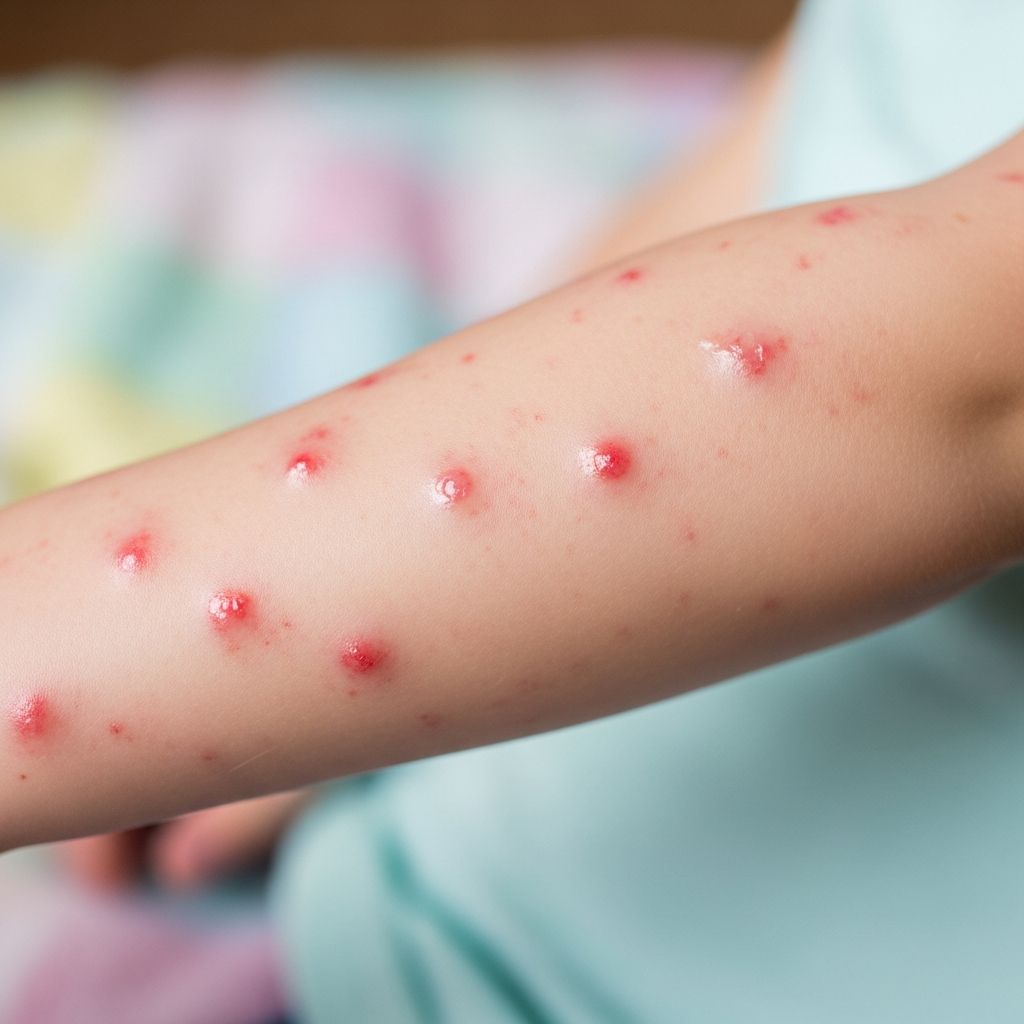
Stage 1 – Red Spots: The rash begins as small, flat red spots that typically appear first on the face, scalp, or torso before spreading to other areas of the body. These initial spots emerge in waves, which is why children may have spots in different stages of development at the same time.
Stage 2 – Blisters: Within hours to a day, the red spots develop into fluid-filled blisters, also called vesicles. These blisters are extremely itchy and may be surrounded by red, inflamed skin. This stage is the most uncomfortable for children.
Stage 3 – Scabs and Crusts: After several days, the blisters begin to dry out and form brownish crusts or scabs. These scabs are less itchy than the blisters but can still cause discomfort. The scabs typically fall off within one to two weeks, potentially leaving temporary marks on the skin.
Associated Symptoms
In addition to the characteristic rash, children with chickenpox may experience:
Related Stories



– High fever, usually between 101-103°F (38.3-39.4°C)- General body aches and malaise- Headache and fatigue- Loss of appetite- Intense itching, which may persist even with minimal spots on the skin- Sores in the mouth or on the lips- Sensitivity to light
When to Call the Doctor
While most cases of chickenpox in healthy children resolve without medical intervention, certain situations warrant immediate medical attention. Contact your healthcare provider if your child experiences:
– A fever lasting longer than four days or exceeding 102°F (38.9°C)- Signs of secondary bacterial skin infection, including redness, warmth, pus, or increased swelling around any blisters- Difficulty breathing or chest pain- Severe drowsiness, confusion, or difficulty waking- Severe headache or stiff neck- Symptoms of encephalitis or meningitis- The rash spreading to the eyes or causing vision problems- Signs of dehydration, including dry mouth, reduced urination, or excessive thirst
Treatment Options
Treatment for Healthy Children
For otherwise healthy children, chickenpox typically requires no specific medical treatment. The infection generally runs its course within one to two weeks as the immune system fights off the virus. However, healthcare providers may recommend treatments to manage symptoms and improve comfort during recovery.
Antiviral Medications
For children at high risk of complications from chickenpox, healthcare providers may prescribe antiviral medications to shorten the illness duration and reduce complication risk. These medications work best when administered within twenty-four hours of the rash’s initial appearance. Common antiviral options include:
– Acyclovir (Zovirax, Sitavig)- Valacyclovir (Valtrex)- Famciclovir
Children who are candidates for antiviral therapy include those who are immunocompromised, have certain chronic conditions, are over twelve years old, or have household members at high risk for severe chickenpox.
Treating Complications
If your child develops chickenpox complications, your healthcare provider will determine appropriate treatment. For example, secondary bacterial skin infections can be treated with antibiotics, while pneumonia may require hospitalization. Brain swelling (encephalitis) is typically treated with antiviral medications, and severe cases may require hospital care.
Home Care and Symptom Relief
Managing Itching
The intense itching associated with chickenpox can significantly impact a child’s comfort and sleep. To help relieve the itching:
– Use antihistamines such as diphenhydramine (Benadryl), but consult your healthcare provider before administration- Apply calamine lotion directly to itchy areas- Take cool baths with added baking soda, aluminum acetate, or colloidal oatmeal- Keep fingernails trimmed short to minimize damage from scratching- Use soft gloves or socks on your child’s hands, especially at night- Dress your child in loose, soft clothing- Avoid overheating, which can intensify itching
Fever and Pain Management
For fever and general discomfort, acetaminophen (Tylenol) is the recommended option. However, certain medications should be avoided:
– Do not give aspirin to children with chickenpox, as it increases the risk of Reye’s syndrome, a serious medical condition affecting the brain and liver- Avoid NSAIDs such as ibuprofen (Advil, Motrin) unless specifically recommended by your healthcare provider, as some studies suggest these medications may increase the risk of skin infections or tissue damage
Hydration and Nutrition
Maintaining proper hydration is crucial during chickenpox infection. Encourage your child to drink plenty of fluids throughout the day. If your child is reluctant to drink, try offering ice pops, ice chips, or other appealing cold beverages. If sores develop in the mouth, offer a soft, bland diet consisting of foods like soup, yogurt, applesauce, or mashed potatoes that are easy to eat and won’t irritate mouth sores.
Rest and Recovery
Ensure your child gets adequate rest during the illness. While bed rest isn’t necessary, children with chickenpox often feel fatigued and benefit from reduced activity. Most children can return to school approximately seven to ten days after the rash appears, once all blisters have scabbed over.
Prevention Measures
The Chickenpox Vaccine
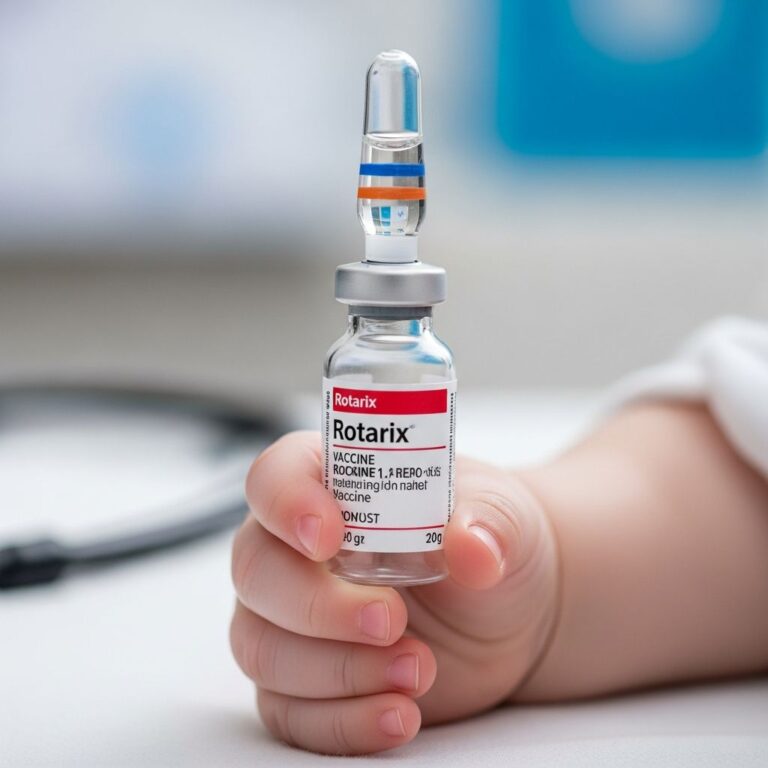
The most effective way to prevent chickenpox is through vaccination. The varicella vaccine is highly effective at preventing the disease or, in breakthrough infections that do occur despite vaccination, significantly reducing symptom severity. The vaccine is typically administered in two doses during childhood, following the standard immunization schedule.
Preventing Spread to Others
If your child has chickenpox, take steps to prevent spreading the infection to others:
– Keep your child home from school or daycare until all blisters have scabbed over- Avoid close contact with vulnerable individuals, including newborns, pregnant women, and immunocompromised persons- Practice good hand hygiene and respiratory etiquette- Keep your child’s fingernails clean and trimmed to reduce the risk of secondary infections
Complications Associated with Chickenpox
While rare in healthy children, chickenpox can lead to complications in certain populations. Potential complications include secondary bacterial skin infections, pneumonia, encephalitis (brain inflammation), meningitis, and in severe cases, sepsis. Individuals at higher risk for complications include immunocompromised children, pregnant women, newborns, and adults over eighteen years old.
Frequently Asked Questions
Q: How long is chickenpox contagious?
A: A person with chickenpox is contagious starting approximately two days before the rash appears and remains contagious until all the blisters have completely scabbed over. This typically occurs seven to ten days after the rash appears.
Q: Can my vaccinated child still get chickenpox?
A: Yes, breakthrough infections can occur in vaccinated individuals, though these infections are typically very mild compared to chickenpox in unvaccinated persons. Vaccination significantly reduces both the risk of infection and the severity of symptoms.
Q: What should I do if my child scratches the blisters?
A: Scratching can lead to secondary bacterial infections and increased scarring. Keep fingernails trimmed, use soft gloves or socks on hands especially at night, and apply soothing creams or antihistamines to reduce the urge to scratch.
Q: Can chickenpox affect my child’s eyes?
A: While uncommon, chickenpox can spread to the eyes or surrounding area. If the rash appears near the eyes or your child reports vision problems, contact your healthcare provider immediately.
Q: Is there a risk of chickenpox recurring?
A: Once a child recovers from chickenpox, they typically develop lifelong immunity. However, the virus can reactivate later in life, usually after age fifty, causing shingles (herpes zoster).
When Hospitalization Is Needed
Most children with chickenpox recover at home without requiring hospitalization. However, hospital care becomes necessary if your child develops severe complications, shows signs of encephalitis, experiences severe dehydration, has difficulty breathing, or shows other signs of severe systemic infection. Newborns and immunocompromised children who contract chickenpox typically require hospitalization for close monitoring and treatment.
Key Takeaways
Chickenpox is a highly contagious viral infection that, while generally mild in healthy children, requires proper management and care. Most cases resolve within one to two weeks without medical intervention. Parents should focus on symptom relief, preventing complications, and protecting vulnerable individuals from exposure. Vaccination remains the most effective prevention strategy, and maintaining good hygiene practices can minimize spread to others. Always consult with your healthcare provider if you have concerns about your child’s symptoms or if complications develop.
References
- Chickenpox – Diagnosis and Treatment — Mayo Clinic. 2024. https://www.mayoclinic.org/diseases-conditions/chickenpox/diagnosis-treatment/drc-20351287
- Chickenpox: Causes, Symptoms, Treatment & Prevention — Cleveland Clinic. 2024. https://my.clevelandclinic.org/health/diseases/4017-chickenpox
- Varicella-zoster Virus — Johns Hopkins ABX Guide. Johns Hopkins Medicine. https://www.hopkinsguides.com/hopkins/view/Johns_Hopkins_ABX_Guide/540579/all/Varicella_zoster_virus
- Doctor Explains Chickenpox: Causes, Stages, Symptoms — Educational Medical Video Resource. 2024. Based on clinical expert presentation on varicella-zoster virus manifestations and management.
Similar Articles








Read full bio of medha deb