Chickenpox: Symptoms, Causes, Treatment & Prevention
Complete guide to chickenpox: understanding symptoms, transmission, complications, and vaccine protection.
Understanding Chickenpox: A Complete Medical Overview
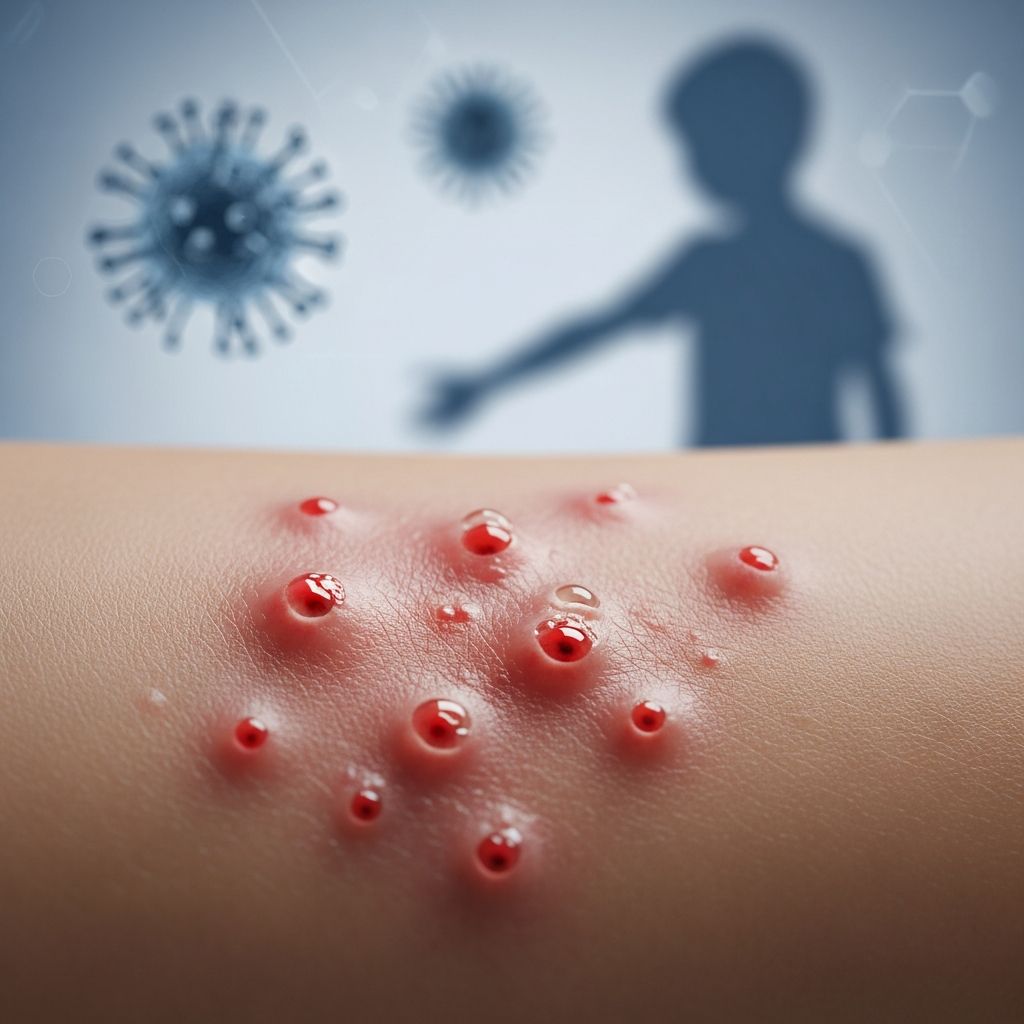
Chickenpox is a highly contagious viral infection caused by the varicella-zoster virus (VZV), which is a member of the herpes virus family. Once a widespread childhood illness affecting millions annually, chickenpox has become significantly less common in countries with routine vaccination programs. The disease is characterized by a distinctive itchy rash that progresses through multiple stages, along with systemic symptoms like fever and fatigue. While chickenpox is generally mild in healthy children, it can cause serious complications in certain populations, including infants, adults, pregnant women, and immunocompromised individuals. Understanding the disease, its transmission, symptoms, and prevention through vaccination is crucial for maintaining public health and protecting vulnerable populations.
What Causes Chickenpox?
The varicella-zoster virus is responsible for causing chickenpox during the primary infection. This virus is transmitted through direct contact with the characteristic rash that develops during infection, as well as through respiratory droplets when an infected person coughs or sneezes. The virus enters the body through the respiratory tract and then moves into the lymphatic system, eventually spreading throughout the body and affecting the skin. Once a person recovers from chickenpox, the virus remains dormant in nerve cells indefinitely, residing in the dorsal root ganglia of the spine. This latent infection can reactivate years or decades later to cause shingles (herpes zoster), a painful condition that affects adults and elderly individuals.
How Chickenpox Spreads
Chickenpox is highly contagious and spreads through multiple pathways. The virus can transmit through direct contact with the fluid-filled blisters that characterize the rash, making skin-to-skin contact particularly risky. Additionally, respiratory transmission occurs when an infected individual coughs or sneezes, releasing virus-containing droplets into the air that others inhale. A critical aspect of chickenpox transmission is that people can spread the virus to others for up to 48 hours before the rash appears, meaning contagious individuals may not realize they have the disease. The virus remains contagious until all broken blisters have crusted over, typically lasting several weeks. The disease spreads most easily among people who have not previously had chickenpox and have not received the varicella vaccine.
Symptoms and Disease Progression
Chickenpox symptoms typically appear 10 to 21 days after exposure to the varicella-zoster virus, with the rash usually lasting 5 to 10 days. Before the characteristic rash develops, patients may experience prodromal symptoms that appear 1 to 2 days earlier, including fever, loss of appetite, headache, and general malaise or fatigue. These initial symptoms are nonspecific and may resemble common viral illnesses like influenza.
The Three Stages of the Chickenpox Rash
The chickenpox rash progresses through three distinct stages that characterize the disease:
Stage 1 – Papules: The rash begins as raised, red bumps called papules that appear in crops over several days, typically starting on the face, scalp, chest, and back before spreading to the arms and legs.
Stage 2 – Vesicles: Within approximately one day, the papules transform into small, clear fluid-filled blisters known as vesicles. These blisters are intensely itchy and quickly rupture, releasing their fluid contents onto the surrounding skin.
Stage 3 – Crusts and Scabs: After the blisters break open, they form crusts and scabs that gradually heal over several more days. A hallmark feature of chickenpox is that new bumps continue to appear for several days, so patients often have bumps, active blisters, and scabs simultaneously, creating the characteristic appearance of the disease.
While chickenpox is generally mild in healthy children, complications can arise when the rash spreads extensively across the body or when blisters develop in sensitive areas such as the throat, eyes, or mucous membranes lining the urethra, anus, and vagina. These internal blisters can cause significant discomfort and potential complications.
Related Stories



Risk Factors and Vulnerable Populations
Although chickenpox typically causes mild illness in healthy children, certain populations face increased risk of severe disease and complications. Infants and very young children, adults who did not have chickenpox in childhood, pregnant women, and individuals with compromised immune systems (including those with HIV/AIDS or undergoing cancer treatment) are at higher risk for severe manifestations. People taking medications that suppress immune function or living with immunocompromised individuals should be particularly cautious about chickenpox exposure.
Potential Complications
While uncommon in healthy individuals, chickenpox can lead to serious complications that require medical intervention. Bacterial infections of the skin and soft tissues can develop when blisters become secondarily infected, potentially progressing to bloodstream infections, bone infections, or joint infections if untreated. Dehydration is a common complication, particularly in young children with extensive rashes who have difficulty eating and drinking.
More serious complications include pneumonia, an infection of one or both lungs that can be life-threatening, and encephalitis, characterized by swelling of the brain. Toxic shock syndrome, a severe bacterial complication, can occur when bacterial infection triggers a systemic inflammatory response. Reye’s syndrome is a particularly important complication to prevent; this rare but serious condition causes swelling in the brain and liver and is associated with aspirin use during chickenpox in children and adolescents. In very rare cases, chickenpox can lead to death, particularly in immunocompromised individuals.
The Link Between Chickenpox and Shingles
One of the most significant long-term consequences of chickenpox is the increased risk of developing shingles later in life. After the acute chickenpox infection resolves, the varicella-zoster virus remains dormant in nerve cells indefinitely. Years or even decades later, the virus can reactivate to cause shingles, a painful condition characterized by a localized rash, burning pain, and sometimes neurological symptoms like facial paralysis or eye swelling. The virus is more likely to reactivate in older adults and people with weakened immune systems, suggesting that immune function plays a critical role in viral reactivation.
When to Seek Medical Care
While most cases of chickenpox can be managed at home, certain signs warrant immediate medical attention. Contact a healthcare provider if the rash spreads to one or both eyes, as this can threaten vision. If the affected skin becomes very warm, red, or tender, this may indicate bacterial infection requiring antibiotic treatment. More serious symptoms accompanying the rash should prompt immediate medical evaluation, including dizziness, confusion, rapid heartbeat, shortness of breath, tremors, loss of muscle coordination, worsening cough, vomiting, stiff neck, or fever exceeding 102°F (38.9°C). Additionally, medical consultation is recommended if household contacts include pregnant women, unvaccinated individuals, or people with compromised immune systems.
Prevention Through Vaccination
Vaccination is the most effective method for preventing chickenpox and its complications. The varicella vaccine provides strong immunity and has dramatically reduced chickenpox incidence in vaccinated populations. The vaccine is typically given to children in two doses, with high efficacy rates in preventing the disease or significantly reducing severity if infection occurs. For adults who never had chickenpox or the vaccine, catch-up vaccination is recommended, particularly for those in close contact with high-risk individuals.
Treatment and Management
While no specific cure exists for chickenpox, supportive care focuses on relieving symptoms and preventing complications. Antiviral medications may be considered for high-risk patients or those with severe disease, as these can reduce the duration and severity of symptoms if started early. Pain relief and fever management using acetaminophen or ibuprofen can help manage discomfort (avoiding aspirin due to Reye’s syndrome risk). Maintaining hydration is essential, as fluid loss through blisters and fever can quickly lead to dehydration. Keeping the skin clean and preventing secondary bacterial infections through careful nail care and avoiding scratching are important preventive measures.
Special Considerations and Transmission Prevention
Infected individuals should remain home until all blisters have crusted over to prevent transmission to others. Those living with unvaccinated individuals, pregnant women, or immunocompromised people should take extra precautions to minimize exposure risk. Healthcare workers and other high-contact professionals should confirm immunity status and maintain vaccination if they care for patients with chickenpox or at-risk populations.
Frequently Asked Questions
Q: Can adults get chickenpox?
A: Yes, adults who never had chickenpox or the vaccine can contract the disease, and they typically experience more severe symptoms and higher complication rates than children.
Q: Is chickenpox contagious before the rash appears?
A: Yes, people can spread the virus to others for up to 48 hours before the rash develops, making early detection and isolation challenging.
Q: Can you get chickenpox twice?
A: True reinfection is rare after natural infection because the body develops lifelong immunity, though the virus reactivates as shingles in many individuals.
Q: Is the chickenpox vaccine safe?
A: Yes, the varicella vaccine is safe and effective, with mild side effects like soreness at the injection site being the most common reactions.
Q: Can you get shingles without ever having had chickenpox?
A: No, shingles only develops in people who have previously had chickenpox, as the virus must remain dormant in nerve cells to reactivate later.
Q: What should I do if I think I have chickenpox?
A: Contact a healthcare provider for evaluation, especially if you are at high risk for complications, pregnant, or have a weakened immune system. Stay home to prevent transmission to others.
References
- Chickenpox – Symptoms and Causes — Mayo Clinic. 2024. https://www.mayoclinic.org/diseases-conditions/chickenpox/symptoms-causes/syc-20351282
- Varicella Zoster Virus (VZV): Infection & Diseases — Cleveland Clinic. 2024. https://my.clevelandclinic.org/health/diseases/varicella-zoster-virus
- Shingles (Herpes Zoster): Causes, Symptoms & Treatment — Cleveland Clinic. 2024. https://my.clevelandclinic.org/health/diseases/11036-shingles
- All About Shingles: Symptoms, Causes and Treatment — Cleveland Clinic Abu Dhabi. 2024. https://www.clevelandclinicabudhabi.ae/en/health-byte/health/all-about-shingles
Similar Articles








Read full bio of medha deb