Chickenpox: Symptoms, Treatment, Prevention Guide
Everything you need to know about chickenpox symptoms, causes, treatment, prevention, and complications from this highly contagious viral infection.
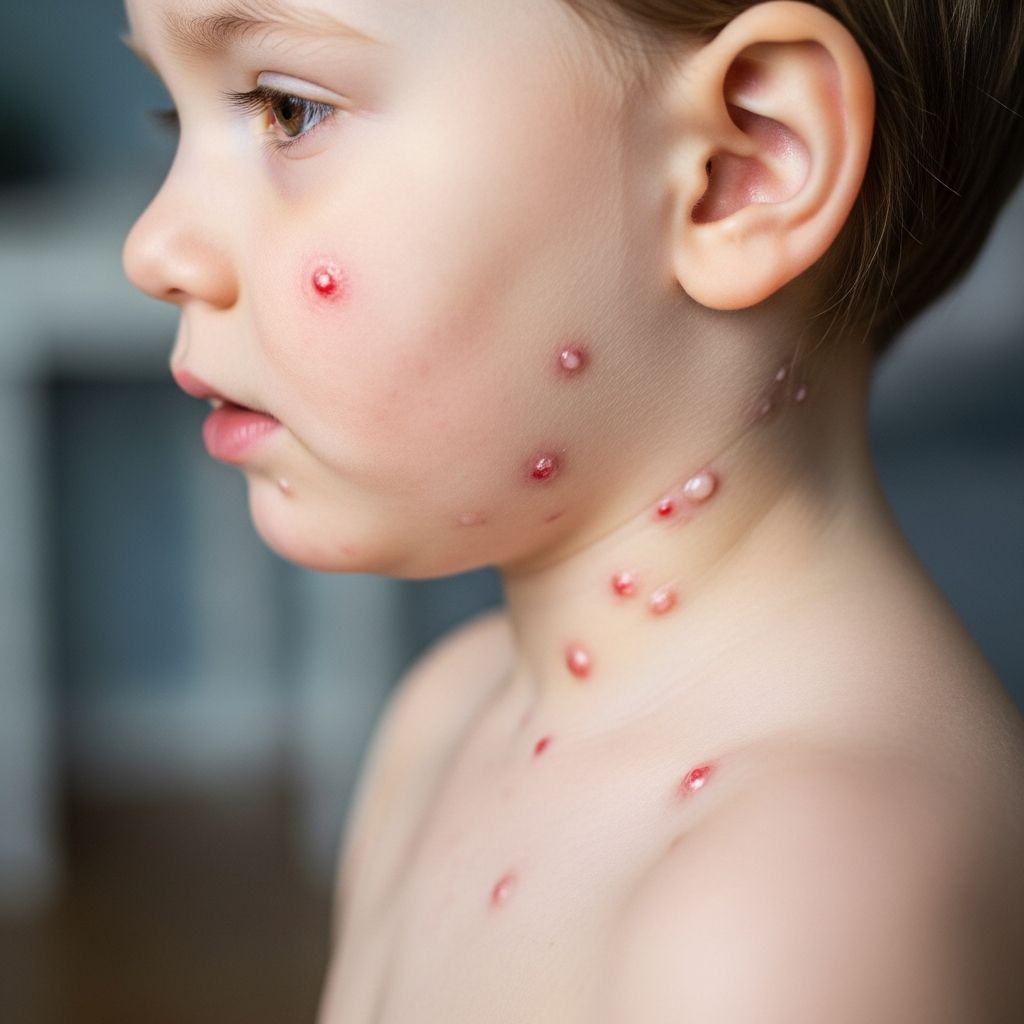
Chickenpox, also known as varicella, is a highly contagious viral infection primarily affecting children but possible at any age. Caused by the varicella-zoster virus (VZV), it leads to an itchy, blister-like rash that spreads across the body, typically resolving in 1-2 weeks for healthy individuals.
What Is Chickenpox?
Chickenpox results from primary infection with the varicella-zoster virus, a member of the herpesvirus family. The virus spreads easily through airborne droplets from coughing or sneezing, or direct contact with blister fluid. Once infected, the virus enters the bloodstream, replicates, and causes characteristic skin lesions. After recovery, VZV remains dormant in nerve cells, potentially reactivating later as shingles (herpes zoster).
Globally common before widespread vaccination, chickenpox was once considered a routine childhood illness. In unvaccinated populations, nearly all individuals contract it by adulthood. The disease is more severe in adults, pregnant women, infants, and immunocompromised people.
Chickenpox Symptoms
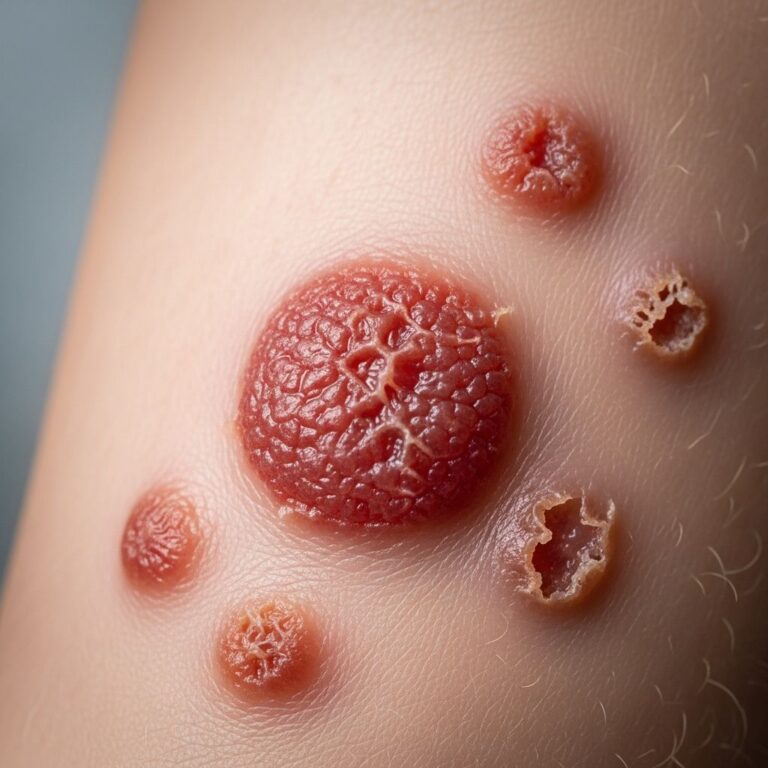
The hallmark of chickenpox is a pruritic (itchy) rash evolving in stages: macules (flat spots), papules (raised bumps), vesicles (fluid-filled blisters), pustules, and finally crusted scabs. The rash often begins on the face, scalp, chest, or back before spreading to the trunk and limbs, potentially reaching 250-500 lesions. Blisters can appear inside the mouth, on genitals, or eyelids.
Prodromal symptoms precede the rash by 1-2 days: fever (often 101-102°F or 38.3-38.9°C), fatigue, headache, loss of appetite, malaise, and muscle aches. These are more prominent in adults. The full rash develops over 5-7 days, with new lesions appearing in crops. Illness duration is typically 4-7 days for children, longer in adults.
Vaccinated individuals may experience breakthrough chickenpox with milder symptoms: fewer lesions (often <50), less fever, and shorter duration.
Chickenpox Causes and Transmission
Exclusively caused by VZV, chickenpox transmits via:
- Airborne respiratory droplets from coughing/sneezing.
- Direct contact with blister fluid.
- Contact with contaminated articles (less common).
Infectious period: 1-2 days before rash onset until all lesions crust over (usually 5-7 days post-rash). Secondary attack rate in households: 61-100% among susceptibles. Incubation period: 10-21 days (average 14-16 days).
VZV spreads rapidly in settings like schools, daycares, and households. One infected person can transmit to 90% of unexposed contacts.
Chickenpox Stages
Chickenpox progresses through distinct phases:
- Incubation (10-21 days): Virus replicates asymptomatically.
- Prodrome (1-2 days): Fever, malaise, headache.
- Acute eruption (days 1-7): Rash appears in crops; evolves from macules to vesicles to scabs over 5-7 days.
- Recovery: Scabs fall off in 1-2 weeks; immunity develops.
Contagion ends when all blisters are crusted. Full resolution: 2-4 weeks.
Chickenpox Diagnosis
Typically clinical based on characteristic rash. Labs rarely needed but include:
- PCR of lesion fluid (gold standard).
- Viral culture.
- Serology (IgM for acute; IgG for immunity).
Differential: hand-foot-mouth disease, impetigo, herpes simplex, measles.
Chickenpox Treatment
No antiviral cure; supportive care suffices for most. Goals: relieve symptoms, prevent secondary infection, reduce transmission.
Home Remedies and Over-the-Counter Care
- Itch relief: Calamine lotion, cool oatmeal baths, baking soda baths. Trim nails to prevent scratching.
- Fever/pain: Acetaminophen (Tylenol). Avoid aspirin (Reye’s syndrome risk) and ibuprofen (bacterial infection risk).
- Comfort: Loose clothing, rest, hydration. Antihistamines (diphenhydramine) for severe itch in older children/adults.
Prescription Treatments
Acyclovir for high-risk cases (immunocompromised, adults >14, >500 lesions) if started within 24-72 hours of rash. Reduces lesion number and duration.
Related Stories



Chickenpox Prevention
Vaccination is cornerstone. CDC recommends:
- 2 doses MMRV vaccine: 12-15 months (dose 1), 4-6 years (dose 2).
- Catch-up for older unvaccinated.
Vaccine efficacy: 90% against infection, >95% against severe disease. Post-exposure: Vaccine within 3-5 days prevents/modifies disease.
Other measures: Isolate until crusted (5-7 days); Varicella-zoster immune globulin (VZIG) for high-risk exposed non-immes (e.g., neonates, immunocompromised).
Chickenpox Complications
Usually mild in children, but risks include:
| Complication | Description | Risk Groups |
|---|---|---|
| Bacterial skin infections | Strep/Staph from scratching | All ages |
| Pneumonia | Viral/bacterial lung infection | Adults, smokers |
| Encephalitis | Brain inflammation | Children, adults |
| Dehydration | From fever, poor intake | Infants |
| Reye’s syndrome | Liver/brain swelling (aspirin-related) | Children/teens |
| Congenital varicella | Fetal defects/death | Pregnant women |
Mortality pre-vaccine: ~100 U.S. deaths/year, mostly healthy children. Post-vaccine: >90% reduction.
When to See a Doctor for Chickenpox
Seek care if:
- Fever >102°F (>38.9°C) or lasting >4 days.
- Lesions: pus-filled, red/warm/tender, bleeding/bruised.
- Difficulty breathing, severe cough, chest pain.
- Stiff neck, confusion, seizures, ataxia.
- Frequent vomiting, severe abdominal pain.
- High-risk patient (newborn, pregnant, immunocompromised).
ER for breathing issues, dehydration, neurological changes.
Chickenpox in Adults
More severe: higher fever, more lesions, prolonged course, pneumonia risk (15-30% in adults). Recommend antivirals early.
Chickenpox in Pregnancy
Maternal infection risks: pneumonia, congenital varicella syndrome (limb atrophy, scars, eye issues; 0.4-2% if 1st/2nd trimester). Perinatal: neonatal chickenpox (severe if maternal rash 5 days pre- to 2 days post-delivery). VZIG for exposed pregnant non-immunes.
Chickenpox Vaccine
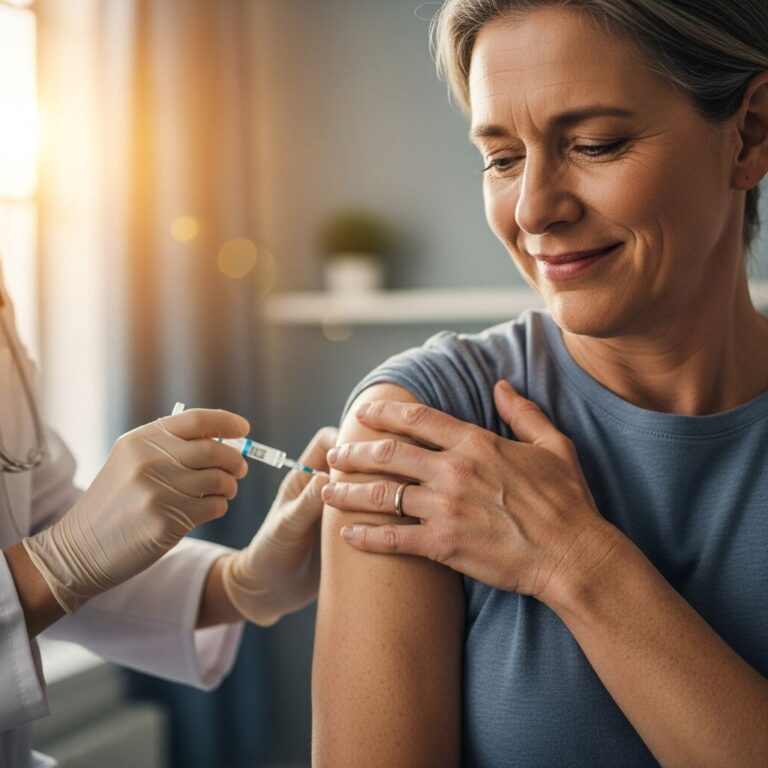
Live attenuated vaccine (Varivax). Two doses provide lifelong immunity for most. Side effects: mild rash (5%), fever. Contraindications: pregnancy, immunosuppression, allergy to gelatin/neomycin. Boosts herd immunity.
Chickenpox vs. Shingles
Chickenpox: primary VZV. Shingles: reactivation in adults >50, causing painful unilateral dermatomal rash. Shingles vaccine (Shingrix) recommended for ages 50+, even post-chickenpox.
Frequently Asked Questions (FAQs)
Is chickenpox contagious?
Yes, from 1-2 days before rash until all scabs form (5-7 days). Highly transmissible.
Can you get chickenpox twice?
Rare; lifelong immunity post-infection. Breakthrough possible post-vaccine (mild).
How long does chickenpox last?
Rash 5-7 days; full recovery 2-4 weeks.
Is chickenpox dangerous?
Mild in kids; serious complications in adults, pregnant, immunocompromised.
Can I take a bath with chickenpox?
Yes, cool baths with oatmeal/calamine soothe itch. Pat dry gently.
References
- Chickenpox: Symptoms, treatment, stages, and causes — Medical News Today. 2023-05-01. https://www.medicalnewstoday.com/articles/239450
- Varicella-Zoster Virus (Chickenpox) – StatPearls — NCBI Bookshelf. 2023-07-17. https://www.ncbi.nlm.nih.gov/books/NBK448191/
- Chickenpox — World Health Organization (WHO). 2023-01-10. https://www.who.int/news-room/questions-and-answers/item/chickenpox
- Chickenpox – Symptoms and causes — Mayo Clinic. 2023-09-20. https://www.mayoclinic.org/diseases-conditions/chickenpox/symptoms-causes/syc-20351282
- About Chickenpox — Centers for Disease Control and Prevention (CDC). 2024-02-05. https://www.cdc.gov/chickenpox/about/index.html
Similar Articles








Read full bio of medha deb