Chickpeas: Easy Ways to Eat More of This Nutritious Legume
Discover simple and delicious ways to incorporate chickpeas into your daily diet for optimal health.
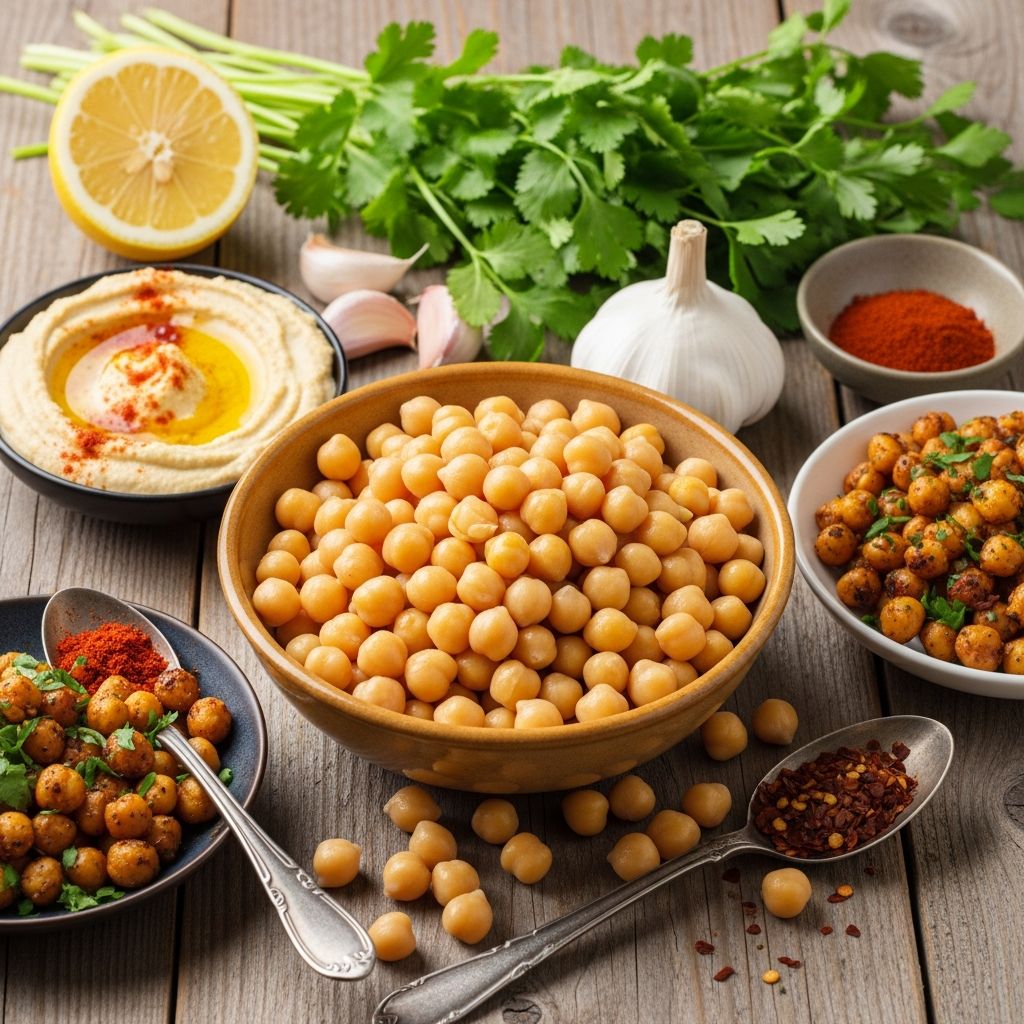
Chickpeas, also known as garbanzo beans, are a versatile and nutrient-dense legume that has been a dietary staple in many cultures for centuries. These round, beige-colored legumes belong to the pulse family and are packed with essential vitamins, minerals, and compounds that support overall health and wellness. Whether you’re looking to boost your protein intake, improve your digestive health, or add more plant-based foods to your diet, chickpeas offer an accessible and delicious solution.
Understanding the Nutritional Profile of Chickpeas
Chickpeas are nutritional powerhouses that deliver significant health benefits with relatively modest calorie content. A single cup of cooked chickpeas contains approximately 269 calories, making them an excellent choice for those monitoring their caloric intake. Despite their calorie density, chickpeas are remarkably nutrient-dense, providing substantial amounts of essential macronutrients and micronutrients.
One cup of cooked chickpeas delivers impressive amounts of protein—between 10 to 15 grams depending on whether they’re dried or canned—making them an ideal protein source for vegetarians and vegans. They also contain 34 to 45 grams of carbohydrates, with canned varieties on the lower end of this range, and 9 to 12 grams of dietary fiber, with dried chickpeas providing the higher end.
In terms of micronutrients, chickpeas are particularly rich in folate, providing approximately 70 percent of your daily requirement in dried chickpeas (15 percent for canned). They also supply about 26 percent of your daily iron requirement for dried cooked chickpeas and 8 percent for canned varieties. Additionally, chickpeas contain about 22 percent of your daily phosphorus requirement for dried chickpeas and 10 percent for canned.
Health Benefits of Chickpeas
Blood Sugar Control and Diabetes Management
One of the most significant health benefits of chickpeas is their ability to help regulate blood sugar levels. Both canned and dried chickpeas have a low glycemic index, meaning your body absorbs and digests them slowly. This gradual digestion is attributed to a type of starch called amylose, which resists rapid breakdown. These properties work together to prevent sudden spikes in blood sugar and insulin levels, making chickpeas particularly beneficial for people with type 2 diabetes. Research from Harvard has demonstrated that individuals consuming legumes daily experience improved blood sugar control without requiring additional medications.
Enhanced Digestive Health
Chickpeas are exceptionally high in dietary fiber, particularly a soluble fiber called raffinose. The beneficial bacteria in your gut—specifically species like Bifidobacterium—break down this fiber, allowing your colon to digest it slowly and process it efficiently. Studies have consistently found that consuming more chickpeas can lead to easier and more regular bowel movements, promoting overall digestive wellness and reducing gastrointestinal discomfort.
Cardiovascular Health and Cholesterol Management
The soluble fiber in chickpeas extends its benefits beyond digestive health. This fiber actively works to reduce total cholesterol and LDL (“bad”) cholesterol levels in your bloodstream. By lowering these harmful cholesterol markers, chickpeas help reduce your overall risk of developing heart disease. Additionally, the fiber and unsaturated fats naturally present in chickpeas favorably affect blood lipid profiles, further supporting cardiovascular health.
Related Stories



Weight Management and Satiety
The combination of high fiber and protein content in chickpeas makes them exceptionally satiating. These nutrients work together to promote a feeling of fullness, delay digestion, and add bulk to your meals—all of which can support healthy weight management goals. Clinical studies involving over 100 volunteers with type 2 diabetes showed that consuming one cup of legumes daily for three months resulted in noticeable decreases in body weight and waist circumference.
Bone Strength and Density
Chickpeas and other legumes contain an array of nutrients essential for bone health, including calcium, magnesium, fiber, and various minerals. To maximize the bioavailability of these bone-supporting nutrients, it’s important to soak dried chickpeas before cooking to remove phytates, compounds that can interfere with your body’s ability to absorb calcium.
Cancer Prevention Potential
When you consume chickpeas, your body produces a short-chain fatty acid called butyrate. Research has demonstrated that butyrate helps eliminate sick and dying cells, potentially lowering your risk for colorectal cancer. Beyond butyrate, chickpeas contain additional cancer-fighting compounds, including lycopene and saponins, which possess anti-cancer properties and may contribute to cancer prevention strategies.
Cognitive Function and Mental Health
Chickpeas contain choline, an important nutrient that facilitates the production of critical chemicals involved in memory, mood regulation, muscle control, and broader brain and nervous system activity. Additionally, Harvard University researchers have published studies demonstrating that consuming plant-based protein from sources like chickpeas and legumes is associated with a 26 percent lower risk of developing dementia when plant protein calories replace carbohydrate calories in your diet. This cognitive protection represents one of the most compelling reasons to incorporate chickpeas into your daily meals.
Practical Ways to Incorporate Chickpeas Into Your Diet
Morning Meals and Breakfast Options
Starting your day with chickpeas provides your body with essential protein, fiber, vitamins, minerals, and sustained energy without excessive calories. Consider adding roasted chickpeas to your morning oatmeal, blending them into smoothie bowls, or creating a savory chickpea scramble with vegetables and spices. You can also prepare chickpea pancakes or add them to breakfast burritos for a protein-rich start to your day.
Lunch and Main Course Integration
Chickpeas are incredibly versatile for lunch preparations. Create hearty salads by combining roasted or boiled chickpeas with fresh vegetables, whole grains, and your favorite vinaigrette. Prepare vibrant Buddha bowls featuring chickpeas as the protein base alongside quinoa or brown rice and roasted vegetables. Chickpea-based curry dishes offer warm, comforting meals that can be made in large batches for meal preparation throughout the week.
Snacking Solutions
Roasted chickpeas make an excellent crunchy snack that satisfies cravings while delivering nutritional benefits. Simply toss drained and dried chickpeas with olive oil and your choice of seasonings—such as paprika, garlic powder, cumin, or sea salt—then roast until crispy. This homemade snack is far superior to processed alternatives and provides sustained energy between meals.
Hummus and Dips
Chickpeas are the primary ingredient in hummus, one of the most popular legume-based spreads worldwide. Blend cooked chickpeas with tahini, lemon juice, garlic, and olive oil to create a creamy dip perfect for vegetables, whole-grain pitas, or crackers. You can also experiment with flavored varieties by adding roasted red peppers, jalapeños, or herbs.
Flour and Alternative Products
Ground chickpea flour can replace traditional wheat flour in baking applications, creating gluten-free alternatives for pancakes, muffins, and flatbreads. Additionally, commercially available chickpea crisps and pasta products made from chickpea flour offer convenient ways to boost your fiber and protein intake throughout the day.
Cooking Methods and Preparation Tips
Chickpeas can be consumed either hot or cold, making them remarkably adaptable to various culinary applications and seasonal preferences. For dried chickpeas, begin by soaking them overnight to reduce cooking time and improve digestibility. The following day, drain the soaking water, then simmer the chickpeas in fresh water for approximately 45 minutes to an hour until they reach the desired tenderness.
If you prefer convenience, canned chickpeas offer a ready-to-use option that requires only draining and rinsing before use. While both dried and canned varieties provide excellent nutrition, dried chickpeas typically contain higher concentrations of certain nutrients due to lower water content and processing methods.
Potential Side Effects and Considerations
Digestive Adjustments
Gas and bloating represent the most common side effects when introducing chickpeas to your diet, particularly for those unaccustomed to high-fiber foods. This occurs because your digestive system requires time to adapt to the increased fiber content and the compounds that make legumes challenging to digest. To minimize these effects, introduce chickpeas gradually into your diet, allowing your gut microbiome time to adjust and produce the necessary enzymes for efficient digestion.
Medication Interactions
Chickpeas can contain large amounts of potassium, especially canned varieties, which may interfere with certain medications. If you currently take medications for any chronic conditions, particularly those related to heart health or kidney function, consult with your healthcare provider to ensure chickpeas are safe for your individual health situation.
Easy Chickpea Recipe Ideas
Mediterranean Chickpea Salad
Combine one can of drained chickpeas with diced cucumbers, cherry tomatoes, red onion, and bell peppers. Dress with extra virgin olive oil, lemon juice, and dried oregano. Add crumbled feta cheese and fresh herbs for additional flavor complexity. This refreshing salad can be prepared in advance and actually improves as flavors meld together.
Spiced Roasted Chickpeas
Drain and thoroughly dry two cans of chickpeas using paper towels. Toss with olive oil and your choice of seasonings—such as smoked paprika, ground cumin, cayenne pepper, and garlic powder. Spread on a baking sheet and roast at 400°F for 25-30 minutes, shaking the pan halfway through cooking, until golden and crispy. Store in an airtight container for convenient snacking.
Creamy Chickpea Pasta
Sauté garlic and spinach in olive oil, then add a can of chickpeas and vegetable broth. Simmer briefly, then blend until creamy (leaving some texture if desired). Toss with cooked whole-wheat pasta and season with lemon juice, salt, and pepper. This dish provides complete protein when served with whole grains.
Frequently Asked Questions
Q: How can I reduce gas and bloating from chickpeas?
A: Introduce chickpeas gradually into your diet, cook them thoroughly, rinse canned varieties well, and drink plenty of water. Your digestive system will adapt over time as your gut bacteria adjust to processing the additional fiber.
Q: Are canned chickpeas as nutritious as dried chickpeas?
A: Both provide excellent nutrition, though dried chickpeas contain slightly higher concentrations of certain nutrients due to lower water content. The convenience of canned varieties often makes them more practical for regular consumption.
Q: Can chickpeas help with weight loss?
A: Yes, the high fiber and protein content of chickpeas promotes satiety and fullness, helping you feel satisfied longer and reducing overall calorie consumption. Clinical studies demonstrate weight reduction in participants consuming legumes regularly.
Q: How often should I eat chickpeas for health benefits?
A: Research suggests consuming legumes, including chickpeas, daily or at least several times weekly for optimal health benefits. Even half a cup daily provides significant nutritional advantages.
Q: What’s the best way to store chickpeas?
A: Store dried chickpeas in an airtight container in a cool, dark place for up to one year. Cooked chickpeas can be refrigerated for up to five days or frozen for up to three months.
Conclusion
Chickpeas represent an exceptional addition to any dietary pattern, offering impressive nutritional density, remarkable versatility, and substantial health benefits supported by extensive research. From blood sugar regulation and digestive health to cardiovascular support and cognitive protection, these nutrient-rich legumes address multiple aspects of wellness simultaneously. By incorporating chickpeas into your meals through simple preparations and creative recipes, you can easily access their tremendous nutritional potential while enjoying delicious, satisfying foods that support your long-term health goals.
References
- Health Benefits of Chickpeas — WebMD. 2024. https://www.webmd.com/food-recipes/health-benefits-chickpeas
- What are Chickpeas? Source of Iron, Protein and Fibre — Holland & Barrett Health Hub. 2024. https://www.hollandandbarrett.com/the-health-hub/food-drink/recipes/vegetarian-recipes/chickpeas-iron-protein-fibre/
- Chickpeas (Garbanzo Beans) — The Nutrition Source, Harvard T.H. Chan School of Public Health. 2024. https://nutritionsource.hsph.harvard.edu/food-features/chickpeas-garbanzo-beans/
- Harvard’s 4 Reasons Chickpeas For Breakfast — Harvard University Research. 2024. https://www.youtube.com/watch?v=S8fRS0FxqiI
Similar Articles








Read full bio of Sneha Tete