Chikungunya Fever: What You Need To Know
Viral illness spread by Aedes mosquitoes causing acute fever, severe joint pain, and rash with potential chronic arthritis.
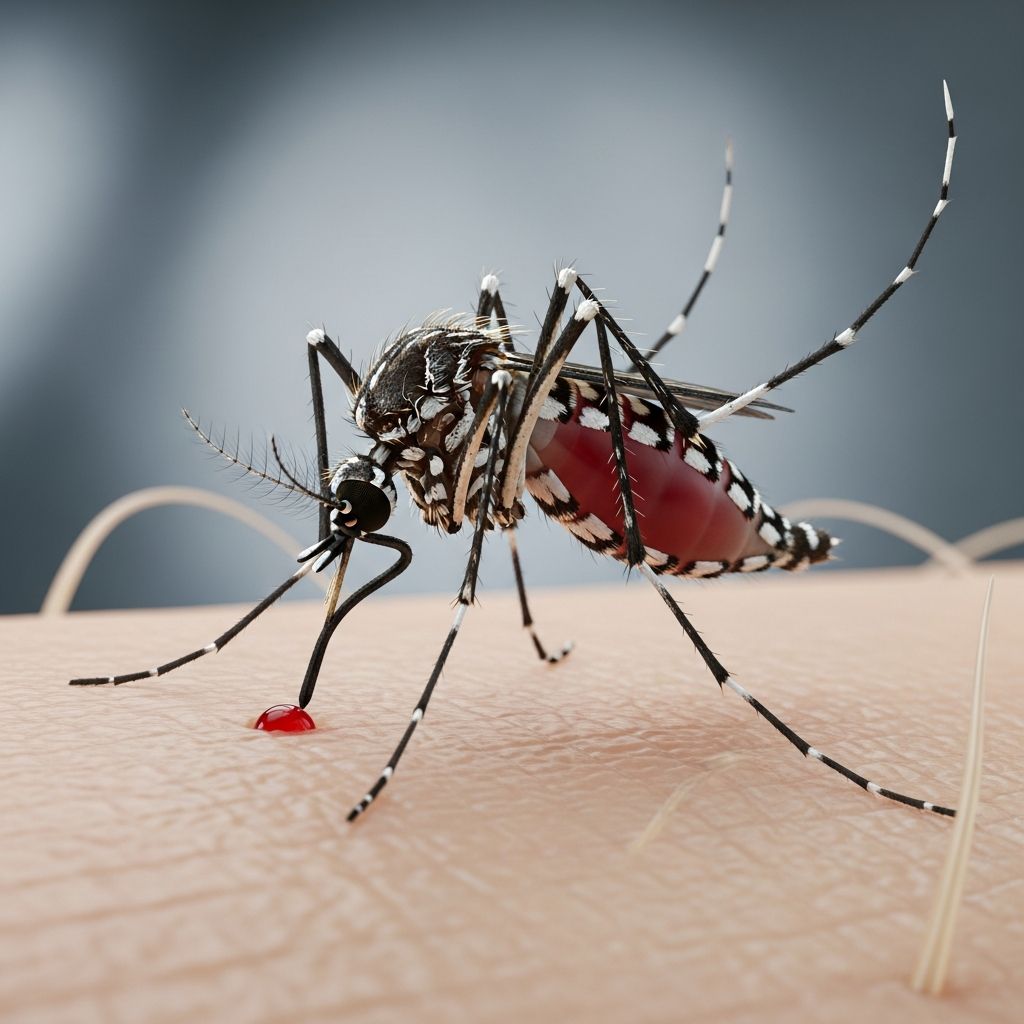
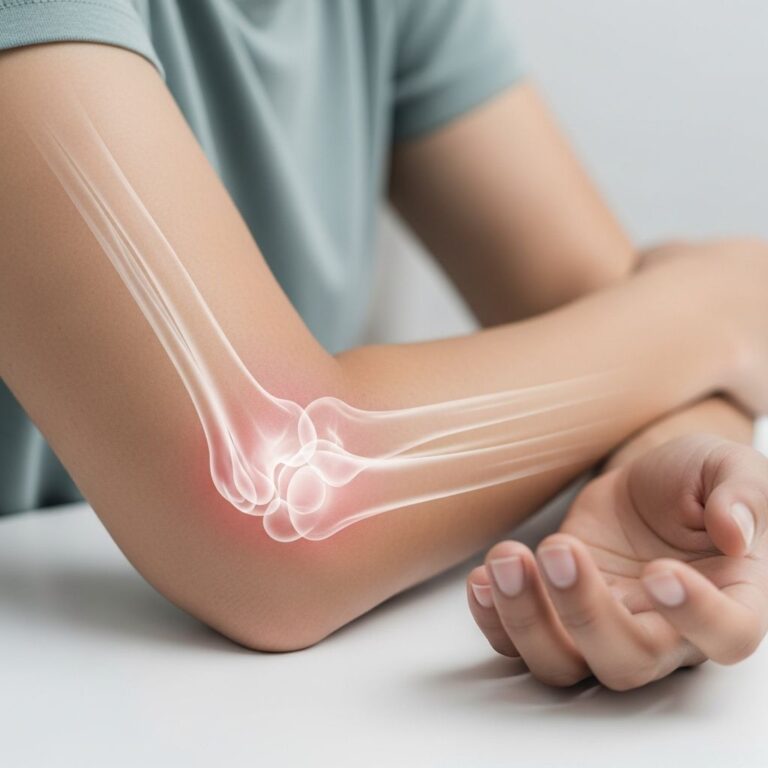
Chikungunya fever is an acute viral illness transmitted by Aedes aegypti and Aedes albopictus mosquitoes, causing sudden high fever, severe joint pain, and a characteristic rash. The disease derives its name from the Makonde language, meaning “to become contorted,” reflecting the stooped posture due to intense arthralgia. First identified in Tanzania in 1952, outbreaks have since spread globally, particularly in tropical regions.
What is Chikungunya Fever?
Chikungunya is caused by the chikungunya virus (CHIKV), an alphavirus in the Togaviridae family. It is arthropod-borne, primarily spread through bites from infected Aedes mosquitoes during daytime hours. Unlike dengue, CHIKV does not cause hemorrhagic complications in most cases but is notorious for its debilitating joint pain, which can persist for months or years in up to 30-50% of patients.
Recent epidemics have occurred in Asia, Africa, Europe, and the Americas, with over 3 million suspected cases reported in the Americas alone since 2013. The virus has adapted to urban cycles via mutations allowing efficient transmission by Ae. albopictus.
Who Gets Chikungunya Fever?
Anyone bitten by an infected mosquito can contract chikungunya, but certain groups face higher risks of severe disease. Newborns exposed around birth, adults over 65, and individuals with comorbidities like hypertension, diabetes, or heart disease are at greater risk for complications. Travelers to endemic areas such as India, Southeast Asia, the Caribbean, and parts of Africa are primary cases in non-endemic regions.
In outbreak settings, attack rates can reach 40-75% of susceptible populations, with no prior immunity conferring lifelong protection. Pregnant women risk vertical transmission, leading to neonatal complications.
History
The first recorded outbreak occurred in 1952 on the Makonde Plateau east of Tanzania. Sporadic epidemics followed in Africa and Asia until a major resurgence in 2004-2005 on Réunion Island, affecting nearly 300,000 people. A key viral mutation (A226V in the E1 glycoprotein) enabled Ae. albopictus transmission, facilitating spread to India (1.4 million cases in 2006) and Europe.
By 2015, autochthonous transmission reached the Americas, starting in St. Martin, with rapid dissemination across 45 countries. As of 2023, ongoing outbreaks persist in South Asia and Africa, exacerbated by climate change favoring mosquito vectors.
Cause and Transmission
CHIKV is a single-stranded, positive-sense RNA virus. Transmission occurs via female Aedes mosquitoes acquiring the virus from viremic humans (primary reservoir) during blood meals, then transmitting it after an extrinsic incubation period of 2-13 days.
- Vectors: Ae. aegypti (tropical urban) and Ae. albopictus (temperate invasive).
- Human-Mosquito-Human Cycle: Dominant in epidemics; sylvatic cycles exist in Africa involving non-human primates.
- Non-Vector Transmission: Rare perinatal, blood transfusion, or organ transplant cases reported.
No evidence of sexual or direct person-to-person spread. Peak transmission aligns with monsoon seasons in endemic areas.
Clinical Features
Acute Phase (Days 1-7)
Symptoms appear after a 3-7 day incubation (range 1-12 days). Abrupt onset of high fever (39-40°C), severe arthralgia (symmetric, small joints of hands/feet, wrists, ankles), and maculopapular rash (trunk/limbs, 40-80% cases).
Related Stories



- Additional symptoms: Headache, myalgia, fatigue, nausea, conjunctivitis.
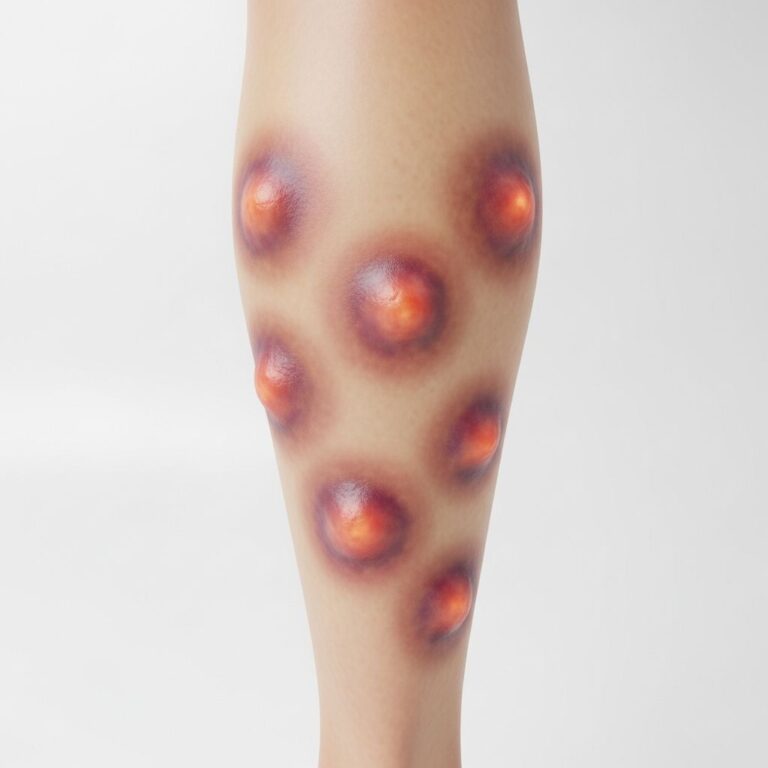
- Rash: Pinhead-sized erythematous papules coalescing into patches.
Subacute/Chronic Phase
Fever resolves in 3-10 days, but joint pain persists in 30-60%, evolving into post-chikungunya chronic inflammatory rheumatism (PCCIR) lasting >3 months. Inflammatory arthritis mimicking rheumatoid arthritis, with morning stiffness and edema.
| Phase | Duration | Key Features |
|---|---|---|
| Acute | 1-2 weeks | Fever, polyarthralgia, rash, lymphopenia |
| Chronic | Weeks to years | Relapsing polyarthritis, fatigue, depression |
Skin Manifestations
Dermatological involvement occurs in 40-95%.
- Maculopapular Eruption: Generalized or flexural, pruritic, desquamates in 10 days.
- Bullous: Rare in infants/dark skin, hemorrhagic.
- Aphthous Stomatitis: Oral ulcers.
- Hyper-/Hypopigmentation: Post-inflammatory.
- Vesiculobullous: Mucosal erosions.
Complications
Most recover fully, but severe cases include:
- Meningoencephalitis: Fatal in elderly/neonates (<1%).
- Myocarditis/Pericarditis: Rare ECG changes.
- Multiorgan Failure: Case fatality rate <0.1%, higher in comorbidities.
- Ocular: Uveitis, retinitis.
- Chronic: PCCIR with disability.
Diagnosis
Clinical suspicion in travelers from endemic areas with fever/arthralgia/rash.
- Lab: Leukopenia, thrombocytopenia, elevated CRP/ESR, transaminitis.
- Virological: RT-PCR (viremia peaks day 1-3), IgM ELISA (day 5+).
- Differential: Dengue (thrombocytopenia, shock), Zika (conjunctivitis, Guillain-Barré), malaria.
CHIKV more likely with lymphopenia/high fever; DENV with neutropenia.
Treatment
No specific antiviral; supportive care is mainstay.
- Acute: Rest, hydration, acetaminophen for fever/pain. Avoid NSAIDs/aspirin initially due to dengue co-infection risk.
- Chronic: NSAIDs, low-dose corticosteroids, hydroxychloroquine, methotrexate/DMARDs for PCCIR.
- Severe: IV fluids, topical steroids for ocular.
Two vaccines approved in some countries but not widely available.
Prevention
Vector control and personal protection.
- Individual: DEET (20-50%), long clothing, nets, remove standing water.
- Community: Insecticides, larvicides despite resistance.
- Travelers: Avoid dawn/dusk bites.
Frequently Asked Questions
Q: How long does chikungunya joint pain last?
A: Most resolve in weeks, but 30-50% experience chronic pain for months to years.
Q: Is there a vaccine for chikungunya?
A: Two vaccines approved in select countries; not widely available. WHO reviewing for broader use.
Q: Can chikungunya be fatal?
A: Rare (<0.1%), mainly in neonates, elderly, or comorbid patients.
Q: How to differentiate from dengue?
A: CHIKV: Severe arthralgia, rash, lymphopenia; DENV: Bleeding, shock, thrombocytopenia. Test both.
Q: Is chikungunya contagious person-to-person?
A: No, only via mosquitoes.
References
- Chikungunya Fever – StatPearls — NCBI Bookshelf. 2023-08-08. https://www.ncbi.nlm.nih.gov/books/NBK534224/
- Chikungunya Fact Sheet — World Health Organization. 2024-02-20. https://www.who.int/news-room/fact-sheets/detail/chikungunya
- Symptoms, Diagnosis, & Treatment | Chikungunya Virus — Centers for Disease Control and Prevention. 2024-01-12. https://www.cdc.gov/chikungunya/symptoms-diagnosis-treatment/index.html
- Chikungunya — Pan American Health Organization. 2023-11-15. https://www.paho.org/en/topics/chikungunya
- Chikungunya: Causes, Symptoms, Diagnosis & Treatment — Cleveland Clinic. 2024-05-22. https://my.clevelandclinic.org/health/diseases/25083-chikungunya
- Chikungunya — Hawaii Department of Health. 2023-07-10. https://health.hawaii.gov/docd/disease_listing/chikungunya/
Similar Articles








Read full bio of Sneha Tete