Chikungunya: Symptoms, Transmission, and Treatment
Understanding chikungunya virus: causes, symptoms, transmission, and prevention strategies.
What Is Chikungunya?
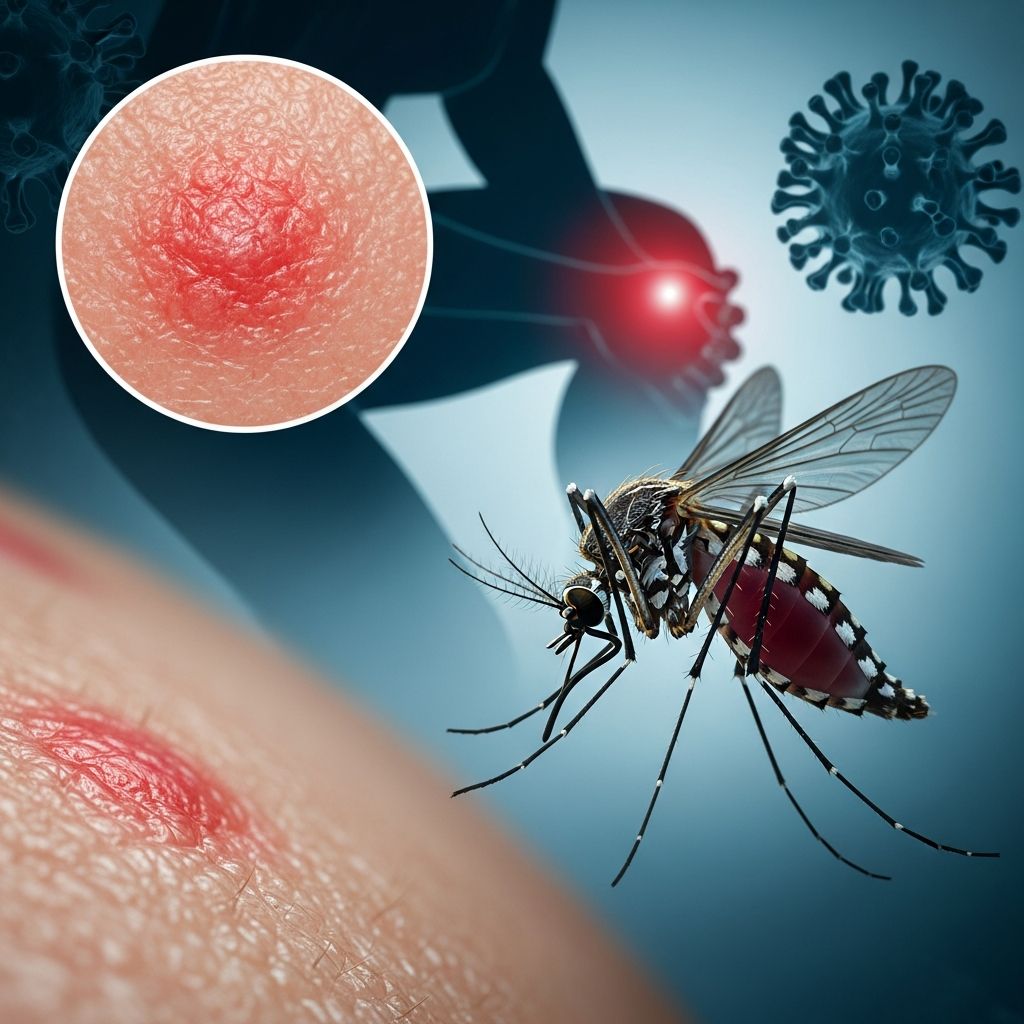
Chikungunya is a viral infection transmitted to humans through the bite of an infected mosquito, primarily the Aedes aegypti and Aedes albopictus species. The virus maintains a natural cycle in wildlife, circulating between primates, rodents, bats, and other vertebrates before transmitting to humans through mosquito vectors. Once infected, the virus can spread from human to human through subsequent mosquito bites, creating epidemic cycles. The disease is characterized by sudden onset of fever, severe joint pain, and other systemic symptoms that can be debilitating in the acute phase and persist for extended periods in some patients.
Outbreaks of chikungunya have occurred across Africa, the Americas, Asia, Europe, and islands in the Indian and Pacific Oceans. With increasing global travel and climate change expanding mosquito habitats, the virus poses an emerging public health threat to previously unaffected regions. Understanding this disease is crucial for travelers to endemic areas and healthcare providers in countries experiencing outbreaks.
How Chikungunya Spreads
Chikungunya virus spreads exclusively through the bite of infected mosquitoes, with no person-to-person transmission through casual contact. The Aedes aegypti and Aedes albopictus mosquitoes are the primary vectors responsible for transmission. These species are adapted to urban and suburban environments, thriving in warm climates and breeding in small amounts of stagnant water found in everyday settings.
The virus follows an interesting epidemiological pattern. It begins in a sylvatic (wild) transmission cycle involving animals, then transitions to a human-mosquito-human epidemic cycle when mosquitoes feed on infected humans and subsequently bite other individuals. During the acute phase of infection, virus levels in the blood (viremia) are particularly high, especially in severe cases where viral loads can reach 107 PFU/mL, facilitating efficient transmission to mosquito vectors. Factors contributing to the spread include urbanization, international travel, climate change, and inadequate vector control measures. Areas with standing water, open garbage, homes lacking screens, and unsanitary conditions create ideal breeding grounds for mosquitoes.
Symptoms and Disease Progression
Chikungunya follows a distinctive clinical progression divided into three phases: acute, subacute, and chronic. Understanding these phases helps healthcare providers and patients recognize and manage the disease effectively.
Acute Phase (0–14 Days)
The acute phase typically lasts 7 to 10 days in 75–88% of cases, though it can extend up to 14 days. Symptoms appear suddenly, usually within 3 to 7 days after infection. The hallmark symptoms include:
- High fever (often 102°F or higher)
- Severe joint pain (arthralgia), particularly in the wrists, ankles, and fingers
- Muscle pain (myalgia)
- Headache
- Rash (typically appears 2–5 days after fever onset)
- Fatigue and general malaise
Joint pain and fever are the most common symptoms, occurring in approximately 88% and 90% of patients respectively. The illness can be clinically severe, with some patients experiencing prostration (extreme exhaustion) and limited mobility. Elderly individuals and newborns are particularly vulnerable to severe complications, including encephalitis, myocarditis, gastrointestinal complications, and renal dysfunction.
Subacute Phase (15 Days to 3 Months)
Following the acute phase, patients may enter the subacute phase characterized by persistent symptoms despite initial improvement. During this period, joint pain and fatigue continue, and patients may experience worsening joint symptoms. Approximately 30–40% of patients report persistent symptoms during this phase. Chronic joint issues may begin to emerge, particularly in those with pre-existing health conditions such as diabetes or cardiovascular disease. While symptom intensity decreases compared to the acute phase, the lingering joint discomfort can impair daily functioning.
Related Stories



Chronic Phase (Beyond 3 Months)
Approximately 44% of infected patients develop chronic symptoms lasting from 3 months to 5 years. This phase is marked by persistent arthritis, chronic joint stiffness, neuropathic pain, fatigue, and neurological disorders. The chronic phase significantly impacts quality of life and functional capacity. Studies demonstrate that 76% of infected individuals experience walking disabilities one year post-infection. The psychological burden of long-term disease is substantial, with increased risk of depression among chronic sufferers.
Disease Severity and Risk Groups
While many people recover from acute chikungunya within 2 to 3 weeks, certain populations face heightened risks of severe disease and complications. Hospitalization rates range from 2.6% to 17%, with severe cases frequently requiring intensive care. Individuals at elevated risk include:
- Older adults and elderly individuals
- Pregnant women (who may transmit the virus to their babies)
- Young children and infants
- People with chronic conditions such as diabetes, hypertension, or cardiovascular disease
- Those with compromised immune systems
Severe complications can involve the eyes, heart, and nervous system. Neurological involvement is particularly concerning, with chikungunya RNA detected in 52.9% of fatal case specimens including cerebrospinal fluid, often associated with encephalitis occurring in 21.4% of severe cases. While death from chikungunya is rare, case fatality ratios range from 0.1% to 0.7%, with most deaths occurring during the acute phase approximately 18 days after symptom onset.
Diagnosis
Diagnosis of chikungunya is straightforward when clinicians maintain appropriate clinical suspicion. The disease is identified through serologic testing and polymerase chain reaction (PCR) detection. Healthcare providers should consider chikungunya in patients presenting with fever, arthralgia, rash, and myalgia, particularly those with recent travel history to endemic areas or during known outbreaks.
Timely diagnosis is essential because chikungunya shares clinical similarities with other diseases, particularly Zika virus. While both conditions present with rashes, arthritis, myalgia, and headache, chikungunya’s joint symptoms tend to persist longer, whereas Zika symptoms typically ease after approximately two weeks. Additionally, Zika tends to cause more neurological complications over time compared to chikungunya. Serologic tests detect virus-specific antibodies, while PCR identifies viral genetic material, with PCR being more sensitive during the acute phase when viremia levels are highest.
Treatment Options
Currently, no specific antiviral medications exist to treat chikungunya infection. Treatment is primarily supportive and focuses on managing symptoms and complications. Management strategies include:
- Rest and adequate hydration
- Acetaminophen or ibuprofen for fever, pain, and joint discomfort
- Maintaining proper nutrition
- Physical therapy and gradual mobilization during the subacute and chronic phases
- Psychological support for patients experiencing depression or anxiety related to chronic symptoms
Severe cases may require hospitalization for intensive monitoring and supportive care, particularly when complications develop. Medical attention is essential for patients experiencing severe neurological symptoms, cardiac complications, or other life-threatening conditions. Healthcare providers focus on alleviating suffering and preventing complications while the patient’s immune system gradually controls the infection.
Prevention and Protection
Mosquito Bite Prevention
The most effective way to prevent chikungunya is to avoid mosquito bites. Recommended preventive measures include:
- Using insect repellents containing DEET, picaridin, or oil of lemon eucalyptus on exposed skin
- Wearing long-sleeved shirts and long pants, particularly during dawn and dusk when mosquitoes are most active
- Installing and maintaining window and door screens
- Eliminating standing water around your home where mosquitoes breed
- Using air conditioning or fans to keep mosquitoes away
- Avoiding areas with poor sanitation or open garbage during travel
Vaccination
A vaccine to protect against chikungunya has been approved and is recommended for some travelers. The chikungunya vaccine injection is available for individuals planning to travel to endemic regions or those at occupational risk. However, vaccine availability remains limited globally. While the vaccine does not treat existing chikungunya infection, it can prevent infection in vaccinated individuals. It is still possible to get chikungunya after receiving the vaccine, but if infection occurs, symptoms may be less severe or shorter in duration.
Travel Recommendations
The CDC recommends vaccination for travelers to areas with active chikungunya transmission. Travelers should also implement mosquito bite prevention strategies, particularly during outbreaks. Current chikungunya activity is monitored globally, and travelers should check official health advisories before departing for endemic regions. Recent outbreaks have highlighted the importance of preventive measures, as illustrated by the significant case numbers reported in various regions.
Long-Term Outlook
Most patients recover completely from the acute phase of chikungunya within 2 to 3 weeks, with symptoms gradually resolving over subsequent weeks and months. However, a substantial proportion of patients experience chronic symptoms that significantly impact their quality of life and ability to work. Recovery timelines vary considerably, with some individuals returning to normal function within months while others experience persistent symptoms for years.
Positive news includes the fact that people who have been infected once are likely to be protected from future infections through natural immunity. This means reinfection is uncommon, reducing the risk of recurrent severe illness in endemic populations.
Frequently Asked Questions
Q: How long does it take for chikungunya symptoms to appear after exposure?
A: Symptoms typically appear within 3 to 7 days after being bitten by an infected mosquito, though the incubation period can range from 2 to 12 days. Most people develop symptoms within the first week.
Q: Can chikungunya be spread from person to person?
A: No, chikungunya cannot be spread directly from person to person through casual contact. Transmission occurs exclusively through mosquito bites. However, pregnant women can transmit the virus to their babies during pregnancy.
Q: Is chikungunya fatal?
A: Death from chikungunya is rare, with case fatality ratios between 0.1% and 0.7%. Most deaths occur in elderly individuals or those with severe complications affecting the nervous or cardiovascular systems.
Q: Can I get chikungunya more than once?
A: Once infected, people typically develop lifelong immunity to chikungunya, making reinfection unlikely. This means you are generally protected from future infections.
Q: What should I do if I think I have chikungunya?
A: Seek medical attention, especially if you have traveled to an endemic area. Inform your healthcare provider of your symptoms and travel history. Diagnosis is confirmed through blood tests, and supportive care can help manage symptoms while your body fights the infection.
Q: Is there a cure for chikungunya?
A: There is no specific cure or antiviral medication for chikungunya. Treatment focuses on relieving symptoms through rest, hydration, pain management, and supportive care while your immune system clears the infection.
Q: Who should get the chikungunya vaccine?
A: The CDC recommends vaccination for travelers planning to visit areas with active chikungunya transmission. Healthcare workers and others with occupational exposure risk may also be candidates. Consult with your healthcare provider to determine if vaccination is appropriate for your circumstances.
References
- Chikungunya virus: from genetic adaptation to pandemic risk and public health management — National Center for Biotechnology Information (NCBI). 2024. https://pmc.ncbi.nlm.nih.gov/articles/PMC12398651/
- Epidemic Viral Arthritis: Chikungunya Returns to the Americas — Cleveland Clinic Consult QD. 2024. https://consultqd.clevelandclinic.org/epidemic-viral-arthritis-chikungunya-returns-to-the-americas
- How to Spot Chikungunya and Its Mimics — Cleveland Clinic Consult QD. 2024. https://consultqd.clevelandclinic.org/spot-chikungunya-mimics
- About Chikungunya — Centers for Disease Control and Prevention (CDC). 2024. https://www.cdc.gov/chikungunya/about/index.html
- What is chikungunya fever, and should I be worried? — Mayo Clinic. 2024. https://www.mayoclinic.org/diseases-conditions/infectious-diseases/expert-answers/what-is-chikungunya-fever/faq-20109686
- Chikungunya Vaccine Injection — Cleveland Clinic. 2024. https://my.clevelandclinic.org/health/drugs/chikungunya-vaccine-injection
- CDC Warns Travelers After 8,000+ Chikungunya Cases Reported in China — Clinical Advisor. 2024. https://www.clinicaladvisor.com/news/cdc-warns-travelers-after-8000-chikungunya-cases-reported-in-china/
Similar Articles








Read full bio of medha deb