Chilblains: 5 Home Treatments To Ease Pain And Itch
Discover how to recognize, treat, and prevent chilblains from cold exposure for healthier skin this winter.
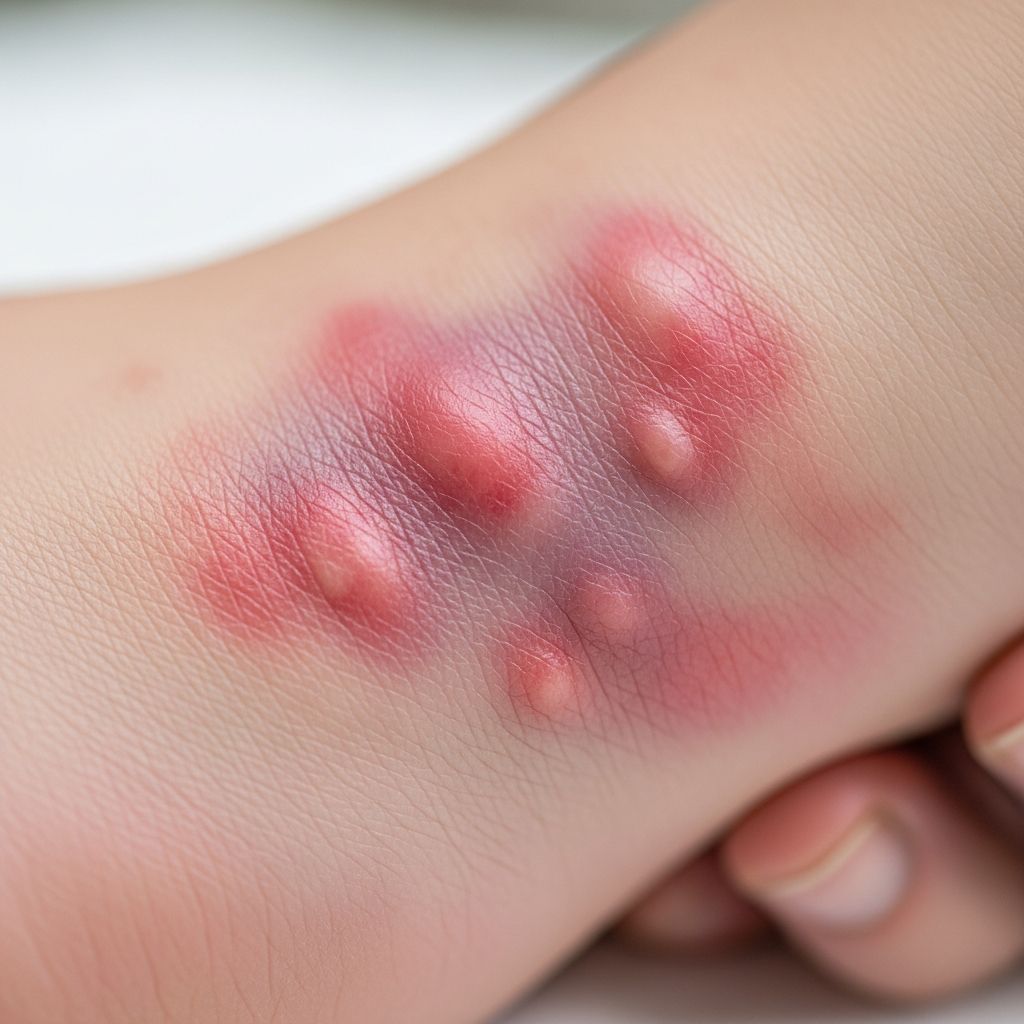
Chilblains, medically termed pernio or perniosis, represent an inflammatory response of small blood vessels in the skin to non-freezing cold exposure, particularly in damp conditions. This condition manifests as painful, itchy patches primarily on extremities like fingers, toes, ears, and nose.
Understanding the Physiology Behind Chilblains
When skin encounters cold, damp air, blood vessels constrict to conserve heat, reducing blood flow to the surface. Upon rewarming, vessels dilate rapidly, causing leakage of fluid into surrounding tissues, leading to inflammation, swelling, and discomfort. Symptoms typically emerge 12-24 hours post-exposure.
This reaction is more pronounced in individuals with heightened vascular sensitivity. Unlike frostbite, which involves actual freezing, chilblains occur in temperatures above freezing but below comfortable levels, often around 0-10 C with high humidity.
Common Signs and Symptoms
Recognizing chilblains early aids in effective management. Key indicators include:
- Red or bluish-purple patches: Discolored areas on toes, fingers, heels, or earlobes that may blanch under pressure.
- Itching and burning: Intense pruritus worsening upon entering warm environments.
- Swelling and tenderness: Raised, inflamed nodules that feel hot to the touch.
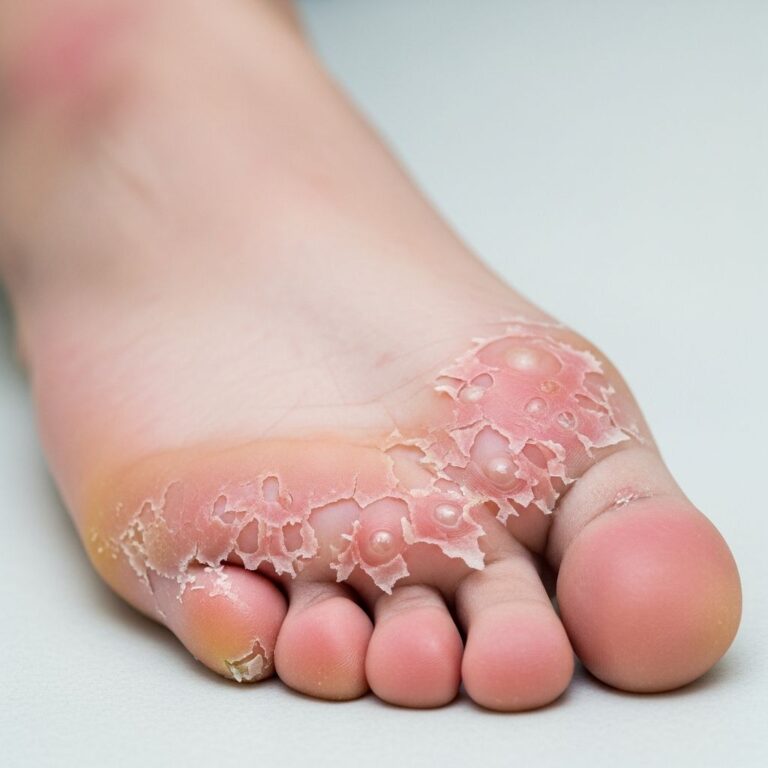
- Skin breakdown: In severe cases, blisters, ulcers, or cracks form, risking secondary bacterial infection.
Symptoms can persist for days to weeks, resolving without scarring in most instances, though chronic cases may lead to tissue damage.
Who Is Most at Risk?
Not everyone exposed to cold develops chilblains; susceptibility varies. Primary risk factors encompass:
| Risk Factor | Description |
|---|---|
| Cold sensitivity | Genetic or acquired hypersensitivity to temperature shifts. |
| Poor circulation | Conditions like peripheral arterial disease (PAD) or sedentary lifestyle impair blood flow. |
| Demographics | Elderly, children, teens, and those with low BMI (e.g., anorexia). |
| Underlying conditions | Raynaud’s phenomenon, lupus (CHLE), anemia, connective tissue disorders. |
Women and smokers face elevated risks due to vascular effects of nicotine. Familial patterns suggest genetic components in some cases.
Primary Causes and Triggers
Idiopathic chilblains predominate, but secondary forms link to rare systemic issues like lupus erythematosus or even leukemia presentations. Key triggers include:
- Prolonged exposure to cold, damp air without adequate protection.
- Sudden temperature changes, e.g., moving from outdoors to heated indoors.
- Tight footwear or damp clothing restricting circulation, especially on feet.
- High humidity amplifying cold’s penetration.
Unlike allergies or infections, chilblains stem directly from vascular dysregulation.
Differentiating Chilblains from Similar Conditions
Accurate diagnosis prevents mismanagement. Common differentials:
- Frostbite: Involves freezing; causes numbness, pallor, not itchiness.
- Raynaud’s: Episodic color changes without persistent inflammation.
- CHLE (Chilblain lupus): Biopsy-confirmed; associated with antinuclear antibodies.
- Contact dermatitis: Itchy but lacks vascular specificity; history of irritant exposure.
- Cellulitis: Fever, rapid spread indicate infection.
Dermatologists may use history, exam, and rarely biopsy or blood tests to rule out autoimmune links.
Home-Based Management Strategies
Most cases resolve with conservative care. Essential steps:
- Warm gradually: Avoid direct heat sources like hot water bottles to prevent burns on numb skin.
- Moisturize: Apply lanolin or petroleum-based ointments to soothe and protect.
- Elevate and gently massage: Promote drainage without vigorous rubbing.
- Anti-itch relief: Calamine lotion or OTC hydrocortisone for symptom control.
- Pain management: Paracetamol or ibuprofen for discomfort and inflammation.
Related Stories



Avoid scratching to prevent infection; keep lesions clean and covered.
Medical Interventions for Persistent Cases
Seek professional help if symptoms last >2 weeks, worsen, or show infection signs (pus, fever). Treatments may include:
- Topical steroids: Potent corticosteroids to reduce inflammation.
- Nifedipine: Calcium channel blocker to improve circulation in severe/recurrent pernio.
- Antibiotics: For secondary infections.
- Phototherapy (UVB): For chronic idiopathic cases.
Underlying conditions like lupus require specialist referral.
Proven Prevention Techniques
Proactive measures minimize recurrences:
- Layer clothing: Wool socks, gloves, hats covering extremities.
- Stay dry: Waterproof boots in damp weather.
- Gradual warming: Allow skin to acclimate slowly indoors.
- Lifestyle adjustments: Exercise for circulation, quit smoking, maintain healthy weight.
- Pre-winter prep: Vasodilators under medical supervision for high-risk individuals.
During cold snaps, limit outdoor time and monitor vulnerable family members.
Potential Complications and Long-Term Outlook
While self-limiting, untreated chilblains can ulcerate, scar, or infect, particularly in diabetics or immunocompromised patients. Chronic pernio may signal deeper vascular or autoimmune pathology. Most heal fully within 1-3 weeks; recurrences drop with prevention.
Frequently Asked Questions (FAQs)
Are chilblains contagious?
No, chilblains result from environmental and vascular factors, not pathogens.
Can chilblains appear in summer?
Rarely; they are cold-induced, but air-conditioned spaces might trigger in sensitive individuals.
Do chilblains always itch?
Itching is common but varies; some experience only pain or burning.
Is there a cure for recurrent chilblains?
No cure, but management and prevention control symptoms effectively.
Should I pop chilblain blisters?
No; this increases infection risk. Cover and protect.
Chilblains, though uncomfortable, are manageable with awareness and prompt action. Consult healthcare providers for tailored advice, especially with comorbidities.
References
- Pernio – StatPearls – NCBI Bookshelf — National Center for Biotechnology Information. 2023-07-17. https://www.ncbi.nlm.nih.gov/books/NBK549842/
- Chilblains – Mayo Clinic (Symptoms and Causes) — Mayo Clinic. 2023. https://www.mayoclinic.org/diseases-conditions/chilblains/symptoms-causes/syc-20351097
- Chilblains – Better Health Channel — State Government of Victoria. 2023. https://www.betterhealth.vic.gov.au/health/conditionsandtreatments/chilblains
- Chilblains: Causes, Symptoms, Diagnosis, Treatment – WebMD — WebMD. 2024. https://www.webmd.com/skin-problems-and-treatments/chilblains-causes-symptoms-diagnosis-treatment-and-prevention
- Pernio and Chilblains: Symptoms and Treatment — Rencic Dermatology. 2023. https://www.rencicderm.com/conditions/pernio-chillblains
- Chilblains – NHS — National Health Service. 2023-11-14. https://www.nhs.uk/conditions/chilblains/
Similar Articles








Read full bio of medha deb