Child Sleeping with Eyes Open: Causes and Care
Discover why children sleep with eyes open, potential risks to eye health, and practical steps for parents to ensure safe, restful nights.
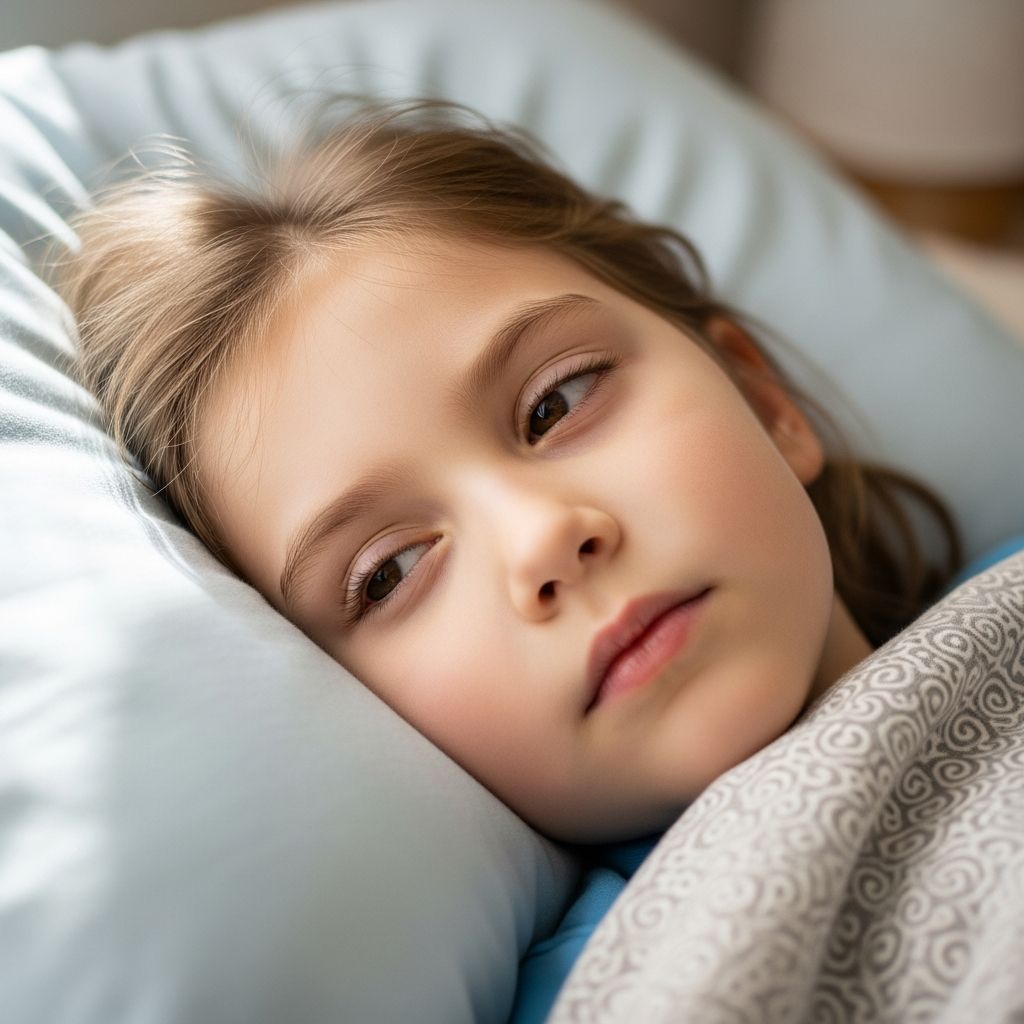
When a child sleeps with their eyes partially or fully open, it can alarm parents, but this phenomenon, known as nocturnal lagophthalmos, is often benign in young ones. Unlike adults, children rarely face long-term harm, yet understanding the triggers and protective measures ensures their eye health remains optimal during rest.
Understanding Nocturnal Lagophthalmos in Children
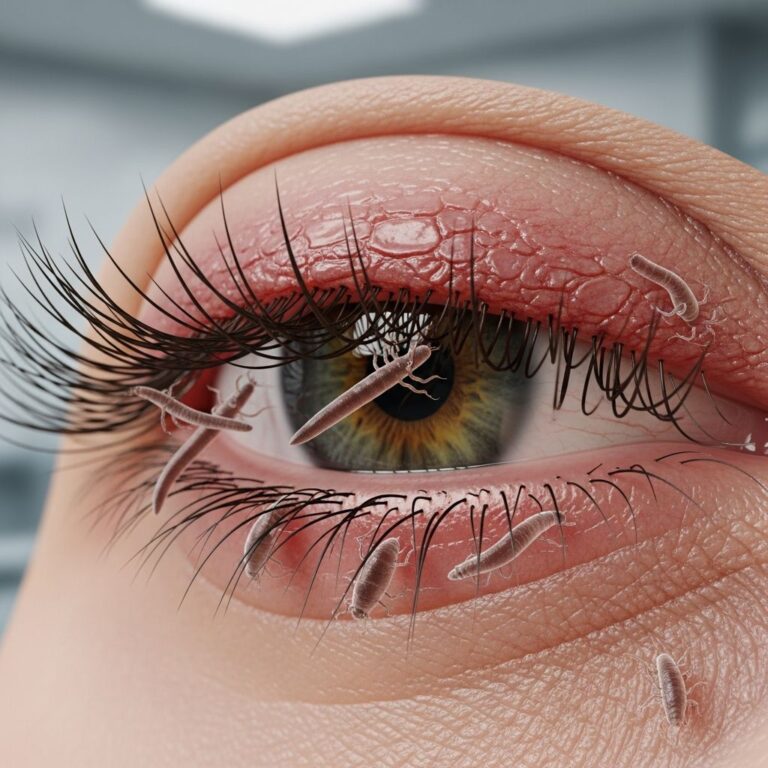
Nocturnal lagophthalmos occurs when the eyelids fail to fully close during sleep, exposing the cornea to air. In children, this is less prevalent than in adults, affecting a smaller percentage due to their resilient eyelid muscles and frequent blinking patterns even in lighter sleep stages. The condition stems from incomplete eyelid seal, which disrupts the natural tear film that shields the eye’s surface overnight.
Pediatric cases differ from adult ones because children’s facial structures are still developing, providing more elasticity. However, observation is key: parents might notice a sliver of white sclera visible under the upper lid or subtle eye movements during sleep. Early detection prevents minor irritations from escalating.
Common Triggers in Young Sleepers
Several factors can lead to this in kids, ranging from developmental phases to temporary health issues. Here’s a breakdown:
- Developmental Norms: Newborns and infants sometimes exhibit this as their nervous system matures, resolving naturally within months.
- Illness-Related: Fevers or infections can cause temporary muscle relaxation, leading to partial eyelid opening during sleep.
- Muscle or Nerve Weakness: Rare conditions like Bell’s palsy or mild facial nerve issues may impair the orbicularis oculi muscle responsible for eyelid closure.
- Parasomnias: Disorders of arousal, common in childhood, feature open eyes during confused wake-sleep transitions, often lasting 30-40 minutes.
- Environmental Factors: Overheating, stress, or sleep deprivation can trigger episodes, mimicking lagophthalmos.
Unlike proptosis or thyroid issues more common in adults, children’s cases seldom link to structural deformities unless congenital.
Recognizing Symptoms in Kids
Children may not verbalize discomfort, so watch for daytime clues signaling overnight exposure:
| Symptom | Description | Frequency in Kids |
|---|---|---|
| Dryness or Itchiness | Eyes feel gritty upon waking | Common |
| Redness | Visible blood vessels in the sclera | Frequent |
| Light Sensitivity | Aversion to bright lights | Occasional |
| Blurred Vision | Temporary focus issues | Rare |
| Excess Tearing | Reflexive watering as compensation | Moderate |
These arise because the cornea, highly sensitive, dries without blinks to spread tears. Prolonged exposure risks scratches or ulcers, though kids’ robust healing minimizes this.
Health Risks and Why It Matters
While adults face corneal damage over years, children’s episodes are typically short-lived with fewer complications. Still, unchecked dryness invites infections or inflammation, potentially affecting vision development. Poor sleep quality from irritation can disrupt growth, as quality rest supports brain-eye coordination.
Rarely, persistent cases signal underlying issues like sleep apnea or neuromuscular disorders, warranting checks to rule out broader health concerns.
Practical Home Strategies for Protection
Most pediatric instances resolve without intervention, but these steps safeguard eyes:
- Moisturizing Eye Drops: Use preservative-free artificial tears before bed to mimic natural lubrication.
- Gentle Taping: Apply hypoallergenic tape to lightly hold lids shut, ensuring no pressure on the globe—consult a doctor first.
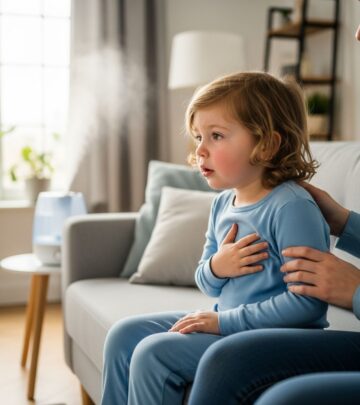
- Humidifier Use: Maintain bedroom humidity at 40-60% to prevent air dryness.
- Sleep Environment Tweaks: Darken rooms fully; light through open lids fragments sleep.
- Massage Techniques: Evening eyelid massages strengthen muscles over time.
Related Stories



Avoid sedatives or alcohol exposure, even in trace forms via medications, as they relax muscles further.
Professional Evaluation: When to Consult a Specialist
Schedule an pediatric ophthalmologist visit if symptoms persist beyond a week or include pain, discharge, or vision changes. During exams, doctors assess blink completeness, corneal staining with dye, and eyelid tone.
For recurrent parasomnias, a sleep study might differentiate from true lagophthalmos. Early intervention, like custom lubricants or rarely surgery, prevents progression.
Age-Specific Insights
Infants and Toddlers
In babies, open-eye sleep is a passing phase tied to immature neural control, rarely needing action unless paired with fussiness. Monitor for dehydration signs during illnesses.
School-Age Children
Older kids might link it to stress or apnea; track sleep patterns via journals for doctor discussions.
FAQs on Children Sleeping with Eyes Open
Is it normal for my baby to sleep with eyes open?
Yes, especially in newborns; it often self-resolves as the nervous system develops.
Can it damage my child’s vision?
Rarely in kids; short exposures heal quickly, but chronic cases risk corneal issues.
How do I know if it’s happening?
Observe during naps or ask family; look for morning redness or grittiness.
Does it indicate a serious problem?
Usually not, but paired with facial weakness or snoring, seek evaluation.
What home remedies work best?
Artificial tears and humidifiers are safe starters; tape if advised.
Long-Term Outlook and Prevention
With prompt care, most children outgrow nocturnal lagophthalmos symptom-free. Promote habits like consistent bedtimes, allergy management, and annual eye exams to bolster resilience. Educating parents empowers proactive monitoring, turning a curious sleep quirk into a non-issue.
This comprehensive approach blends observation, remedies, and expertise, ensuring restful nights preserve sharp daytime vision for growing eyes.
References
- Sleeping with eyes open | Ohio State Health & Discovery — Ohio State University Wexner Medical Center. 2023. https://health.osu.edu/health/eye-health/sleeping-with-eyes-open
- Nocturnal Lagophthalmos: Sleeping with Eyes Open — All About Vision. 2024. https://www.allaboutvision.com/conditions/sleeping-with-eyes-open/
- Sleeping with eyes open: Treatment, causes, and safety — Medical News Today. 2023-05-14. https://www.medicalnewstoday.com/articles/321517
- Signs You May Be Sleeping With Your Eyes Open — Sleep Foundation. 2024. https://www.sleepfoundation.org/physical-health/sleeping-with-eyes-open
- Parasomnia – Children’s Hospital of Philadelphia — CHOP.edu. 2023. https://www.chop.edu/conditions-diseases/parasomnia-in-children
Similar Articles








Read full bio of Sneha Tete