Childhood Breathing Challenges: Signs, Causes, And When To Act
Recognize signs, identify causes, and learn urgent actions for children's breathing issues to ensure timely care and recovery.
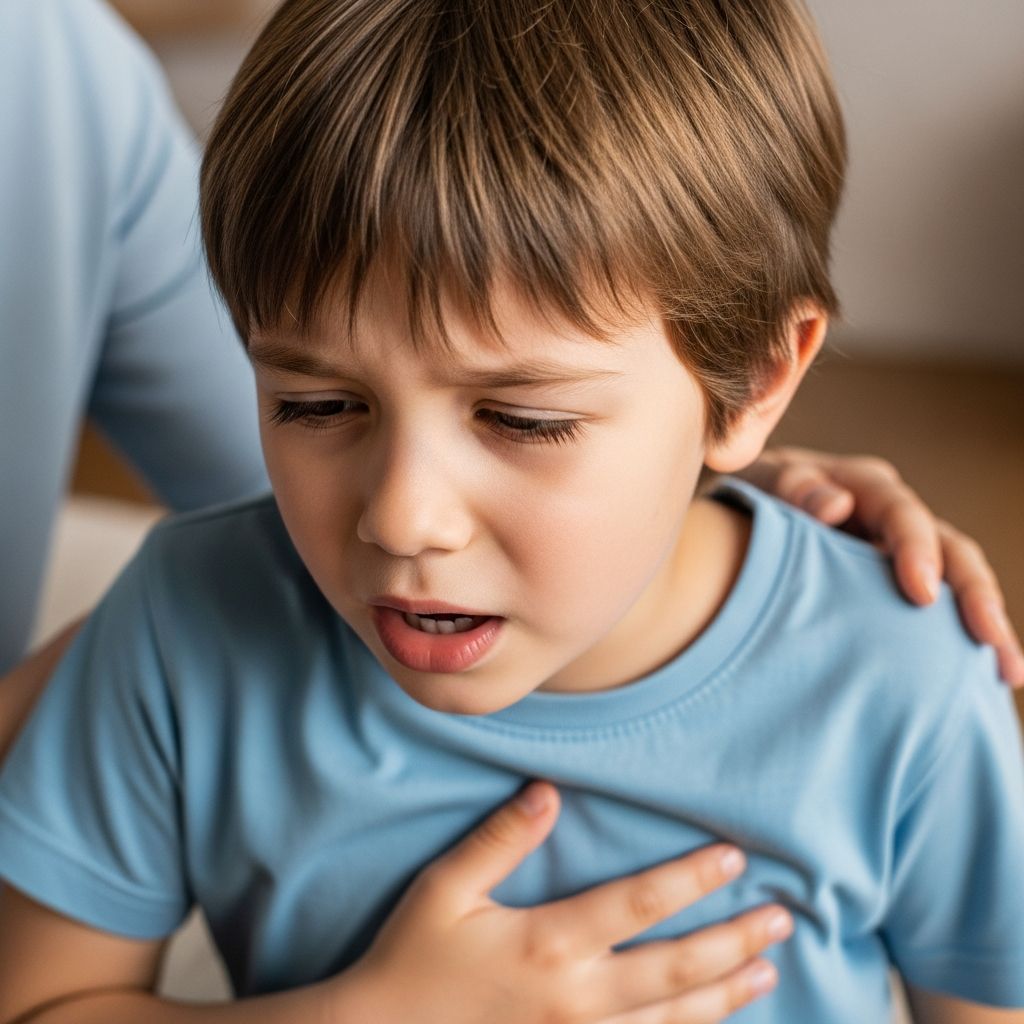
Breathing difficulties in children represent a frequent concern for parents, often signaling underlying issues that demand prompt attention. These challenges can range from mild episodes to severe respiratory distress, influenced by factors like infections, allergies, or chronic conditions. Understanding the nuances helps caregivers respond effectively, potentially averting complications.
Understanding Respiratory Distress in Young Ones
Respiratory distress occurs when a child’s body struggles to obtain adequate oxygen, manifesting through visible effort in breathing. This condition arises from various triggers, including infections or airway obstructions, and is more prevalent in premature infants or those with prior respiratory histories. Key indicators include accelerated breathing rates, where infants might exceed 60 breaths per minute and older children over 40, alongside other physical cues.
- Increased respiratory rate beyond age norms signals potential oxygen shortage.
- Visible retractions, such as skin pulling between ribs or at the neck, indicate labored inhalation.
- Color shifts to pale, gray, or blue hues around lips and nails reflect poor oxygenation.
Early detection empowers parents to act swiftly, as timely intervention can stabilize the child and prevent escalation.
Primary Causes Behind Breathing Troubles
Multiple factors contribute to breathing issues in kids, with infections topping the list as the most common culprits. Viral respiratory infections like bronchiolitis or croup inflame small airways, leading to wheezing and rapid breaths, particularly in children under two. Bacterial pneumonias further complicate matters by filling lung spaces with fluid, reducing oxygen exchange.
Asthma, a chronic inflammatory disorder, affects airways through swelling and constriction upon trigger exposure, causing wheezing, coughs, and shortness of breath. Triggers encompass pollen, cold air, exercise, and smoke, with symptoms often worsening nocturnally or during viral bouts.
| Cause | Description | Common Age Group |
|---|---|---|
| Viral Infections (e.g., RSV, Croup) | Swelling in airways; barking cough, hoarseness | Under 2 years |
| Asthma | Airway inflammation and spasm | All ages, peaks in school-age |
| Allergies/Anaphylaxis | Sudden onset from foods, stings; hives, swelling | Any age |
| Foreign Body Aspiration | Choking on objects blocking airways | Toddlers |
Allergic reactions, including severe anaphylaxis from peanuts or bee stings, provoke rapid airway closure, demanding immediate epinephrine. Environmental irritants like smoke or pollutants exacerbate vulnerabilities, while rarer structural anomalies, such as those in cystic fibrosis, lead to persistent mucus buildup.
Recognizing Critical Warning Signs
Distinguishing routine sniffles from serious distress hinges on observing specific symptoms. Wheezing—a high-pitched whistle during exhalation—often points to narrowed airways from asthma or infections. Stridor, a harsher inspiratory sound, suggests upper airway obstruction like croup.
- Nasal flaring and head bobbing denote intense respiratory effort.
- Grunting on exhalation helps maintain lung pressure in infants.
- Chest retractions and accessory muscle engagement highlight strain.
Associated signs like fever, lethargy, or irritability amplify urgency, especially if the child appears unusually drowsy post-fever reduction. Heart rate spikes compensate for low oxygen, underscoring the body’s adaptive response.
When to Seek Immediate Medical Help
Related Stories



Not all breathing issues require emergency care, but certain red flags necessitate rapid action. Rush to the ER if observing persistent rapid breathing, blue lips, or extreme fatigue—these indicate life-threatening hypoxia. For milder cases with dehydration or low-grade fever, a primary care visit suffices.
Croup warrants assessment for its characteristic bark and stridor, often treatable with steroids outpatient. Asthma attacks with unrelenting wheezing demand bronchodilators and possible hospitalization.
| Emergency (Call 911) | Urgent Care/Doctor |
|---|---|
| Blue skin/lips Rapid shallow breaths Unable to speak/eat | Mild wheezing Fever with cough Mild retractions |
| High fever unresponsive Dehydration signs | Post-viral lingering symptoms |
Delays in severe cases risk permanent damage, emphasizing vigilance.
Management Strategies at Home and Clinic
Home care for minor episodes involves hydration, humidified air, and upright positioning to ease congestion. Saline drops and bulb suction aid nasal clearance in infants. Avoid irritants like smoke to prevent flare-ups.
Clinically, nebulized bronchodilators relax airways in asthma or bronchiolitis, while corticosteroids curb inflammation in croup or acute attacks. Oxygen therapy supports severe distress, and vaccines mitigate preventable causes like influenza or whooping cough. Long-term asthma plans include trigger avoidance and controller medications.
Preventive Measures for Respiratory Health
Proactive steps significantly lower incidence. Vaccinations against flu, pneumonia, and pertussis shield vulnerable lungs. Hand hygiene and limiting sick contacts curb viral spread. For allergy-prone kids, dust mite covers and pet restrictions help.
Asthma education equips families with action plans, aiming for symptom-free days and activity participation. Air quality monitoring avoids pollutant exposure, fostering robust respiratory development.
Special Considerations for Infants and Toddlers
Infants under six months face heightened risks from bronchiolitis, progressing from runny noses to labored breaths. Premature babies or those with heart conditions require vigilant monitoring. Breastfeeding bolsters immunity, reducing infection likelihood.
Toddlers’ curiosity heightens choking hazards; teach safe play and recognize sudden coughs or unilateral wheezing as aspiration signs.
Long-Term Outlook and Chronic Conditions
Most acute episodes resolve with care, but chronic asthma demands ongoing management for normal growth. Cystic fibrosis advances with therapies like mucus-clearing vests, extending quality life. Regular check-ups track lung function, adjusting plans as needed.
Frequently Asked Questions
What does wheezing indicate in my child?
Wheezing signals narrowed airways, commonly from asthma, infections, or allergies.
Is rapid breathing always serious?
Not always, but combined with retractions or color changes, it requires evaluation.
Can home remedies fix breathing issues?
They support mild cases but never replace professional assessment in distress.
How to prevent asthma attacks?
Avoid triggers, use controllers, and follow personalized plans.
When is croup an emergency?
If stridor persists at rest or breathing worsens.
References
- What Can Cause Problematic Breathing in Children? — Health Services NTX. 2023. https://healthservicesntx.org/what-can-cause-problematic-breathing-in-children/
- Breathing Problems — Texas Children’s Hospital. 2024-01-15. https://www.texaschildrens.org/content/conditions/breathing-problems
- Childhood asthma – Symptoms & causes — Mayo Clinic. 2025-06-10. https://www.mayoclinic.org/diseases-conditions/childhood-asthma/symptoms-causes/syc-20351507
- Common Breathing Problems in Kids and How to Treat Them — Cedars-Sinai. 2024-03-22. https://www.cedars-sinai.org/stories-and-insights/healthy-living/common-breathing-problems-in-kids
- Trouble Breathing — Seattle Children’s Hospital. 2025-02-01. https://www.seattlechildrens.org/conditions/a-z/trouble-breathing/
- Signs of Respiratory Distress in Children — Children’s Hospital of Philadelphia. 2024-11-05. https://www.chop.edu/conditions-diseases/signs-respiratory-distress-children
- Respiratory Distress — Nationwide Children’s Hospital. 2024-09-18. https://www.nationwidechildrens.org/conditions/respiratory-distress
Similar Articles








Read full bio of Sneha Tete