Childhood Skin Cancer: Prevention, Recognition & Care
Understanding skin cancer in children: early detection, prevention strategies, and treatment options.
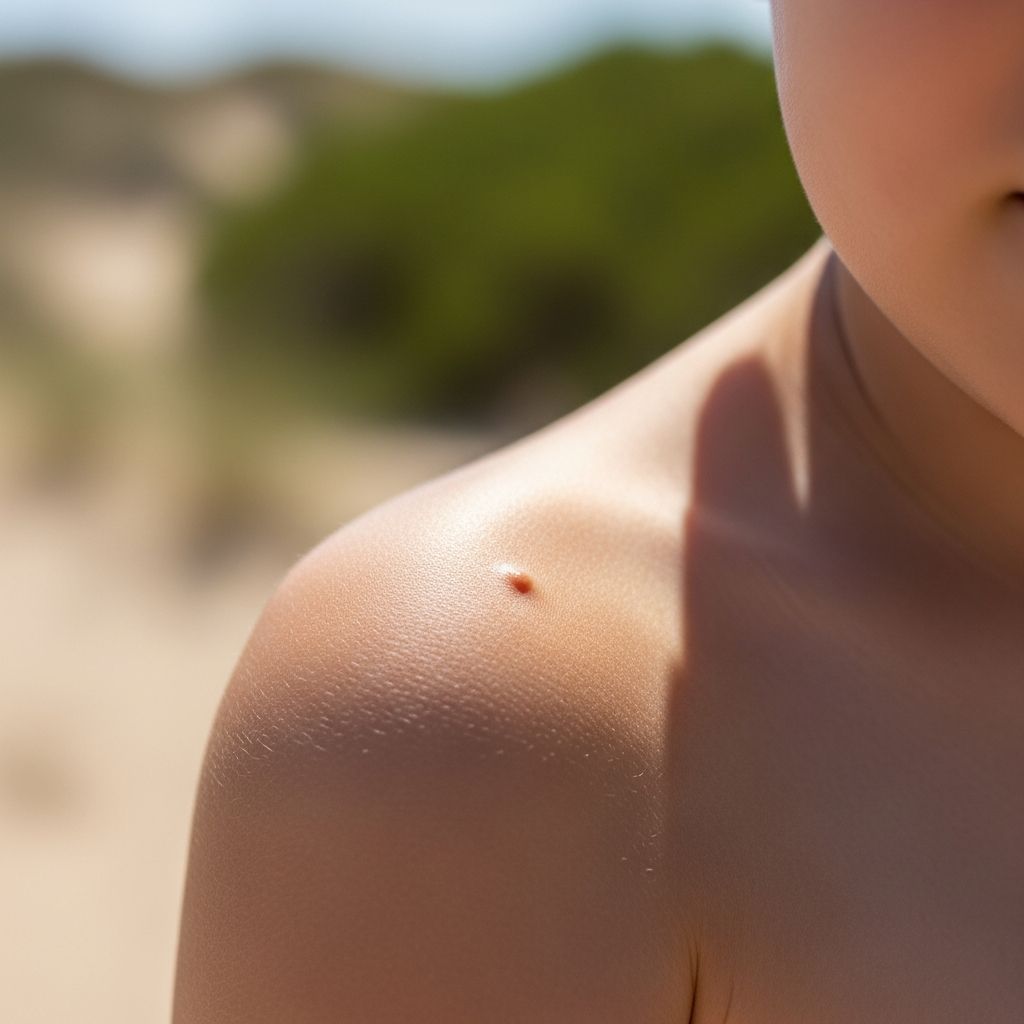
Understanding Childhood Skin Cancer
Skin cancer in children is a serious health concern that deserves attention from parents and caregivers. While skin cancer is more common in adults, it can and does occur in children and young people. Understanding the types of skin cancer, recognizing warning signs, and implementing preventive measures are crucial steps in protecting your child’s long-term skin health. This comprehensive guide provides essential information about childhood skin cancer, helping families make informed decisions about prevention and treatment.
Types of Skin Cancer in Children
There are three main types of skin cancer that can develop in children, each with distinct characteristics and levels of severity.
Basal Cell Carcinoma
Basal cell carcinoma (BCC) is the most common type of skin cancer in adults, though it remains uncommon in children except in cases involving genetic conditions such as basal cell nevus syndrome and xeroderma pigmentosum. This highly treatable cancer grows very slowly and typically appears as a small, shiny bump or nodule on sun-exposed areas including the head, neck, arms, hands, and face.
Symptoms of basal cell carcinoma in children may include a raised bump that is shiny or pearly with small blood vessels, or areas of brown, blue, or black coloring. The lesion may also appear as a pink growth with raised edges, a lower area in the center, and blood vessels spreading outward. Some basal cell carcinomas present as flat, flesh-colored lesions with a scar-like appearance, or as a sore that won’t heal or heals and then returns.
Squamous Cell Carcinoma
Squamous cell carcinoma (SCC) is more aggressive than basal cell carcinoma but remains highly treatable. While rare in children, this cancer typically develops on sun-exposed skin such as the head, face, neck, ears, lips, and hands, though it can appear on other body areas including the genital region.
Symptoms include rough or scaly bumps that may bleed or crust over, wart-like growths, raised growths that are lower in the center, and open sores that don’t heal or heal and then return. Squamous cell carcinoma in situ, also known as Bowen disease, represents a very early form of this cancer and appears as rough or scaly red or brown patches on the skin.
Melanoma
Melanoma accounts for a small percentage of all skin cancers but is responsible for most deaths from skin cancer. This cancer starts in the cells that produce pigment in the skin and sometimes appears as a new or changing mole that may spread quickly. Notably, while melanomas in adults tend to turn darker, in children they often are whitish, yellowish, or pink.
Symptoms of melanoma include changes to existing moles or the appearance of new moles with ABCDE characteristics: asymmetry, irregular borders, multiple colors, diameter larger than a pencil eraser, or evolution or changes over time. Parents should watch for new moles that look unusual or are associated with pain, itching, bleeding, or crusting.
Related Stories



Warning Signs and Symptoms
Recognizing the warning signs of skin cancer in children is essential for early detection and successful treatment. Most cases of skin cancer cause bumps or moles that change or appear abnormal, often appearing on sun-exposed areas such as the face, arms, hands, or neck.
General signs and symptoms of skin cancer include:
- A new growth on the skin that might look like a mole, bump, or scab
- A rough patch on the skin
- A sore on the skin that won’t heal
- Changes to a mole or freckle, such as getting bigger or changing color
- Itchy skin around a skin growth
- Pain around a skin growth
Parents should be alert to any growth that is bleeding, getting bigger, changing color, or simply looks unusual. If your child develops a new mole that looks unusual or is associated with pain, itching, bleeding, or crusting, medical evaluation is warranted.
Risk Factors for Childhood Skin Cancer
Several risk factors increase a child’s likelihood of developing skin cancer. Understanding these factors empowers parents to take preventive action.
UV Exposure and Sunburns
Ultraviolet (UV) light exposure is the most significant environmental risk factor for skin cancer. Having had one or more sunburns that raised blisters increases the risk of developing skin cancer, particularly when sunburns occur during childhood. Intermittent exposure to strong sunlight accompanied by sunburn is the determining factor for basal cell carcinoma, while cumulative lifetime exposure matters more for squamous cell carcinoma.
Genetic and Hereditary Factors
Certain rare, inherited conditions significantly increase skin cancer risk in children. These include:
- Basal cell nevus syndrome (Gorlin syndrome)
- Xeroderma pigmentosum (XP)
- Epidermodysplasia verruciformis in squamous cell carcinoma
Children with these genetic conditions require especially vigilant sun protection and regular skin monitoring.
Skin Characteristics
Children with certain skin characteristics face higher risk:
- Light skin
- Many freckles
- Atypical moles or nevi
- Congenital melanocytic nevi (moles present at birth)
Other Risk Factors
Additional risk factors include prior radiation therapy, lowered immunity such as in organ transplant recipients, HPV infection, and long-term immunosuppression. Chronic inflammation, ulceration, scars, and exposure to chemical carcinogens such as inorganic arsenic also increase risk.
Prevention Strategies
Implementing comprehensive sun protection strategies during childhood is one of the most effective ways to reduce skin cancer risk. Since cumulative sun exposure over a lifetime contributes to cancer development, establishing healthy habits early is essential.
Sun Protection Practices
Parents should encourage children to:
- Seek shade during peak UV hours (typically 10 AM to 4 PM)
- Wear protective clothing, including long-sleeved shirts, long pants, and wide-brimmed hats
- Apply broad-spectrum sunscreen with SPF 30 or higher generously and reapply every two hours or after swimming
- Wear UV-protective sunglasses to protect eyes and surrounding sensitive skin
- Avoid tanning beds and artificial UV light sources
Creating a Skin-Protective Environment
Families can establish an environment that supports skin health by normalizing sun protection as part of daily routines. Making sunscreen readily available, establishing regular skin checks, and discussing the importance of sun protection without creating anxiety helps children develop lifelong healthy habits.
Recognizing Abnormal Skin Growths
Parents benefit from understanding which skin growths are benign and which warrant medical evaluation. While not all unusual skin growths are cancerous, any concerning changes should be assessed by a healthcare professional.
Benign Childhood Skin Conditions
Several benign skin growths commonly appear in children and should not be confused with cancer. These include Spitz nevi, which show initially rapid growth followed by persistence, and are characterized by dome-shaped, skin-colored, or reddish papules that may appear on the face of toddlers or as brown-black plaques on the proximal extremity of adolescents. Juvenile xanthogranuloma (JXG), the most common form of non-Langerhans cell histiocytoses, typically presents as benign, firm, initially reddish, then yellow-orange colored papules and nodules measuring 0.5 to 2 cm in diameter, most commonly located on the head, neck, and upper body.
When to Seek Medical Evaluation
Certain characteristics suggest a growth warrants professional evaluation:
- Rapid growth
- Firm consistency or deep localization
- Diameter exceeding 3 cm
- Ulceration or bleeding
- Non-movable or fixed appearance
- Any change in appearance, size, color, or sensation
Parents should follow their instincts and consult their pediatrician or dermatologist if they notice anything concerning.
Diagnosis and Medical Evaluation
If a healthcare provider suspects skin cancer, they will perform a thorough evaluation. This typically begins with a detailed history and physical examination, followed by diagnostic procedures such as dermoscopy, which allows magnified examination of suspicious lesions. If cancer is suspected, a skin biopsy, in which a small sample of tissue is removed for microscopic examination, provides a definitive diagnosis.
Treatment Options
Treatment for childhood skin cancer depends on the type, stage, and size of the cancer, as well as the child’s age and overall health. Most skin cancers in children are highly treatable, particularly when caught early. Treatment options may include surgical removal, topical medications, or other specialized interventions determined by the dermatologic or oncologic team.
Supporting Your Child Through Skin Cancer
If your child is diagnosed with skin cancer, emotional support and open communication are essential. Parents should:
- Maintain regular follow-up appointments as recommended by the healthcare team
- Communicate with school and activity leaders about any restrictions or accommodations needed
- Encourage questions and provide age-appropriate information about the diagnosis and treatment
- Model healthy sun protection habits to reinforce their importance
- Connect with support resources and other families facing similar situations
Frequently Asked Questions
Q: How common is skin cancer in children?
A: While skin cancer is more common in adults, it can occur in children. Basal cell and squamous cell carcinomas are rare in children unless genetic predispositions exist, while melanoma occurs occasionally in pediatric patients.
Q: Can sunscreen alone prevent skin cancer?
A: Sunscreen is one important component of comprehensive sun protection but should be used alongside other strategies including seeking shade, wearing protective clothing, and avoiding peak UV hours.
Q: What should I do if I notice an unusual mole on my child?
A: Schedule an appointment with your pediatrician or dermatologist. They can evaluate the growth and determine if further investigation is needed. Early professional evaluation provides peace of mind and enables early treatment if necessary.
Q: Are children with light skin at greater risk?
A: Yes, light skin is a risk factor for skin cancer development. Children with fair skin, red or blonde hair, and blue eyes require particularly vigilant sun protection.
Q: How often should children have skin checks?
A: Parents should perform monthly self-examinations and discuss any concerns with their pediatrician. Children with risk factors or family history of skin cancer may benefit from professional dermatologic evaluations at regular intervals.
Q: Can childhood sunburns lead to skin cancer later in life?
A: Yes, sunburns during childhood, especially severe burns causing blisters, increase the risk of developing skin cancer in adulthood. This emphasizes the importance of protecting children from sunburn.
References
- Skin cancer – Symptoms and causes — Mayo Clinic. 2024. https://www.mayoclinic.org/diseases-conditions/skin-cancer/symptoms-causes/syc-20377605
- Skin Tumors in Childhood — PubMed Central, National Institutes of Health. 2011. https://pmc.ncbi.nlm.nih.gov/articles/PMC3109276/
- Skin Cancer in Children — University of Rochester Medicine. 2024. https://www.urmc.rochester.edu/encyclopedia/content?ContentTypeID=90&ContentID=P01922
- Skin Cancer in Children — Children’s Hospital of Philadelphia. 2024. https://www.chop.edu/conditions-diseases/skin-cancer-children
- Skin Cancer — Pediatric Dermatology of North Texas. 2024. https://pediatricderm.com/services/skin-cancer/
- Melanoma (Skin Cancer) — Boston Children’s Hospital. 2024. https://www.childrenshospital.org/conditions-treatments/melanoma
- When a Child Gets Skin Cancer — American Academy of Dermatology Association. 2024. https://www.skincancer.org/blog/when-a-child-gets-skin-cancer/
Similar Articles








Read full bio of Sneha Tete