Childhood Snoring: 6 Home Strategies To Improve Sleep
Discover causes, symptoms, and solutions for snoring in kids to ensure restful sleep and healthy growth.
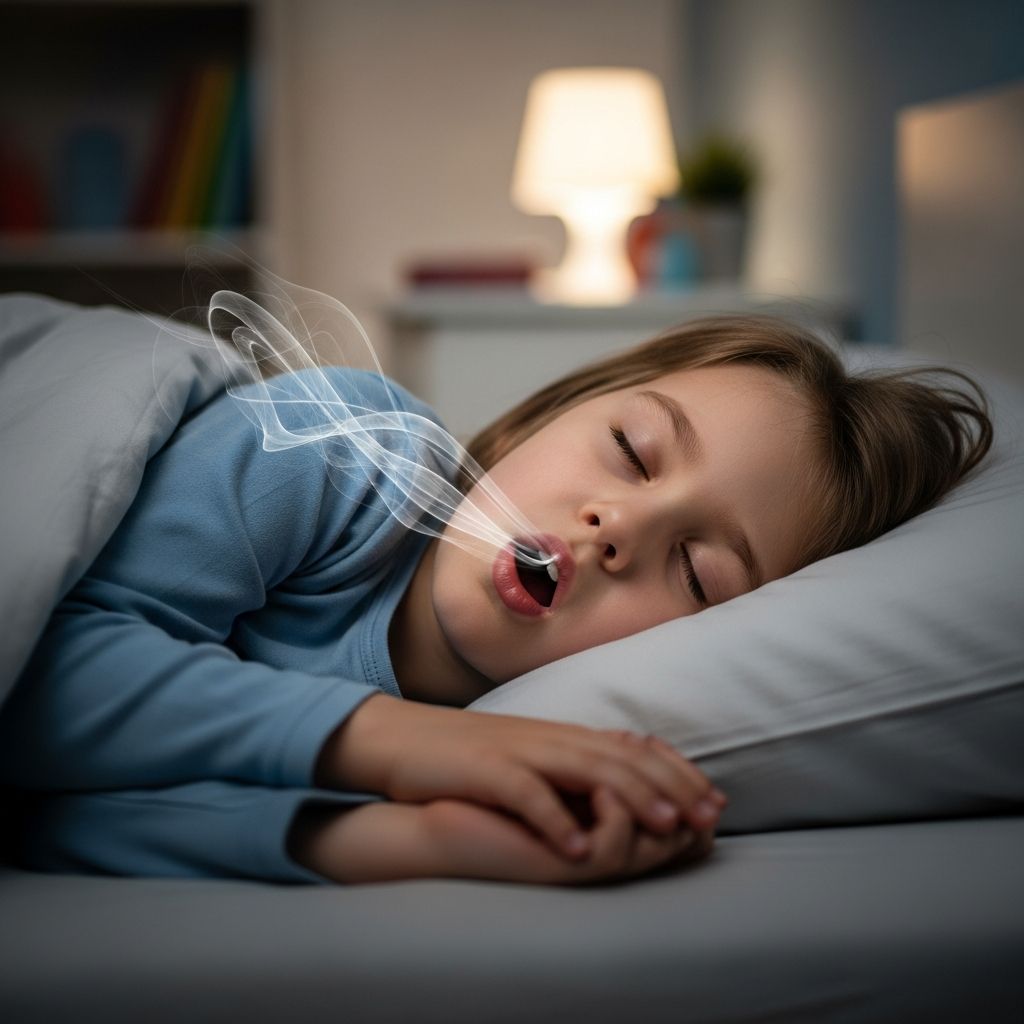
Snoring in children often signals partial airway blockage during sleep, ranging from harmless vibrations to serious conditions like obstructive sleep apnea. Parents should monitor frequency and associated symptoms to determine if intervention is needed.
Understanding Noisy Breathing During Sleep
When children snore, it’s typically due to relaxed throat tissues vibrating as air passes through a narrowed passage. This differs from adults, as kids’ airways are smaller and more prone to obstruction from temporary issues or structural factors. Light snoring affects up to 10% of children regularly, but 25-40% experience some form of sleep-disordered breathing.
Primary snoring, or simple habitual snoring, occurs more than twice weekly without other issues. In contrast, obstructive sleep apnea (OSA) involves breathing pauses lasting 10 seconds or more, potentially dozens of times nightly, leading to oxygen drops and sleep fragmentation.
Primary Factors Behind Pediatric Snoring
Several elements contribute to snoring in young ones. Anatomical issues top the list, particularly enlarged tonsils and adenoids, which block airflow near the throat’s back—the most frequent cause of sleep-disordered breathing.
- Enlarged tonsils and adenoids: These immune glands swell from infections or naturally grow large, obstructing the airway.
- Nasal congestion: Colds or allergies inflame nasal passages, forcing mouth breathing and vibration.
- Structural anomalies: Deviated septum, narrow palate, small jaw, or larynx narrowing hinder smooth airflow.
- Obesity: Excess weight narrows airways, heightening OSA risk.
- Environmental triggers: Secondhand smoke, poor air quality, or asthma exacerbations irritate airways.
Sudden onset often ties to acute illnesses like colds, resolving as they clear. Persistent cases warrant closer examination.
Distinguishing Normal from Problematic Snoring
Not all snoring requires alarm. Occasional, quiet episodes during deep sleep, especially on the back, are common and benign, linked to position or mild congestion.
However, chronic loud snoring—three or more nights weekly—with labored breathing demands attention. Prevalence stats highlight: 2-4% of kids have OSA, while broader sleep-disordered breathing impacts 25-40%.
| Normal Snoring | Concerning Snoring |
|---|---|
| Occasional, soft, no pauses | Frequent, loud, with gasps or pauses |
| No daytime effects | Daytime fatigue, behavioral shifts |
| Linked to colds/position | Persistent despite clear nose |
Nighttime Indicators of Concern
Watch for these red flags during sleep, signaling potential OSA or severe blockage:
- Breathing pauses (apneas) or shallow breaths (hypopnea)
- Gasping, choking, or snorting awakenings
- Restless tossing, unusual positions
- Nightmares, terrors, or frequent awakenings
- Bedwetting or teeth grinding
- Bluish skin tint from low oxygen
These disrupt restorative sleep stages, raising heart rate and blood pressure.
Daytime Consequences of Poor Sleep
Untreated snoring impacts daily life profoundly. Children may exhibit:
- Excessive tiredness or napping needs
- Mouth breathing or morning headaches
- Hyperactivity mimicking ADHD
- Attention deficits, learning struggles
- Behavioral issues like aggression
- Slower growth or weight gain failure
Long-term, OSA links to high blood pressure, reduced IQ, obesity, and cardiovascular risks.
Health Risks of Untreated Sleep Issues
Chronic oxygen deprivation strains the body. Elevated blood pressure in sleep can persist daytime, fostering hypertension. Behavioral changes strain school performance and relationships. Obesity cycles worsen as poor sleep disrupts hunger hormones.
Related Stories



Early intervention prevents these. Studies show treated OSA improves attention and growth.
Home Strategies to Reduce Snoring
Start with non-invasive changes:
- Elevate bed head 30 degrees for better drainage.
- Ensure allergy control: wash bedding weekly, use air purifiers.
- Promote side sleeping with position aids.
- Maintain healthy weight via balanced diet, activity.
- Humidify dry air; avoid smoke exposure.
- Saline nasal rinses for congestion.
Track patterns in a sleep diary: duration, loudness, symptoms.
Medical Evaluation and Diagnosis
Consult a pediatrician if snoring persists >3 months, includes pauses, or pairs with daytime issues. Expect:
- Physical exam of throat, nose.
- Sleep history questionnaire.
- Possible referral to ENT or sleep specialist.
- Polysomnography (sleep study) for OSA confirmation.
Overnight studies measure oxygen, breathing, sleep stages.
Treatment Options for Persistent Cases
Tailored to cause:
| Treatment | When Used | Effectiveness |
|---|---|---|
| Tonsillectomy/adenoidectomy | Enlarged glands | High success for OSA |
| CPAP machine | Severe OSA | Keeps airway open |
| Nasal steroids | Allergies/inflammation | Reduces swelling |
| Orthodontics | Jaw/palate issues | Expands airway |
| Weight management | Obesity-related | Lowers risk |
Surgery resolves 75-100% of tonsil-related cases. CPAP suits non-surgical candidates.
Prevention Tips for Healthy Sleep
Foster habits early:
- Consistent bedtime routines.
- Limit screens pre-sleep.
- Breastfeed if possible—linked to fewer issues.
- Monitor for allergies, treat promptly.
- Annual check-ups for adenoid growth.
Frequently Asked Questions
Is snoring normal in toddlers?
Light, infrequent snoring is common, often from colds. Persistent loud snoring needs evaluation.
Can allergies cause chronic snoring?
Yes, inflammation blocks nasal passages; antihistamines or steroids help.
Does snoring affect school performance?
Often—sleep fragmentation impairs focus and memory.
When to worry about breathing pauses?
Any observed apneas, especially with gasping or color changes, require immediate doctor visit.
Is surgery always needed for OSA?
No, but adenoidectomy is common and effective for anatomical causes.
Empowering Parents for Better Outcomes
Recognizing snoring patterns empowers timely action. Collaborate with healthcare providers for personalized plans. Quality sleep supports growth, learning, and well-being.
References
- Snoring in Young Children — Children’s Hospital of Philadelphia. 2023. https://www.chop.edu/conditions-diseases/snoring-young-children
- Snoring in Children & Toddlers: When to Worry — Lurie Children’s Hospital. 2023. https://www.luriechildrens.org/en/blog/snoring-in-children-toddlers-when-to-worry/
- Snoring In Children: When Should You Be Concerned? — Texas Children’s Hospital. 2023. https://www.texaschildrens.org/content/wellness/snoring-children-when-should-you-be-concerned
- Snoring in Children: Causes & Treatments — Sleep Foundation. 2024. https://www.sleepfoundation.org/snoring/snoring-children
- Snoring – Normal — American Academy of Pediatrics. 2023. https://publications.aap.org/patiented/article/doi/10.1542/ppe_schmitt_542/204165/Snoring-Normal
Similar Articles








Read full bio of medha deb