Childhood Soiling: 3 Steps For Accurate Diagnosis
Comprehensive guide to encopresis: causes, symptoms, diagnosis, and effective treatments for children who soil after toilet training.
Childhood soiling, medically termed encopresis, involves unintentional passage of stool into clothing by children beyond typical toilet training age, usually after four years old. This condition impacts approximately 1.5% of young children and stems primarily from chronic constipation leading to stool retention and overflow leakage.
Defining Encopresis and Its Prevalence
Encopresis manifests as fecal incontinence where stool escapes despite prior successful potty training. It differs from voluntary defecation issues, often presenting as liquid or semi-formed stool staining underwear due to impaction. Prevalence data indicates it affects up to 2-3% of school-aged children, more commonly boys, and frequently goes undiagnosed without medical consultation.
Primary vs. Secondary Forms
Healthcare providers classify encopresis into primary and secondary types. Primary encopresis occurs without any successful toilet training phase, persisting from early childhood. Secondary encopresis emerges after a period of continence, often triggered by stressors like school entry or family changes.
How Constipation Leads to Soiling
The cycle begins with stool withholding, where children ignore defecation urges, causing fecal buildup in the rectum and colon. Prolonged retention hardens stool as water is absorbed, stretching intestinal walls and desensitizing nerves that signal the need to go. Eventually, sphincters fail to contain the mass, allowing softer stool to leak around it—a phenomenon called overflow incontinence.
- Stool retention triggers: Painful prior bowel movements, leading to avoidance.
- Colon stretching: Reduces muscle tone and sensation.
- Leakage occurrence: Liquid stool seeps past hard impaction unnoticed.
Recognizing the Signs in Your Child
Parents often detect soiling first by odor or stains in underwear. Additional indicators include abdominal discomfort, reduced appetite, or unusually large bowel movements that clog toilets. Children may hide soiled clothes or show behavioral changes like withdrawal due to embarrassment.
| Symptom | Description | Frequency |
|---|---|---|
| Underwear staining | Soft or liquid stool leaks | Common initial sign |
| Belly pain | Cramping from buildup | Frequent |
| Hard, large stools | Painful passage | Indicates impaction |
| Blood on paper | Fissures from straining | Occasional |
Potential Causes Beyond Constipation
While retentive encopresis dominates, non-retentive forms arise from emotional factors, dietary deficiencies, or rare anatomical issues. Stress, anxiety, or toilet avoidance due to public facilities can contribute. Food intolerances or post-illness changes occasionally play roles, though less frequently.
- Anxiety about school toilets.
- Diet low in fiber or fluids.
- Rare neurological or spinal conditions.
Emotional and Physical Impacts
Untreated soiling erodes self-esteem, fostering shame and social isolation. Physically, chronic impaction risks anal fissures, infections, or stunted growth if severe. Early intervention prevents long-term bowel dysfunction.
Steps for Accurate Diagnosis
Consult a pediatrician or gastroenterologist if soiling persists. Diagnosis involves medical history, physical abdominal/rectal exams, and possibly abdominal X-rays to confirm impaction. A stool diary tracking frequency, consistency, and accidents aids assessment.
- Describe symptoms and timeline.
- Note diet, toilet habits, and stressors.
- Undergo gentle rectal exam for tone and retention.
Comprehensive Treatment Approaches
Treatment targets clearance of impaction, bowel retraining, and maintenance. Patience and positivity are crucial, avoiding punishment which worsens retention.
Cleaning Out the Bowel
High-dose laxatives like polyethylene glycol (e.g., Miralax) soften and evacuate retained stool over days to weeks, monitored by a doctor.
Preventing Re-Impaction
Ongoing laxative therapy maintains soft stools, combined with scheduled toilet sits post-meals to leverage gastrocolic reflex.
Dietary and Lifestyle Changes
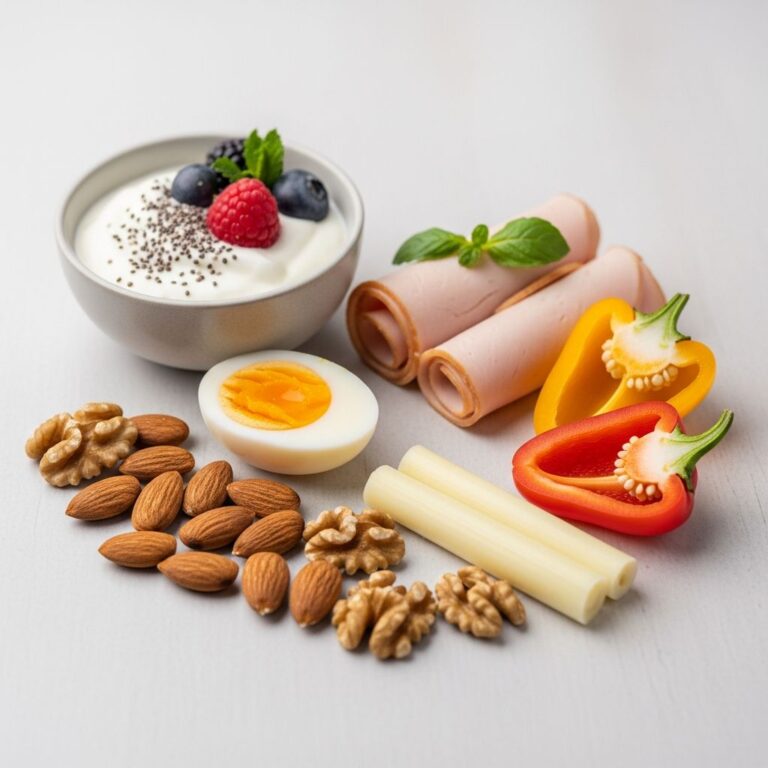
Increase fiber via fruits, vegetables, whole grains; ensure ample water intake. Limit constipating foods like cheese or processed items.
Related Stories



| High-Fiber Foods | Daily Servings | Benefits |
|---|---|---|
| Apples, pears | 2-3 | Natural laxative effect |
| Beans, lentils | 1-2 | Bulk-forming |
| Whole grain bread | 4-6 slices | Improves regularity |
Behavioral Strategies
Use rewards for toilet attempts, not just successes. Footstools aid positioning; tracking charts motivate. Address fears through play therapy if needed.
Role of Family and School Support
Caregivers should express understanding, changing clothes matter-of-factly. Schools can allow frequent bathroom access without stigma. Multidisciplinary teams including psychologists enhance outcomes for complex cases.
Long-Term Outlook and Prevention
With consistent treatment, 80% of children achieve continence within a year. Prevention emphasizes early potty training without pressure, responsive feeding, and routine check-ups. Monitor siblings of affected children for similar patterns.
Frequently Asked Questions (FAQs)
What age is encopresis most common?
Typically 4-12 years, peaking around school entry.
Is soiling a sign of laziness?
No, it’s a physiological issue from constipation; punishment hinders progress.
How long does treatment take?
Disimpaction: 1-2 weeks; full resolution: 6-12 months with adherence.
Can diet alone fix it?
Diet supports but rarely resolves without laxatives for impaction.
When to seek urgent care?
For severe pain, vomiting, weight loss, or blood in stool.
References
- Soiling (Encopresis) – HealthyChildren.org — American Academy of Pediatrics. 2023. https://www.healthychildren.org/English/health-issues/conditions/emotional-problems/Pages/soiling-encopresis.aspx
- Soiling (Encopresis) | Nemours KidsHealth — Nemours Foundation. 2024. https://kidshealth.org/en/parents/encopresis.html
- What Is Encopresis (Fecal Incontinence/Soiling)? – Cleveland Clinic — Cleveland Clinic. 2023-10-25. https://my.clevelandclinic.org/health/diseases/17849-encopresis-soiling
- Encopresis in Children | Causes, Diagnosis & Treatment — Cincinnati Children’s Hospital. 2024. https://www.cincinnatichildrens.org/health/e/encopresis
- What is Constipation and Fecal Soiling – Digestive Topics – GIKids.org — NASPGHAN. 2023. https://gikids.org/constipation/symptoms/
- Soiling (encopresis) in children: causes & treatment – ERIC — ERIC (The Children’s Bowel & Bladder Charity). 2024. https://eric.org.uk/childrens-bowels/soiling/
Similar Articles








Read full bio of Sneha Tete