Childhood Sports And COVID-19: 5 Expert Q&A Insights
Expert guidance on safely resuming childhood sports and activities during the COVID-19 pandemic for kids with arthritis.
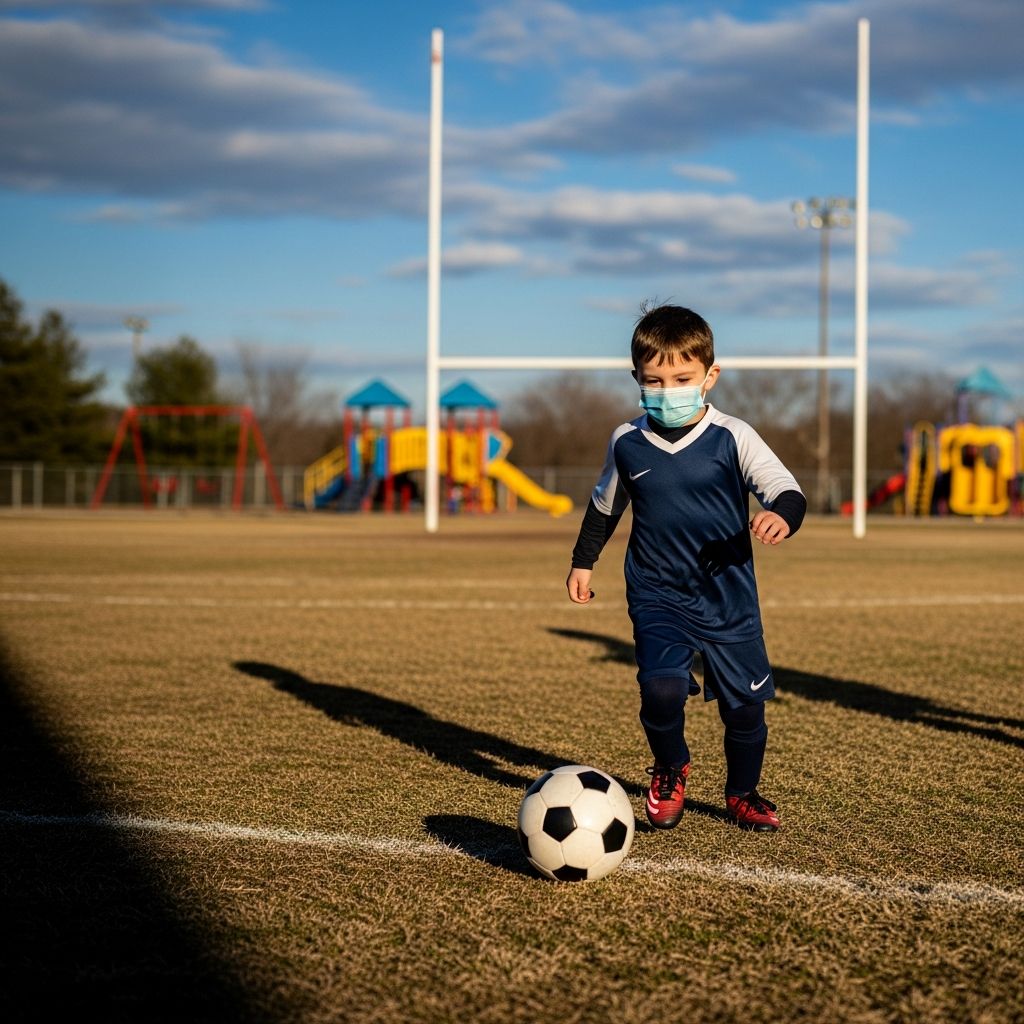
A pediatric infectious disease expert weighs in on the safety of childhood sports and other extracurricular activities during the coronavirus outbreak. This comprehensive guide addresses parental concerns about resuming youth sports amid COVID-19, with tailored advice for children living with juvenile arthritis (JA). Drawing from medical expertise and recent studies, we explore risk levels, safety protocols, and strategies to keep kids active safely.
Introduction to Childhood Sports During the Pandemic
The COVID-19 pandemic disrupted organized sports at all levels, from professional leagues to youth programs, leaving parents and children eager for guidance on safe return. For kids with arthritis, physical activity is crucial for joint health, mood, and development, but the virus adds layers of complexity. Children with juvenile idiopathic arthritis (JIA) can benefit immensely from sports, which support weight control, cardiovascular health, improved self-esteem, and social skills. However, high-impact activities must be managed carefully, especially when disease is active.
Pediatric infectious disease experts emphasize assessing community transmission rates, sport-specific risks, and individual health factors before resuming play. Studies during the pandemic showed a significant decline in sports-related musculoskeletal injuries among children, attributed to canceled seasons and social distancing measures. This lull provided an opportunity to rethink safe participation, particularly as restrictions eased.
Risk Levels of Youth Sports During COVID-19
Sports vary widely in transmission risk due to contact levels, group size, indoor/outdoor settings, and exertion intensity. The CDC outlines a risk spectrum for youth sports:
- Lowest Risk: Individual skill-building drills or conditioning at home, alone or with immediate family members.
- Increasing Risk: Team-based skill drills in small outdoor groups with social distancing.
- Moderate Risk: Within-team competitions or practices with limited contact.
- Higher Risk: Full team competitions within the same geographic area.
- Highest Risk: Tournaments or competitions involving teams from different regions, especially indoors.
For children with JA, low-impact sports like swimming or cycling are preferable, avoiding high-impact options such as gymnastics or tackle football when joints are affected. During active flares, switch to aquatic exercises, which reduce joint stress while maintaining fitness.
Safety Precautions for Resuming Sports
To minimize COVID-19 spread, follow these evidence-based protocols:
- Symptom Screening: Daily checks for fever, cough, sore throat, or loss of taste/smell before practices or games. Exclude anyone symptomatic.
- Hygiene Practices: Frequent handwashing, use of hand sanitizer (60%+ alcohol), and avoiding shared equipment. Clean high-touch surfaces regularly.
- Social Distancing: Maintain 6 feet between players when possible, especially during breaks or sidelines. Limit group sizes.
- Masks and Face Coverings: Wear during non-exertional activities; remove only during high-intensity play if it impairs breathing, but not in contact sports.
- Venue Choices: Prioritize outdoor settings with good ventilation over indoor gyms.
Parents of kids with JA should consult rheumatologists for personalized plans. Braces or supportive gear can enhance safety, and monitoring for overuse is key—limit practice to the child’s age in hours per week (e.g., 10 hours for a 10-year-old).
Related Stories



Special Considerations for Children with Arthritis
Juvenile arthritis affects over 300,000 U.S. children, often causing fatigue that impacts sports participation—32% report frequent tiredness hindering activities. Yet, with controlled disease, most sports are feasible. Experts recommend:
| Joint Affected | Sports to Avoid/Limit | Better Alternatives |
|---|---|---|
| Neck/Spine | Wrestling, tackle football | Swimming, walking |
| Shoulders | Tennis, overhead swimming strokes | Cycling, low-impact aerobics |
| Knees/Ankles | Soccer, running | Aquatic therapy, yoga |
Modifications like team management roles keep kids involved socially if full play isn’t possible. Dr. Greg Canty, who has JIA, credits such involvement for vital socialization. During the pandemic, solo exercises like home conditioning became top picks for safety and joint-friendliness.
Impact of COVID-19 on Pediatric Injuries and Activity
Public health measures led to fewer sports injuries: a study across three tertiary centers found sports-related musculoskeletal injuries dropped from 48.8% pre-pandemic to 33.3% in 2020, with younger average patient ages and shifts in mechanisms (more home-based falls). No significant delays in care occurred, suggesting families sought help promptly for serious issues.
For JA patients, reduced activity risked muscle weakening and joint stiffness, underscoring the need for safe resumption. Gymnast Estelle LeBoeuf, diagnosed at 10, adapted with modified workouts and therapy to continue competing despite flares.
Choosing the Right Leagues and Modifications
Select less competitive leagues focusing on physical maturity over age to reduce injury risk. Encourage body awareness—stop if joints ache post-practice. Therapists can suggest modifications, like brace sleeves for knees or wrist guards in soccer.
For pandemic-era play, tools like the Aspen Institute’s Return to Play COVID-19 Risk Assessment help tailor activities, favoring low-contact options like running on treadmills over crowded tracks.
Frequently Asked Questions (FAQs)
Are childhood sports safe during COVID-19?
Yes, with precautions like screening, distancing, and outdoor play. Risk varies by sport; individual activities are safest.
Can kids with juvenile arthritis play sports in a pandemic?
Absolutely, if disease is controlled. Opt for low-impact sports and consult doctors for gear/modifications.
What if organized sports are canceled?
Encourage home drills, family conditioning, or roles like team manager to maintain benefits.
How has COVID-19 affected kids’ sports injuries?
Sports injuries declined significantly due to activity restrictions, shifting to non-sport mechanisms.
Should kids wear masks during sports?
Yes, when not exerting intensely; prioritize breathability in high-intensity phases.
Conclusion: Balancing Activity and Safety
Resuming childhood sports post-COVID requires vigilance, but benefits outweigh risks with proper measures. For JA kids, activity is therapeutic—prioritize control, modifications, and infectious disease protocols for thriving.
References
- Sports Safety for Kids With Arthritis — Arthritis Foundation. 2023. https://www.arthritis.org/health-wellness/healthy-living/physical-activity/getting-started/sports-safety-for-kids-with-arthritis
- Changes in Pediatric Sports Injury Presentation During the COVID-19 Pandemic — PMC/NCBI. 2021-04-21. https://pmc.ncbi.nlm.nih.gov/articles/PMC8107815/
- Arthritis Foundation Releases its First-Ever Report on Juvenile Arthritis — Arthritis Foundation. 2023. https://www.arthritis.org/about-us/news-and-updates/first-report-on-juvenile-arthritis-released
- Returning to Youth Sports After the COVID-19 Crisis — Arthritis and Sports. 2020. https://www.arthritisandsports.com/post/sports-after-coronavirus
- Best Exercises for Children With JA — Arthritis Foundation. 2023. https://www.arthritis.org/health-wellness/healthy-living/physical-activity/getting-started/best-exercises-for-children-with-ja
Similar Articles








Read full bio of medha deb