Childhood Vaccinations In New Zealand: 7 Key Ages To Know
Essential guide to protecting New Zealand children with the national immunisation schedule from 6 weeks to school age.

Protecting children from serious diseases starts with timely vaccinations as part of New Zealand’s National Immunisation Schedule. This programme delivers free vaccines beginning at six weeks of age, targeting multiple preventable illnesses through a structured timeline up to school entry and beyond.
Why Vaccinations Matter for Young Children
Vaccines safeguard infants and toddlers from potentially life-threatening infections that were once common. By introducing weakened or inactivated forms of pathogens, they train the immune system to recognize and fight real threats without causing illness. New Zealand’s schedule aligns with World Health Organization recommendations, ensuring high coverage rates to achieve community immunity.
High vaccination uptake prevents outbreaks; for instance, measles cases dropped dramatically after widespread MMR use. Parents play a crucial role by adhering to appointments, as delays increase vulnerability during peak exposure periods like daycare entry.
The Step-by-Step Vaccination Timeline
The schedule is designed for optimal immune response, with doses spaced to build lasting protection. All vaccines are funded and available nationwide through general practices, Well Child services, or clinics.
| Age | Vaccines Administered | Diseases Protected Against |
|---|---|---|
| Pregnancy | Tdap, Influenza | Whooping cough, flu (protects newborn) |
| 6 weeks | DTaP-IPV-HepB/Hib, PCV13, Rotavirus (oral) | Diphtheria, tetanus, pertussis, polio, hep B, Hib, pneumococcal, rotavirus |
| 3 months | DTaP-IPV-HepB/Hib, Rotavirus, MenB | Same as 6 weeks + meningococcal B |
| 5 months | DTaP-IPV-HepB/Hib, PCV13, MenB | Same core + boosters for pneumococcal, MenB |
| 12 months | PCV13, MenB, MMR | Pneumococcal, MenB, measles, mumps, rubella |
| 15 months | MMR, Hib, Varicella | MMR booster, Hib, chickenpox |
| 4 years | DTaP-IPV | Diphtheria, tetanus, pertussis, polio booster |
This table summarizes the core schedule; high-risk children may receive extras like BCG for TB at birth or additional hep B doses. COVID-19 vaccines are available from age 5.
Understanding Key Vaccines and Target Diseases
- DTaP-IPV-HepB/Hib: A 6-in-1 shot at 6, 3, and 5 months combats diphtheria (throat infection), tetanus (lockjaw), pertussis (whooping cough), polio, hepatitis B (liver virus), and Hib (meningitis cause).
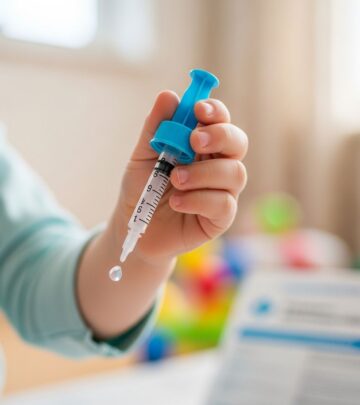
- Rotavirus: Oral doses prevent severe diarrhea in babies, given before 8 months to avoid hospitalization.
- PCV13: Protects against pneumococcal bacteria causing pneumonia, ear infections, and meningitis; dosed at 6 weeks, 5 months, 12 months.
- MenB (Bexsero): Targets meningococcal group B, a leading meningitis cause; flexible timing from 8 weeks.
- MMR: Two doses shield against measles (rash/fever), mumps (swollen glands), rubella (birth defects risk); critical for outbreaks.
- Varicella: Prevents chickenpox complications like skin infections or pneumonia in 15-month-olds.
Safety Profile and Common Concerns
Vaccines undergo rigorous testing; side effects are mostly mild like soreness or fever, resolving quickly. Serious reactions are rare, far outweighed by disease risks. No evidence links vaccines to autism or widespread allergies.
Combining vaccines reduces appointments and needle sticks without compromising efficacy, as confirmed by decades of data. Always report concerns to providers for personalized advice.
Accessing Free Vaccinations Across New Zealand
All children qualify for free shots regardless of residency status via the Well Child Tamariki Ora programme. Bring the orange immunisation book to track progress; nurses update it at visits. Pregnant women get Tdap and flu shots free to pass antibodies to babies.
Related Stories



Clinics like general practices handle routine doses; urgent needs or prescriptions have age-based fees under 14 (free meds). Test results appear in patient portals post-review.
What If Your Child Misses a Dose?
Catch-up is straightforward and free. Providers assess age and history to resume safely, often condensing doses if behind. Babies born overseas or preterm follow adjusted plans, prioritizing hep B if maternal risk exists.
Goals aim for 95% coverage by 8 months; quarterly checks ensure communities hit targets. Delays heighten risks, so book promptly.
Special Considerations for At-Risk Children
Infants in TB-exposed homes get BCG at birth. High-risk for pneumococcal receive extra PCV at 3 months. Household hep B carriers prompt screening and vaccination for all.
Teens continue with HPV (11-13 years, 2 doses), Tdap boosters at 11+, and adult schedules at 45/65 years including shingles.
Parental Preparation Tips
- Schedule via your GP or Plunket nurse early.
- Give paracetamol pre-dose if fever-prone.
- Comfort with cuddles post-shot.
- Monitor for 15 minutes after for rare allergies.
- Stay updated via apps or portals.
Frequently Asked Questions
Are vaccines safe for newborns?
Yes, starting at 6 weeks; maternal vaccines bridge the gap.
What if my child had a reaction before?
Consult your doctor; alternatives exist.
Do immigrants get free vaccines?
Absolutely, no citizenship required.
Can I combine with other visits?
Yes, Well Child checks include them.
How effective is the schedule?
Nearly 100% for most diseases with full doses.
Building Community Immunity
Individual choices impact whānau and schools. High rates curb spread, protecting vulnerables like newborns or immunocompromised kids. New Zealand reviews the schedule biennially for emerging threats.
Engage culturally sensitive providers; resources in te reo support Māori health equity. Track via National Immunisation Register for reminders.
References
- Childhood vaccination schedule – Botany Junction Medical Centre — Botany Junction Medical. 2023. https://www.botanyjunctionmedical.co.nz/services/childhood-vaccinations/
- The National Immunisation Schedule – NIP8860 — HealthEd. 2023. https://healthed.govt.nz/products/the-national-immunisation-schedule-nip8860
- National Immunisation Schedule – Health New Zealand — Te Whatu Ora. 2023-12-31. https://www.tewhatuora.govt.nz/for-health-professionals/clinical-guidance/immunisation-handbook/national-immunisation-schedule
- Childhood Immunisation — Kids Health NZ. 2023. https://www.kidshealth.org.nz/sites/kidshealth/files/images/HE1323.pdf
- Immunisation in New Zealand — bpac.org.nz. 2012-08-01. https://bpac.org.nz/BPJ/2012/august/docs/bpj_45_immunisation_pages_30-37.pdf
- National Immunisation Schedule — Immunisation Advisory Centre. 2023. https://immune.org.nz/immunisation/programmes/national-immunisation-schedule
- Immunisation – tamariki — Healthify NZ. 2023. https://healthify.nz/health-a-z/i/immunisation-tamariki
Similar Articles








Read full bio of medha deb