Children’s Eye Screenings: Essential Guide For Parents
Protect your child's vision from infancy through school years with expert-recommended screenings and early detection strategies for lifelong eye health.
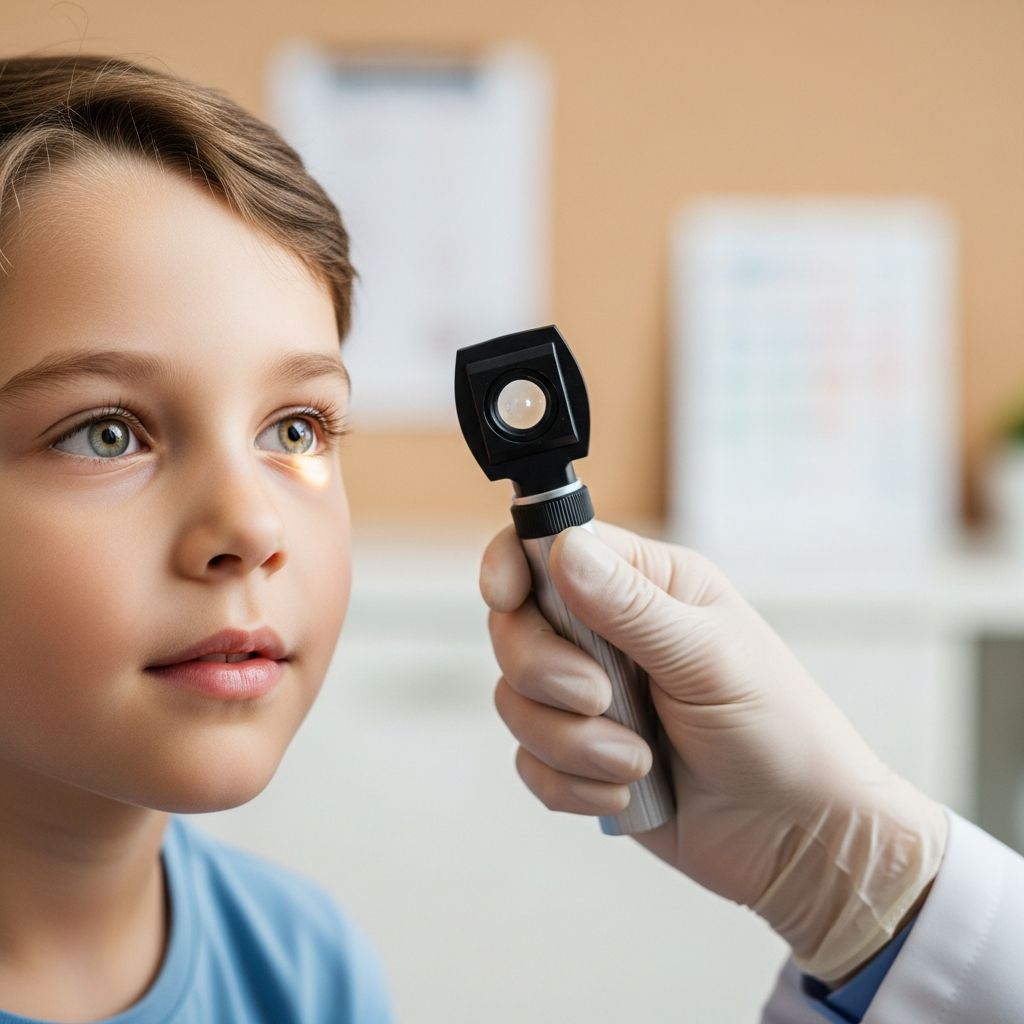
Regular eye screenings for children are essential for identifying vision problems early, preventing long-term damage, and supporting overall development. These checks go beyond basic sight tests to evaluate eye health comprehensively, ensuring kids can learn, play, and grow without visual barriers.
The Critical Role of Early Vision Checks in Child Development
From birth, a child’s visual system is rapidly maturing, with the brain’s vision center not fully developing until around age seven. During this period, undetected issues can hinder learning, coordination, and social skills. Vision screenings detect conditions like refractive errors—such as nearsightedness, farsightedness, and astigmatism—or amblyopia, commonly known as lazy eye, which affects depth perception and focus.
Without intervention, these problems can lead to permanent vision loss or developmental delays. For instance, amblyopia risk is highest in early childhood, where treatment success drops significantly after age seven if untreated. Screenings allow for timely referrals to eye care professionals, enabling treatments like glasses, patching, or vision therapy.
Moreover, good vision underpins 80-90% of classroom learning activities, from reading blackboards to using digital devices. Children with uncorrected vision issues often struggle academically, mistaking visual deficits for behavioral or learning disabilities.
Understanding Vision Screenings vs. Comprehensive Eye Exams
Vision screenings are quick, non-invasive tests typically done by pediatricians or school nurses to flag potential issues. They measure visual acuity—how clearly a child sees—and may include basic checks for alignment or color vision. If discrepancies appear, a full eye exam by an optometrist or ophthalmologist follows.
Comprehensive exams delve deeper, assessing eye health, tracking ability, depth perception, and visual processing skills vital for sports and reading. These exams can reveal subtle changes year-over-year, catching progressive conditions early.
| Aspect | Vision Screening | Comprehensive Eye Exam |
|---|---|---|
| Purpose | Quick risk detection | Diagnosis and treatment planning |
| Who Performs | Pediatrician, school staff | Eye doctor (optometrist/ophthalmologist) |
| Tests Included | Acuity chart, basic alignment | Refraction, dilation, visual skills |
| Frequency | Annual or as recommended | Every 1-2 years or as needed |
Recommended Screening Schedule by Age
Health experts outline clear timelines for vision checks to align with developmental milestones. Starting early maximizes outcomes.
- Newborns and Infants: Check at birth for high-risk issues like retinopathy of prematurity. Ophthalmologists can perform dilated exams if family history suggests risks.
- Ages 6-12 Months: Pediatrician screens for eye alignment and response to light.
- Ages 3-5 Years (Preschool): Annual screening before school entry to catch amblyopia risks.
- School-Age (6+ Years): Yearly screenings at well-child visits and school. Comprehensive exams every 1-2 years.
- Teens: Continue annual checks, especially with increased screen time or sports involvement.
Adjust based on risk factors like prematurity, family history of eye disease, or developmental delays.
Related Stories



Common Vision Problems Detected in Children
Pediatric screenings target prevalent issues that children may not report due to lack of awareness.
- Refractive Errors: Nearsightedness (difficulty seeing far), farsightedness (near blur), astigmatism (distorted vision). Correctable with glasses.
- Amblyopia (Lazy Eye): One eye weaker, brain ignores it. Treatable with patching or therapy if caught early.
- Strabismus: Misaligned eyes, risking depth perception loss.
- Color Blindness: Often genetic, impacts learning colors and maps.
These affect up to 1 in 20 preschoolers and 1 in 4 schoolchildren, underscoring screening necessity.
Signs Your Child May Need Immediate Screening
Watch for behavioral and physical cues indicating vision trouble. Early parental observation can prompt action.
- Squinting or tilting head to see better.
- Frequent eye rubbing, headaches, or light sensitivity.
- Losing place while reading or poor reading posture.
- Clumsiness, poor hand-eye coordination in sports.
- Avoiding homework, frustration with schoolwork, or short attention span.
- Over-reliance on one eye or closing one during tasks.
Academic red flags include inconsistent performance in reading/math, despite intelligence. These mimic ADHD but often stem from visual processing deficits.
How Vision Issues Impact School and Sports Performance
Poor vision sabotages success in key areas. In classrooms, tracking words or copying notes becomes exhausting, leading to fatigue and low grades. Sports demand precise tracking, depth judgment, and peripheral vision—deficits cause mishaps and reduced confidence.
Studies show vision-corrected children improve reading fluency, comprehension, and athletic coordination. Vision therapy enhances eye teaming and focus, mimicking neuroplasticity benefits.
Benefits of Proactive Eye Care for Lifelong Health
Regular screenings prevent complications, catching diseases like glaucoma precursors early. They foster healthy habits, reducing future risks from screen overuse.
- Boosted academic achievement and confidence.
- Better social integration and athletic prowess.
- Early intervention averts irreversible damage.
- Holistic development through clear vision pathways.
Preparing Your Child for a Screening or Exam
Make visits stress-free: Explain positively, bring favorite toys, avoid forcing answers. For dilated exams, plan naps due to light sensitivity.
FAQs on Children’s Eye Screenings
What if my child fails a school screening?
Follow up with an eye doctor promptly—it’s a referral, not a diagnosis.
Are home vision tests reliable?
No; professional tools are needed for accuracy.
How does screen time affect young eyes?
Increases myopia risk; balance with outdoor time and 20-20-20 rule.
Can vision therapy fix lazy eye?
Yes, especially before age 7, via exercises strengthening eye-brain links.
Who covers eye exam costs?
Many insurances, school programs, or free clinics via public health initiatives.
References
- 7 Reasons Why Pediatric Vision Exams Are So Important — ABC Kids Eyes. 2023. https://www.abckidseyes.com/blog/7-reasons-why-pediatric-vision-exams-are-so-important
- Importance of Vision Screening for Kids — Advanced Pediatrics NYC. 2023. https://www.advancedpediatricsnyc.com/blog/vision-screening-for-children-why-its-important.html
- The Importance of a Pediatric Eye Exam or Developmental Eye Exam — Insight Vision OC. 2023. https://www.insightvisionoc.com/vision-therapy/the-importance-of-a-pediatric-eye-exam-or-developmental-eye-exam/
- The Importance of Hearing and Vision Screenings for Children — Dr. LZavala. 2023. https://www.drlzavala.com/blog/1242722-the-importance-of-hearing-and-vision-screenings-for-children/
- Pediatric and School-Age Vision Screening in the United States — PMC (NCBI). 2023-03-21. https://pmc.ncbi.nlm.nih.gov/articles/PMC10047420/
- Why Eye Exams Are Important — CDC. 2024. https://www.cdc.gov/vision-health/about-eye-disorders/why-eye-exams-are-important.html
- Championing children’s eye care — AOA. 2023. https://www.aoa.org/news/inside-optometry/aoa-news/championing-childrens-eye-care
Similar Articles








Read full bio of Sneha Tete