Rotavirus: Essential Guide To Symptoms, Treatment, Prevention
Understand rotavirus: symptoms, prevention via vaccination, treatment, and when to seek medical help for children with acute diarrhoea.
Rotavirus is a highly contagious virus that primarily affects infants and young children, causing acute gastroenteritis characterised by severe watery diarrhoea, vomiting, fever, and a high risk of dehydration. It was once the most common cause of diarrhoea in children in the UK, but cases have dropped significantly since the rotavirus vaccine was introduced into the routine immunisation schedule in 2013. Globally, rotavirus remains a major cause of childhood morbidity and mortality, responsible for substantial hospitalisations and deaths in children under 5 years.
What is rotavirus?
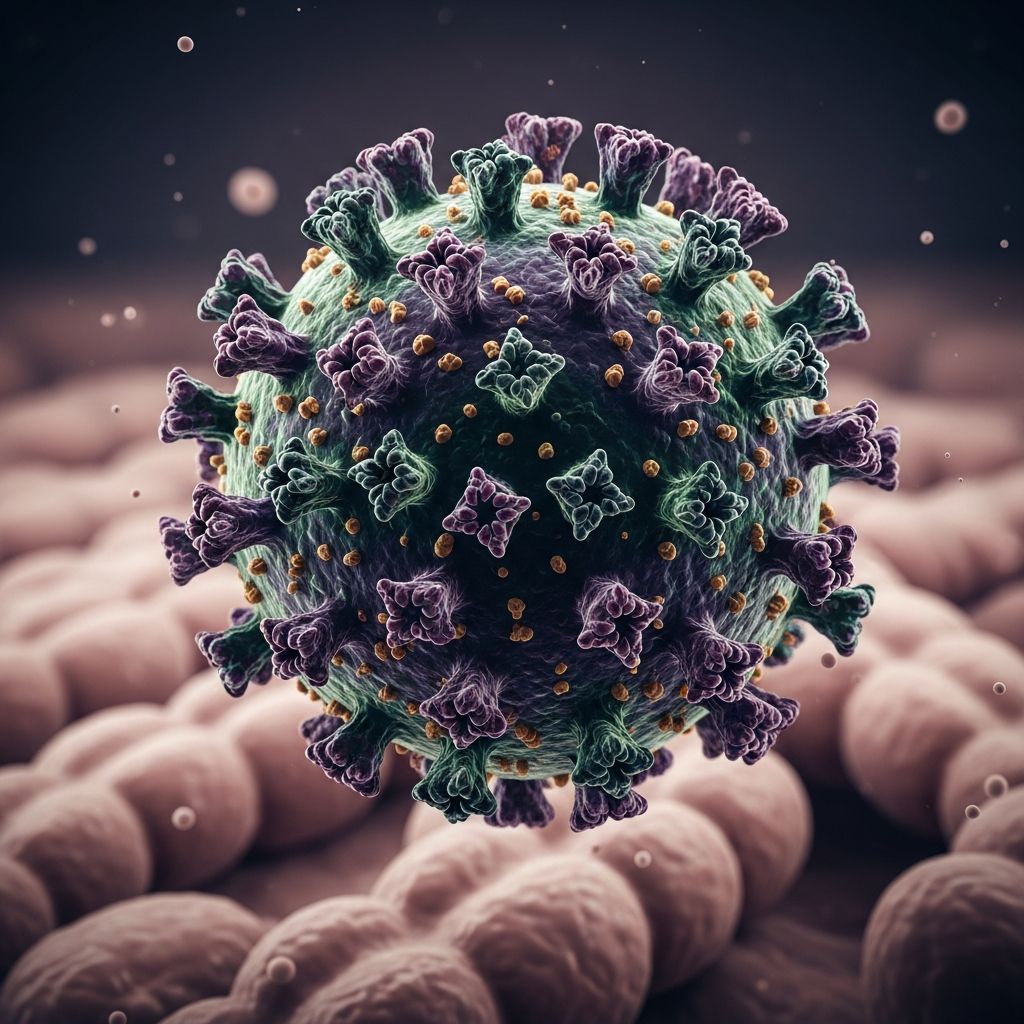
Rotavirus belongs to the Reoviridae family and is a double-stranded RNA virus with a wheel-like appearance under electron microscopy, from which it derives its name (‘rota’ meaning wheel in Latin). Group A rotaviruses are the most common serotype causing diarrhoea in humans, particularly in children under 5 years of age. The virus infects the small intestine, leading to inflammation and malabsorption, resulting in the passage of watery stools. Children are most susceptible between 3 months and 35 months of age, with peak incidence in the second year of life. Infection confers partial immunity, so subsequent episodes are usually milder.
In the UK, rotavirus was responsible for the majority of viral gastroenteritis cases before vaccination, but other viruses like adenovirus and norovirus also contribute. Worldwide studies, such as one in Vietnam, found rotavirus in 46.7% of children under 5 with diarrhoea compared to just 3.6% in controls, highlighting its aetiological dominance.
Symptoms of rotavirus
Symptoms typically begin suddenly 1-3 days after infection and last 3-8 days. The hallmark is profuse watery diarrhoea, often occurring multiple times a day, accompanied by vomiting, fever, and abdominal pain. Dehydration develops rapidly due to fluid loss, especially in infants.
- Watery diarrhoea: Frequent, pale, foul-smelling stools without blood or mucus, lasting 3-8 days.
- Vomiting: Common in 66% of cases, often preceding diarrhoea and lasting 1-2 days.
- Fever: Moderate to high (up to 102°F/39°C), seen in about 59%.
- Abdominal pain: Cramping or discomfort.
- Dehydration signs: Dry mouth, reduced urine output, sunken eyes/fontanelle, lethargy, rapid heartbeat.
In a study of 587 Vietnamese children with diarrhoea, rotavirus-positive cases had significantly higher rates of watery stools (81%), vomiting (66%), fever (59%), and dehydration (89%) compared to non-rotavirus cases. Co-infections with bacteria like diarrhoeagenic E. coli or Shigella occurred in 21% and were associated with more severe symptoms.
How does rotavirus spread?
Rotavirus spreads via the faecal-oral route, making it extremely contagious. Infected individuals shed high amounts of virus in stool, starting before symptoms and peaking during the first 3 days of illness. Transmission occurs through:
- Contact with contaminated hands, nappies, or surfaces.
- Ingesting contaminated food or water.
- Close contact in households, daycares, or hospitals.
- Possibly respiratory droplets, though faecal-oral is primary.
Children can spread it asymptomatically or for weeks post-recovery. Peak season in temperate climates like the UK is winter (September-December). Good hygiene, especially handwashing with soap, is crucial for prevention.
When to get medical help
Most cases are mild and managed at home, but seek urgent care if dehydration signs appear, as it can be life-threatening. Contact a doctor if:
- Diarrhoea lasts >24 hours or is bloody.
- Fever ≥102°F (38.9°C) or ≥100.4°F (38°C) in infants <3 months.
- Frequent vomiting preventing fluid intake.
- Signs of dehydration: no tears, dry nappies >8 hours, sunken eyes, extreme tiredness.
- Abdominal pain, bloody stools, or child <6 months.
Related Stories



Hospitalisation may be needed for IV fluids in severe cases.
Treatment of rotavirus
There is no specific antiviral; treatment is supportive, focusing on preventing/treating dehydration and nutrition.
- Rehydration: Oral rehydration solution (ORS) is first-line. Give small frequent sips (e.g., 50-100ml/kg over 4 hours for mild dehydration). Continue breastfeeding/formula. Avoid undiluted juice/soda.
- Nutrition: Continue normal diet; early feeding shortens diarrhoea.
- Medications: No routine anti-diarrhoeals/antibiotics. Paracetamol for fever/pain. Antiemetics only if prescribed.
In hospital, IV fluids for severe dehydration. Lactose-free formula temporarily if intolerance develops.
Rotavirus vaccine
Two oral vaccines, Rotarix (2 doses) and RotaTeq (3 doses), are given at 2, 3 (and 4 months for RotaTeq) alongside other immunisations. Efficacy is 85-98% against severe disease. UK introduction in 2013 reduced cases by >90% and hospitalisations. Safe, with rare intussusception risk (1-6/100,000). All infants should receive it before 6 months if possible.
Prevention of rotavirus
Vaccination is key, alongside hygiene:
- Frequent handwashing with soap, especially after nappy changes/toileting.
- Disinfect surfaces/toys with bleach solution.
- Exclude ill children from daycare until 48 hours symptom-free.
- Safe water/food preparation.
Breastfeeding may offer some protection.
Other FAQs
Can adults get rotavirus?
Yes, but milder due to prior exposure. Adults can spread to children.
How long is rotavirus contagious?
Most contagious during symptoms, up to 3 weeks in stool.
Does rotavirus cause long-term issues?
Rarely; temporary lactose intolerance possible. Severe dehydration can lead to complications.
Is rotavirus seasonal?
Yes, peaks winter in cooler climates.
| Symptom | Rotavirus+ (%) | Non-Rotavirus (%) |
|---|---|---|
| Watery Diarrhoea | 81 | Lower |
| Vomiting | 66 | Lower |
| Fever | 59 | Lower |
| Dehydration | 89 | Lower |
References
- Diarrhea Caused by Rotavirus in Children Less than 5 Years of Age … — PMC/NCBI. 2004-03-15. https://pmc.ncbi.nlm.nih.gov/articles/PMC535229/
- Rotavirus Infection in Children — Nationwide Children’s Hospital. 2023-01-01. https://www.nationwidechildrens.org/conditions/health-library/rotavirus-infection-in-children
- About Rotavirus — CDC. 2024-06-12. https://www.cdc.gov/rotavirus/about/index.html
- Rotavirus – Symptoms & causes — Mayo Clinic. 2024-05-10. https://www.mayoclinic.org/diseases-conditions/rotavirus/symptoms-causes/syc-20351300
- Acute Diarrhoea in Children — Patient.info. 2023-11-20. https://patient.info/childrens-health/acute-diarrhoea-in-children
Similar Articles








Read full bio of Sneha Tete