Polio Immunization: 4-Dose UK Schedule For Parents
Essential guide to polio vaccination for children: schedule, safety, side effects, and why it's crucial for lifelong protection against paralysis.
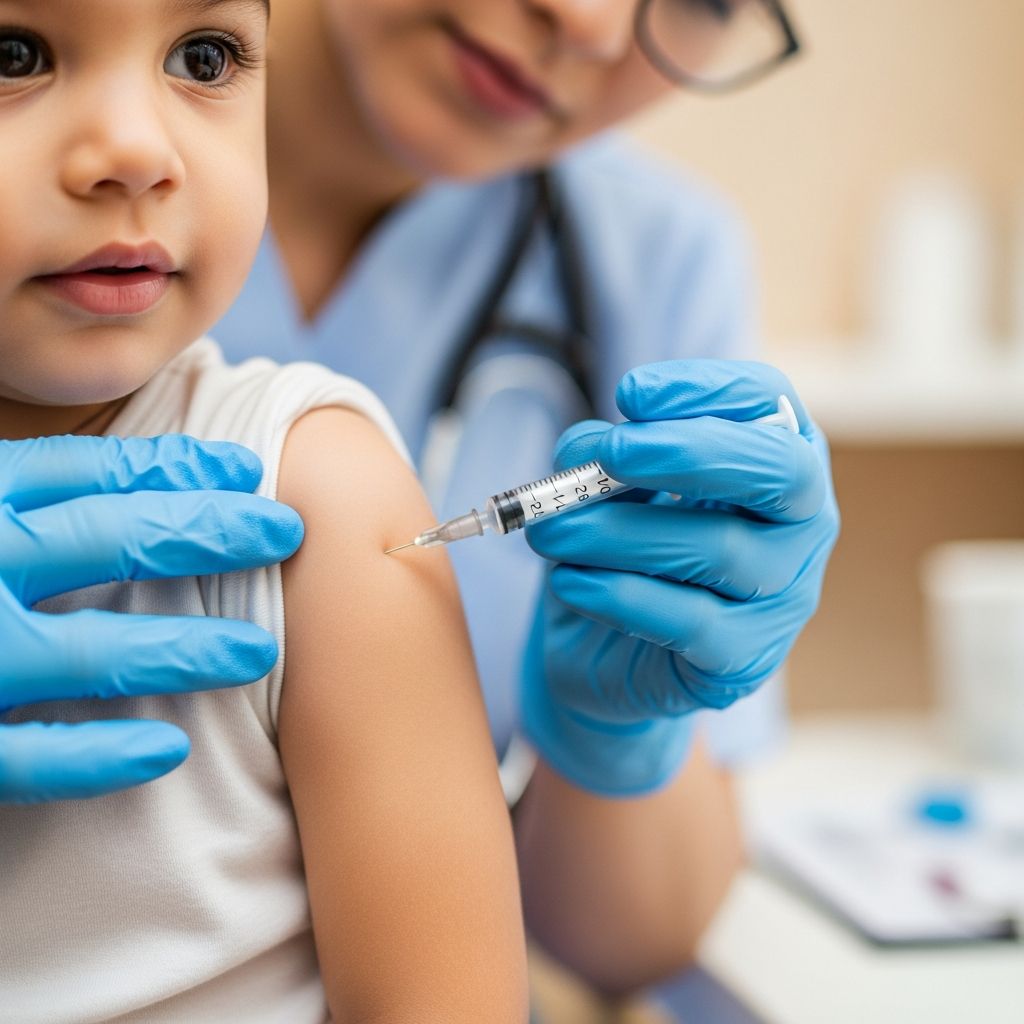
Polio, or poliomyelitis, is a highly infectious viral disease that can cause paralysis and even death in a small percentage of cases. Thanks to widespread vaccination, polio has been eradicated in most countries, including the UK, but remains a risk in some parts of the world. The polio vaccine is highly effective and safe, forming a key part of routine childhood immunisations to prevent this serious illness.
What Is Polio?
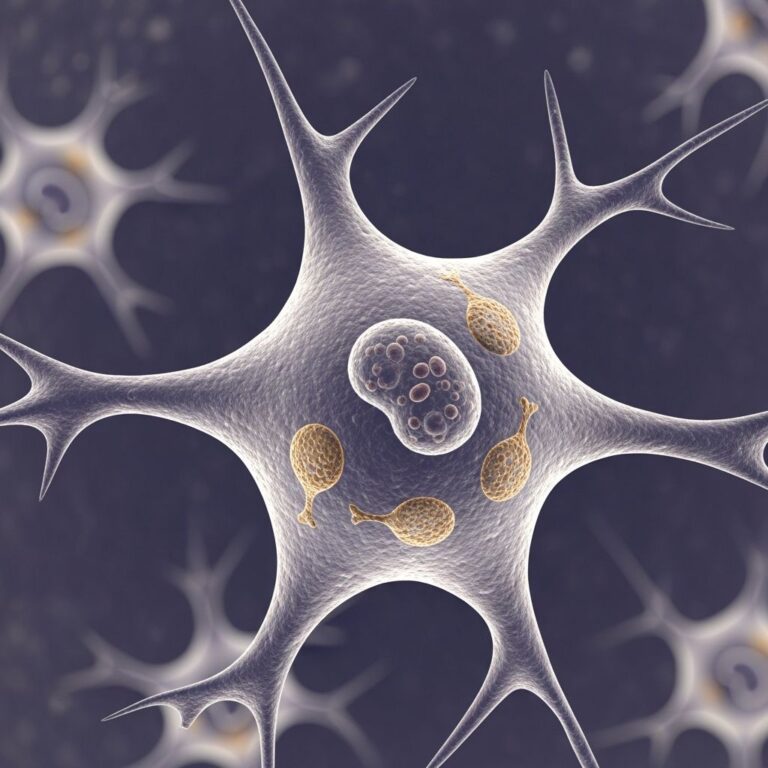
Polio is caused by the poliovirus, which spreads primarily through contaminated water or food and can also transmit via respiratory droplets from an infected person. Most infections (about 72%) are asymptomatic, but around 24% cause flu-like symptoms such as fever, sore throat, and headache. In 1-5% of cases, the virus attacks the nervous system, leading to meningitis, and in 0.1-2% of infections, it results in permanent paralysis, typically of the legs. Rarely, it affects breathing muscles, which can be fatal. There is no cure for polio, making prevention through vaccination critical.
Historically, polio epidemics paralysed thousands of children annually until vaccines were introduced in the 1950s and 1960s. Global efforts have reduced cases by over 99%, but wild poliovirus persists in Afghanistan and Pakistan, and vaccine-derived strains occasionally emerge in under-vaccinated areas.
The Polio Vaccine
The UK uses the inactivated polio vaccine (IPV), also known as IPV, which contains killed poliovirus strains and cannot cause disease. It is given as an injection, often combined with vaccines for diphtheria, tetanus, pertussis, hepatitis B, and Haemophilus influenzae type b (6-in-1 vaccine) or tetanus, diphtheria, and pertussis (Td/IPV booster). IPV provides excellent protection: two doses offer at least 90% efficacy, and three doses achieve 99% or more against paralysis-causing disease.
Unlike the oral polio vaccine (OPV) used in some countries, which contains live weakened virus and carries a rare risk of vaccine-derived poliovirus, IPV has been the only polio vaccine in the US and UK since 2000, eliminating that risk.
Why Is the Polio Vaccine Given?
Vaccination is essential because polio has no specific treatment, and paralysis can be lifelong or lead to death in 2-10% of paralysed cases due to respiratory failure. Even ‘recovered’ individuals may develop post-polio syndrome decades later, with new weakness or pain. IPV not only protects the individual but contributes to herd immunity, safeguarding vulnerable groups like infants too young for vaccination or those with contraindications.
With polio not endemic in the UK, vaccination prevents importation from high-risk areas. Travellers, especially to Pakistan, Afghanistan, or Nigeria, must be up-to-date to avoid outbreaks.
The UK Polio Immunisation Schedule
The UK routine schedule recommends four doses of polio-containing vaccine for children:
- 8 weeks: First dose in 6-in-1 vaccine (DTaP/IPV/Hib/HepB).
- 12 weeks: Second dose in 6-in-1 vaccine.
- 16 weeks: Third dose in 6-in-1 vaccine.
- 3 years 4 months: Booster in 4-in-1 preschool booster (DTaP/IPV).
- 14 years: Teenage booster in Td/IPV (3-in-1).
A simplified 3-dose schedule (doses at least 4 weeks apart, third 6-12 months later) applies for catch-up or adults at risk. Infants under 6 weeks should not receive IPV due to maternal antibodies interfering with response; they start at 8 weeks.
Related Stories



| Age | Vaccine | Dose |
|---|---|---|
| 8 weeks | 6-in-1 (DTaP/IPV/Hib/HepB) | 1st |
| 12 weeks | 6-in-1 | 2nd |
| 16 weeks | 6-in-1 | 3rd |
| 3 years 4 months | 4-in-1 (DTaP/IPV) | Booster |
| 13-14 years | Td/IPV (3-in-1) | Teen booster |
Who Needs the Polio Vaccine?
- All infants and children as part of routine UK schedule.
- Catch-up: Unvaccinated or incomplete series children/adolescents follow age-appropriate catch-up.
- Adults at risk: Laboratory workers handling poliovirus, healthcare staff in high-risk settings, travellers to endemic areas (full 3-dose series if unvaccinated).
- Pregnant women/travellers: Ensure up-to-date; IPV safe in pregnancy if risk justifies.
Most UK adults born after 1960s are immune from childhood vaccination.
Side-Effects of the Polio Vaccine
IPV is safe, with most side effects mild and resolving quickly:
- Common (1 in 10): Redness, pain, or swelling at injection site.
- Uncommon (1 in 100): Fever, irritability.
- Rare (1 in 1,000): High fever.
- Very rare: Allergic reactions (e.g., anaphylaxis, 1 in 1 million). Seek immediate medical help for hives, swelling, breathing difficulty.
No link to serious conditions like autism or neurological disorders. Paracetamol can manage fever/pain; report persistent symptoms to GP.
What If My Child Misses a Dose?
Give the next dose as soon as possible; there is no ‘catch-up’ penalty, and starting late still protects. Delays are common, but completing the series is key. Consult GP or clinic for personalised catch-up schedule.
What If My Child Has a Bad Reaction?
Mild reactions are normal. For severe allergy (rapid swelling, breathing issues), call 999. Report via Yellow Card scheme. Future doses may use alternatives if IPV allergy confirmed (rare).
Where Can My Child Get the Vaccine?
Free on NHS at GP surgeries, clinics, or health visitor sessions. No private cost needed. Check NHS website or call GP for appointments.
Frequently Asked Questions (FAQs)
Q: Can the polio vaccine cause polio?
A: No, UK IPV is inactivated and cannot cause polio. OPV in other countries has rare risk, but not used here.
Q: Is polio vaccine safe for babies?
A: Yes, from 8 weeks; millions safely vaccinated annually.
Q: Do adults need boosters?
A: Routine no, but yes for travel/work risks.
Q: What if travelling to polio areas?
A: Ensure full series; extra dose may be advised 4+ weeks pre-travel.
Q: Can it be given with other vaccines?
A: Yes, routinely combined for convenience.
References
- Polio Vaccination — Centers for Disease Control and Prevention (CDC). 2024-05-01. https://www.cdc.gov/polio/vaccines/index.html
- Polio Vaccines (IPV, OPV) for Kids — Nemours KidsHealth. 2024-02-15. https://kidshealth.org/en/parents/polio-vaccine.html
- Poliovirus vaccine, inactivated (injection route) — Mayo Clinic. 2024-08-20. https://www.mayoclinic.org/drugs-supplements/poliovirus-vaccine-inactivated-injection-route/description/drg-20069860
- Polio — Mount Sinai Health System. 2023-11-10. https://www.mountsinai.org/care/infectious-diseases/services/polio
- Polio — Texas Children’s Hospital. 2024-01-05. https://www.texaschildrens.org/vaccine-education-resource-center/vaccines-for-your-family/polio
- Polio Vaccine VIS — Centers for Disease Control and Prevention (CDC). 2024-06-12. https://www.cdc.gov/vaccines/hcp/current-vis/polio.html
Similar Articles








Read full bio of Sneha Tete