Chills: Causes, Symptoms, and Treatment Guide
Understand what causes chills, from infections to environmental factors, and when to seek medical care.
Understanding Chills: What They Are and Why They Happen
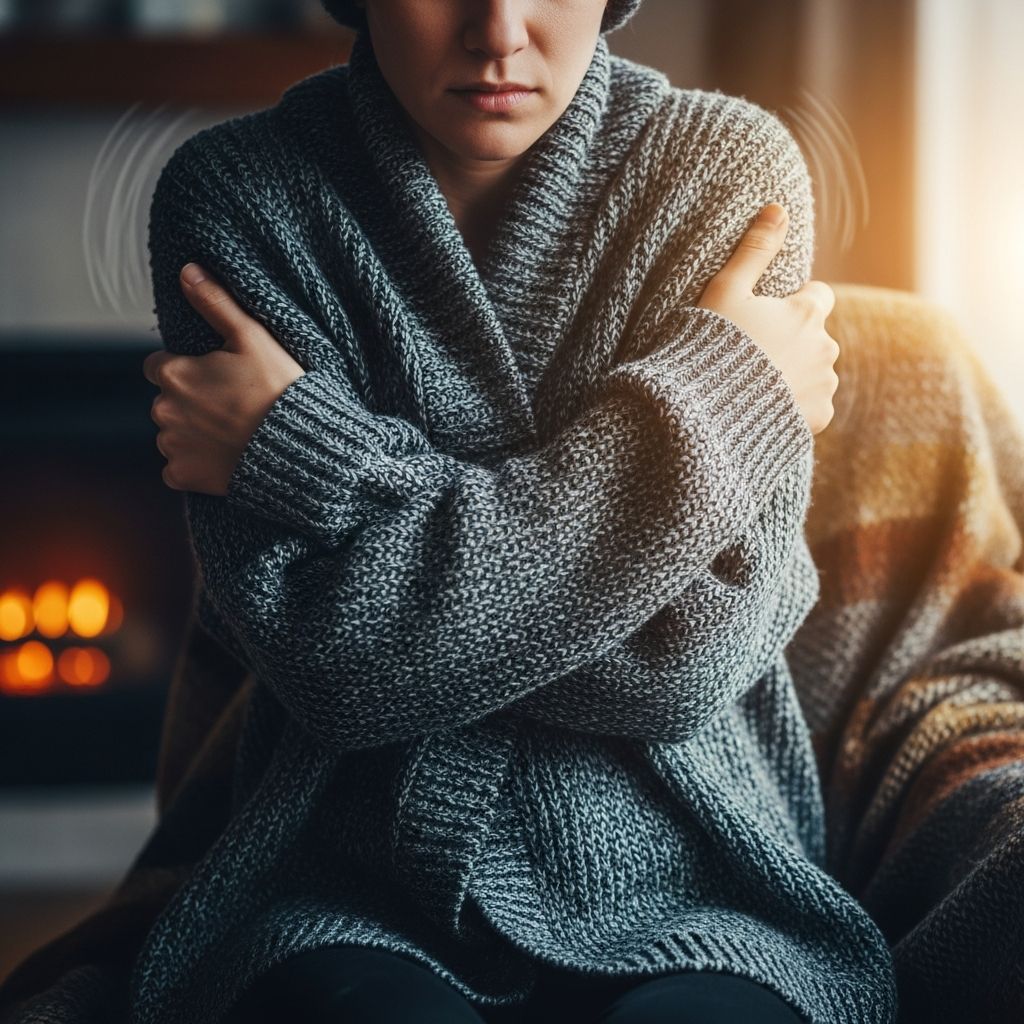
Chills are the sensation of feeling cold or shivery, often accompanied by involuntary shivering and goosebumps. They represent your body’s natural response to raise its internal temperature when it senses a drop in core body warmth. Chills are caused by rapid muscle contractions and relaxation, which generate heat as a protective mechanism. While many people associate chills with fever, they can occur independently due to various physical, psychological, or environmental factors.
Understanding the underlying cause of chills is essential for proper treatment and management. Chills themselves are not a disease but rather a symptom indicating that something else is happening within your body. By learning about the different causes and their associated symptoms, you can better determine when home care is appropriate and when professional medical attention is necessary.
The Relationship Between Fever and Chills
Chills frequently accompany fever, though the two are separate phenomena. When you develop a fever, your body’s thermostat, located in the hypothalamus of your brain, resets itself to a higher-than-normal temperature. As your body works to reach this elevated set point, you experience chills and shivering as a way to generate additional heat.
During infection, your immune system releases pyrogens—fever-inducing substances that trigger your brain to raise body temperature. This fever is actually a beneficial response, helping your body fight off invading pathogens more effectively. The chills you experience are your body’s mechanism for creating the necessary heat to reach the newly set temperature goal. It’s important to recognize that chills often precede the onset of fever, especially when an infection is developing.
Common Causes of Chills
Chills can result from numerous conditions and circumstances. Here are the primary causes you should be aware of:
Infections (Viral and Bacterial)
Infections are among the most common reasons for experiencing chills. Viral illnesses like the flu, common cold, and COVID-19 frequently cause chills, often accompanied by fever, cough, fatigue, and body aches. Bacterial infections such as strep throat also trigger chills as your immune system mounts a defense against the invading pathogens.
When infection is the cause, chills typically occur alongside other symptoms:
- Body aches and muscle pain
- Headaches
- Runny or stuffy nose
- Sore throat
- Cough
- Fever
The presence of these accompanying symptoms helps identify infection as the underlying cause of your chills.
COVID-19
The COVID-19 pandemic highlighted this virus as a significant cause of chills and body aches. Many individuals infected with SARS-CoV-2 report experiencing chills as one of their initial symptoms, often alongside fever, cough, and pronounced fatigue. If you suspect COVID-19 exposure or have been in contact with someone who is positive, chills combined with other respiratory symptoms warrant testing and medical evaluation.
Low Blood Sugar (Hypoglycemia)
Hypoglycemia, or low blood sugar, can cause chills without fever. This condition is particularly important for individuals with diabetes to monitor. Chills from low blood sugar may occur without other typical infection symptoms, making it crucial to check blood glucose levels if you have diabetes and experience unexplained chills.
Related Stories



Exposure to Cold Environments
Perhaps the most straightforward cause of chills is exposure to cold temperatures. You may experience chills in outdoor cold weather, in bodies of water, or even indoors if air conditioning is set too cold or heating is insufficient. Additionally, wearing damp or wet clothing can trigger chills as your body loses heat rapidly.
Extreme Physical Activity
Intense physical exertion, such as marathon running or extreme sports, can cause changes in core body temperature, resulting in chills. This response can occur regardless of weather conditions but is more likely in very cold or very hot environments, where heat exhaustion, dehydration, or hypothermia may develop.
Hypothyroidism (Underactive Thyroid)
An underactive thyroid that doesn’t produce sufficient hormones to regulate metabolic rate can cause increased sensitivity to cold and resulting chills. Hypothyroidism is a treatable condition diagnosed through blood tests and typically requires daily medication. Other symptoms accompanying hypothyroidism-related chills include:
- Puffiness in the face
- Unexplained weight gain
- Dry skin, nails, and hair
- Muscle weakness, pain, or stiffness
- Depression or sadness
- Memory problems
- Constipation
Certain Medications
Some medications can cause chills as a side effect. Chemotherapy drugs and certain antibiotics may produce body aches and chills without accompanying fever. If you recently started a new medication and experience chills, discussing this side effect with your healthcare provider is important, as they may adjust your medication or dosage.
Autoimmune Disorders
Conditions like lupus and rheumatoid arthritis cause systemic inflammation that can result in chills and body aches. Autoimmune conditions may cause fever or chills depending on disease severity and whether an active flare-up is occurring. These conditions require ongoing medical management to control inflammation and symptoms.
Dehydration and Electrolyte Imbalance
Insufficient fluid intake or an imbalance of electrolytes can cause muscle aches and chills. This situation may arise from prolonged illness or excessive physical activity and typically occurs without fever. Proper hydration and electrolyte replacement are key to managing this cause of chills.
Malnutrition
Malnutrition occurs when your body lacks necessary nutrients, resulting from poor food access, conditions affecting nutrient absorption like celiac disease, or eating disorders. Without proper nutritional balance, your body cannot function optimally, potentially causing increased cold sensitivity and chills.
Emotional Responses
Chills can occur in response to intense emotional experiences, whether negative emotions like fear or anxiety, or positive experiences such as listening to inspiring music. This phenomenon, sometimes called “frisson” or “aesthetic chills,” represents your body’s physical response to emotional stimuli.
Menopause
During the transition to menopause, individuals often experience hot flashes, but this transitional period can also cause feelings of cold and chills.
Chills With and Without Fever: Understanding the Difference
While chills frequently accompany fever, you can experience chills without any change in body temperature. Understanding whether your chills occur with or without fever helps identify the underlying cause:
Chills With Fever
When chills occur alongside fever, infection is typically the culprit. The combination suggests your immune system is actively fighting an invader. These cases usually warrant medical evaluation, particularly if the fever exceeds 102°F (38.8°C) or if you experience severe symptoms.
Chills Without Fever
Chills without fever suggest causes other than acute infection, such as:
- Cold exposure
- Low blood sugar
- Stress or anxiety
- Hypothyroidism or other metabolic conditions
- Medication side effects
- Dehydration
- Intense physical activity
When to Seek Medical Attention
While many cases of chills resolve with home care, certain situations warrant professional medical evaluation. You should contact a healthcare provider if you experience:
- Fever above 102°F (38.8°C)
- Any fever in a child under 12 weeks old
- Chills accompanied by confusion or difficulty concentrating
- Seizures
- Lethargy or difficulty staying awake
- Chills persisting for more than a few days without improvement
- Severe body aches or headache
- Difficulty breathing
- Chest pain
Home Care and Treatment Options
Fever with chills is the body’s natural response to various conditions and is generally a sign your body is fighting infection. If fever is mild (102°F or less) with no concerning side effects, home care is typically sufficient.
Effective home management strategies include:
- Hydration: Drink plenty of fluids including water, herbal tea, warm broth, and electrolyte solutions
- Rest: Get adequate sleep to support your immune system
- Warm clothing and blankets: Layer clothing to help your body maintain its target temperature
- Comfortable environment: Keep your room at a moderate temperature
- Nutritious foods: Consume foods that support immune function when able
- Over-the-counter medications: Consider acetaminophen or ibuprofen to reduce fever and discomfort if appropriate for your situation
Treatment depends on the underlying cause. For infection-related chills, antiviral or antibiotic medications may be necessary. For low blood sugar, dietary adjustments or insulin management helps. For hypothyroidism, thyroid hormone replacement therapy is required.
Identifying the Root Cause
Identifying the root cause of chills is crucial for effective treatment. Consider the context of your symptoms:
- Are chills accompanied by fever?
- Do you have other infection symptoms like cough or sore throat?
- Have you recently been exposed to cold or extreme conditions?
- Did you start a new medication recently?
- Are you experiencing symptoms of hypothyroidism?
- Have you been eating and hydrating adequately?
- Are you experiencing unusual stress or emotional reactions?
By answering these questions, you can narrow down potential causes and determine whether home care or professional medical evaluation is appropriate.
Frequently Asked Questions About Chills
Q: What is the difference between chills and fever?
A: Chills are the sensation of feeling cold with involuntary shivering, while fever is an elevated body temperature. Chills are often a symptom that accompanies fever as your body works to reach a higher temperature set point, but they can occur without fever.
Q: Can you have chills without fever?
A: Yes, chills can occur without fever due to causes such as exposure to cold environments, low blood sugar, stress, hypothyroidism, medication side effects, or dehydration.
Q: Why does your body get chills when fighting an infection?
A: When fighting an infection, your immune system releases pyrogens that cause your brain to raise your body’s temperature set point. Chills occur as your body shivers to generate heat and reach this new, higher target temperature.
Q: When should I see a doctor for chills?
A: You should see a doctor if you have a fever above 102°F, chills in a child under 12 weeks old, severe symptoms like difficulty breathing or chest pain, or chills that persist for more than a few days without improvement.
Q: How can I treat chills at home?
A: Home treatment includes staying hydrated, getting adequate rest, wearing warm clothing, maintaining a comfortable room temperature, eating nutritious foods, and using over-the-counter medications like acetaminophen if appropriate.
Q: Are chills a sign of a serious condition?
A: Chills can range from minor to serious depending on the underlying cause. While many causes are benign and self-limiting, chills accompanied by certain symptoms warrant medical evaluation.
References
- Body Aches and Chills: What could be causing them? — Solv Health. Accessed January 2026. https://www.solvhealth.com/health/body-aches-and-chills-what-could-be-causing-them
- Why Do You Get Chills When You Have a Fever? — Mucinex USA. Accessed January 2026. https://www.mucinex.com/childrens-cold-and-flu/why-do-you-get-chills-when-you-have-a-fever
- Chills without Fever: 7 Causes, Treatment, Home Remedies, and More — Healthline (Medically reviewed by Megan Soliman, MD). Updated January 24, 2024. https://www.healthline.com/health/chills-without-fever
- Chills: Causes, home remedies, treatment, and more — Medical News Today. Accessed January 2026. https://www.medicalnewstoday.com/articles/chills
- Chills: MedlinePlus Medical Encyclopedia — U.S. National Library of Medicine. Accessed January 2026. https://medlineplus.gov/ency/article/003091.htm
Similar Articles








Read full bio of Sneha Tete