Chinese Medicine: Ancient Healing Practices for Modern Wellness
Explore the principles, practices, and benefits of traditional Chinese medicine in modern healthcare.
Understanding Traditional Chinese Medicine
Traditional Chinese Medicine (TCM) represents one of the world’s oldest and most comprehensive healing systems, offering an integrated approach to health and wellness that has been refined over thousands of years. Unlike Western medicine’s focus on treating specific diseases, TCM operates from a foundational belief that health emerges when the body achieves balance and energy flows freely throughout the system. This ancient practice encompasses multiple therapeutic modalities and philosophical principles that address not just physical ailments but also emotional, mental, and spiritual dimensions of human health.
TCM is deeply rooted in Daoist philosophy and views the human body as a microcosm of the natural world. This perspective shapes every aspect of TCM practice, from diagnosis and treatment selection to lifestyle recommendations and preventive care strategies. The system recognizes that optimal health requires harmony between various internal and external factors, and disease arises when this equilibrium is disrupted.
Core Principles of Traditional Chinese Medicine
Qi: The Life Energy
At the heart of TCM lies the concept of qi (pronounced “chee”), the vital life force that animates the body and maintains all physiological functions. Qi is believed to flow through pathways called meridians, and along these meridians exist specific points where qi collects and can be accessed therapeutically. When qi flows freely and abundantly, the body maintains optimal health. Conversely, when qi becomes blocked, stagnant, or deficient, illness and dysfunction develop. Understanding and restoring proper qi flow forms the foundation of nearly all TCM treatment approaches.
Yin and Yang Balance
TCM employs the classical Daoist concept of yin and yang—complementary opposing forces that exist in dynamic balance. Yin represents qualities such as coolness, rest, darkness, and internal aspects, while yang embodies warmth, activity, light, and external aspects. These forces manifest throughout the body in various forms: cold versus heat, dampness versus dryness, descending versus ascending, at rest versus active, and full versus empty. In perfect health, yin and yang maintain equilibrium in every body system. Disease occurs when this balance tips too far in either direction, requiring therapeutic intervention to restore harmony.
Five Elements Theory
TCM incorporates five elemental phases—wood, metal, water, earth, and fire—each associated with specific organs, emotions, sensory functions, and personality traits. These elements interact in cyclical patterns of generation and control, creating a complex framework for understanding health and disease. Each element governs particular physiological systems and psychological states, allowing practitioners to identify patterns of imbalance and select appropriate treatments targeting the root cause rather than merely alleviating symptoms.
Major TCM Therapeutic Modalities
Acupuncture
Acupuncture stands as one of TCM’s most recognized and researched practices, involving the insertion of fine needles at specific points along meridians to influence qi flow and restore balance. From a modern biological perspective, acupuncture stimulates the body’s natural healing mechanisms through complex neurochemical pathways that influence the immune system, nervous system, and inflammatory responses. The placement of needles at precise acupuncture points triggers the release of endorphins and other neurotransmitters, promoting pain relief and relaxation. Many patients report that acupuncture treatments feel deeply calming, with some even falling asleep during sessions. Rachel Waldman, an acupuncturist at Johns Hopkins Integrative Medicine & Digestive Center, explains that acupuncture can treat a wide range of conditions affecting quality of life, from chronic pain and orthopedic injuries to women’s health issues including menopause, infertility, and menstrual discomfort. Treatment typically involves a series of sessions, with cumulative effects building over time, similar to a course of antibiotics.
Related Stories



Herbal Medicine
Chinese herbal medicine represents another fundamental pillar of TCM, utilizing plant-based remedies formulated according to sophisticated principles developed over centuries. While acupuncture has ancient roots dating back to the Shang Dynasty, herbal medicine evolved somewhat later, receiving its first theoretical foundations in the first or second century CE. However, the deeper principles of Chinese medicine were not fully applied to herbal treatment until the twelfth century. TCM herbal formulas are carefully composed combinations designed to address specific imbalances identified through detailed diagnostic assessment. These remedies work synergistically to restore balance and support the body’s inherent healing capacity.
Dietary Therapy
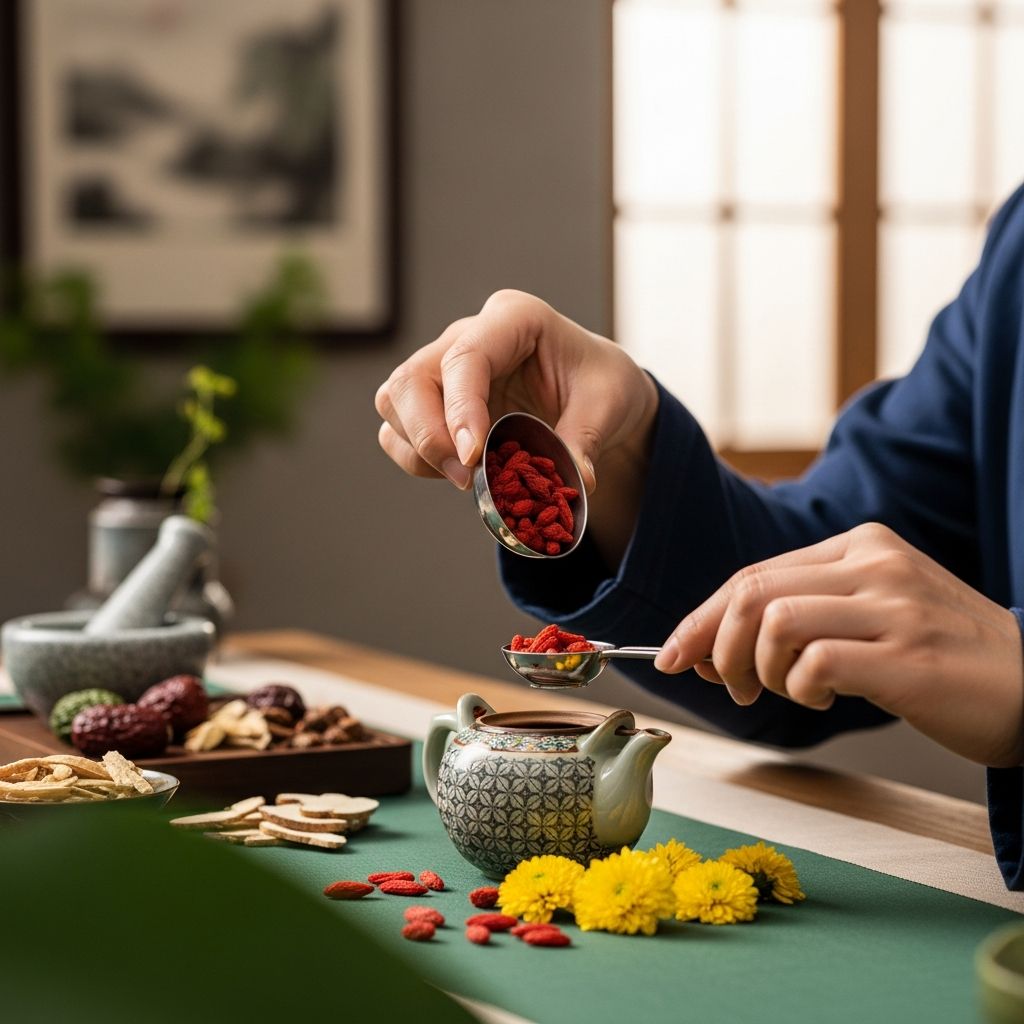
Food serves as medicine in TCM, with dietary interventions forming an integral part of treatment protocols. Different foods possess characteristic thermal properties and affinities for specific organs and meridians. Practitioners guide patients in selecting foods that counterbalance their particular patterns of imbalance, using nutrition as a foundational healing tool that complements other therapies.
Exercise Systems: Tai Chi and Qigong
TCM recognizes that movement and breath work directly influence qi circulation and overall vitality. Tai Chi and qigong represent ancient exercise systems designed to cultivate, circulate, and harmonize qi through coordinated movements and breathing techniques. These practices promote flexibility, strength, balance, and mental clarity while preventing disease and enhancing longevity. They embody TCM principles of moving meditation and represent accessible wellness practices suitable for people of all ages and fitness levels.
Historical Development and Evolution
TCM’s theoretical framework was formally established through foundational texts that shaped its practice for millennia. The *Inner Classic of Medicine* (Nei Jing), first published during the Han Dynasty in 206 BCE, provided the theoretical foundations for acupuncture practice. This seminal text remains influential in TCM education and practice today. Over subsequent centuries, TCM evolved through constant refinement and adaptation, with different regions developing distinct variations and emphases.
In the twentieth century, significant efforts began to subject TCM practices to scientific evaluation. Starting in the 1950s-1970s, China developed comprehensive TCM higher education systems, research institutions, and hospital networks, establishing infrastructure to study TCM through modern scientific methodologies. These initiatives reflected recognition that TCM warranted rigorous investigation alongside its ancient philosophical foundations.
TCM in Contemporary Healthcare
Integration with Western Medicine
Modern healthcare increasingly recognizes TCM’s potential complementary role alongside conventional treatments. In twenty-first century China, various aspects of TCM are routinely used in conjunction with Western medical treatment, creating integrated care models that leverage the strengths of both systems. This integrative approach involves coordinated teams of Western and TCM practitioners who communicate continuously to ensure patients receive comprehensive, well-coordinated care addressing all dimensions of health.
Common Applications
In Western contexts, TCM primarily addresses chronic long-term conditions such as rheumatoid arthritis, menopausal symptoms, chronic pain, and inflammatory bowel disease. TCM also effectively treats certain acute conditions not classified as life-threatening, including menstrual pain, common colds, and stress-related disorders. Beyond treating existing conditions, TCM is widely used for wellness promotion and disease prevention, helping people optimize health before serious illness develops.
Diagnostic Differences from Western Medicine
TCM diagnosis differs fundamentally from Western medical approaches. Rather than identifying standardized disease categories, TCM practitioners assess individual patterns of imbalance involving qi flow, yin-yang equilibrium, elemental harmony, and constitutional factors. Two patients with the same Western medical diagnosis may receive different TCM treatments based on their unique underlying imbalances, reflecting TCM’s personalized approach to healthcare.
Scientific Evidence and Safety Considerations
While TCM possesses a long historical record of use, scientific evidence supporting its theoretical principles remains limited, though some specific treatments have demonstrated efficacy in controlled research studies. Acupuncture generally maintains a good safety profile when performed by qualified practitioners using proper sterile technique. However, concerns exist regarding the safety of certain traditional herbal remedies, particularly regarding potential toxicity, contamination, or adverse interactions with conventional medications. Patients should discuss herbal supplementation with their healthcare providers to ensure safety and appropriateness for their individual circumstances.
Finding Qualified TCM Practitioners
The quality of TCM care depends significantly on practitioner training and expertise. Patients should seek licensed acupuncturists and TCM professionals who have completed comprehensive training programs and maintain appropriate credentials. When consulting with TCM practitioners, discuss your specific health concerns, the severity and duration of your condition, and your overall health status. These factors influence treatment recommendations and help establish realistic expectations regarding the number of treatments needed and timeline for improvement.
Frequently Asked Questions
Q: How does acupuncture work?
A: Acupuncture works through multiple mechanisms. From a traditional perspective, it restores qi flow along meridians by stimulating specific points. From a modern biological perspective, acupuncture activates neurochemical pathways affecting the immune, nervous, and inflammatory systems, promoting the body’s natural healing responses and pain relief through endorphin release.
Q: How many acupuncture treatments are needed?
A: The number of treatments varies depending on the condition’s severity, duration, your overall health status, and treatment response. Treatments typically occur in series with cumulative effects, similar to medication courses. Licensed acupuncturists provide individualized recommendations based on your specific situation.
Q: Is acupuncture safe?
A: Yes, acupuncture generally has a good safety profile when performed by qualified, licensed practitioners using proper sterile technique. Serious adverse effects are rare. However, inform practitioners about any bleeding disorders, anticoagulant medications, or pregnancy.
Q: What conditions can TCM treat?
A: TCM addresses diverse conditions including chronic pain, arthritis, digestive disorders, women’s health issues, stress-related conditions, and acute illnesses. It’s also used preventively to maintain wellness and prevent disease development.
Q: Is Chinese herbal medicine safe?
A: While traditional Chinese herbal medicine has centuries of use, concerns exist regarding potential toxicity, contamination, or drug interactions. Always inform healthcare providers about herbal supplementation and consult qualified TCM practitioners to ensure safety and appropriateness.
Benefits of Integrative Medicine Approach
The team-based integrative medicine model combines TCM modalities with conventional Western treatments to optimize patient outcomes and experience. This approach recognizes that different therapeutic systems offer distinct advantages, and coordinated care leveraging multiple modalities often produces superior results compared to single-system approaches. Integrative practitioners communicate continuously, ensuring all team members understand the comprehensive treatment plan and maintain aligned therapeutic objectives.
Getting Started with TCM
If you’re interested in exploring TCM for wellness promotion or specific health concerns, begin by consulting qualified, licensed practitioners in your area. Many integrative medical centers and hospitals now offer acupuncture and TCM services coordinated with conventional medical care. Discuss your health goals, current conditions, and any medications or supplements you’re taking to ensure TCM practices complement rather than interfere with existing treatments. TCM can serve as a valuable addition to your healthcare toolkit, offering time-tested approaches to promoting balance, preventing disease, and supporting your body’s natural healing capacity.
References
- Traditional Chinese Medicine (TCM) — EBSCO Health. Accessed 2025. https://www.ebsco.com/research-starters/health-and-medicine/traditional-chinese-medicine-tcm
- Acupuncture | Q&A — Johns Hopkins Medicine. 2015-01-12. https://www.youtube.com/watch?v=fb0miieP2Bo
- Traditional Chinese Medicine and Heart Disease: What Does Western Science Say? — Johns Hopkins University. Accessed 2025. https://pure.johnshopkins.edu/en/publications/traditional-chinese-medicine-and-heart-disease-what-does-western-
Similar Articles








Read full bio of medha deb