Chiropractic Care for Pain Relief: Evidence-Based Treatment
Discover how chiropractic care provides effective, non-invasive pain relief backed by scientific research.

Millions of Americans experience chronic pain that significantly impacts their quality of life and daily functioning. While traditional medical approaches often rely on medications and surgical interventions, many patients are seeking alternative treatments that address the root cause of pain without invasive procedures. Chiropractic care has emerged as one of the most popular and researched complementary therapies for pain management. This comprehensive guide explores the scientific evidence supporting chiropractic care, the conditions it treats, and how it can help you achieve long-term pain relief.
Understanding Chiropractic Care and Pain Relief
Chiropractic care is a healthcare discipline focused on diagnosing and treating mechanical disorders of the musculoskeletal system, particularly the spine. The foundation of chiropractic medicine rests on the principle that proper alignment of the body’s structures enables the body to heal itself without surgery or medication. Chiropractors use a variety of manual adjustment techniques, collectively known as spinal manipulation, to restore proper alignment and reduce pain.
The primary tool in a chiropractor’s arsenal is the adjustment—a controlled application of force to joints that have become restricted in their movement. When vertebrae become misaligned, a condition called subluxation, they can interfere with nerve function and cause pain. By realigning these vertebrae, chiropractors aim to restore normal nerve function, reduce inflammation, and alleviate pain. This approach differs from conventional medicine’s typical response to pain, which often involves pain medication rather than addressing underlying structural issues.
The Scientific Evidence for Chiropractic Care
Research on Low Back Pain
Low back pain represents one of the most common reasons people seek healthcare, affecting approximately 80 percent of Americans at some point in their lives. The economic burden is staggering—the World Health Organization estimates that low back pain costs the United States approximately $200 billion annually when accounting for healthcare expenses and lost productivity. A landmark 2018 study published in JAMA Network Open examined 750 military service members suffering from acute low back pain and randomly assigned them to receive either standard medical care or 12 weeks of chiropractic treatment. The results were compelling: those receiving chiropractic care reported significantly lower pain levels, improved function and independence, and notably reduced reliance on opioid medications and other pain prescriptions compared to the control group.
This research is particularly significant given the ongoing opioid crisis in the United States. By providing an effective alternative to pharmaceutical pain management, chiropractic care offers patients a safer pathway to pain relief without the risks of addiction and dependency associated with opioid medications.
Recommendations from Major Medical Organizations
Recognition of chiropractic care’s effectiveness extends beyond individual studies. The American College of Physicians, a prestigious organization representing internal medicine specialists, has updated its guidelines for low back pain management to include spinal manipulation as a first-line treatment option. These guidelines recommend that patients try non-pharmaceutical approaches before resorting to medications, placing chiropractic manipulation alongside massage therapy, acupuncture, and heat therapy as preferred initial treatments for acute low back pain. The guidelines also note that nonsteroidal anti-inflammatory drugs (NSAIDs) and other medications should be considered only when other treatment modalities prove ineffective.
Related Stories



This shift in medical consensus represents a significant validation of chiropractic care within the mainstream healthcare community. When a prestigious medical organization recommends chiropractic treatment as a first-line therapy, it signals that the evidence supporting its effectiveness has become too substantial to ignore.
Conditions Treated by Chiropractic Care
Back Pain
Back pain remains the leading condition for which patients seek chiropractic care. Chiropractic manipulation has demonstrated effectiveness for both acute and chronic back pain. The approach involves identifying specific vertebrae that are misaligned or moving improperly and using precise techniques to restore normal motion and positioning. By addressing the mechanical cause of pain rather than merely masking symptoms with medication, chiropractic care often provides longer-lasting relief.
Neck Pain and Cervicalgia
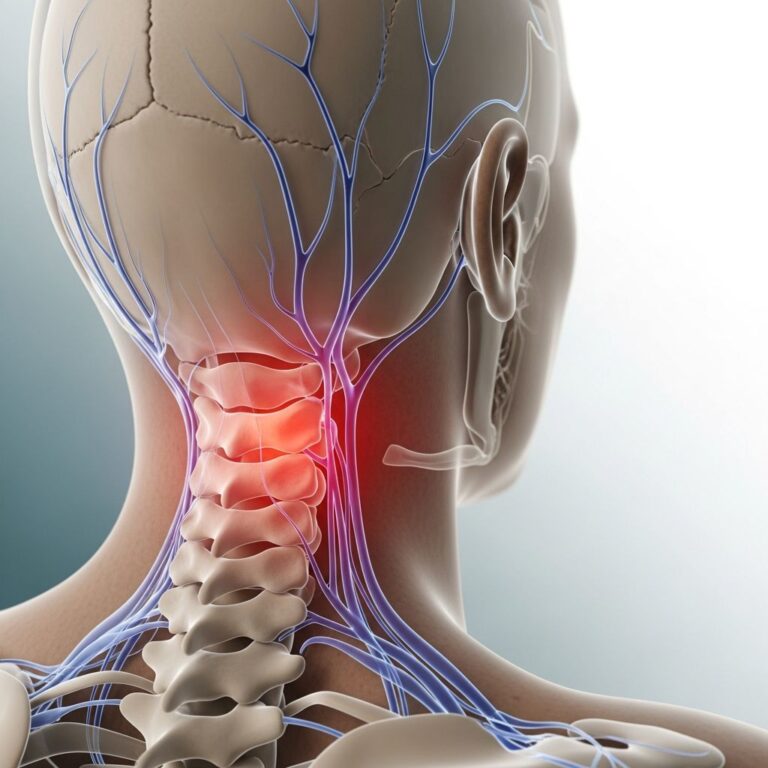
Neck pain, often caused by poor posture, muscle strain, or whiplash injuries, responds well to chiropractic treatment. Cervical spine manipulation can reduce muscle tension, improve range of motion, and alleviate the pain radiating from neck problems. Many patients with neck pain find that chiropractic care helps them avoid the need for stronger pain medications or invasive procedures.
Migraines and Headaches
Recent research has demonstrated that chiropractic spinal manipulation may provide relief for migraine sufferers. Many migraines originate from tension in the neck and upper back regions, and correcting misalignments in these areas can reduce migraine frequency and intensity. Patients often report significant improvement in headache symptoms after receiving regular chiropractic adjustments.
Whiplash and Auto Injuries
Whiplash injuries from motor vehicle accidents can cause significant pain and dysfunction. Chiropractic care addresses the underlying structural damage from these injuries, promoting healing and restoring normal function. The controlled nature of chiropractic adjustments makes them particularly suitable for post-injury recovery.
Other Conditions
Beyond the primary conditions, chiropractic care may offer relief for sciatica, fibromyalgia, and carpal tunnel syndrome. While research on these conditions continues to evolve, many patients report meaningful symptom improvement with regular chiropractic treatment. The individualized approach chiropractors take allows them to tailor treatment to each patient’s specific condition and needs.
How Chiropractic Care Works: Treatment Approaches
Spinal Manipulation
Spinal manipulation, also called an adjustment, is the cornerstone of chiropractic care. During this procedure, a chiropractor applies controlled force to a joint that has restricted movement, producing a sudden but gentle thrust. Many patients report feeling immediate relief and improved mobility following an adjustment. The procedure typically produces an audible “crack” or “pop” sound, which results from gas bubbles forming and releasing in the joint fluid.
Complementary Therapies
Modern chiropractic care often incorporates multiple treatment modalities beyond spinal manipulation. These may include:
- Physical therapy exercises: Targeted exercises that strengthen supporting muscles and improve flexibility
- Massage therapy: Soft tissue manipulation to reduce muscle tension and improve circulation
- Heat and cold therapy: Temperature-based treatments to reduce inflammation and promote healing
- Ergonomic counseling: Guidance on proper posture and workplace setup to prevent future pain
- Lifestyle modifications: Recommendations regarding activity levels, sleep positions, and daily habits
Diagnostic Imaging and Assessment
Many chiropractic clinics use diagnostic tools such as X-rays or other imaging techniques to accurately identify the source of pain. This thorough diagnostic approach ensures that treatment targets the actual problem rather than merely addressing symptoms. Some advanced facilities now employ specialized resistance training equipment designed to build strength in vulnerable areas and provide long-term pain prevention.
The Advantages of Chiropractic Care for Pain Management
Non-Invasive Approach
Unlike surgical interventions, chiropractic care avoids the risks, recovery time, and costs associated with operative procedures. Patients can typically resume normal activities immediately or with minimal downtime following treatment.
Addresses Root Causes
Rather than simply masking pain with medication, chiropractic care investigates and treats underlying structural problems. This approach often results in more permanent pain relief and prevents recurrence of symptoms.
Reduces Reliance on Medications
By providing effective pain relief without pharmaceuticals, chiropractic care helps patients avoid the side effects and risks associated with pain medications, particularly opioids. This is especially important given current concerns about medication dependency and adverse effects.
Improves Function and Quality of Life
Chiropractic patients typically report not only pain reduction but also improved mobility, strength, and functional capacity. Many people find they can return to activities they previously had to abandon due to pain.
Cost-Effective Treatment
Chiropractic care is often more affordable than other pain management approaches and may be covered by insurance plans, making it accessible to a broader population.
What to Expect During Your First Chiropractic Visit
When you visit a chiropractor for the first time, expect a thorough consultation and examination. The chiropractor will take a detailed history of your pain, including when it started, what makes it worse or better, and how it affects your daily life. A physical examination will assess your posture, range of motion, and areas of tenderness. Depending on the findings, diagnostic imaging such as X-rays may be recommended.
After the assessment, your chiropractor will discuss findings and develop a personalized treatment plan. This plan will specify the frequency of visits, the types of adjustments and therapies recommended, and expected timeframes for improvement. Most patients begin experiencing relief within a few visits, though chronic conditions may require longer treatment courses.
Safety and Side Effects of Chiropractic Care
Chiropractic care is generally considered safe when performed by a licensed, trained practitioner. Like any medical treatment, mild side effects can occur, including temporary soreness or stiffness following an adjustment, similar to the feeling after exercise. Serious complications are rare, particularly when the chiropractor has properly assessed the patient and identified any contraindications to treatment.
Patients with certain conditions, such as severe osteoporosis or specific spinal disorders, may not be suitable candidates for traditional spinal manipulation. A qualified chiropractor will screen for these conditions during the initial consultation and recommend alternative treatments if manipulation is not appropriate.
Chiropractic Care as Part of Comprehensive Pain Management
Chiropractic care works best as part of a comprehensive approach to pain management. Many chiropractors work collaboratively with other healthcare providers, including primary care physicians, physical therapists, and specialists. This integrative approach ensures patients receive the most appropriate care for their specific condition.
For acute pain, chiropractic care may be the primary treatment. For chronic conditions, it often works best when combined with lifestyle modifications, exercise, stress management, and sometimes other therapeutic approaches. Open communication between all members of the healthcare team optimizes outcomes and ensures coordinated care.
Why Choose Chiropractic Care for Pain Relief
In an era when opioid medications carry significant risks and surgery carries substantial costs and recovery periods, chiropractic care represents an evidence-based alternative that addresses the mechanical causes of pain. The research supporting its effectiveness, coupled with endorsements from major medical organizations, demonstrates that chiropractic care deserves consideration as a first-line treatment for many types of pain.
By choosing chiropractic care, patients take an active role in their healing, avoiding unnecessary medications and surgical procedures while addressing the actual source of their pain. Whether you suffer from acute pain following an injury or chronic pain that has plagued you for years, chiropractic care may offer the relief and restored function you seek.
Frequently Asked Questions About Chiropractic Care for Pain Relief
Q: Is chiropractic care covered by insurance?
A: Many insurance plans cover chiropractic care, though coverage varies by plan and state. It’s best to check with your insurance provider about your specific coverage before beginning treatment.
Q: How many chiropractic visits will I need?
A: The number of visits varies depending on your condition’s severity and chronicity. Acute pain may resolve in a few visits, while chronic conditions may require ongoing treatment over several weeks or months. Your chiropractor will discuss a treatment timeline during your initial consultation.
Q: Is it painful to have a chiropractic adjustment?
A: Most patients do not experience pain during an adjustment, though some may feel mild discomfort or pressure during the procedure. You should always communicate with your chiropractor if you experience pain.
Q: Can chiropractic care replace medical treatment?
A: Chiropractic care works best as part of comprehensive healthcare. Some conditions require medical evaluation and treatment. A qualified chiropractor will recommend when you need to see a physician or other specialist.
Q: Are chiropractors regulated and licensed?
A: Yes, chiropractors must complete extensive education and pass licensing examinations in most states. Look for practitioners who are licensed and maintain ongoing professional credentials.
Q: What conditions does chiropractic care treat most effectively?
A: Chiropractic care is most effective for back pain, neck pain, headaches, and whiplash injuries. However, it may provide benefit for other musculoskeletal conditions as well.
References
- Effectiveness of Manual Therapy and Exercise for Military Personnel With Acute Low Back Pain — JAMA Network Open. 2018. https://jamanetwork.com/journals/jamanetworkopen/fullarticle/2688245
- Noninvasive Treatments for Acute, Subacute, and Chronic Low Back Pain: A Clinical Practice Guideline From the American College of Physicians — Annals of Internal Medicine. 2017. https://www.acpjournals.org/doi/full/10.7326/M16-2367
- Cost of Illness Studies—A Primer on Methods and Applications — National Center for Biotechnology Information. 2018. https://www.ncbi.nlm.nih.gov/books/NBK441816/
- Spinal Manipulation for Low Back Pain: A Systematic Review and Meta-Analysis — The Spine Journal. 2015. https://www.sciencedirect.com/science/article/pii/S1529943014014447
- Chiropractic Care: What You Should Know — National Center for Complementary and Integrative Health, National Institutes of Health. 2023. https://www.nccih.nih.gov/health/chiropractic-spinal-manipulation
Similar Articles








Read full bio of medha deb