Chives: Botanical Profile, Uses & Allergen Information
Comprehensive guide to chives: botanical classification, culinary uses, and contact allergen risks.
Chives: Overview and Botanical Classification
Chives represent a widely cultivated herb belonging to the genus Allium, classified within the Amaryllidaceae family alongside numerous other economically significant vegetables and herbs such as onions, leeks, and garlic. The botanical name for culinary chives is Allium schoenoprasum. Originally growing wild across northern Europe, Greece, and Italy, chives have been successfully cultivated and are now grown throughout the world, making them one of the most globally distributed members of the Allium genus.
The Allium genus contains over 500 distinct species, representing a remarkably diverse plant family. While many Allium species serve culinary purposes, others are cultivated strictly for ornamental appeal. The versatility of this genus extends across both functional and aesthetic applications in agriculture and horticulture, with chives serving as a primary example of an edible species that also possesses decorative qualities.
Physical Description and Characteristics
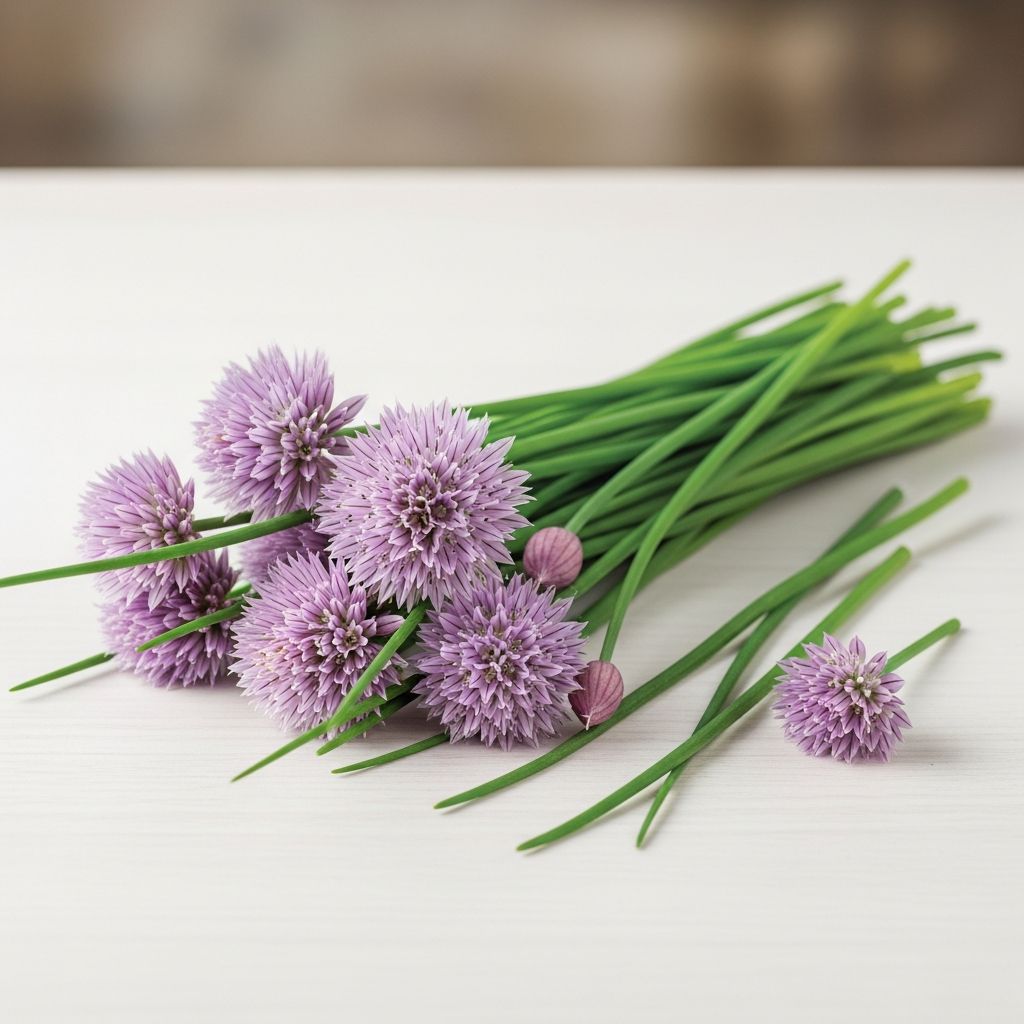
Chives are characterized by distinctive morphological features that make them readily identifiable. The plant consists of bulbs with edible bases and long narrow fleshy leaves that extend upward from the base. These narrow leaves are the primary edible portion of the plant, featuring a mild onion-like flavor and tender texture that makes them suitable for raw consumption and culinary applications. The bulbous base, though less commonly consumed than the leaves, contributes to the plant’s overall nutritional profile and contains many of the same bioactive compounds found throughout the plant structure.
The distinctive appearance of chives, particularly their elongated green foliage, makes them an attractive addition to both kitchen gardens and ornamental plantings. The plant’s visual appeal extends to its flowering stage, when delicate flowers develop atop the leaf stems, further enhancing its decorative potential alongside its culinary utility.
Culinary Applications and Gastronomic Uses
In culinary contexts, chives serve multiple functional and aesthetic purposes. They are frequently employed to decorate food presentations, adding both visual interest and subtle flavor enhancement to completed dishes. The mild, delicate onion flavor of chives makes them particularly valuable in applications where a less assertive allium taste is desired compared to stronger onion or garlic preparations.
Chives are commonly added to salads, where their tender texture and mild flavor complement leafy greens and other salad components without overwhelming other ingredients. Beyond salads, chives find applications in:
- Garnishing soups and cream-based dishes
- Flavoring butter and cheese preparations
- Seasoning egg dishes and omelets
- Topping baked potatoes and other root vegetables
- Enhancing fish and seafood preparations
- Adding complexity to sauce and dressing formulations
The versatility of chives in contemporary cuisine reflects their accessibility, ease of cultivation, and ability to enhance dishes across numerous culinary traditions and cooking styles.
Allergens and Chemical Composition
Active Compounds
Chives contain specific chemical compounds that may trigger allergic responses in susceptible individuals. The primary allergens identified in chives include diallyl disulfide and possibly allicin, both of which are recognized as known contact sensitizers. These sulfur-containing compounds are responsible for the characteristic “oniony” taste and pungent aroma associated with all Allium species.
Related Stories



The sulfur compounds present in Allium vegetables have been recognized since ancient times. Historical and cultural perspectives on these compounds vary considerably. Ancient civilizations were familiar with chives and other allium species, and various myths and legends developed around them. Muslim tradition, for instance, includes the narrative that when Satan departed from the Garden of Eden, garlic sprang from his left footstep while onion emerged from his right footstep. However, historical claims that chives “send up hurtful vapours to the brain” are entirely unfounded and reflect superstitious rather than scientific understanding.
Allergic Reactions and Contact Dermatitis
Clinical Manifestations
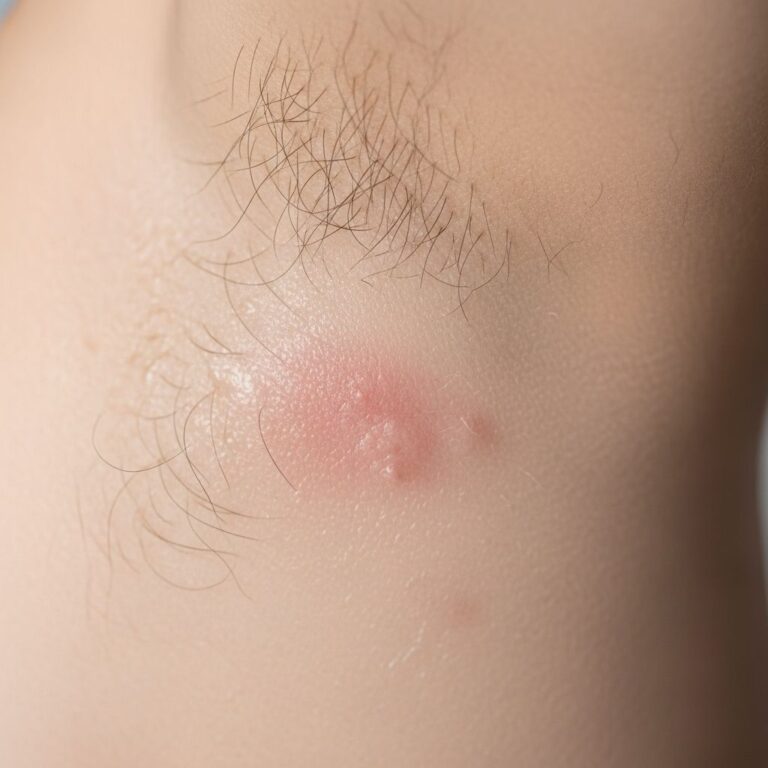
Cases of allergic contact dermatitis and urticaria have been documented following handling of chives. Allergic contact dermatitis presents as an inflammatory skin response to direct contact with the allergen, while urticaria (hives) represents a more immediate hypersensitivity reaction. However, it is important to note that the overall risk of developing an allergic reaction to chives remains very low relative to other known allergens.
The allergic potential of chives appears significantly reduced following thermal processing. The allergen is probably substantially denatured when chives are cooked, rendering the prepared food much safer for individuals with known sensitivities. This distinction between raw and cooked chives has important implications for dietary management of allium-related sensitivities.
Mechanism of Allergic Response
Allergic responses to chives occur when an individual’s immune system recognizes the sulfur-containing compounds as harmful pathogens despite their biological innocuity. This immunological misclassification results in allergic cascade activation, producing the characteristic symptoms of contact dermatitis or urticaria. The severity and rapidity of allergic responses can vary significantly between individuals based on prior sensitization history and individual immune system characteristics.
Cross-Reactivity with Related Allium Species
Individuals demonstrating allergic sensitivity to chives frequently exhibit cross-reactivity with other Allium species. The most common cross-reactive allergens include garlic and onion, which share similar sulfur-containing compounds with chives. This cross-reactivity reflects the shared chemical composition across the Allium genus, as the same or structurally similar allergens present in one species are often present in related species.
The implications of cross-reactivity are clinically significant for individuals with documented allium sensitivities. A person allergic to chives may need to exercise caution with:
- Garlic and garlic-derived products
- Onions in all preparations
- Leeks and related species
- Other cultivated and wild Allium species
Understanding cross-reactivity patterns enables healthcare providers to offer more comprehensive dietary guidance to allergic individuals, helping them identify the full spectrum of foods requiring avoidance or careful handling.
Occupational Exposure Considerations
Food handlers and individuals working in the catering industry face particular occupational risks related to chives and other food allergens. Repeated handling of raw chives during food preparation can increase the likelihood of developing contact dermatitis compared to occasional consumer exposure. Occupational dermatitis in food handlers represents a significant workplace health concern, often resulting from cumulative exposure to irritants and sensitizers.
Workers in food preparation environments benefit from:
- Appropriate personal protective equipment, particularly gloves
- Proper hand hygiene practices following produce handling
- Workplace risk assessments to identify high-exposure areas
- Access to dermatological consultation when symptoms develop
- Education regarding allergen awareness and safe handling practices
Patch Testing for Chives Allergy
For individuals with suspected chive allergy, dermatological patch testing represents the diagnostic standard for confirming allergic contact dermatitis. Patch testing involves applying small quantities of potential allergens to the skin under controlled conditions and observing the inflammatory response over several days. Positive patch test reactions indicate allergic sensitization and help guide dietary and occupational modifications.
The interpretation of patch test results requires clinical correlation with the patient’s exposure history and reported symptoms. A positive patch test in the absence of clinically relevant exposure history may indicate sensitization without current clinical significance, while a negative patch test does not entirely exclude contact urticaria or other non-dermatitis allergic responses.
Mitigation Strategies and Precautions
Handling Recommendations
Individuals with known or suspected chive sensitivity should implement several practical strategies to minimize allergic exposure:
- Wear disposable or barrier gloves during food preparation involving raw chives
- Wash hands thoroughly with soap and water following any chive contact
- Avoid touching the face or eyes during and immediately after handling raw chives
- Consider using pre-prepared chive products when available to minimize direct contact
- Ensure adequate ventilation in food preparation areas to reduce exposure to volatile compounds
Dietary Modifications
For individuals with documented chive allergy, dietary strategies may include:
- Complete avoidance of raw chives
- Consideration of cooked chive preparations, which may be better tolerated due to allergen denaturation
- Vigilance regarding cross-reactive Allium species in prepared foods
- Careful review of ingredient lists in processed foods, as chives may be included in prepared seasoning blends and spice mixtures
Historical Context and Cultural Significance
Chives hold a place of cultural and historical significance across numerous civilizations. Ancient societies in Greece, Rome, and throughout Europe incorporated chives into medicinal and culinary traditions. The widespread distribution of wild chives across northern European regions suggested their ecological adaptation to temperate climates and their historical importance as a food source.
The mythology surrounding chives and other Allium species reflects the cultural importance of these plants. Beyond practical culinary applications, chives and related species were often attributed with protective, medicinal, or supernatural properties. While many historical claims regarding the health benefits of chives lack scientific support, modern research has confirmed that chives do contain bioactive compounds with potential nutritional value.
Nutritional and Phytochemical Profile
Beyond their culinary appeal, chives contain various phytochemical compounds that contribute to their nutritional profile. The sulfur-containing compounds responsible for allergenic potential in susceptible individuals also contribute beneficial antioxidant and anti-inflammatory properties in the broader population. Chives provide:
- Vitamin K, important for bone health and coagulation
- Vitamin C, supporting immune function and collagen synthesis
- Folate, essential for cellular division and DNA synthesis
- Antioxidant compounds, potentially protective against oxidative stress
- Minerals including potassium and manganese
Comparison with Other Allium Species
| Allium Species | Common Name | Flavor Intensity | Common Uses | Allergen Risk |
|---|---|---|---|---|
| Allium schoenoprasum | Chives | Mild | Garnish, salads, decoration | Low |
| Allium sativum | Garlic | Strong | Cooking, seasoning, medicinal | Moderate |
| Allium cepa | Onion | Moderate-Strong | Cooking base, flavoring | Moderate |
| Allium porrum | Leek | Mild-Moderate | Cooking, soups, side dishes | Low-Moderate |
Frequently Asked Questions
Q: Are chives safe for everyone to consume?
A: Chives are safe for most people. However, individuals with documented allergies to Allium species should exercise caution or avoid chives entirely. Cooking chives may reduce allergenic potential compared to consuming them raw.
Q: What is the difference between chive allergy and onion allergy?
A: While chives and onions both contain similar sulfur compounds, chives typically produce milder allergic reactions due to lower overall allergen concentration. However, cross-reactivity is common, meaning individuals allergic to one Allium species may react to others.
Q: Can cooking chives eliminate allergenic compounds?
A: Heat appears to denature chive allergens substantially, reducing or eliminating allergic potential in cooked preparations. This suggests that individuals with mild chive sensitivity might tolerate cooked chives better than raw chives.
Q: How should food handlers with chive allergies protect themselves?
A: Food handlers should wear gloves, wash hands thoroughly after handling chives, avoid touching the face during preparation, and consult with occupational health professionals regarding workplace modifications and risk assessment.
Q: What are the symptoms of chive contact dermatitis?
A: Symptoms typically include skin redness, itching, and inflammation at the contact site. More severe reactions may produce urticaria (hives) or more extensive inflammatory responses. Symptoms usually appear within minutes to hours of exposure.
Q: Are there other Allium species I should avoid if allergic to chives?
A: Yes, individuals allergic to chives should exercise caution with garlic and onions, which are the most common cross-reactive species. Other Allium species may also trigger reactions due to shared chemical composition.
References
- Chives — DermNet New Zealand. 1999. https://dermnetnz.org/topics/chives
- Skin problems in food handlers and the catering industry — DermNet New Zealand. 2012. https://dermnetnz.org/topics/skin-problems-in-food-handlers-and-the-catering-industry
- Allium Species and Cross-Reactivity in Food Allergy — World Journal of Gastroenterology. 2020. https://www.ncbi.nlm.nih.gov/pmc/articles/PMC7055328/
- Occupational Contact Dermatitis in Food Handlers — American Academy of Dermatology. 2023. https://www.aad.org/public/diseases/occupational-skin-disease
Similar Articles








Read full bio of medha deb