Chlamydia Symptoms: Signs In Women, Men, And What To Know
Recognizing chlamydia symptoms early: Understand signs in men, women, and more to prevent complications.
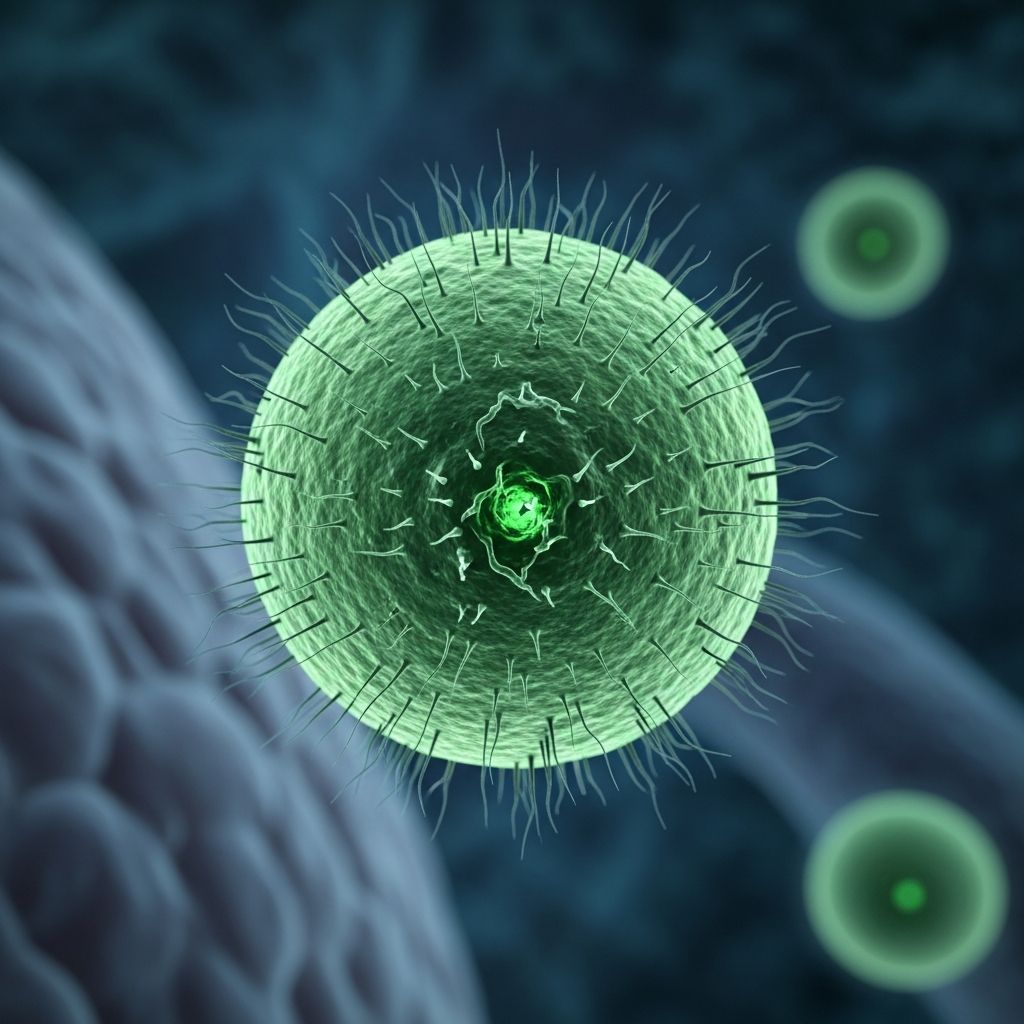
Chlamydia is a common bacterial sexually transmitted infection (STI) caused by Chlamydia trachomatis, affecting millions worldwide, with an estimated 128.5 million new cases in 2020 among adults aged 15-49. Often called a ‘silent’ infection, most people experience no symptoms, but when present, they can include abnormal discharge, burning during urination, and pelvic pain. Early detection through screening is crucial, as untreated chlamydia can lead to severe complications like pelvic inflammatory disease (PID), infertility, and increased HIV risk.
What Is Chlamydia?
Chlamydia trachomatis is a bacterium that infects the genital tract, rectum, throat, or eyes through sexual contact or from mother to baby during birth. It thrives in warm, moist areas of the body and spreads easily via unprotected vaginal, anal, or oral sex. Unlike viral STIs, chlamydia is curable with antibiotics, but reinfection is common without partner treatment. Globally, it’s the most reported bacterial STI, yet underdiagnosis persists due to asymptomatic cases in up to 70-95% of infections.
Risk factors include multiple sexual partners, inconsistent condom use, and age under 25, with higher prevalence among young adults. Infants exposed during delivery may develop conjunctivitis or pneumonia. Preventive measures emphasize regular screening for at-risk groups, as recommended by health authorities.
Chlamydia Symptoms
Most chlamydia infections are asymptomatic, with symptoms—if any—appearing 1-3 weeks post-exposure. When symptoms occur, they mimic other STIs or UTIs, complicating self-diagnosis. Common signs vary by infection site and gender.
Symptoms in Women
Women often have mild or no symptoms, delaying treatment. Key indicators include:
- A change in vaginal discharge (e.g., increased, yellow, or unusual).
- Bleeding between periods or after sex.
- Burning sensation when urinating.
- Lower abdominal pain or discomfort.
- Pain during sexual intercourse (dyspareunia).
- Cervical inflammation (cervicitis).
Rectal involvement may cause pain, discharge, or bleeding. Throat infections can lead to sore throat or cough.
Symptoms in Men
Men may notice symptoms sooner, though many remain unaware. Typical signs are:
- White, cloudy, or watery penile discharge.
- Burning or pain during urination (dysuria).
- Testicular pain, tenderness, or swelling.
- Itching or burning around the penis or testicles.
- Rectal pain, discharge, or bleeding from anal infection.
Prostate infection (prostatitis) can cause lower back pain and fever.
Symptoms in the Throat, Eyes, and Rectum
Oral sex can transmit chlamydia to the throat, causing sore throat, cough, or fever, often without notice. Eye infections (chlamydial conjunctivitis) result in redness, swelling, itching, discharge, irritation, and light sensitivity (photophobia). Rectal symptoms affect both genders: discharge, bleeding, pain during bowel movements.
In rare cases, disseminated infection leads to reactive arthritis with joint pain and swollen lymph nodes.
How Does Chlamydia Spread?
Chlamydia spreads primarily through unprotected sexual contact: vaginal, anal, or oral with an infected partner. Semen, vaginal fluids, or anal secretions carry the bacteria to mucous membranes. It cannot transmit via casual contact like hugging or toilet seats.
Related Stories



- Vaginal sex: Most common transmission route.
- Anal sex: Risks rectal infection.
- Oral sex: Leads to pharyngeal chlamydia.
- Mother-to-child: During birth, causing neonatal eye infections or pneumonia.
Consistent condom use reduces risk by over 90%, per studies. Sharing sex toys without cleaning heightens spread.
Chlamydia Diagnosis
Diagnosis relies on nucleic acid amplification tests (NAATs), the gold standard for detecting chlamydia DNA in urine, swabs from cervix, urethra, rectum, throat, or eyes. Urine tests are non-invasive and highly accurate (95% sensitivity).
Screening is recommended annually for sexually active women under 25, high-risk groups, and pregnant individuals. Men who have sex with men should test yearly for rectal/throat infections. Self-collected swabs increase accessibility. Positive results prompt partner notification and treatment to prevent reinfection.
Chlamydia Treatment
Antibiotics cure most cases in 1-7 days; do not have sex until completion and partners are treated. First-line options:
| Antibiotic | Dosage | Duration |
|---|---|---|
| Doxycycline | 100 mg twice daily | 7 days |
| Azithromycin | 1 g single dose | 1 day |
Pregnant women prefer azithromycin; allergies require alternatives like erythromycin. Abstinence or condom use for 7 days post-treatment prevents spread. Retest 3 months later, as 20% experience reinfection.
Chlamydia Complications
Untreated chlamydia causes 10-15% of U.S. PID cases, scarring fallopian tubes and leading to infertility, ectopic pregnancy, or chronic pelvic pain. Men risk epididymitis, prostatitis, or reactive arthritis. Increased HIV susceptibility affects 2-5 times higher transmission.
Neonatal risks: 30-50% develop conjunctivitis, 10-20% pneumonia. Lymphogranuloma venereum (LGV) variant causes ulcers, lymph node swelling.
Chlamydia Prevention
Prevention strategies include:
- Annual screening for at-risk individuals.
- Consistent condom use.
- Partner notification and treatment (expedited partner therapy).
- Limiting sexual partners.
- Neonatal eye prophylaxis with erythromycin ointment.
Vaccines are in development; no approved vaccine yet.
Frequently Asked Questions (FAQs)
Is chlamydia curable?
Yes, chlamydia is fully curable with antibiotics like doxycycline or azithromycin, typically resolving in one week.
Can chlamydia go away on its own?
No, untreated chlamydia persists and risks complications; antibiotics are essential.
Does chlamydia have a smell?
Sometimes unusual discharge smells pungent, but this overlaps with other infections; see a doctor.
Chlamydia vs. gonorrhea?
Both bacterial STIs with similar symptoms (discharge, dysuria); chlamydia symptoms appear faster, both treatable with antibiotics.
Can you have chlamydia without symptoms?
Yes, 70-95% of cases are asymptomatic, hence routine screening.
Can chlamydia cause infertility?
Yes, via PID in women (10-15% risk) and epididymitis in men.
References
- What to Know About Chlamydia — JAMA Network. 2024-01-23. https://jamanetwork.com/journals/jama/fullarticle/2810018
- Chlamydia: Symptoms, Treatments, Causes, and More — Healthline. 2025-05-13. https://www.healthline.com/health/std/chlamydia
- Chlamydia — MedlinePlus (U.S. National Library of Medicine). 2023-10-01. https://medlineplus.gov/ency/article/001345.htm
- Chlamydia — NHS. 2024-08-15. https://www.nhs.uk/conditions/chlamydia/
- Chlamydia — World Health Organization. 2024-07-18. https://www.who.int/news-room/fact-sheets/detail/chlamydia
- Chlamydia, Gonorrhea, and Syphilis — American College of Obstetricians and Gynecologists. 2024-02-01. https://www.acog.org/womens-health/faqs/chlamydia-gonorrhea-and-syphilis
Similar Articles








Read full bio of Sneha Tete