Chlamydia Treatment: Antibiotics, Follow-Up, Prevention Tips
Effective antibiotics cure chlamydia, but timely treatment and partner notification are crucial to prevent complications and reinfection.
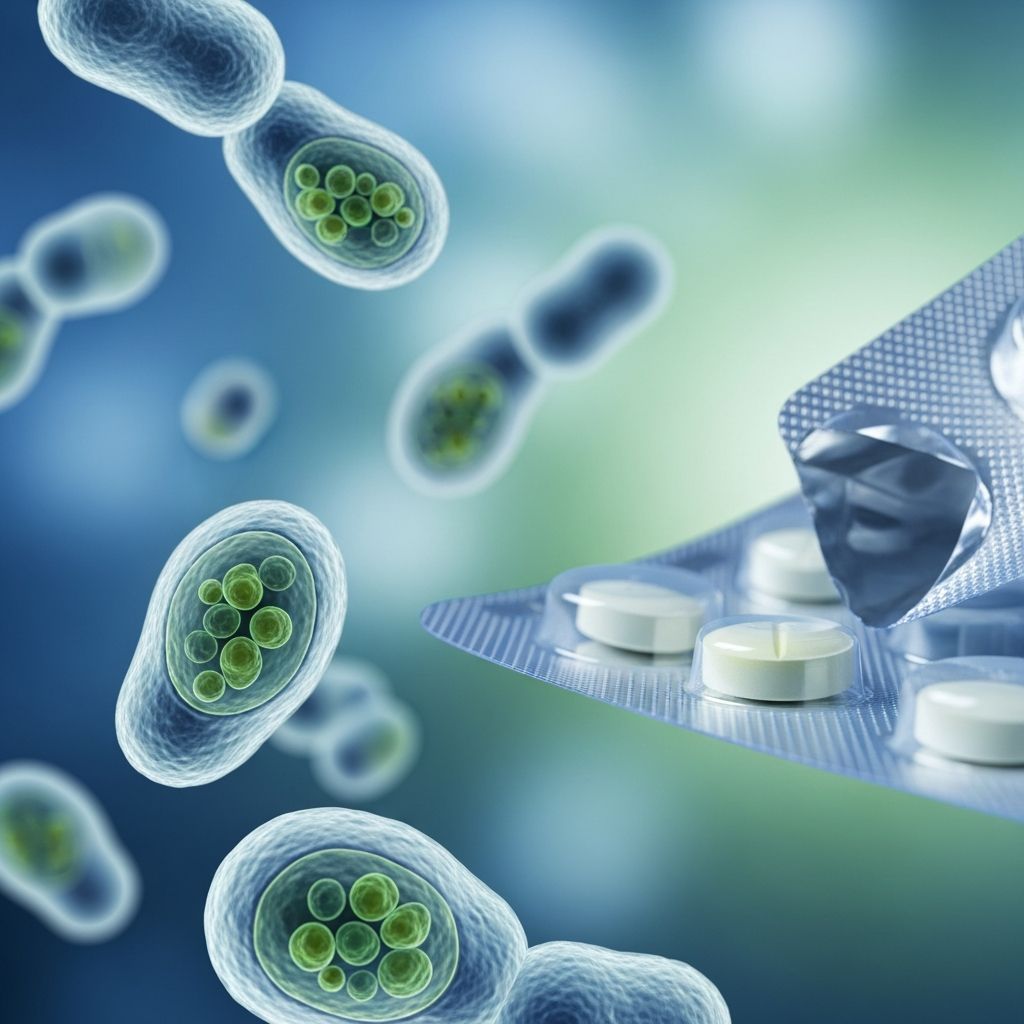
Chlamydia, caused by the bacterium Chlamydia trachomatis, is one of the most common sexually transmitted infections (STIs) worldwide. It often presents without symptoms, making routine screening essential, especially for sexually active individuals under 25. If left untreated, it can lead to serious complications like pelvic inflammatory disease (PID), infertility, and ectopic pregnancy in women, and epididymitis in men. Fortunately, chlamydia is curable with antibiotics, with treatment success rates exceeding 95% when completed properly.
The primary goals of treatment are to resolve symptoms, prevent complications, reduce transmission, and protect reproductive health. Standard regimens include doxycycline or azithromycin, with doxycycline now preferred for non-pregnant adults due to higher efficacy, particularly for rectal infections. Prompt treatment, partner notification, and abstinence during therapy are critical to success.
What Is Chlamydia?
Chlamydia trachomatis is a gram-negative bacterium that infects the genital tract, rectum, throat, and eyes. It spreads primarily through vaginal, anal, or oral sex with an infected partner. In women, it commonly affects the cervix; in men, the urethra. Newborns can acquire it during birth, leading to conjunctivitis or pneumonia.
Globally, the World Health Organization (WHO) estimates millions of cases annually, with higher rates among young adults. In the U.S., the CDC reports over 1.6 million cases in 2021, underscoring its prevalence. Asymptomatic cases—up to 70-95% in women and 50% in men—drive silent transmission, emphasizing the need for screening.
Symptoms of Chlamydia
Many people with chlamydia experience no symptoms, which complicates detection. When present, symptoms typically appear 1-3 weeks after exposure.
- In women: Abnormal vaginal discharge, burning during urination, bleeding between periods, lower abdominal pain, or pain during sex.
- In men: Penile discharge (white, cloudy, or watery), painful urination, testicular pain or swelling.
- In both: Rectal pain, discharge, or bleeding (from anal infection); sore throat (pharyngeal infection).
- In newborns: Eye infections (conjunctivitis) or pneumonia.
Symptoms alone are unreliable for diagnosis; nucleic acid amplification tests (NAATs) from urine, swabs, or fluids confirm infection.
How Is Chlamydia Diagnosed?
Diagnosis relies on lab tests, as symptoms overlap with other STIs like gonorrhea. Preferred methods include NAATs on first-void urine (men), vaginal/cervical swabs (women), rectal swabs, or throat swabs.
Screening recommendations:
- Annually for sexually active women under 25 and older women with risk factors (e.g., new/multiple partners).
- All pregnant women in the first trimester, with retesting in third trimester if high-risk.
- Sexually active men who have sex with men (MSM), with site-specific testing (rectal/throat).
Positive tests warrant immediate treatment; empiric therapy may be given if delay is likely.
Chlamydia Treatment
Chlamydia is treatable and curable with antibiotics. The CDC recommends doxycycline as first-line for urogenital, rectal, and oropharyngeal infections in non-pregnant adults due to superior efficacy over azithromycin, especially for extragenital sites.
Recommended Treatments for Adults
| Regimen | Dosage | Duration | Notes |
|---|---|---|---|
| Doxycycline (Preferred) | 100 mg orally twice daily | 7 days | Highest efficacy; avoid dairy/antacids. |
| Azithromycin (Alternative) | 1 g orally single dose | 1 dose | Convenient but lower rectal cure rates (74% vs. 100% doxycycline). |
| Levofloxacin (Alternative) | 500 mg orally once daily | 7 days | For doxycycline intolerance. |
Related Stories



A delayed-release doxycycline 200 mg once daily for 7 days offers similar efficacy with fewer GI side effects. Complete the full course, even if symptoms resolve early.
Treatment for Pregnant People
Pregnancy alters regimens due to doxycycline’s fetal risks. Alternatives include:
- Azithromycin 1 g orally single dose.
- Amoxicillin 500 mg orally three times daily for 7 days.
Test-of-cure 4 weeks post-treatment; retest at 3 months and third trimester/delivery. Partners must be treated to prevent neonatal transmission.
Treatment for Rectal and Pharyngeal Infections
Doxycycline 100 mg twice daily for 7 days is optimal for rectal chlamydia (100% cure in MSM trials). Azithromycin is less effective for rectum (74% cure). Pharyngeal infections respond well to doxycycline; azithromycin if needed.
What Happens After Treatment?
Abstain from sex for 7 days post-single dose or until 7-day regimen completion and symptoms resolve. Notify partners from the past 60 days for testing/treatment (expedited partner therapy allowed in some areas).
Test-of-cure: Not routine for non-pregnant urogenital cases but recommended 3 weeks if symptoms persist or high-risk (e.g., pregnancy). Retest 3 months post-treatment due to reinfection risk. Persistent symptoms may indicate reinfection, coinfection (e.g., gonorrhea), or resistance (rare).
Partner Treatment and Prevention
Untreated partners cause 50% of reinfections. Use patient-delivered partner therapy or ensure evaluation. Prevention strategies:
- Consistent condom use.
- Regular STI screening.
- Limiting partners; mutual monogamy.
- Pre-exposure prophylaxis (PrEP) for HIV-negative MSM with rectal chlamydia.
No vaccine exists, but education reduces incidence.
Chlamydia in Pregnancy and Newborns
Pregnant individuals risk preterm birth, low birth weight. Screen early and treat promptly. Newborns exposed during birth may develop ophthalmia neonatorum (1-2 weeks postpartum) or pneumonia (1-3 months).
Neonatal treatment:
- Conjunctivitis: Erythromycin base/ethylsuccinate 50 mg/kg/day divided 4 doses for 14 days; or azithromycin 20 mg/kg/day for 3 days (presumptive).
- Pneumonia: Same erythromycin regimen.
Monitor for infantile hypertrophic pyloric stenosis with macrolides.
Complications If Untreated
Women: PID (10-15%), infertility, ectopic pregnancy. Men: Epididymitis, prostatitis. Both: Reactive arthritis, increased HIV risk. Newborns: Blindness, pneumonia.
Frequently Asked Questions (FAQs)
Can chlamydia be cured?
Yes, antibiotics cure over 95% of cases if completed fully.
How long after treatment can I have sex?
Wait 7 days after single-dose or full 7-day course and symptom resolution; ensure partners treated.
Do I need a test after treatment?
Retest at 3 months; test-of-cure if pregnant or symptoms persist.
Can I get chlamydia in the throat or rectum?
Yes; test site-specifically, treat with doxycycline preferably.
What if I’m allergic to antibiotics?
Consult provider for alternatives like levofloxacin.
Key Takeaways
- Doxycycline 100 mg BID x7 days is first-line for most adults.
- Treat partners; abstain during therapy.
- Screen annually if at risk; retest post-treatment.
- Pregnancy/newborn protocols differ.
References
- Chlamydia – StatPearls — NCBI Bookshelf, NIH. 2023-10-01. https://www.ncbi.nlm.nih.gov/books/NBK537286/
- Chlamydia trachomatis – Diagnosis and treatment — Mayo Clinic. 2023-08-25. https://www.mayoclinic.org/diseases-conditions/chlamydia/diagnosis-treatment/drc-20355355
- Chlamydia — World Health Organization (WHO). 2024-07-03. https://www.who.int/news-room/fact-sheets/detail/chlamydia
- Chlamydial and Gonococcal Infections: Screening, Diagnosis, and Treatment — American Academy of Family Physicians (AAFP). 2022-04-01. https://www.aafp.org/pubs/afp/issues/2022/0400/p388.html
- Chlamydial Infections – STI Treatment Guidelines — Centers for Disease Control and Prevention (CDC). 2021-07-22. https://www.cdc.gov/std/treatment-guidelines/chlamydia.htm
Similar Articles








Read full bio of Sneha Tete