Chloracne (MADISH) Expert Guide: Causes, Symptoms & Treatment
Understanding chloracne (MADISH): A rare dioxin-induced skin condition mimicking acne but caused by toxic chemicals.
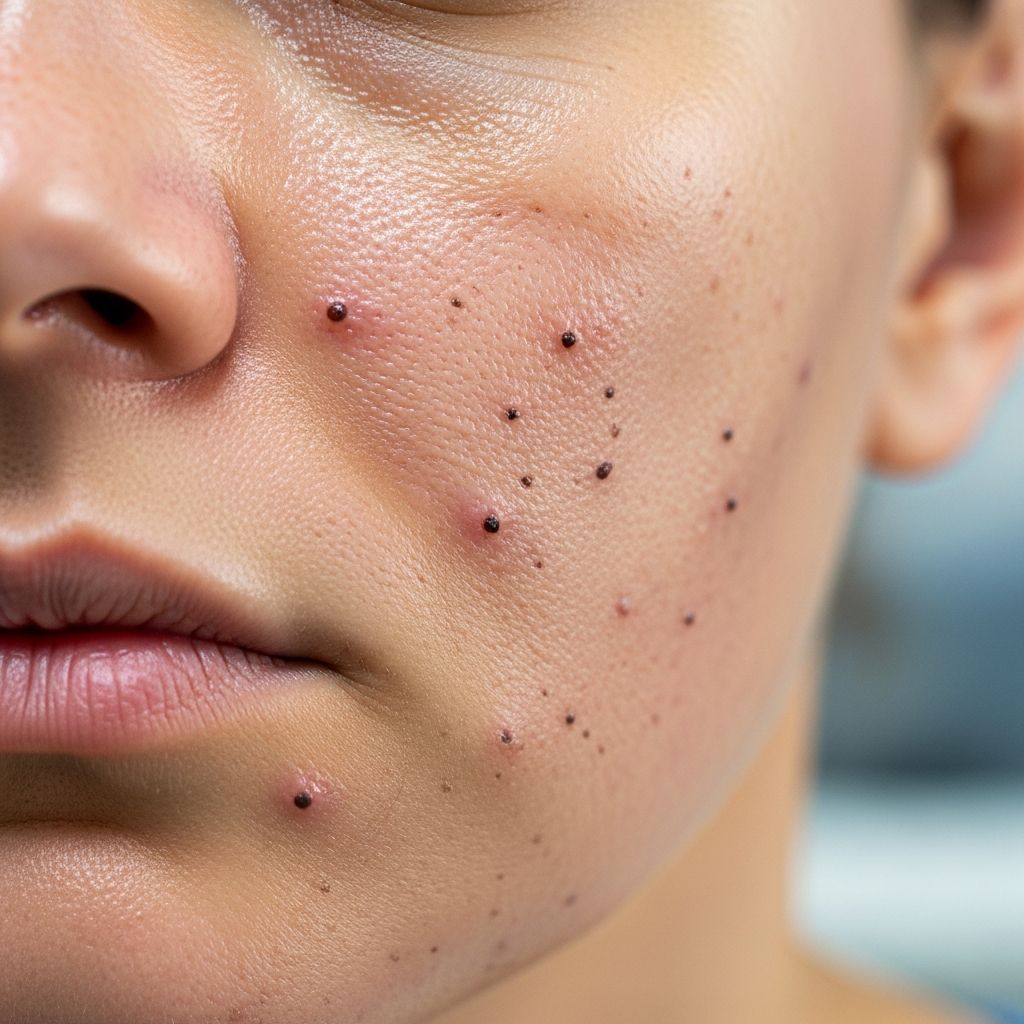
Chloracne, also known as metabolizing acquired dioxin-induced skin hamartomas (MADISH), is a rare and distinctive skin condition triggered by exposure to specific toxic chemicals known as chloracnegens. Unlike common acne vulgaris, which stems from hormonal influences and sebaceous gland overactivity, chloracne results from systemic absorption of halogenated aromatic hydrocarbons, primarily dioxins, polychlorinated biphenyls (PCBs), and related compounds. These fat-soluble toxins accumulate in the body, particularly in sebaceous glands, where they are metabolized slowly, leading to altered gene expression and transformation of normal pilosebaceous units into cyst-like hamartomas. First described in the late 19th century among industrial workers, chloracne serves as a sensitive biomarker for dioxin poisoning, often appearing months after exposure and persisting for years. This condition highlights the profound impact of environmental pollutants on human health, with historical outbreaks linked to industrial accidents and contaminated products.
Introduction
Chloracne manifests as an acneiform eruption characterized by noninflammatory comedones, straw-colored cysts, and occasionally pustules, predominantly affecting areas rich in sebaceous glands such as the face, neck, axillae, and groin. The term “chloracne” is somewhat misleading, as chlorine itself does not cause it; rather, it was named due to early assumptions about its etiology in chlorine-exposed workers. Modern understanding recognizes it as MADISH, emphasizing the hamartomatous nature of the lesions—abnormal, benign growths of disorganized skin tissue rather than true inflammatory acne. Dioxin (2,3,7,8-tetrachlorodibenzo-p-dioxin or TCDD), the most potent chloracnegen, is notorious for its role in events like the Seveso disaster in 1976, where 193 cases emerged, and its presence as a contaminant in Agent Orange herbicide used during the Vietnam War. Environmental ubiquity of low-level dioxins does not typically cause chloracne, requiring significant exposure thresholds. The condition’s chronicity underscores the need for prevention through strict industrial regulations and monitoring.
Causes
Chloracne arises from exposure to chloracnegens—halogenated aromatic hydrocarbons that bind to the aryl hydrocarbon receptor (AhR), disrupting cellular differentiation in pilosebaceous units. Primary culprits include:
- Polychlorinated dibenzo-p-dioxins (PCDDs), especially TCDD, the most potent.
- Polychlorinated dibenzofurans (PCDFs), often co-contaminants.
- Polychlorinated biphenyls (PCBs), used in electrical insulators and pesticides.
- Polybrominated biphenyls (PBBs) and certain pesticides like pentachlorophenol.
Exposure routes encompass occupational settings (e.g., chemical manufacturing, waste incineration), accidental releases (e.g., Seveso explosion), contaminated food (e.g., rice oil in Yusho/Yucheng incidents), and deliberate poisoning, as suspected in Ukrainian President Viktor Yushchenko’s 2004 case. These lipophilic compounds bioaccumulate in fatty tissues, with half-lives spanning years, promoting persistent inflammation via macrophage activation, neutrophilia, and excess tumor necrosis factor. Severity correlates with dose, potency, and individual susceptibility, with no safe threshold established.
Acute Poisoning
High-dose acute exposure to chloracnegens can precipitate systemic toxicity beyond skin lesions, typically within days to weeks. Symptoms include:
- Chloracne onset: Initial excessive skin oiliness followed by comedones.
- Gastrointestinal distress: Nausea, vomiting, diarrhea.
- Neurological effects: Fatigue, neuropathy, headaches.
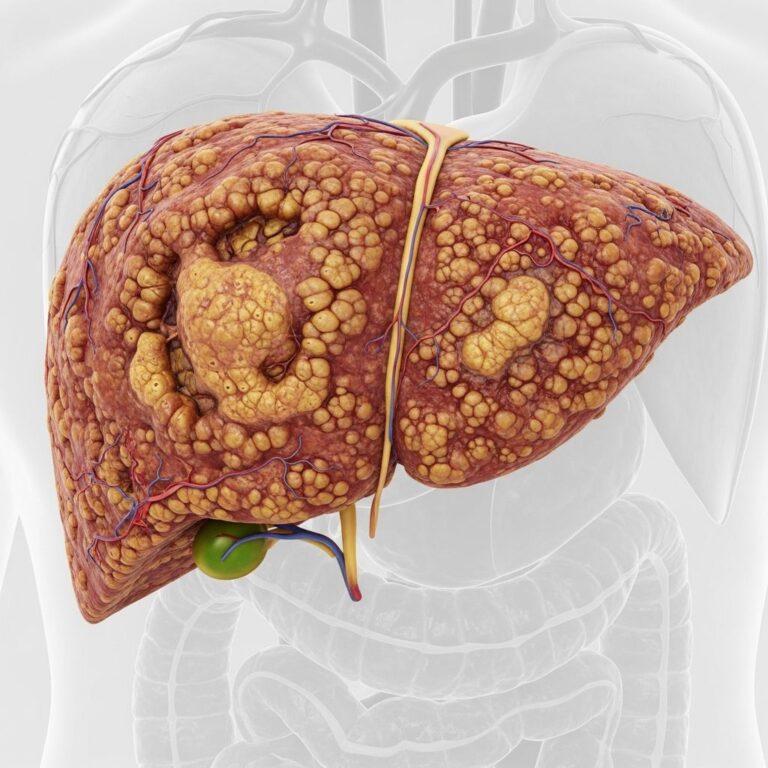
- Metabolic disruptions: Liver dysfunction, hyperlipidemia, anemia.
- Endocrine issues: Impotence, thyroid enlargement (thyromegaly).
- Ocular inflammation: Conjunctivitis, ophthalmitis.
- Musculoskeletal pain: Arthritis-like symptoms.
In severe cases, such as Seveso, evacuations were necessary due to widespread contamination. Unlike chronic low-level exposure, acute poisoning may resolve partially if exposure ceases early, though skin changes endure. Veterans exposed to Agent Orange via dioxin often report persistent chloracne alongside these systemic features.
Features
Clinical hallmarks of chloracne distinguish it from acne vulgaris:
| Feature | Chloracne (MADISH) | Acne Vulgaris |
|---|---|---|
| Onset | Months after exposure; all ages | Adolescence; hormonal |
| Lesions | Noninflammatory comedones, straw-yellow cysts; no true pustules | Inflammatory papules, pustules, nodules |
| Distribution | Face (cheeks, behind ears), axillae, groin, genitals, trunk | Face, upper back, chest |
| Other signs | Excessive oiliness, hyperpigmentation, hirsutism | Scarring possible |
| Duration | Chronic, years to decades | Self-limiting |
Lesions begin with oily skin, progressing to open/closed comedones and bottle-shaped cysts filled with straw-colored fluid. In advanced cases, generalization occurs, with green-tinged pus in pustules and scarring rare due to noninflammatory nature. Histopathology reveals epidermal hyperplasia, infundibular dilatation, squamous metaplasia of sebaceous glands replaced by keratinizing cells, and stem cell dysregulation shifting differentiation from pilosebaceous to epidermal. Prognosis is poor; lesions may improve slowly over 20-30 years but often persist.
Related Stories



Other Health Problems
Chloracne signals multisystem dioxin toxicity:
- Carcinogenicity: Increased soft tissue sarcoma, lymphoma risk.
- Reproductive toxicity: Endometriosis, reduced fertility.
- Immunosuppression: Altered T-cell function.
- Neurological: Peripheral neuropathy, cognitive deficits.
- Cardiovascular: Hypercholesterolemia.
Agent Orange-exposed veterans qualify for VA benefits for chloracne, underscoring its presumptive link to dioxin. Long-term cohort studies from Seveso confirm elevated cancer incidence.
Diagnosis
Diagnosis relies on:
- Exposure history: Confirmed contact with chloracnegens.
- Characteristic lesions: Distribution and morphology atypical for acne.
- Laboratory confirmation: Elevated serum/plasma dioxin levels via high-resolution gas chromatography-mass spectrometry.
- Histopathology: Confirms cystic dilatation, keratin plugs, absent inflammation.
- Differential exclusion: Rule out acne vulgaris, drug eruptions, bromhidrosis.
Biopsy shows pathognomonic pilosebaceous transformation.
Treatment
No curative treatment exists; chloracne resists standard acne therapies like retinoids or antibiotics due to its toxic etiology. Management is supportive:
- Prevention of exposure: Primary strategy; remove from source, decontamination.
- Skin care: Gentle cleansing, avoid comedogenic products.
- Lesion management: Incision/drainage of large cysts, chemical peels for comedones (limited efficacy).
- Systemic support: Monitor for comorbidities; no role for isotretinoin.
Spontaneous regression may occur over decades as toxins depurate. Public health emphasizes surveillance and regulation.
Frequently Asked Questions (FAQs)
Q: Is chloracne contagious?
A: No, chloracne is not infectious; it results solely from chemical exposure.
Q: Can chloracne be mistaken for regular acne?
A: Yes, especially mild cases, but distribution, lack of inflammation, and exposure history differentiate it.
Q: Does chloracne resolve on its own?
A: Partially over 20+ years, but full resolution is rare without toxin elimination.
Q: Who is at risk for chloracne?
A: Industrial workers, victims of chemical spills, or those consuming contaminated food.
Q: Is Agent Orange linked to chloracne?
A: Yes, via TCDD contamination; it’s a presumptive VA condition.
References
- Environmental pollution and acne: Chloracne — PMC – NIH. 2010-02-15. https://pmc.ncbi.nlm.nih.gov/articles/PMC2835904/
- Chloracne — Wikipedia. 2023-10-01. https://en.wikipedia.org/wiki/Chloracne
- Chloracne or Acneform Disease and Agent Orange — VA Public Health. 2024-05-20. https://www.publichealth.va.gov/exposures/agentorange/conditions/chloracne.asp
- Chloracne (metabolizing acquired dioxin-induced skin hamartomas (MADISH)) — MD Searchlight. 2023-11-10. https://mdsearchlight.com/wilderness-and-environmental/chloracne-metabolizing-acquired-dioxin-induced-skin-hamartomas-madish/
- Chloracne. MADISH — DermNet NZ. 2024-08-15. https://dermnetnz.org/topics/chloracne-madish
- Chloracne and Agent Orange Benefits — CCK Law. 2024-01-12. https://cck-law.com/blog/chloracne-and-agent-orange-benefits/
- Chloracne: Still Cause for Concern — Karger Dermatology. 2005-01-01. https://karger.com/drm/article/221/1/63/113223/Chloracne-Still-Cause-for-Concern
Similar Articles








Read full bio of Sneha Tete