Chlordiazepoxide – a benzodiazepine (Librium)
Chlordiazepoxide (Librium) is a benzodiazepine used for short-term anxiety relief and alcohol withdrawal management, with key details on dosage, side effects, and precautions.
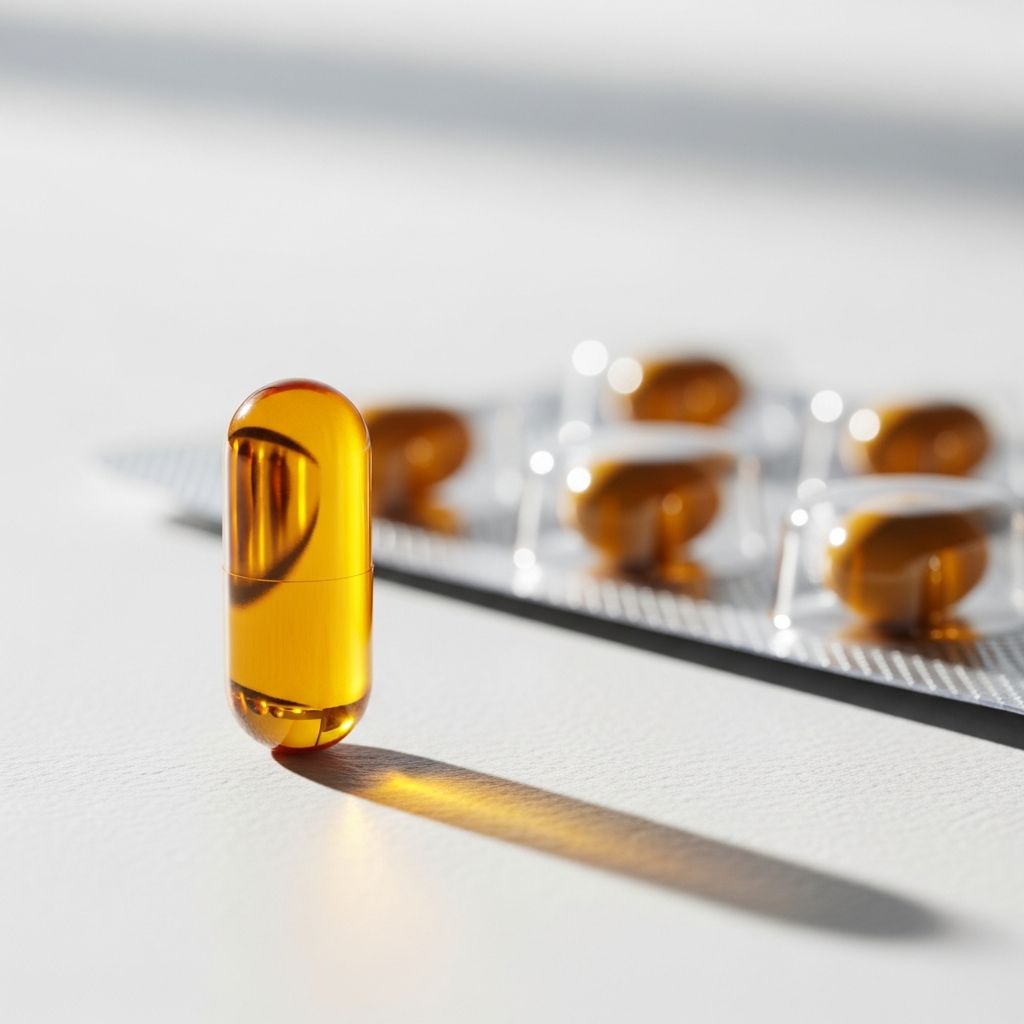
| Type of medicine | A benzodiazepine |
|---|---|
| Used for | Anxiety; alcohol withdrawal |
| Also called | Librium® |
| Available as | Capsules |
About chlordiazepoxide
Chlordiazepoxide, commonly known by its brand name Librium, belongs to a class of medications called benzodiazepines. These drugs work by influencing neurotransmitters in the brain, specifically enhancing the effects of gamma-aminobutyric acid (GABA), which slows down brain activity and produces a calming effect. This mechanism helps reduce excessive neural firing associated with anxiety.
The medication is primarily prescribed for the short-term management of anxiety disorders or acute symptoms of anxiety. It is also effective in alleviating withdrawal symptoms during acute alcohol detoxification. Due to its sedative properties, chlordiazepoxide has antianxiety, muscle-relaxant, appetite-stimulating, and mild analgesic effects, though its precise action on the brain stem reticular formation blocks EEG arousal.
Chlordiazepoxide was the first benzodiazepine discovered in the 1950s and remains a prototype for this drug class. It is available in capsule form containing 5 mg, 10 mg, or 25 mg of chlordiazepoxide hydrochloride, along with inactive ingredients like corn starch, lactose, and talc.
Importantly, treatment with chlordiazepoxide should be limited to the shortest duration possible to minimize risks of tolerance, dependence, and withdrawal. It is a Schedule IV controlled substance due to its potential for abuse.
How to take chlordiazepoxide
Before beginning treatment, carefully read the manufacturer’s patient information leaflet included with the medication pack. This leaflet provides detailed guidance on usage, potential side effects, and precautions specific to chlordiazepoxide.
Dosage instructions will be specified by your doctor and printed on the medication label. Always follow these exactly. As a general guide:
- For anxiety: The usual starting dose is 10 mg taken three times daily. This may be increased if needed, up to a maximum of 60 mg per day in divided doses. Elderly patients or those with mild liver or kidney issues may start with 10 mg twice daily.
- For alcohol withdrawal: Initial dose is typically 50-100 mg, followed by 25-50 mg every 4-6 hours as needed, up to 300 mg per day if required. Reduce dosage gradually once symptoms are controlled.
- Preoperative anxiety: 5-10 mg taken three or four times daily on the days before surgery.
Swallow capsules whole with water, with or without food. If you forget a dose, take it as soon as remembered unless it’s nearly time for the next one; do not double up. Abruptly stopping after prolonged use can cause withdrawal symptoms like anxiety rebound, insomnia, tremors, or seizures—taper under medical supervision.
Getting the most from your treatment
To optimize benefits and reduce risks, adhere strictly to the prescribed dose and duration. Benzodiazepines like chlordiazepoxide are intended for short-term use (typically 2-4 weeks for anxiety) to avoid dependence.
Avoid alcohol entirely, as it intensifies sedation, respiratory depression, and other central nervous system effects, potentially leading to coma or death.
Related Stories



Do not use other sedatives, opioids, or CNS depressants without consulting your doctor, as combinations increase risks of profound drowsiness, breathing problems, and overdose. If opioids must be used, start with the lowest doses and monitor closely.
Regular psychotherapy or counseling can complement pharmacological treatment, especially for anxiety or alcohol dependence, teaching coping strategies and addressing underlying causes.
Lifestyle measures include maintaining a healthy sleep routine, regular exercise, stress-reduction techniques like mindfulness, and limiting caffeine. Track symptoms and report any lack of improvement or worsening to your doctor.
Driving and using machinery while taking chlordiazepoxide
Chlordiazepoxide impairs reactions, alertness, and coordination due to its sedative effects, which can persist into the next day. It is illegal to drive if your abilities are affected. Test your response before engaging in hazardous activities.
Even if you feel unimpaired, carry proof of prescription (e.g., repeat prescription form or patient leaflet) when driving. Effects are more pronounced in the elderly or with higher doses.
Peak blood levels occur several hours after dosing, so impairment may not coincide with initial intake. Avoid operating heavy machinery until you know how the drug affects you individually.
Common questions about chlordiazepoxide
How long does it take to work? Effects begin within 30-60 minutes, peaking in 2-4 hours, with a long half-life (5-30 hours) contributing to prolonged action.
Can I drink alcohol? No—alcohol greatly increases sedation and respiratory risks.
Is it addictive? Yes, with prolonged use; use shortest duration possible.
What if I miss a dose? Take promptly unless near next dose; consult doctor for missed withdrawal doses.
Can pregnant women use it? Avoid unless essential—risks fetal harm (animal studies show skeletal defects).
Side-effects of chlordiazepoxide
Most people experience few side effects, but common ones include:
- Drowsiness, dizziness, or lightheadedness
- Confusion, unsteadiness, or poor coordination
- Muscle weakness
- Blurred vision or double vision
- Dry mouth or constipation
These often improve as your body adjusts. Less common but serious effects: memory issues (anterograde amnesia), jaundice, blood disorders (e.g., agranulocytosis), or hepatic dysfunction—seek immediate medical help for yellowing skin, unusual bleeding, or severe fatigue.
Rarely, paradoxical reactions like increased anxiety or aggression occur. Report persistent or bothersome effects to your doctor.
| Common | Less Common/Serious |
|---|---|
| Drowsiness Dizziness Muscle weakness | Jaundice Blood dyscrasias Respiratory depression (with opioids) |
How to cope with side effects of chlordiazepoxide
Drowsiness/dizziness: Rest until effects subside; avoid sudden movements. Rise slowly from sitting/lying.
Muscle weakness: Take care on stairs or at night to prevent falls, especially if elderly or frail.
Feeling sleepy: Schedule doses at bedtime if possible; avoid alcohol/CNS depressants.
If side effects worsen or new symptoms appear (e.g., breathing difficulty, severe confusion), stop and contact a healthcare provider immediately.
Precautions while taking chlordiazepoxide
Discuss your full medical history with your doctor. Avoid if you have:
- Acute alcohol/narcotic intoxication
- Severe respiratory issues or sleep apnea
- Glaucoma, myasthenia gravis, or severe liver disease
- Pregnancy or breastfeeding (crosses placenta, excreted in milk)
- Known benzodiazepine allergy
Caution in elderly (increased fall risk), kidney impairment (adjust dose), or depression (may worsen suicidal thoughts).
Monitor liver function and blood counts with long-term use. Interactions: heightened effects with oral contraceptives, triprolidine, or opioids.
Long-term use and dependence
Prolonged use risks tolerance (needing higher doses), physical dependence, and withdrawal upon stopping. Symptoms include anxiety, insomnia, irritability, tremors, sweating, nausea, seizures (severe cases). Taper gradually under supervision.
Keep secure to prevent misuse/abuse. Not for long-term anxiety management—combine with therapy.
Frequently Asked Questions (FAQs)
What is chlordiazepoxide used for?
Primarily short-term anxiety relief, alcohol withdrawal, and preoperative anxiety.
How long can I take chlordiazepoxide?
Shortest time possible, usually 2-4 weeks, to avoid dependence.
Does chlordiazepoxide cause drowsiness?
Yes, commonly; avoid driving or machinery.
Can I take it with alcohol?
No—risk of severe sedation or respiratory failure.
What are withdrawal symptoms?
Anxiety, tremors, seizures; taper slowly.
References
- LIBRIUM (Chlordiazepoxide Hydrochloride) Label — U.S. Food and Drug Administration. 2016-04-25. https://www.accessdata.fda.gov/drugsatfda_docs/label/2016/012249s049lbl.pdf
- Librium (Chlordiazepoxide): What You Need to Know — GoodTherapy.org. 2023. https://www.goodtherapy.org/drugs/librium-chlordiazepoxide.html
- Chlordiazepoxide – a benzodiazepine (Librium) — Patient.info. 2024. https://patient.info/medicine/chlordiazepoxide-a-benzodiazepine-librium
- Chlordiazepoxide – StatPearls — National Center for Biotechnology Information (NCBI). 2023-07-17. https://www.ncbi.nlm.nih.gov/books/NBK547659/
- Chlordiazepoxide: Uses, Interactions, Mechanism of Action — DrugBank Online. 2024. https://go.drugbank.com/drugs/DB00475
Similar Articles








Read full bio of Sneha Tete